How to Register with the NFZ as a Foreigner in Poland
The frustration often faced by newcomers to Poland trying to access healthcare can feel like a labyrinth of forms, offices, and unfamiliar terminology. It’s completely understandable to feel overwhelmed, especially when your health is on the line. This guide is here to cut through the confusion, offering a clear, step-by-step roadmap for how to register with the NFZ (Narodowy Fundusz Zdrowia), Poland’s national health fund, as a foreigner. We’ll walk you through everything you need to know to secure your public health insurance and gain peace of mind in your new home.
Understanding the NFZ: Poland's Public Healthcare System
Ah, the NFZ. It's the backbone of Poland's public healthcare, and for many expats, it's a mystery wrapped in a bureaucratic enigma. But trust me, once you get the hang of it, having NFZ coverage is a huge relief. Think of it as your golden ticket to doctor visits, hospital stays, and prescription subsidies without constantly reaching for your wallet. It's not perfect, no public system ever is, but it provides essential care, and understanding How Poland's National Health Fund (NFZ) Works: A Full Overview is crucial to living here comfortably.
What is the NFZ and Why It Matters
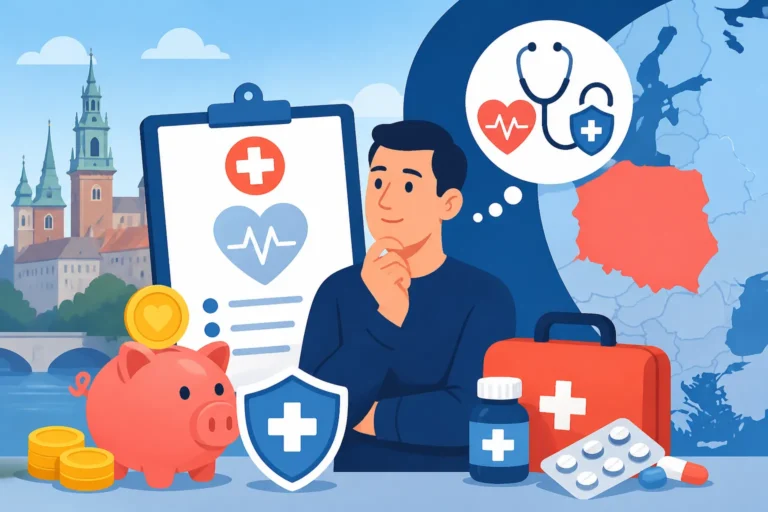
The Narodowy Fundusz Zdrowia (NFZ) is Poland's National Health Fund, responsible for managing public healthcare services. It's basically the state insurer that funds most medical treatments, diagnostics, and preventative care through a network of public and contracted private clinics and hospitals. When you're covered by the NFZ, you're entitled to free medical services at any facility that has a contract with the fund. This can range from seeing your family doctor (Lekarz Rodzinny) to specialist consultations, hospital treatments, and even some rehabilitation services.
For expats, especially those moving from countries with vastly different healthcare models, understanding the NFZ is paramount. It’s not just about getting sick; it’s about access to routine check-ups, necessary vaccinations, and knowing you’re covered in case of an emergency. Without it, even a minor health issue can become a significant financial burden. While private options exist and can complement the public system – and many expats opt for a blend of both, often exploring Health Insurance in Poland: Mandatory, Private and Subscription Options Explained – the NFZ is the foundation of healthcare provision for residents.
Who is Eligible for NFZ Coverage?
The question of eligibility is where it gets a little nuanced, as it largely depends on your legal status and how you contribute to the Polish system. Generally, if you are legally employed in Poland, self-employed, or a student, you're usually eligible. This is often tied into your ZUS (Social Insurance Institution) contributions.
For most working expats, your employer automatically registers you and your family members, and a portion of your salary goes towards these contributions. If you're running your own business, you'll be making these payments yourself. There are also provisions for dependents – spouses, children, and sometimes even parents or grandparents – who can be registered under your insurance if they don't have their own title to coverage. Then there's the voluntary insurance route for those who don't fit the standard categories but want to access the public system. Each path has its own set of requirements and paperwork, and navigating the complexities is part of what The Complete Guide to Healthcare in Poland for Expats (2027) aims to clarify.
The Crucial First Steps Before NFZ Registration
Before you can even think about filling out forms for the NFZ, there are a couple of fundamental things you absolutely must have in place. Trust me, trying to bypass these will only lead to headaches, multiple trips to various offices, and the Polish bureaucracy giving you its signature blank stare. These steps lay the groundwork for a smoother registration process.
Getting Your PESEL Number
This is, without a doubt, the single most important piece of identification you'll need for almost anything official in Poland, and healthcare is no exception. Your PESEL number (Powszechny Elektroniczny System Ewidencji Ludności, or Universal Electronic System for Registration of the Population) is a unique 11-digit identification number. Think of it like a Social Security Number or national ID number. Without it, many administrative tasks, including NFZ registration, become incredibly difficult, if not impossible. Many expats wonder, How to Get Your PESEL Number and Why It Matters for Healthcare.
You'll typically obtain your PESEL number either automatically when you register your temporary residence (meldunek) at the municipal office (Urząd Gminy or Urząd Miasta) or by applying for it directly if you don't have a residence registration. When applying, you'll need to demonstrate a legal basis for your stay in Poland and often explain why you need the PESEL, such as for employment or accessing public services. Documents like your passport, visa, and employment contract are usually required. It’s worth noting that if your employer is registering you for ZUS, they will need your PESEL number, which then enables them to register you for health insurance. This is a critical domino effect, so make sure to prioritize getting this number sorted as soon as you arrive and settle.
Securing Your Employment or Legal Basis
Your legal relationship with Poland directly dictates how you access the NFZ. For most foreigners, this means having a legal basis for employment or residence that mandates social security contributions.
- Employed Individuals (Umowa o Pracę, Umowa Zlecenie): If you're working under an employment contract (Umowa o Pracę) or a mandate contract (Umowa Zlecenie), your employer is generally responsible for registering you with the ZUS (Social Insurance Institution). This registration automatically includes health insurance (ubezpieczenie zdrowotne), which is part of your overall social security contributions. This is by far the most common and straightforward path for expats. Your monthly contributions are deducted directly from your salary, and your employer handles all the paperwork. You don't directly "register" with the NFZ; your employer does it through ZUS. This process links directly to How to Access Healthcare on a Work Visa in Poland.
- Self-Employed Individuals (Jednoosobowa Działalność Gospodarcza – JDG): If you're self-employed, operating a sole proprietorship (JDG), you are personally responsible for registering your business with the CEIDG (Centralna Ewidencja i Informacja o Działalności Gospodarczej) and then with ZUS. This includes declaring your health insurance contributions (składka zdrowotna). This means more responsibility on your part, but also more control. You'll need to understand Understanding ZUS Health Contributions (Składka Zdrowotna) in Poland and ensure timely payments.
- Students, Family Members, and Other Categories: Students enrolled in Polish universities, family members of insured individuals (spouses, children, certain ascendants and descendants), and certain groups like pensioners or those with Karta Polaka, also have specific routes to eligibility. If you don't fall into the employed or self-employed categories, you might explore voluntary insurance, which we'll discuss further. The key is that a stable, legal basis for your presence and contribution (or eligibility for benefit) is always the starting point for NFZ coverage. Without it, you’ll be looking at private insurance options like those offered by SafetyWing for temporary coverage, or other dedicated private plans.
Navigating the NFZ Registration Process (Step-by-Step)
Once you've got your PESEL and a clear legal basis for your stay and work in Poland, it's time to dive into the actual registration. The process varies significantly depending on your employment status, so let's break it down by category. This is where many expats get tripped up, thinking there's one single "NFZ registration office" they need to visit. Often, your interaction with the NFZ itself is minimal; most of the heavy lifting happens through ZUS.
Registration for Employed Individuals (Umowa o Pracę, Umowa Zlecenie)
For most expats employed by a Polish company, this is the most hands-off process, which is a blessing.
- Employer's Responsibility: When you start a new job under an Umowa o Pracę (employment contract) or Umowa Zlecenie (mandate contract), your employer has a legal obligation to register you with the Social Insurance Institution (ZUS) within seven days of your employment start date. This registration is done via a form called ZUS ZUA (Zgłoszenie do ubezpieczeń/zmiana danych osoby ubezpieczonej) or ZUS ZZA (Zgłoszenie do ubezpieczenia zdrowotnego) if you are only covered for health insurance and not other social insurances (less common for full-time employees).
- What Your Employer Needs from You: Your employer will need your PESEL number, your full name, date of birth, and possibly details of your family members if you intend to register them as dependents (more on this below). They will also need to know your address for ZUS purposes.
- Automatic Health Insurance: Once your employer registers you with ZUS, your health insurance (ubezpieczenie zdrowotne) is automatically activated. This means you are now covered by the NFZ. The contributions are automatically deducted from your salary each month, and your employer forwards them to ZUS. You won't receive a physical NFZ card or direct confirmation from the NFZ itself, which can be confusing for newcomers expecting a document.
- Registering Family Members: This is a crucial step that many expats overlook. If you have a spouse or children living with you in Poland who do not have their own title to NFZ insurance (e.g., they are not employed or self-employed), you must inform your employer to register them under your insurance. Your employer will fill out an additional form, ZUS ZCNA (Zgłoszenie danych o członkach rodziny dla celów ubezpieczenia zdrowotnego), and submit it to ZUS. This ensures your loved ones also have access to public healthcare. Without this, they might face significant medical bills if they need treatment. You'll need to provide their PESEL numbers (if they have them), and documents proving your relationship (marriage certificate, birth certificates). It's a common query, How to Register Family Members for Health Insurance in Poland, so don't hesitate to ask your HR department.
- Proof of Insurance: How do you prove you're insured? In Poland, your proof of insurance is primarily your PESEL number linked to the ZUS system. When you visit a public doctor or clinic, they will verify your insurance status electronically in the eWUŚ (Elektroniczna Weryfikacja Uprawnień Świadczeniobiorców) system using your PESEL number. However, it's always a good idea to have your ZUS RMUA form (issued by your employer showing your contributions) or a current employment certificate on hand, especially for initial visits or if the eWUŚ system has a hiccup. You can also generate a confirmation of your insurance via your Internetowe Konto Pacjenta (IKP) – more on that later.
Registration for the Self-Employed (JDG)
If you're running your own show in Poland as a sole trader (Jednoosobowa Działalność Gospodarcza or JDG), the responsibility for ZUS registration and payments falls squarely on your shoulders. This path offers more independence but requires careful attention to deadlines and forms. You'll want to review How Do I Register with the NFZ as a JDG (Sole Trader) Owner? for a detailed breakdown.
- CEIDG Registration First: Your journey starts with registering your business in the Centralna Ewidencja i Informacja o Działalności Gospodarczej (CEIDG). This is often done online, and during this process, you will also declare your intention to register with ZUS. The CEIDG application itself initiates your ZUS registration.
- ZUS Forms and Deadlines: Within seven days of your business registration date (or commencement of your activity), you need to formally register with ZUS. This is done by submitting the ZUS ZUA form (or ZUS ZZA if only health insurance applies, which is rare for JDG). This form notifies ZUS of your status as a self-employed individual and that you will be making contributions.
- Monthly ZUS Contributions: As a JDG owner, you are obligated to pay monthly ZUS contributions, which include health insurance (składka zdrowotna), along with social security, retirement, and disability contributions (unless you qualify for specific exemptions or reduced rates for new businesses). The amount of your health contribution is tied to your income, a change introduced by the Polski Ład reforms, and can be quite complex. It's vital to stay on top of these payments, usually by the 20th of the following month, to maintain continuous NFZ coverage.
- Registering Family Members: Just like with employed individuals, if you have dependents who need NFZ coverage, you must register them with ZUS using the ZUS ZCNA form. You are responsible for ensuring this is done correctly and submitting the form yourself.
- Proof of Insurance: Your proof of NFZ coverage as a self-employed person is your PESEL number linked to the ZUS system, and the fact that you are making your monthly ZUS contributions. Keep records of your ZUS payment confirmations (confirmation of bank transfers). Again, the eWUŚ system should verify your eligibility at medical facilities. You can also access an insurance confirmation via IKP.
Voluntary NFZ Insurance for Others
What if you're not employed by a Polish company and not self-employed, but still want NFZ coverage? Perhaps you're a long-term visitor, a retiree, or awaiting other legal statuses. In such cases, voluntary NFZ insurance might be your option. This means you directly sign a contract with the NFZ and pay monthly premiums.
- Eligibility and Application: To be eligible for voluntary insurance, you must be a resident of Poland or have a legal basis for stay. You can apply at your local NFZ branch (Wojewódzki Oddział NFZ). You'll typically need your passport, visa or residence permit, your PESEL number, proof of residence (like a rental agreement or meldunek), and potentially proof of income.
- Required Documents: The exact list can vary slightly by region, but generally includes:
- Your passport and a copy.
- Your visa or residence permit (Karta Pobytu) and a copy.
- Your PESEL number assignment document.
- Proof of residence (e.g., rental contract, meldunek).
- An application form (to be filled out at the NFZ office).
- A declaration that you have no other title to health insurance.
- Signing the Agreement and Paying Premiums: If your application is approved, you will sign a voluntary health insurance agreement (Umowa o dobrowolne ubezpieczenie zdrowotne) with the NFZ. Following this, you will need to register yourself with ZUS using the ZUS ZZA form within seven days of signing the agreement. Crucially, you are then responsible for paying your monthly health insurance premiums directly to ZUS. The premium amount is usually tied to a percentage of the average remuneration in Poland, meaning it changes annually.
- Continuity of Coverage: Maintaining voluntary NFZ coverage means consistently paying your monthly premiums on time. Missing payments can lead to your insurance being suspended or terminated, and you might incur a penalty to rejoin the system, often requiring payment of arrears.
- Pre-existing Conditions and Waiting Periods: It's important to ask about any waiting periods for specific treatments if you're taking out voluntary insurance, especially if you have pre-existing conditions. While generally, NFZ coverage is comprehensive, it's always best to clarify. For those who are between insurance coverages or awaiting voluntary NFZ activation, a travel health insurance like SafetyWing can provide a vital safety net, covering unexpected medical emergencies abroad. It’s not a substitute for comprehensive resident health insurance but can bridge crucial gaps.
What Happens After You Register with the NFZ
So, you've navigated the bureaucratic maze, your employer has registered you with ZUS, or you've successfully signed up as self-employed or voluntarily. Congratulations! But the journey doesn't quite end there. Knowing what comes next and how to actually use the system is just as important.
Confirming Your Insurance and Accessing Care
As mentioned, you won't get a shiny NFZ card like in some other countries. Your primary proof of insurance is your PESEL number.
- eWUŚ System: When you go to a public clinic or doctor's office, simply present your PESEL number and an identification document (like your passport or Karta Pobytu). The clinic staff will then check your eligibility in the eWUŚ (Elektroniczna Weryfikacja Uprawnień Świadczeniobiorców) system. If you see a green light, you're good to go! If it's red, there might be a problem with your registration or a delay in the system, which can be incredibly frustrating. In such cases, having your ZUS RMUA form (from your employer) or proof of ZUS payments (for self-employed) can help.
- Internetowe Konto Pacjenta (IKP): This is your personal online patient account and it's an absolute game-changer. The Internetowe Konto Pacjenta (IKP) allows you to access your medical history, e-prescriptions (e-Recepta), e-referrals (e-Skierowanie), and most importantly, check your current health insurance status. You can activate your IKP using a trusted profile (Profil Zaufany) or by logging in through your bank's online system. It's highly recommended to set this up as soon as possible. It empowers you to manage your healthcare information and provides irrefutable proof of your NFZ coverage if needed. Learn How Do I Set Up an Internetowe Konto Pacjenta (IKP) Patient Account to get started.
- Choosing a Family Doctor (Lekarz Rodzinny): One of the first things you should do after securing NFZ coverage is to choose and register with a family doctor (Lekarz Rodzinny), also known as a POZ (Podstawowa Opieka Zdrowotna) doctor. This GP is your first point of contact for most health issues and will issue referrals to specialists if needed. You register by filling out a declaration form directly at the przychodnia (clinic) of your choice. It's often easier to find one that has English-speaking staff if your Polish isn't strong yet. This is a vital step for accessing ongoing care, and you can get more tips on The Expat Guide to Finding a Family Doctor (Lekarz Rodzinny) in Poland.
Understanding Your Rights and Responsibilities
With NFZ coverage comes both rights and responsibilities. Understanding these will help you navigate the system more effectively.
Your Rights:
- Free Access to Healthcare: You have the right to free medical care at public clinics, hospitals, and specialist doctors who have contracts with the NFZ. This includes consultations, diagnostic tests, hospital stays, and emergency care.
- Choice of GP: You can choose your family doctor, nurse, and midwife, and change them twice a year without giving a reason (additional changes require a justification).
- e-Prescriptions and e-Referrals: Access to the modern e-Recepta and e-Skierowanie system, meaning your prescriptions and referrals are digitally available and linked to your IKP.
- Emergency Care: Access to emergency medical services (Ratownictwo Medyczne) is covered in life-threatening situations.
- Information: You have the right to receive information about your health status and treatment options in an understandable manner.
Your Responsibilities:
- Maintain Coverage: Ensure your ZUS contributions are paid regularly (if employed or self-employed) or your voluntary premiums are up to date. Failing to do so can result in loss of coverage and potential costs.
- Register Dependents: If you have eligible family members, it’s your responsibility to ensure they are properly registered under your NFZ insurance through ZUS ZCNA.
- Carry ID: Always carry a valid ID with your PESEL number when seeking medical care.
- Inform About Changes: Notify ZUS (via your employer or directly if self-employed/voluntary) about any changes in your personal details, employment status, or residence that might affect your insurance status.
- Adhere to Referrals: Understand that accessing specialist care often requires a referral (skierowanie) from your family doctor, and there can be waiting times for public specialists.
Common Challenges and Troubleshooting for Expats
Even with all the right information, navigating a new healthcare system in a foreign country comes with its unique set of challenges. Poland is no exception, and it's okay to feel frustrated when you encounter hurdles. Many of us expats have been there!
Language Barriers and Administrative Hurdles
One of the biggest obstacles, naturally, is the language. While more medical professionals, especially in larger cities like Warsaw, Krakow, or Wroclaw, speak English, it's not a given. At administrative desks in public clinics or NFZ offices, English speakers can be rare.
- Bring a Polish Speaker: If your Polish isn't up to snuff, always try to bring a Polish-speaking friend, colleague, or even hire a translator for important appointments or registration processes. This can save immense stress and ensure you understand everything.
- Utilize Online Resources: The IKP system is available in English, which is a huge help. Familiarize yourself with it. Websites for ZUS and NFZ often have English sections, though the depth of information might vary.
- Patience and Persistence: Polish bureaucracy, while improving, can still be slow and require persistence. Don't be discouraged if you need to make multiple calls or visits. Keep copies of all documents you submit.
- Documentation is Key: Always have all your original documents and several copies ready. This includes your passport, visa/residence permit, PESEL number, employment contract, and any previous ZUS forms or payment confirmations.
What if You're Awaiting Registration or Between Jobs?
This is a critical period where many expats feel vulnerable. You've moved, you're starting a new job, or you're transitioning between roles, and there's a gap in your NFZ coverage. What then?
- Waiting Periods: If you're starting a new job, your NFZ coverage usually begins on the date your employer registers you with ZUS, which should be within seven days of employment. However, if there's a delay, or if you're awaiting the activation of voluntary insurance, you might face a short period without coverage. This is a common concern detailed in Understanding Health Insurance Waiting Periods for New Residents in Poland.
- Private Insurance as a Stop-Gap: For these interim periods, private health insurance is invaluable. Options like SafetyWing offer travel medical insurance that can cover unexpected illnesses or accidents while you're technically uninsured by the NFZ. It's designed to be flexible for digital nomads and expats, providing coverage for emergencies even if you're not in your home country. While not a replacement for comprehensive local health insurance, it’s a smart move to have a plan like SafetyWing in place for any gaps, ensuring you're not caught off guard by an unforeseen medical emergency. Some expats even maintain private plans like those offered by Medicover or LUX MED (which offer access to private clinics and often English-speaking doctors) in addition to their NFZ coverage, to avoid long waiting times for specialists in the public system and gain faster access to care. You can read more about Understanding Private Medical Subscriptions (Medicover, LUX MED) in Poland to see if this dual approach is right for you.
- Emergency Care: In Poland, emergency medical care is generally provided regardless of insurance status in life-threatening situations. However, if you are not insured, you will be billed for the services once your condition is stable. This is a risk you absolutely want to avoid by ensuring continuous coverage.
- Planned Procedures: If you're awaiting NFZ registration, avoid planning any non-urgent medical procedures or specialist visits during this gap, as you would be responsible for the full cost. Focus on getting your NFZ status confirmed first.
Registering with the NFZ as a foreigner in Poland can seem daunting at first glance. However, by breaking it down into manageable steps – securing your PESEL, understanding your legal basis, correctly navigating the ZUS registration, and setting up your IKP – you can confidently establish your access to public healthcare. Remember to always keep copies of your documents, be patient with the administrative process, and don't hesitate to seek help from Polish speakers when needed. Armed with this knowledge, you're well on your way to a healthier and more secure life in Poland.
Disclaimer
The information provided in this guide is for general informational purposes only and does not constitute legal, medical, or professional advice. While we strive to keep the information up-to-date and accurate, Polish regulations and procedures can change. Always consult with official sources, such as the NFZ, ZUS, or a legal professional, for advice tailored to your specific situation.