The Complete Guide to Healthcare in Poland for Expats (2027)
Moving to a new country like Poland often brings a wave of excitement, but let's be honest, the practicalities – especially something as vital and complex as healthcare – can feel like trying to solve a Rubik's Cube blindfolded. Many expats struggle with understanding the intricate system, from deciphering acronyms like NFZ to knowing where to go for a simple check-up. This comprehensive guide is here to untangle the Polish healthcare labyrinth, offering you a clear roadmap to accessing medical services today and beyond.
Understanding the Polish Healthcare System: Public vs. Private
When you first land in Poland, one of the most pressing concerns, right after finding a decent pierogi joint, is figuring out how to stay healthy. The Polish healthcare system is a blend of public and private options, and understanding how they interact and what's available to you as an expat is absolutely crucial. It’s not a one-size-fits-all situation, and what works for one person might be a nightmare for another.
The Public System: Narodowy Fundusz Zdrowia (NFZ)
The public healthcare system in Poland is primarily funded by mandatory health insurance contributions, deducted from your salary if you're employed, or paid directly if you're self-employed. This system is overseen by the Narodowy Fundusz Zdrowia, or NFZ. Think of it as Poland's national health service. If you're legally employed in Poland, your employer handles your NFZ contributions, and you, along with your registered family members, are generally covered. This covers everything from GP visits and specialist consultations to hospital stays and emergency care, usually without direct payment at the point of service, assuming you follow the referral pathways.
However, the reality of NFZ for expats can sometimes be a bit of a shock. While it's comprehensive, it often comes with significant waiting times for specialist appointments and certain procedures. Getting an appointment with a dermatologist or an orthopedist might mean waiting weeks, or even months, in the public system, which can be incredibly frustrating, especially if you're used to quicker access in your home country. Language barriers can also be a significant hurdle, as not all public healthcare staff speak English, making communication a challenge during consultations or when trying to navigate administrative processes. For a deeper dive, you might want to check out our article on How Poland's National Health Fund (NFZ) Works: A Full Overview.
The Private System: Convenience and Speed
Parallel to the NFZ, Poland boasts a robust and popular private healthcare sector. This is where many expats find their comfort zone, even if they are already covered by the NFZ. Private clinics and hospitals offer faster appointments, shorter waiting times, modern facilities, and a higher likelihood of finding English-speaking staff. Major cities like Warsaw, Krakow, and Wroclaw are dotted with private medical centers from well-known brands. These services are typically paid for out-of-pocket, through private health insurance plans, or via medical subscription packages.
The allure of the private system is undeniable: you can often book an appointment for the same day or the next, choose your doctor, and have a consultation without the stress of navigating bureaucratic hurdles in a foreign language. For many, the peace of mind and convenience offered by private care make the additional cost worthwhile. It’s not just about speed; it’s about a different level of patient experience that can significantly ease the stress of living abroad. Our guide on Public vs Private Healthcare in Poland: Which Should Expats Choose? offers a detailed comparison to help you weigh your options.
Navigating the Public Healthcare System (NFZ)
Even if you opt for private healthcare, understanding the NFZ is crucial, as it’s the backbone of medical care in Poland and covers serious emergencies regardless of your primary choice. Getting registered and knowing the procedures will save you a lot of headaches in the long run.
Registering with the NFZ
To access public healthcare, your first step is usually to ensure you are properly registered with the NFZ. If you’re employed by a Polish company, they will typically handle your registration and contributions to ZUS (the social insurance institution), which includes health insurance. You’ll receive confirmation, often in the form of a ZUS ZUA or ZZA document, which proves your coverage. However, simply having contributions doesn't mean you can walk into any clinic. You'll also need a PESEL number, which is your unique national identification number in Poland. This number is fundamental for almost all administrative tasks, including healthcare. Without it, even if you’re technically covered, accessing services can be a nightmare. Our article, Registering with the NFZ in Poland: The Complete Expat Guide (2027), provides a detailed walkthrough of this process.
Once you have your PESEL and proof of insurance, you need to register with a specific primary care doctor, known as a Lekarz Rodzinny (family doctor) or Lekarz POZ (primary health care doctor). This doctor acts as your gatekeeper to the public system, providing initial consultations, issuing prescriptions, and giving referrals to specialists or hospitals. You choose your doctor and the przychodnia (clinic) where they work. It’s a good idea to research clinics in your area and ask around for recommendations, especially for doctors who might speak English. The official NFZ website allows you to search for doctors, but it's often in Polish, so a local friend or colleague can be invaluable here.
Finding a Family Doctor and Specialist Referrals
Finding a good Lekarz Rodzinny is perhaps one of the most important steps in navigating Polish public healthcare. This person will be your first point of contact for almost all non-emergency medical issues. They will manage your general health, issue sick notes (L4), and provide necessary referrals. Without a referral from a Lekarz Rodzinny, you generally cannot see a specialist within the NFZ system, except for a few exceptions like gynecologists, oncologists, psychiatrists, and dentists. This "gatekeeper" system can feel restrictive if you're used to direct access to specialists, but it's how the public system manages resources.
The challenge, as mentioned, often lies in the waiting times for those specialist appointments once you have a referral. You might get a referral for an orthopedist today, only to find the earliest appointment available is two months away. This is where many expats choose to use private healthcare for specialist consultations, even if their NFZ coverage is active. It offers a way to bypass the queues when time is of the essence. We have a dedicated guide on The Expat Guide to Finding a Family Doctor (Lekarz Rodzinny) in Poland that can help you with this crucial step.
Private Healthcare Options: Subscriptions and Insurance
For those who value speed, convenience, and potentially English-speaking medical staff, Poland's private healthcare sector is a fantastic alternative or complement to the public system. It’s incredibly popular among expats and even many Poles who can afford it.
Private Medical Subscriptions (e.g., Medicover, LUX MED)
One of the most common ways expats access private healthcare is through private medical subscription packages. Brands like Medicover, LUX MED, and Enel-Med dominate this market. These packages, often offered as an employee benefit by international companies, provide access to a network of private clinics, general practitioners, and a wide range of specialists, usually with much shorter waiting times. For example, you might be able to see a specialist within a few days, sometimes even the same day, simply by booking through their app or website.
The scope of coverage varies greatly depending on the package. Basic plans might cover GP visits and a limited number of specialist consultations, while premium plans can include dental care, rehabilitation, mental health services, and even some diagnostic tests. It’s essential to carefully review what each package offers. If your employer provides such a benefit, it's a huge perk. If not, you can purchase these subscriptions independently, and many expats find the monthly fee a worthwhile investment for the peace of mind and accessibility it provides. Our article, Understanding Private Medical Subscriptions (Medicover, LUX MED) in Poland, goes into much more detail.
Comprehensive Private Health Insurance
Beyond subscription packages, traditional private health insurance policies are also available in Poland. These often provide more extensive coverage, including hospital stays, surgeries, and a broader range of specialists, sometimes even offering reimbursement for treatment received abroad. These plans can be particularly beneficial for freelancers, self-employed individuals, or those not covered by an employer’s NFZ contributions. Companies like PZU Zdrowie or Allianz offer various private health insurance products designed for individuals and families.
When considering private health insurance, it’s vital to compare plans thoroughly. Look at deductibles, co-pays, annual limits, what types of services are covered (e.g., physiotherapy, psychological support, maternity care), and geographical coverage. Some plans might be cheaper but have significant exclusions, while others offer comprehensive protection at a higher premium. For expats who travel frequently or need robust international coverage, an expat-specific plan like those offered by SafetyWing can be an excellent option, providing seamless coverage not just in Poland but also when you're visiting other countries. These types of policies are designed with the transient nature of expat life in mind, offering flexibility and broader geographical scope. You can find more information on the various options in our guide to Health Insurance in Poland: Mandatory, Private and Subscription Options Explained.
Essential Medical Services for Expats
Navigating the basics of medical care in a new country can be daunting. From getting prescriptions filled to understanding the digital patient portal, there are a few key services every expat will eventually need to master.
Pharmacies and Prescriptions (Apteka and e-Recepta)
Pharmacies, or apteka in Polish, are plentiful in every city and town, often identifiable by a green cross sign. Many operate extended hours, and you’ll find 24-hour pharmacies in larger urban areas. For anything other than basic over-the-counter medications, you’ll need a prescription (recepta). Poland has fully embraced the digital age, and most prescriptions are now issued as e-recepta (e-prescriptions). Your doctor will issue the prescription electronically, and you'll receive a four-digit code via SMS or email, or sometimes simply verbally.
To fill an e-recepta, you just go to any pharmacy, provide your PESEL number and the four-digit code, and the pharmacist will access your prescription in the system. It’s incredibly convenient once you get used to it. The pharmacist is often the first point of contact for minor ailments and can offer advice on over-the-counter remedies. It's important to remember that some medications available without prescription in your home country might require one in Poland, and vice versa. Our dedicated article on Prescription Medications and Pharmacies in Poland: The Complete Guide offers a deep dive into this topic.
Online Patient Account (Internetowe Konto Pacjenta – IKP)
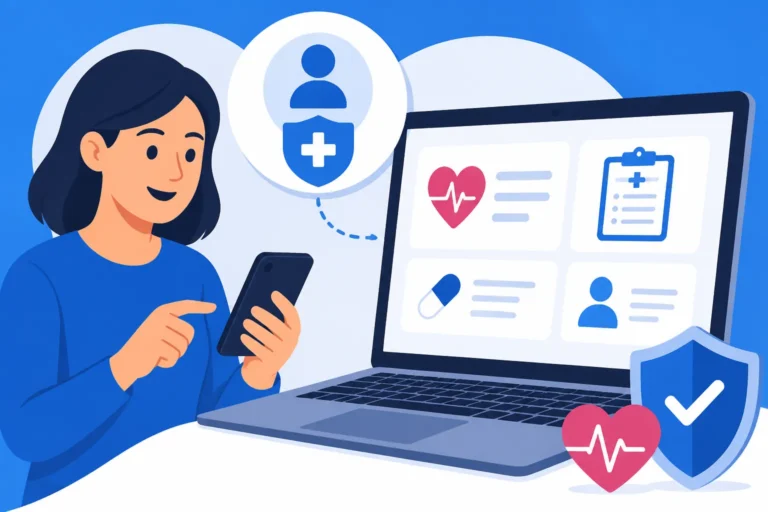
Another crucial digital tool for healthcare in Poland is the Internetowe Konto Pacjenta (IKP), or Online Patient Account. This is a personalized digital portal that allows you to access your medical history, manage prescriptions, check referrals (e-skierowanie), and even book some appointments. Once you have a PESEL number, you can usually activate your IKP using a trusted profile (Profil Zaufany) or by verifying your identity through your Polish bank's online banking system.
The IKP is a game-changer for managing your healthcare. You can see all your e-prescriptions, even those already filled, and track your e-referrals to specialists. It acts as a central hub for your health information, making it easier to stay on top of your medical needs. It's highly recommended for every expat to set up and regularly check their IKP, as it provides transparency and simplifies many aspects of accessing care.
Mental Health Services
Mental health awareness is growing in Poland, and services are becoming more accessible, although still a journey in progress, especially within the public system. If you're relying on the NFZ, you can visit a psychiatrist without a referral from a GP. However, finding English-speaking psychiatrists or psychologists within the public system can be challenging, and waiting times can still be an issue.
The private sector offers much better access to mental health professionals. Many private clinics, including those covered by subscription packages like Medicover and LUX MED, have psychologists and psychiatrists on staff, and finding English-speaking therapists is significantly easier. Online therapy platforms are also becoming popular, offering a convenient way to access support from the comfort of your home. If you're moving with a private health insurance plan such as SafetyWing, always check if mental health services are included in your coverage. For more detailed guidance, see our article on How to Access Mental Health Services in Poland as an Expat.
Emergency Care and Specialized Treatment
Knowing what to do in a medical emergency or when you need specialist treatment is paramount for any expat. The procedures can differ from what you're used to, and understanding them beforehand can make a critical difference.
Emergency Medical Care
In Poland, for life-threatening emergencies, you should call the universal European emergency number 112, or directly 999 for an ambulance (ambulans / karetka). If it’s not a critical emergency but you need urgent medical attention outside of your GP’s operating hours, you can go to a Nocna i Świąteczna Opieka Zdrowotna (NiŚOZ) facility. These are out-of-hours clinics that provide primary care during evenings, weekends, and public holidays. They handle acute illnesses, minor injuries, or sudden worsening of chronic conditions that don't necessarily require an ambulance or hospital emergency room.
For true emergencies requiring immediate hospitalization, you would go to a Szpitalny Oddział Ratunkowy (SOR), which is the emergency department of a hospital. All necessary care in an emergency will be provided, regardless of your insurance status, though you will be billed later if you are not covered by NFZ or private insurance. It's a common expat fear: "What if I get sick before my NFZ registration is complete?" In a life-threatening emergency, you will be treated. For a non-emergency situation, you might be directed to a private clinic or required to pay upfront. You can find comprehensive details in Emergency Medical Care in Poland: What Every Expat Needs to Know.
Accessing Specialist Care
As previously mentioned, accessing specialist care in the public NFZ system typically requires a referral (e-skierowanie) from your Lekarz Rodzinny. Once you have this referral, you'll need to find a specialist clinic or hospital that accepts NFZ patients for that particular specialization. This is where those infamous waiting lists come into play. For non-urgent conditions, waiting times can range from a few weeks to several months, depending on the specialist and the region.
This is a key reason why many expats opt for private medical subscriptions or private health insurance. With private options, you can bypass the GP referral system for most specialists (though some may still require one for insurance purposes) and book appointments directly, with significantly reduced waiting times. For example, if you need to see a dermatologist for a skin issue or an ophthalmologist for an eye exam, a private clinic can often get you in within a few days. This flexibility and speed are often cited as the biggest benefits of supplementing public coverage with private options, ensuring you get the care you need when you need it.
Costs and Financial Considerations
Understanding the financial aspects of healthcare in Poland is vital for expats, whether you're relying on the public system, private options, or a combination of both. Costs can vary wildly, and being prepared can save you from unexpected bills.
NFZ Contributions and Eligibility
If you are employed in Poland under an umowa o pracę (standard employment contract), your employer automatically deducts your NFZ contributions along with other social security payments (ZUS). These contributions are a percentage of your gross salary, and once paid, you are eligible for public healthcare. Your immediate family members (spouse, children) can also be registered under your insurance, provided they are not independently insured. This is generally the most straightforward path for expats to gain public healthcare access. For self-employed individuals (running a JDG – Jednoosobowa Działalność Gospodarcza), you are responsible for paying your ZUS contributions, including the health component (składka zdrowotna), directly each month.
It's important to keep track of your insurance status, especially if you change jobs or become self-employed. Gaps in contributions can lead to issues with NFZ coverage, potentially resulting in bills for services you thought were covered. While emergency care will always be provided, non-emergency treatment might be charged at full cost if your insurance is not active. Our guide on The Cost of Healthcare in Poland: A Complete Breakdown for Foreigners (2026) delves into these figures and various scenarios.
Private Healthcare Costs
Private healthcare in Poland, while offering convenience, naturally comes with a cost. The price of a single private doctor's visit can range from 150 PLN to 350 PLN or more, depending on the specialist, the clinic's prestige, and its location (e.g., Warsaw often has higher prices). Diagnostic tests like MRI or CT scans can cost several hundred to over a thousand PLN if paid out-of-pocket. Private medical subscriptions, on the other hand, usually involve a fixed monthly fee, which can range from around 100 PLN for basic packages to 500 PLN or more for comprehensive family plans.
For expats, especially those on temporary assignments or still evaluating their long-term stay, short-term private health insurance like SafetyWing can provide a flexible and affordable safety net. These plans are designed for digital nomads and global travelers, offering coverage for unexpected illness or injury wherever you are, which can be invaluable during those initial months in Poland before full NFZ coverage kicks in, or if you plan to travel frequently outside Poland. When budgeting for private healthcare, consider both the monthly premiums (if applicable) and any potential co-payments or deductibles for services not fully covered.
| Healthcare Type | Key Benefits | Typical Costs (Approx. 2026) | Waiting Times (Non-Urgent) | English-Speaking Staff |
|---|---|---|---|---|
| NFZ (Public) | Comprehensive basic coverage, low/no direct cost at service point, employer-funded. | Covered by mandatory contributions (e.g., ~9% of income for employees). | Weeks to Months for specialists. | Varies, often limited. |
| Private Subscriptions | Fast access to GPs & specialists, modern facilities, convenience. | 100-500 PLN/month (individual/family plan). | Same day to few days. | High likelihood. |
| Private Insurance | Broader coverage (e.g., hospital, international), tailored plans. | Varies widely, e.g., 200-1000 PLN/month depending on scope. | Same day to few days. | High likelihood. |
| Out-of-Pocket | Direct access to any private provider, no commitment. | GP visit: 150-350 PLN; Specialist: 200-500 PLN; Scans: 400-1500+ PLN. | Immediate. | Varies, often high likelihood. |
Practical Tips for Expats
Living in Poland as an expat means you’ll face unique challenges, and navigating healthcare is certainly one of them. Here are some seasoned tips to make your journey smoother.
Language Barrier Strategies
The language barrier is a common source of anxiety for expats, particularly in medical settings. While many doctors and medical staff in private clinics, especially in larger cities, speak English, it's not guaranteed in the public NFZ system. Don't be afraid to ask if a doctor speaks English when booking an appointment. If they don't, consider bringing a Polish-speaking friend or colleague along, or even using a translation app. Many private clinics also offer medical interpreters as part of their service.
Another strategy is to prepare a short written summary of your symptoms or medical history in Polish to hand to the doctor. Simple phrases like "boli mnie…" (my… hurts) or "potrzebuję recepty" (I need a prescription) can go a long way. Remember, most medical professionals genuinely want to help, and patience and clear communication, even through gestures, can bridge some of the gap.
Record Keeping and Medical History
It’s always a good idea to keep thorough records of your medical history. This includes vaccination records, significant diagnoses, ongoing medications, and previous surgeries. Bring these documents with you when you move to Poland. If they are not in English, consider getting key documents translated professionally. In Poland, setting up your Internetowe Konto Pacjenta (IKP) is a crucial step for digital record keeping within the Polish system, as it consolidates your e-prescriptions and e-referrals.
For ongoing care, keep track of all your appointments, diagnoses, and treatments. If you use both public and private systems, ensure that you share relevant information between your doctors. This holistic approach ensures continuity of care and prevents potential issues arising from incomplete medical records. Whether it's for routine check-ups or unexpected emergencies, having your medical history readily available will significantly improve the quality and speed of your care. Our broader guide, Navigating the Polish Healthcare System: An Expat's Roadmap (2027), covers many such preparatory steps.
Understanding the Role of the Przychodnia (Clinic)
The przychodnia is a cornerstone of the Polish healthcare system. It's essentially a primary care clinic where your Lekarz Rodzinny works. These clinics also often house other general practitioners, nurses, and sometimes even a limited number of specialists (like a pediatrician or gynecologist, depending on the size). When you register with an NFZ doctor, you are registering with their specific przychodnia.
This means that for most routine matters – common colds, flu, minor injuries, renewals of prescriptions for chronic conditions – your first point of contact will be your chosen przychodnia. You'll typically call or visit the reception (rejestracja) to book an appointment. While the system can feel a bit fragmented compared to a single large GP practice, understanding the przychodnia's role as your primary care hub is key to efficient navigation of the public system. For any medical needs that are not life-threatening but require a doctor, this is usually where you'll start your healthcare journey.
Disclaimer
The information provided in this guide is for general informational purposes only and does not constitute medical, legal, or financial advice. Healthcare regulations and costs in Poland can change, and while we strive for accuracy in 2026, it is always recommended to consult with official sources, medical professionals, and insurance providers for personalized and up-to-date information specific to your individual circumstances.