Can I Get Treatment in Poland Without a PESEL?
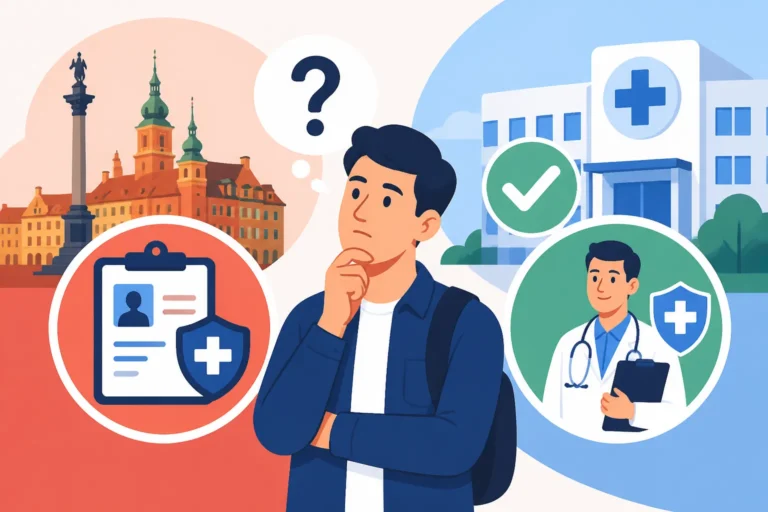
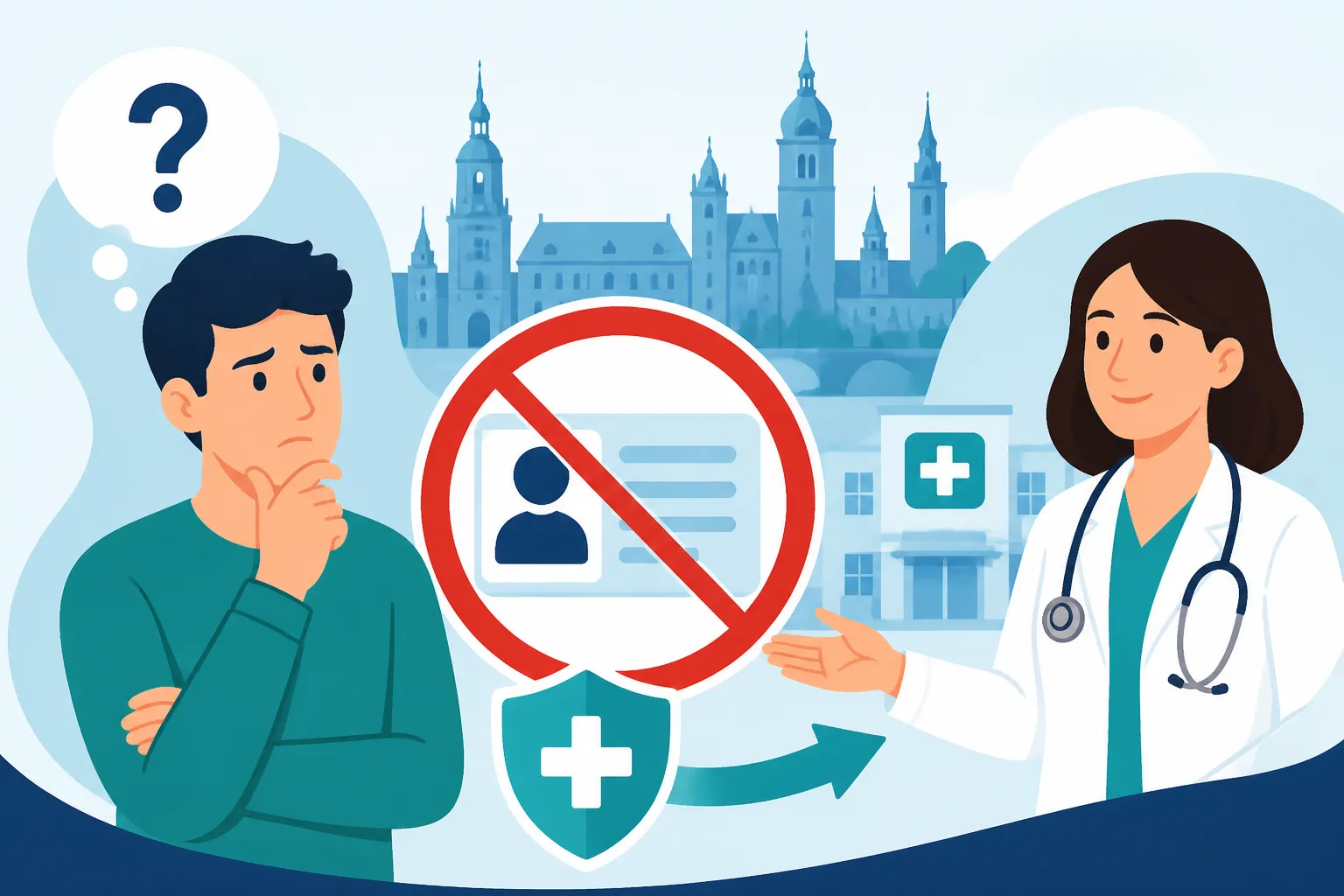
Oh, the infamous PESEL! It's one of those uniquely Polish administrative hurdles that can send a shiver down the spine of any expat or tourist, especially when you suddenly find yourself needing medical attention. The panic is real: you're not feeling well, maybe you've had an accident, and then the question hits you – "Can I even see a doctor here without that all-important PESEL number?" This guide is here to alleviate that stress, walking you through your options for accessing medical treatment in Poland even when that little eleven-digit number is still just a distant dream.
The PESEL Predicament: Why it Matters (and Why You Might Not Have One Yet)
Let's be honest, Poland's bureaucracy, while generally efficient once you understand it, can feel like a labyrinth at times. The PESEL number sits at the heart of many administrative processes, and healthcare is certainly one of them. For new arrivals or those just visiting, not having one can feel like being locked out of the system.
What Exactly is a PESEL and Why Do You Need It?
A PESEL (Powszechny Elektroniczny System Ewidencji Ludności) is essentially your national identification number in Poland. Think of it as Poland's version of a social security number or a national ID number. It's unique to you, and it's used for pretty much everything: registering your residence, paying taxes, opening a bank account, and crucially, accessing the public healthcare system through the National Health Fund (NFZ).
When you're formally employed in Poland or become a resident, your employer or the local Urząd Gminy (communal office) will typically help you obtain one. Without it, the public system, which relies on this identifier for tracking your contributions and eligibility, often struggles to process your care, even if you are theoretically entitled to it. For a deeper dive into this, you might want to check out our guide on how to get your PESEL number and why it matters for healthcare. It's the key to unlocking many doors here.
Common Scenarios for Not Having a PESEL
It's not uncommon at all to find yourself in Poland without a PESEL. Tourists, for instance, are here for a short visit and don't require one for their stay. New expats might have just arrived, and while their employer is processing their work permit and residence, the PESEL application might still be pending, or they might be on a short-term contract that doesn't immediately trigger a PESEL assignment. Students on exchange programs or those with temporary work arrangements often find themselves in this limbo.
The important thing to remember is that not having a PESEL doesn't mean you're entirely without options, but it does shift how you'll access and pay for medical services. It's a frustrating situation because, culturally, Poles use their PESEL for everything, so its absence can cause confusion in less expat-savvy institutions.
Your Options for Medical Treatment Without a PESEL in Poland
Okay, so you need a doctor, and the PESEL is MIA. Don't panic. Poland has a robust healthcare system, and while public access is tied to that number, there are very clear pathways for everyone else.
Emergency Medical Services
Let's start with the most critical scenario: an emergency. If you're experiencing a life-threatening situation or a serious accident, do not hesitate to call 112 (the pan-European emergency number) or 999 for an ambulance. Emergency medical services in Poland are obliged to provide assistance regardless of your nationality, PESEL status, or ability to pay upfront. They will stabilize you and transport you to the nearest appropriate hospital (szpital).
Once you're at the hospital, they will ask for your identification and insurance details. If you're an EU/EEA citizen, your European Health Insurance Card (EHIC) will cover necessary treatment. For non-EU/EEA citizens, or if you don't have an EHIC, you'll be treated, but you will be liable for the costs. It's a common misconception that any emergency treatment is free. While initial life-saving measures are always provided, the subsequent care and hospital stay will generate bills. If you're a tourist or new arrival, ensure you understand emergency medical care in Poland: what every expat needs to know. It can save you a lot of hassle and worry later.
Private Clinics and Hospitals
This is, overwhelmingly, the most straightforward and often preferred option for expats and tourists in Poland who don't have a PESEL or public health insurance. Poland has a thriving private healthcare sector, especially in larger cities like Warsaw, Krakow, and Wroclaw. These clinics operate entirely outside the NFZ system, which means they don't require a PESEL for registration or treatment. You simply pay out-of-pocket, or your private health insurance covers the costs.
Private clinics offer a wide range of services, from general practitioners (lekarz rodzinny) and specialists (dermatologists, cardiologists, gynecologists) to diagnostic tests (blood work, X-rays, MRIs). Many of them employ English-speaking staff and doctors, making communication much easier for foreigners. Prominent chains like LUX MED and Medicover are widely available and are excellent starting points. You can usually book appointments online or by phone, often for the same day or within a few days. While the cost of a private doctor visit in Warsaw might seem steep compared to public healthcare, the convenience, speed, and language accessibility are invaluable. You can also explore understanding private medical subscriptions (Medicover, LUX MED) in Poland for more long-term options.
Urgent Care (Nocna i Świąteczna Opieka Zdrowotna – NiŚOZ)
For non-life-threatening but urgent issues that arise outside of normal clinic hours (evenings, weekends, public holidays), Poland has a system of urgent care points known as Nocna i Świąteczna Opieka Zdrowotna (NiŚOZ). These facilities are typically attached to hospitals or larger przychodnie (clinics) and offer basic medical consultations, prescriptions, and simple procedures when your regular GP is unavailable.
While these are technically part of the public system, they are often more flexible regarding the PESEL requirement, particularly if you can demonstrate some form of health insurance (like an EHIC or private travel insurance) or are prepared to pay for the visit. It's worth calling ahead if possible to confirm their policy on PESEL for foreign patients. The NiŚOZ is designed to relieve pressure on emergency rooms for minor ailments, so if you have a fever, bad cough, or minor injury that can't wait until morning, this is a good intermediate step before heading to a full emergency department.
| Healthcare Option | Who it's Primarily For | Cost Implication Without Public Insurance | PESEL Needed? |
|---|---|---|---|
| Emergency Services (112/999) | Anyone with a life-threatening emergency | Covered by EHIC; otherwise, full cost | Not for immediate treatment |
| Private Clinics/Hospitals | Tourists, expats without NFZ, anyone wanting quick access | Out-of-pocket, or covered by private insurance | No |
| Urgent Care (NiŚOZ) | Non-life-threatening issues outside GP hours | Covered by EHIC; otherwise, full cost | Often not for basic care if insured or paying |
| Pharmacies (Apteka) | Minor ailments, over-the-counter medication | Out-of-pocket | No |
Navigating Payments and Insurance Without a PESEL
So, you've found a place to get treatment. Now, how do you handle the bill? This is where your financial preparedness really comes into play. Without a PESEL number, you're usually operating outside the public NFZ system, which means paying directly or relying on private coverage.
Direct Payment and Out-of-Pocket Costs
When you visit a private clinic or a NiŚOZ facility without a PESEL and without specific insurance coverage (like an EHIC), you will be expected to pay for your treatment directly. The costs for a private doctor's consultation can vary depending on the city and the specialty, but generally, expect to pay anywhere from PLN 150-350 for a standard GP visit. Specialist consultations might be a bit higher. Diagnostic tests like blood work, X-rays, or ultrasounds will incur additional charges.
It's always a good idea to ask about the cost upfront when booking an appointment or before a procedure. Most private clinics are transparent about their pricing. Remember, while paying out-of-pocket can seem like a hassle, it's often the fastest way to get quality care without getting entangled in bureaucratic red tape. Just make sure to keep all your receipts and medical reports, especially if you plan to claim them later through any private insurance you might have.
Private Travel/Health Insurance
For tourists and short-term visitors, having robust private travel insurance is absolutely non-negotiable. This is your safety net. Before you even set foot in Poland, make sure you've arranged comprehensive coverage that includes medical emergencies, doctor visits, hospital stays, and potentially even repatriation. Without it, a medical emergency could lead to crippling debt. Companies like SafetyWing offer flexible travel medical insurance plans that are perfect for digital nomads and those on extended trips, providing peace of mind knowing that unexpected medical costs won't derail your journey or your finances.
Even for new expats awaiting their PESEL and NFZ registration, having a temporary private health insurance plan is a smart move. There can be waiting periods for NFZ coverage to become fully active, and getting sick during that interim period is a real concern. Understanding private health insurance plans in Poland can help you choose the right one. Always check the specifics of your policy, including deductibles, coverage limits, and the process for making claims. SafetyWing, for example, often allows you to see any doctor or hospital and then submit for reimbursement, which is incredibly convenient in a foreign country.
European Health Insurance Card (EHIC)
If you're a citizen of an EU/EEA country or Switzerland, your European Health Insurance Card (EHIC) is your best friend. This card allows you to access medically necessary state-provided healthcare during a temporary stay in Poland on the same terms and cost as a Polish resident. "Medically necessary" means care that cannot reasonably wait until you return home.
While the EHIC is tied to public healthcare, many public facilities, including NiŚOZ points and hospital emergency rooms, will accept it without requiring a PESEL, as long as you can present the card and valid ID. However, the EHIC doesn't cover private healthcare, nor does it cover planned medical tourism. Always carry your EHIC with you, and remember it's not a substitute for comprehensive travel insurance, as it won't cover things like medical repatriation or non-urgent treatments. For more information, explore how to use your EHIC (EKUZ) card in Poland as an EU citizen.
Practical Tips and Next Steps
Dealing with medical issues in a foreign country, especially without a familiar identification number, can be daunting. But with a bit of preparation and knowing your options, you can navigate the Polish healthcare landscape effectively.
Always Have Your Documents Ready
When seeking medical attention, always have your passport or ID card, any visa documentation, and details of your private health insurance or EHIC readily accessible. This is true whether you have a PESEL or not, but it's even more critical when you don't. Keep physical copies and digital copies on your phone. If you're using a private insurance provider like SafetyWing, have their contact information and your policy number handy. The more information you can provide, the smoother the process will be.
Even if you don't have a PESEL, clinics will need to register you in some capacity, so a valid form of identification is a must. If you are a new arrival to Poland, you'll find that what documents do I need to get a PESEL in Poland can streamline your future interactions with the healthcare system.
Communication is Key
Language can be a significant barrier. While many doctors and staff in private clinics, especially in larger cities, speak excellent English, this might not always be the case in public facilities or smaller towns. Don't be afraid to ask if an English-speaking doctor is available when you book an appointment. If not, consider bringing a Polish-speaking friend or using a translation app on your phone.
Describe your symptoms clearly and concisely. Don't assume medical professionals will understand subtle nuances or cultural references in health complaints. Being explicit and direct will help them provide the best care.
Pharmacies and Over-the-Counter Medications
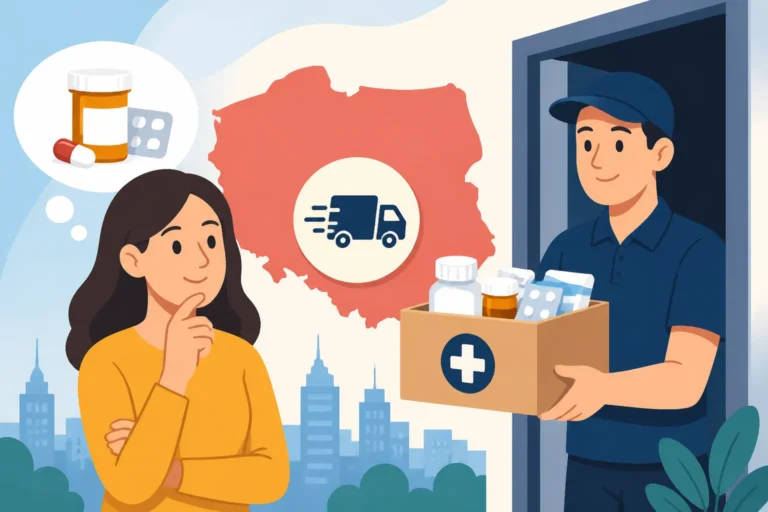
For minor ailments that don't necessarily require a doctor's visit, your local apteka (pharmacy) is often your first port of call. Polish pharmacists are highly knowledgeable and can provide advice on over-the-counter medications for common issues like colds, flu, allergies, and minor pains. You don't need a PESEL to buy non-prescription drugs.
For prescription medications, you will need a doctor's prescription, either a traditional paper one or an e-recepta (e-prescription). While a Polish doctor will issue this after a consultation, some pharmacies may be able to fill foreign prescriptions for certain medications, though this is at their discretion and often depends on the type of medication and clarity of the prescription. It's always best to consult a Polish doctor if you need ongoing medication. Our guide on prescription medications and pharmacies in Poland: the complete guide can offer more detailed insights.
Planning for the Long-Term: Getting Your PESEL
While there are indeed ways to get treatment in Poland without a PESEL, it's generally a temporary solution. If you plan to live in Poland long-term, integrating into the public healthcare system through the NFZ is usually the most cost-effective and comprehensive option. This invariably requires you to obtain a PESEL number.
Once you have your PESEL, you can then focus on registering with the NFZ, choosing a family doctor (Lekarz Rodzinny), and fully navigating the Polish healthcare system: an expat's roadmap. It will make your life significantly easier in the long run, opening up access to publicly funded general practitioners, specialists, and hospital care with minimal direct costs. So, while you're managing immediate health needs, keep the PESEL application process in mind as a vital step for your future well-being in Poland.
Disclaimer
The information provided in this guide is intended for general informational purposes only and does not constitute medical, legal, or professional advice. Healthcare regulations and availability can change, and individual circumstances vary. Always consult with a qualified medical professional or legal expert for advice tailored to your specific situation.