Emergency Medical Care in Poland: What Every Expat Needs to Know
The moment an emergency strikes in a new country, that's when you truly feel how far you are from home. The language barrier, unfamiliar systems, and sheer panic can make a difficult situation feel impossible. This guide is designed to cut through the confusion, offering a comprehensive look at how emergency medical care in Poland works, what to expect, and how to prepare, so you’re ready should the unthinkable happen.
Understanding Emergency Services in Poland
Navigating any country's emergency services can be daunting, and Poland is no exception. It’s not just about knowing the number to call; it's understanding the hierarchy, what constitutes an emergency in the local context, and what resources are available to you. Forget everything you know from your home country, because here, things operate a little differently.
The Universal Emergency Number: 112
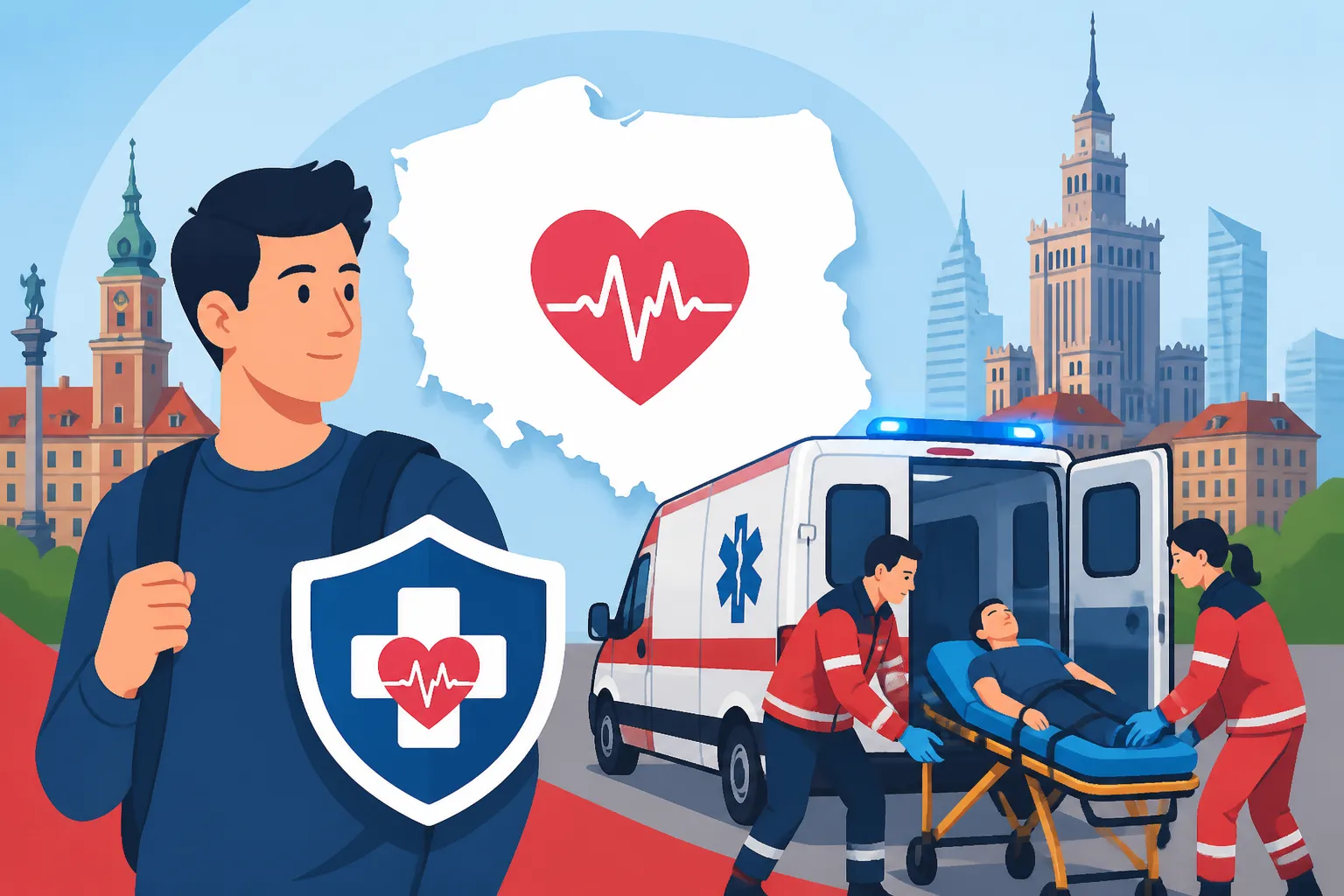
Just like in many parts of Europe, Poland utilizes the universal emergency number 112. This is your first port of call for any life-threatening situation, whether it’s a medical emergency, a fire, or a crime. When you dial 112, you'll reach a centralized emergency operator who will then triage your call and connect you to the appropriate service: ambulance (pogotowie ratunkowe), police (policja), or fire brigade (straż pożarna). The good news for expats is that many 112 operators, especially in larger cities, will have English speakers available, but it’s never a guarantee.
When you call 112, try to remain as calm as possible and be prepared to provide crucial information. This includes your exact location (street name, building number, city, and any landmarks), a brief but clear description of the emergency, the number of people involved, and your contact number. They might also ask for your name. Remember, time is critical, so be concise and factual. Don't hang up until the operator tells you to, as they might need to give you instructions or confirm details.
Direct Ambulance Line: 999
While 112 is the universal number, Poland also has direct lines for specific emergency services. For a medical emergency that requires an ambulance, you can dial 999 directly. Calling 999 might bypass the initial triage of 112 and connect you straight to the medical dispatch center. However, for most foreigners, sticking with 112 is often easier, as it acts as a safety net if you're unsure which specific service you need or if there's a language barrier that makes communicating with a specialized dispatcher difficult.
It's important to understand that the "pogotowie ratunkowe" (ambulance service) in Poland is primarily for life-threatening situations. They are not a taxi service to the hospital for non-urgent ailments. If you call an ambulance for something that could be handled by a general practitioner or a late-night clinic, you might face a stern lecture, or even be told to make your own way to the nearest przychodnia or szpitalny oddział ratunkowy (SOR). This is a common frustration for many expats, as the threshold for what constitutes an "emergency" can sometimes feel higher here than in other countries. You can learn more about Understanding Emergency Numbers and Ratownictwo Medyczne in Poland to be fully prepared.
Types of Medical Emergencies and Where to Go
Not every medical incident warrants an ambulance or a trip to the emergency room. Knowing where to go for different levels of urgency can save you time, stress, and potentially unnecessary costs. It's about being pragmatic and understanding the Polish healthcare system's structure, which can be quite different from what you're used to.
Life-Threatening Situations: The Emergency Room (SOR)
For genuinely life-threatening situations – think heart attacks, strokes, severe injuries from accidents, uncontrolled bleeding, or sudden loss of consciousness – the Szpitalny Oddział Ratunkowy (SOR), which is the hospital emergency department, is where you need to be. This is equivalent to an A&E or ER department in other countries. Ambulances will take you directly here, but you can also go there yourself if you're able.
Upon arrival at a SOR, you will undergo a triage process. This means a medical professional will assess your condition to determine the urgency of your need for care. Patients are prioritized based on the severity of their condition, not on a first-come, first-served basis. This can mean long waiting times for less critical issues, even if you arrive before someone else. It’s a common source of frustration for expats, especially when they feel their condition is urgent but are categorized as "yellow" or "green" (less critical) and left waiting for hours while "red" cases (life-threatening) are seen immediately. Be prepared for potentially significant waits if your situation is not immediately life-threatening.
Urgent but Non-Life-Threatening: Nocna i Świąteczna Opieka Zdrowotna
For urgent medical issues that arise outside of your regular family doctor’s (Lekarz Rodzinny) operating hours but are not life-threatening – such as a high fever, severe flu symptoms, sudden pain, or minor injuries that don't require immediate hospital intervention – Poland has the Nocna i Świąteczna Opieka Zdrowotna (Night and Holiday Health Care). These are clinics specifically set up to handle urgent care during evenings, weekends, and public holidays. They are a fantastic resource and can save you a trip to the often-overcrowded SOR.
You don't need a referral or a prior appointment to visit these clinics. They operate on a walk-in basis. While they typically don't perform advanced diagnostics or surgeries, they can provide consultations, issue prescriptions, and offer basic medical procedures. It’s a good idea to know the location of your nearest Nocna i Świąteczna Opieka Zdrowotna clinic, as going directly there for urgent but non-critical issues can be much faster and more appropriate than the SOR. These facilities are often located within or next to general hospitals or large przychodnia (clinics).
When to See a General Practitioner (Lekarz Rodzinny)
For less urgent health concerns, your first point of contact should always be your chosen family doctor, also known as a Lekarz Rodzinny or Lekarz POZ (Primary Health Care Doctor). This includes conditions like persistent coughs, minor infections, routine check-ups, and managing chronic conditions. The Polish system emphasizes primary care, and your GP acts as a gatekeeper for specialist referrals and many common health issues. You can find more information about The Expat Guide to Finding a Family Doctor (Lekarz Rodzinny) in Poland.
If you are covered by the Polish National Health Fund (NFZ), you must register with a Lekarz POZ. This process ensures you have a designated doctor who knows your medical history and can provide ongoing care. Even if you have private health insurance, it’s often beneficial to register with a public GP for ease of access to the public system if needed. Making an appointment with your GP is usually straightforward, either by phone or through an online patient portal like Internetowe Konto Pacjenta (IKP). They are generally available during standard working hours.
Navigating Emergency Care: Practical Steps for Expats
Dealing with an emergency is stressful enough without the added layer of being in a foreign country. Having a clear plan and understanding the practicalities can make a world of difference. From proving your insurance to simply communicating your needs, every detail matters.
Proving Your Health Coverage
When you seek emergency care in Poland, especially at a public hospital or SOR, you will need to prove your health insurance coverage. For those employed in Poland, you are typically covered by the National Health Fund (NFZ) through your ZUS contributions. To prove this, you'll need your PESEL number and often an official confirmation of your employment and NFZ registration. You can usually access this confirmation through your Internetowe Konto Pacjenta (IKP) or by contacting your employer’s HR department. If you are an EU citizen, your European Health Insurance Card (EHIC) is crucial. While it covers necessary medical treatment, it's not a substitute for comprehensive travel insurance and won't cover repatriation or extensive private care.
For those with private health insurance or a private medical subscription (like Medicover or LUX MED), carry your insurance card or policy details at all times. While private clinics are usually straightforward, public SORs will primarily focus on your NFZ eligibility. If you don't have NFZ coverage and are without private insurance, you will be expected to pay for emergency services out-of-pocket, unless it's a life-threatening situation where care will be provided regardless of ability to pay, with a bill to follow. Many expats opt for robust travel health insurance, such as SafetyWing, which can provide a safety net for emergency medical expenses before their long-term Polish coverage is fully established, or for unexpected incidents. This can be especially helpful for covering emergency dental work or repatriation costs, which NFZ might not cover.
Overcoming the Language Barrier
The language barrier is arguably one of the biggest challenges expats face in a medical emergency. While medical professionals in larger cities and private clinics often speak English, it’s not a given, especially in public hospitals or smaller towns. Don't assume everyone will understand you. Having a few key Polish phrases memorized for emergencies can be invaluable, such as "Potrzebuję pomocy medycznej" (I need medical help), "Boli mnie…" (I have pain in…), or "Jestem uczulony na…" (I am allergic to…).
It’s always a good idea to have a translation app on your phone, but it’s even better to prepare a physical card with your essential medical information in Polish. This should include your name, date of birth, blood type, known allergies, current medications (with dosages), and any pre-existing conditions. Consider carrying contact details for an English-speaking friend or even a professional medical translator if your Polish is non-existent. Many private medical providers, like those under the LUX MED or Medicover umbrella, actively promote English-speaking doctors, which can make a huge difference in an urgent situation. You can even proactively research How to Find an English-Speaking Doctor in Poland.
Essential Information to Have on Hand
Preparation is key. Beyond your insurance details and language tools, there's other vital information you should keep readily accessible, perhaps in your wallet or on your phone's lock screen. This includes your full name, date of birth, PESEL number (if you have one), any known medical conditions (e.g., diabetes, epilepsy), current medications (generic and brand names), allergies, and the contact information for your next of kin or an emergency contact who speaks Polish or English.
Consider carrying a list of your family doctor's contact details, even for private patients. Knowing which przychodnia you belong to can expedite any necessary follow-up care. If you have children, keep their medical information readily available too. This level of preparedness, while seemingly excessive, can drastically reduce stress and improve the speed and accuracy of care received during a high-pressure situation.
Emergency Medical Facilities and Their Functions
Understanding the different types of medical facilities in Poland and their specific roles in emergency care is crucial. It’s not a one-size-fits-all approach, and knowing where to go can save you precious time and ensure you receive the most appropriate care.
Szpitalny Oddział Ratunkowy (SOR): Hospital Emergency Departments
As mentioned, the Szpitalny Oddział Ratunkowy (SOR) is the main hospital emergency department, designed to handle life-threatening conditions and severe trauma. These departments are equipped with diagnostic tools (X-rays, CT scans, ultrasound), resuscitation equipment, and a team of specialists ready to manage critical cases. When you arrive at a SOR, the initial assessment (triage) determines your priority. Green tag usually means you'll wait the longest, while red tag means immediate attention.
One common misconception for expats is that the SOR is the place to go for any ailment outside of regular doctor’s hours. This is often not the case for non-critical issues. You might find yourself waiting for many hours, only to be redirected to a Nocna i Świąteczna Opieka Zdrowotna clinic or told to see your GP. This experience can be frustrating, especially if you're feeling unwell, but it's part of how the system manages resources. Remember, if it's truly life-threatening, don't hesitate; head straight to the nearest SOR. You can read more about Understanding Hospital Care at a Szpital in Poland.
Izba Przyjęć: Hospital Admission Rooms
In some hospitals, particularly smaller ones or those without a fully equipped SOR, you might encounter an Izba Przyjęć (Admission Room). While similar in function to an emergency department in that it's the point of entry for urgent cases, an Izba Przyjęć often has more limited diagnostic capabilities and might not handle the most severe traumas directly. They are primarily for admitting patients for planned hospital stays or for urgent cases that require hospitalization but are not necessarily critical emergencies.
If you arrive at an Izba Przyjęć with a very serious emergency, you might be stabilized and then transferred to a larger hospital with a SOR. For less severe urgent cases, they might provide initial treatment and then discharge you with instructions to follow up with your family doctor. It's less common to encounter an Izba Przyjęć as the primary emergency point in major cities, which usually have modern SORs, but it's good to be aware of the distinction if you find yourself in a smaller town.
Nocna i Świąteczna Opieka Zdrowotna: Out-of-Hours Clinics
These specialized clinics are often lifesavers for expats. As covered earlier, Nocna i Świąteczna Opieka Zdrowotna (Night and Holiday Health Care) facilities are designed to handle urgent but non-life-threatening conditions when regular GP offices are closed. They prevent overcrowding in SORs and provide a more appropriate level of care for common acute illnesses or minor injuries.
These clinics are staffed by general practitioners and nurses who can assess your condition, prescribe medication (often using the e-Recepta system), issue sick notes, and provide basic treatments. They are an excellent alternative to the SOR for things like severe colds, flu, urinary tract infections, sprains, or sudden onset of mild pain. Knowing the location and operating hours of your local Nocna i Świąteczna Opieka Zdrowotna clinic is highly recommended, as it can save you considerable time and anxiety.
Financial Aspects of Emergency Care
Healthcare costs are always a concern, especially when you're caught off guard by an emergency. Understanding how public and private insurance interact with emergency services in Poland is vital to avoid unexpected bills.
Costs for NFZ-Insured Individuals
If you are legally employed in Poland and contributing to ZUS, you are covered by the National Health Fund (NFZ). Emergency medical care, including ambulance services and treatment at a SOR or Izba Przyjęć, is generally free at the point of service for NFZ-insured individuals. This applies whether the emergency is life-threatening or not, as long as the service is deemed medically necessary. Your PESEL number and proof of NFZ coverage will be required.
However, "free at the point of service" doesn't mean everything is free. You might still incur costs for certain non-essential services or some medications not fully reimbursed by the NFZ. For instance, if you're prescribed a medication, you'll pay a co-payment or the full cost depending on whether it's on the subsidized list and your entitlement. Also, if you utilize an ambulance service for a non-urgent condition where transport wasn't medically justified, you might be charged for the ambulance call-out. It's always best to clarify any potential costs if you can, though in a true emergency, that's naturally secondary to receiving care. For a deeper dive into overall costs, refer to The Cost of Healthcare in Poland: A Complete Breakdown for Foreigners (2026).
Private Insurance and Travel Insurance Coverage
For those without NFZ coverage, or those who prefer the benefits of private healthcare, private health insurance or medical subscriptions (like Medicover, LUX MED) are crucial. Most private plans cover emergency medical consultations at their own clinics, and some also offer reimbursement or direct billing for emergency treatment at partner hospitals, including SORs, though this often depends on the severity and specific terms of your policy. Always check your policy's fine print regarding emergency coverage, particularly for hospital stays and specialist consultations.
Travel insurance, such as that offered by SafetyWing, is particularly important for tourists, short-term visitors, or new expats who haven't yet secured long-term residency and NFZ coverage. Good travel insurance will cover emergency medical treatment, hospitalizations, and often critical services like emergency dental care or medical evacuation and repatriation. It's a critical safety net that ensures you won't be left with a crippling bill if a serious emergency occurs before your long-term healthcare arrangements are finalized. Even for those with NFZ, supplementary private insurance can cover things the public system might not, such as faster access to diagnostics or private ambulance services.
Handling Out-of-Pocket Expenses
If you do not have NFZ coverage, private insurance, or an EHIC card (for EU citizens), you will be treated as a private patient and expected to pay for all emergency medical services out-of-pocket. In life-threatening situations, care will be provided first, and the billing will follow. For less critical emergencies, you might be asked to provide payment upfront or provide a guarantee of payment.
Keep all receipts and medical documentation if you pay out-of-pocket. This is crucial if you later need to seek reimbursement from a private insurer or if your NFZ coverage retroactively kicks in. The cost of emergency services can vary widely depending on the procedures, diagnostics, and length of stay. A simple emergency room visit could range from a few hundred złoty for a consultation and basic tests to thousands for complex treatments, surgeries, or extended hospital care. For specific details on various medical costs, including those for private services, check out How Much Does a Private Doctor Visit Cost in Warsaw? or How Much Does an MRI Scan Cost Privately in Poland?.
After the Emergency: Follow-up and Medications
Surviving the emergency is only half the battle. The period immediately following an emergency, dealing with follow-up appointments, and managing medications can present its own set of challenges, especially for expats unfamiliar with the system.
Follow-up Care and Specialist Referrals
Once the immediate crisis has passed and you've been discharged from the SOR, you'll likely need follow-up care. This could involve seeing your family doctor, a specialist, or undergoing further diagnostic tests. If you were treated at a public SOR and are NFZ-insured, you'll typically be given recommendations for follow-up within the public system. For specialist appointments within the NFZ, you almost always need a referral (e-skierowanie) from your family doctor. These referrals are crucial for How e-Skierowanie (E-Referrals) Work for Specialists in Poland.
Waiting times for specialists in the public system can be notoriously long, which is a common point of frustration for expats. If you have private health insurance or a medical subscription, you can often bypass these queues by booking appointments directly at private clinics without a referral, significantly speeding up your access to specialist care. Make sure to clearly communicate with the hospital staff upon discharge about what follow-up is needed and how to arrange it, asking for any discharge summaries or test results in writing.
Medications and Pharmacies
After an emergency, you'll likely receive prescriptions (e-recepta) for necessary medications. Poland uses an electronic prescription system, so your doctor will issue an e-recepta, which is then accessible at any pharmacy (apteka) using your PESEL number and a code received via SMS or email. You can learn more about How Do I Fill an e-Recepta at a Pharmacy in Poland?. Pharmacies are widely available, and many operate extended hours, with some 24/7 pharmacies in larger cities. You can find out more about Understanding the Polish Pharmacy (Apteka) System and Opening Hours.
Be aware that certain medications might require specific import regulations or may not be readily available under the same brand names as in your home country. Always ask the pharmacist for the generic name if you're unsure. For NFZ-insured individuals, many medications are subsidized, meaning you'll pay a reduced price or a co-payment. For those without NFZ, you'll pay the full price. It's important to understand Prescription Medications and Pharmacies in Poland: The Complete Guide before you need it. If you have private insurance, check if it offers reimbursement for prescription costs.
Mental Health Support
Emergencies, especially traumatic ones, can take a significant toll on mental health. It’s important to recognize that seeking support for your psychological well-being is just as vital as physical recovery. While the immediate focus of a SOR is physical health, there are avenues for mental health support in Poland. Your GP can provide a referral to a psychologist or psychiatrist within the NFZ system, though again, waiting times can be an issue.
Many private clinics offer direct access to mental health professionals, often with English-speaking therapists. If you have private health insurance, check if it covers mental health services. Organizations and support groups for expats can also be an invaluable resource, offering a sense of community and helping you find appropriate English-speaking therapists. Remember, it's okay to ask for help, and resources are available to guide you. You can read How Do I Access Mental Health Services in Poland as an Expat for more detailed information.
Preparing for Medical Emergencies as an Expat
Preparation can significantly reduce the chaos and stress of a medical emergency. As an expat, you have a unique set of challenges, and proactively addressing them will serve you well.
Emergency Contact Information
Create a physical and digital list of emergency contacts. This should include:
- Local Emergency Numbers: 112 (general), 999 (ambulance), 998 (fire), 997 (police).
- Your Embassy/Consulate: They can offer assistance in emergencies, including connecting you with local resources or helping with documentation.
- Next of Kin/Spouse/Close Friend: Someone who can be contacted and potentially assist with translation or decision-making.
- Your GP's Office: Name and phone number.
- Your Private Clinic (if applicable): Contact details for Medicover, LUX MED, etc.
- Insurance Provider: Your NFZ proof of coverage, or private insurance policy number and contact number. If you are covered by an international plan like SafetyWing, make sure their emergency contact information is easily accessible.
Keep this information in multiple places: on your phone's lock screen (if secure), in your wallet, and ideally a copy left with a trusted friend or flatmate.
Medical Information Card
As mentioned earlier, a concise medical information card in both English and Polish can be a lifesaver. This should detail:
- Your full name and date of birth
- PESEL number (if you have one)
- Blood type
- Known allergies (e.g., medications, food)
- Current medications (names and dosages)
- Pre-existing medical conditions (e.g., diabetes, heart condition)
- Emergency contact person and their phone number
This card should be easily visible in your wallet or purse.
Understanding Your Insurance Options
Before an emergency strikes, take the time to fully understand your health insurance coverage in Poland.
- NFZ Coverage: If you're employed, confirm your registration with the NFZ. Know how to access proof of coverage (e.g., through IKP). Registering with the NFZ in Poland: The Complete Expat Guide (2026) explains this in detail.
- Private Health Insurance: If you have private coverage, thoroughly read your policy. What does it cover in an emergency? Are there any exclusions or deductibles? Do they have direct billing agreements with hospitals? Understanding Private Health Insurance Plans in Poland is vital.
- Travel Insurance: For short stays or while transitioning, robust travel insurance is paramount. Providers like SafetyWing are popular among digital nomads and expats for their flexible, global coverage that often includes emergency medical care and repatriation. This can bridge gaps in local coverage. You might be interested in Health Insurance in Poland: Mandatory, Private and Subscription Options Explained.
- EHIC (for EU citizens): Remember it covers necessary care, not comprehensive care, and does not replace travel insurance. How to Use Your EHIC (EKUZ) Card in Poland as an EU Citizen can clarify its uses.
A little proactive research and preparation now can save you a tremendous amount of stress and potential financial burden when you least expect it.
Table of Emergency Contacts and Services
To help you keep track of the most important contacts and when to use them, here’s a handy table:
| Service | Phone Number | When to Use | Key Considerations |
|---|---|---|---|
| Universal Emergency Number | 112 | Any immediate threat to life, health, or property (medical, fire, police). | Multilingual operators often available. They will dispatch appropriate services. State your location clearly and concisely. |
| Ambulance (Pogotowie Ratunkowe) | 999 | Direct line for severe, life-threatening medical emergencies (e.g., heart attack, stroke, major trauma). | Primarily for critical situations; not for non-urgent transport. Calling 112 is often a safer bet if unsure or facing a language barrier. |
| Fire Brigade (Straż Pożarna) | 998 | Fires, road accidents with entrapment, chemical spills, natural disasters. | Also handles technical rescue. |
| Police (Policja) | 997 | Crimes, public order disturbances, traffic accidents without immediate medical threat. | For medical emergencies also involving crime, 112 is preferred. |
| Hospital Emergency Dept. (SOR) | (No direct number, go in person) | Life-threatening conditions, severe injuries, critical illnesses. | Triage system means long waits for less critical cases. Be prepared to wait. |
| Out-of-Hours Clinic (Nocna i Świąteczna Opieka Zdrowotna) | (Local clinic phone, find nearest) | Urgent but non-life-threatening issues outside GP hours (e.g., high fever, severe flu, minor injuries). | No referral needed. Walk-in. A good alternative to SOR for appropriate cases. |
| Family Doctor (Lekarz Rodzinny) | (Your doctor's number) | Non-urgent health concerns, chronic conditions, routine check-ups, specialist referrals. | Your first point of contact for general health. Requires registration. |
| Poison Control (Ośrodek Toksykologii) | 42 650 99 99 (Łódź) | Suspected poisoning (medication, chemical, food). | National center for toxicology, can provide immediate advice. |
Disclaimer
The information provided in this guide is intended for general informational purposes only and does not constitute medical, legal, or financial advice. While we strive to provide accurate and up-to-date information, healthcare systems, regulations, and costs in Poland can change. Always consult with qualified professionals for advice tailored to your specific situation. In case of a medical emergency, always dial 112 or seek immediate medical attention.