Can I Use Telemedicine Services in Poland as an Expat?
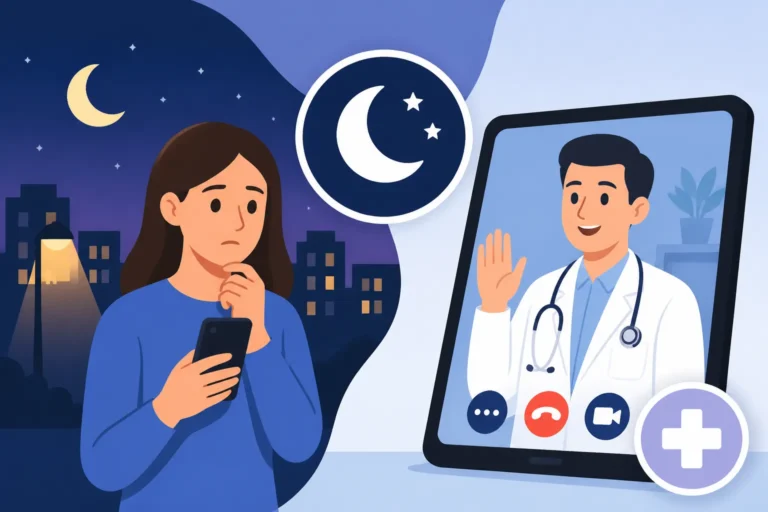
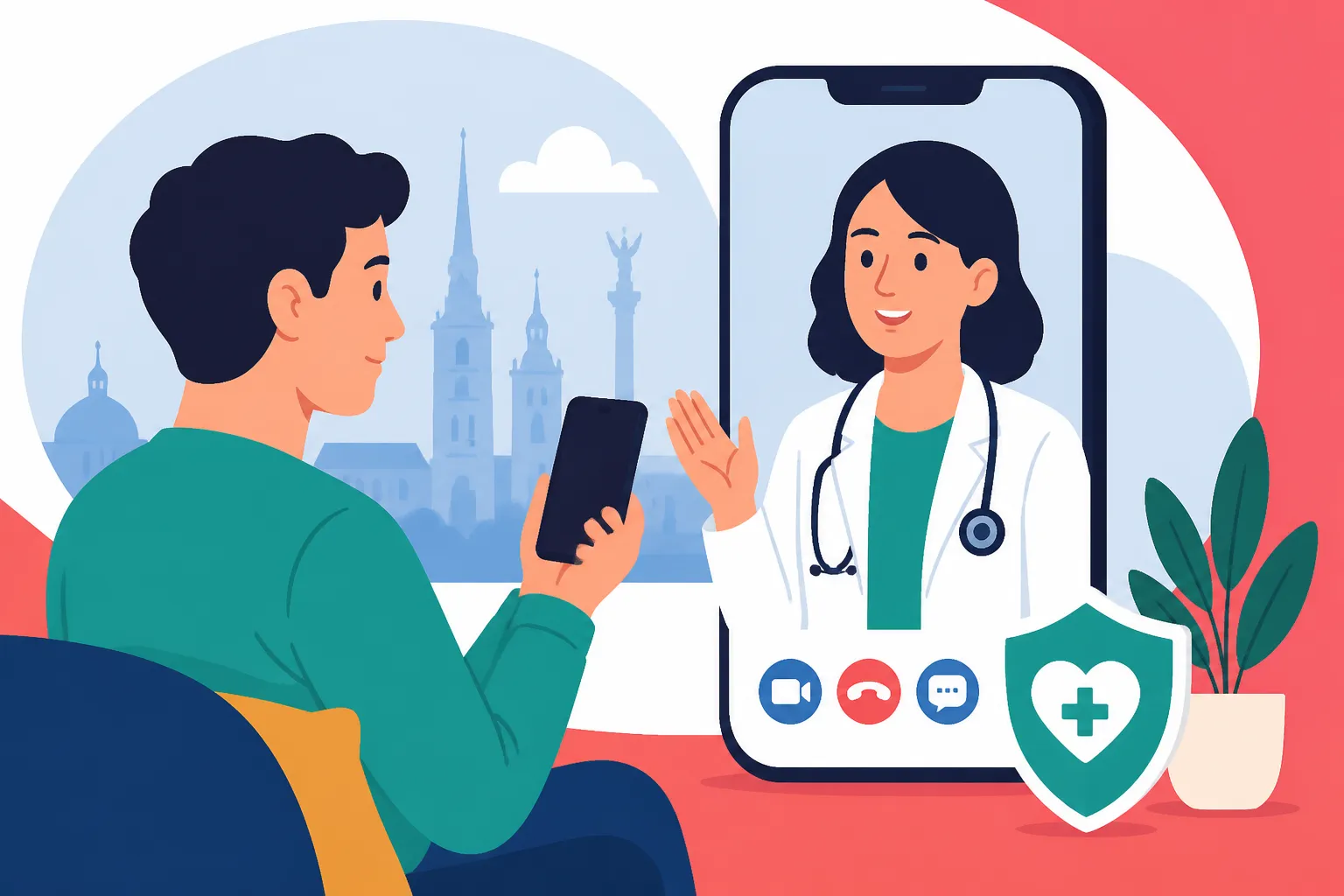
One of the most paralyzing moments of living in Poland is waking up with a fever, a racking cough, or a sudden allergic reaction and realizing you have no idea how to navigate a local clinic. Language barriers and the complexity of the PESEL system can make a simple doctor's visit feel like an administrative mountain. This guide explains how you can bypass the waiting room entirely by utilizing telemedicine services in Poland to secure prescriptions, sick notes, and specialist advice from the comfort of your home.
The Digital Shift in Polish Healthcare for Foreigners
For those of us who moved to Poland a decade ago, the idea of getting a prescription over the phone felt like a pipe dream. You had to physically show up, wait in a crowded przychodnia, and hope the receptionist understood your broken Polish. Thankfully, the system has undergone a massive digital transformation. Telemedicine is no longer just a "perk" for those with high-end corporate packages; it is a fundamental pillar of the Polish healthcare landscape.
The backbone of this entire system is the How to Set Up an Internetowe Konto Pacjenta (IKP) Patient Account. Without this digital patient portal, you are essentially flying blind. The IKP is where your entire medical history in Poland lives—every referral, every prescription, and every lab result. When you book a telemedicine appointment, the doctor will often use your PESEL number to access your records here. This digital integration is what makes Polish telemedicine surprisingly efficient compared to many other EU countries.
If you are a digital nomad or a freelancer who hasn't yet settled into the local NFZ system, you might feel left out. However, many expats utilize international providers like SafetyWing to bridge the gap. SafetyWing is particularly popular among the remote work crowd in cities like Warsaw and Krakow because it offers a level of flexibility that local public insurance sometimes lacks, especially when you need a quick virtual consultation without a Polish PESEL.
The Role of the PESEL Number in Virtual Care
You will quickly find that the PESEL number is the "skeleton key" to Polish life. In the context of telemedicine, it is used to verify your insurance status and to issue an Understanding the e-Recepta (E-Prescription) System in Poland. When you connect with a doctor via a video call or even a simple chat window, the first thing they will ask for is your PESEL.
If you are still waiting for your residence permit and don't have a PESEL yet, don't panic. You can still use private telemedicine platforms, though the process for issuing prescriptions might involve using your passport number instead. However, for a seamless experience, especially if you want to use the public system, How to Get Your PESEL Number and Why It Matters for Healthcare should be your top priority.
Why Expats Prefer Telemedicine
The most obvious reason is the language barrier. Many telemedicine platforms allow you to filter doctors by the languages they speak. Finding a How to Find an English-Speaking Doctor in Poland is significantly easier when you can browse a digital directory rather than calling local clinics one by one. Furthermore, telemedicine removes the geographical constraint; you could be living in a small village in Podlasie and still consult with a top-tier specialist in Warsaw.
Public vs Private Telemedicine Options
When you need a virtual appointment, you generally have two paths: the public National Health Fund (NFZ) or the private sector. Both have their merits, but they operate very differently. Understanding these nuances is key to getting the care you need without unnecessary stress.
Using Telemedicine via the NFZ
If you are legally employed or self-employed, you are likely paying into the NFZ. This entitles you to what is known as a teleportada. This is essentially a phone consultation with your The Expat Guide to Finding a Family Doctor (Lekarz Rodzinny) in Poland. During the pandemic, this became the default method of care, and it has remained a popular option for follow-up visits or simple requests like a prescription renewal.
The downside of the public system is the bureaucracy. To get a teleportada, you generally need to be registered at a specific przychodnia. If you haven't done this yet, you'll need to follow the steps in How to Choose and Register with a GP (Lekarz POZ) in Poland. Once registered, you call the clinic in the morning, and the doctor calls you back later that day. It's free, but the "booking" process is often conducted entirely in Polish over the phone.
Private Medical Subscriptions and Direct Paid Apps
Most expats in Poland's corporate sector are provided with private packages from companies like Medicover or LUX MED. These providers have highly sophisticated apps that allow you to book a video or phone consultation in minutes. If you don't have a corporate package, you can still buy an individual subscription. Understanding Private Medical Subscriptions (Medicover, LUX MED) in Poland covers whether these are worth the investment for your specific situation.
Beyond the big giants, there are also "on-demand" telemedicine apps like Dimedic, Receptomat, or ZnanyLekarz. These are fantastic for one-off issues. For example, if you have a recurring condition and just need a prescription, you can fill out a medical questionnaire, pay a fee (usually between 60 and 150 PLN), and receive an e-prescription via SMS within an hour. For expats who are between jobs or traveling, SafetyWing provides an excellent safety net, ensuring that you can access medical advice without worrying about the high costs of out-of-pocket private visits if an emergency arises.
Comparative Overview of Telemedicine Paths
| Feature | NFZ (Public) | Private Subscription (e.g., LUX MED) | On-Demand Apps (e.g., Dimedic) |
|---|---|---|---|
| Cost | Free (covered by contributions) | Monthly fee (approx. 100-300 PLN) | Per-visit fee (60-150 PLN) |
| Wait Time | Same day or next day | Minutes to hours | Usually within 1 hour |
| Language | Mostly Polish | High English availability | High English availability |
| PESEL Required? | Yes, strictly | Recommended, but passport works | Passport usually accepted |
| Best For | Chronic care, referrals | Routine checks, specialists | Urgent prescriptions, sick notes |
Navigating the E-Health Ecosystem: Prescriptions and Sick Notes
The true magic of Polish telemedicine lies in what happens after the call ends. Unlike some countries where you still need to pick up a paper slip, Poland has gone almost entirely paperless. This is a lifesaver when you are too sick to leave your bed.
Understanding the e-Recepta System
During your virtual consultation, if the doctor determines you need medication, they will issue an e-prescription. You won't get a piece of paper. Instead, you will receive a 4-digit code via SMS or email (if your IKP is set up correctly). You take this 4-digit code and your PESEL number to any Understanding the Polish Pharmacy (Apteka) System and Opening Hours. The pharmacist enters the data, and your medication appears on their screen.
This system is incredibly robust. I’ve personally used it while traveling within Poland; you can fill the prescription in any city, regardless of where the doctor is located. For expats, this removes the fear of losing a physical script. If you want to dive deeper into how this works, check out How Do I Fill an e-Recepta at a Pharmacy in Poland?.
Securing an L4 Sick Note Virtually
In Poland, if you miss work due to illness, you must provide a formal sick note known as an L4 (now officially called an e-ZLA). Employers generally do not accept a simple email saying "I'm sick." You need a doctor to validate it. The beauty of telemedicine is that doctors can issue these electronically.
When the doctor issues an e-ZLA during your call, it is automatically sent to the Social Insurance Institution (ZUS) and your employer's digital portal. You don't have to lift a finger. This is vital for maintaining your rights under Understanding Polish Employment Contracts and Worker Rights (2027). Be aware, however, that doctors are increasingly scrutinized regarding virtual sick notes, so they may ask for a video call to verify your symptoms rather than just a phone call. For a full breakdown of your rights, read Understanding Sick Leave (Zwolnienie Lekarskie L4) in Poland.
Referrals for Specialists (e-Skierowanie)
If your virtual GP thinks you need to see a cardiologist or a dermatologist, they will issue an How e-Skierowanie (E-Referrals) Work for Specialists in Poland. Just like the prescription, this is a digital code. You can then use this code to book a specialist visit through the NFZ or a private provider. Telemedicine is often the "gatekeeper" that allows you to start the process of How to Access Specialist Care Through the Polish Public System without needing to stand in a physical queue for an initial consultation.
Practical Advice for a Successful Virtual Visit
To make the most of your telemedicine experience in Poland, you need to be prepared. Virtual visits are often shorter than in-person ones, so efficiency is key.
Technical and Language Preparation
First, ensure you have a stable internet connection if using a video platform. Many private providers like Medicover have their own proprietary apps. If you are using the NFZ, it will almost certainly be a phone call. If your Polish is limited, have a few key phrases written down or a list of your symptoms in Polish (using a translation app). Most younger doctors in Poland speak excellent English, but the initial SMS or app interface might be in Polish.
Second, have your PESEL (or passport) and your current medications ready. The doctor will need to verify if any new prescription will interact with what you are already taking. If you are using an international insurance like SafetyWing, keep your policy number handy in case the doctor needs to provide specific documentation for a reimbursement claim later. SafetyWing's support is generally very helpful if you need to clarify what documentation is required for a claim following a virtual visit.
When to Skip Telemedicine and Go to a Clinic
Telemedicine is amazing, but it has limits. You cannot get a physical exam, a lung auscultation, or an abdominal palpation over a webcam. If you have a high fever that won't break, severe abdominal pain, or difficulty breathing, skip the app and head to the nearest Understanding Emergency Medical Care in Poland: What Every Expat Needs to Know.
Also, be aware that certain "strong" medications, such as some painkillers or psychiatric drugs, often cannot be prescribed via a first-time telemedicine visit due to strict Polish regulations aimed at preventing drug abuse. For these, an in-person visit is usually mandatory to establish a patient history. If you are unsure about the costs of these physical visits, The Cost of Healthcare in Poland: A Complete Breakdown for Foreigners (2026) provides a realistic look at private versus public pricing.
The Role of Telemedicine in Mental Health
One area where telemedicine has truly excelled in Poland is mental health. Finding an English-speaking psychiatrist or therapist is much easier online. Many expats find the anonymity and comfort of their own home allows for a better therapeutic experience. If you are struggling with the "expat blues" or the stress of relocation, How to Access Mental Health Services in Poland as an Expat is a great place to start looking for virtual support.
Important Disclaimer
The information provided in this guide is for informational purposes only and does not constitute professional medical or legal advice. While telemedicine is a highly effective tool in the Polish healthcare system, individual cases vary, and regulations regarding e-prescriptions and sick notes (L4) are subject to change by the Ministry of Health and ZUS. Always consult with a qualified healthcare professional for medical concerns. If you are experiencing a life-threatening emergency, call the European emergency number 112 or the Polish medical emergency number 999 immediately. Use of private insurance services like SafetyWing should be done in accordance with their specific policy terms and conditions.