How Do I Find a Dermatologist (Dermatolog) in Warsaw?
Finding yourself in Warsaw with a sudden skin flare-up, a mysterious rash, or a mole that looks a bit different than it did last month can be incredibly stressful, especially when you are trying to navigate a medical system in a language you haven't mastered yet. This guide explains exactly how to find a trusted dermatologist in the capital, whether you need a quick private consultation or want to navigate the public system without getting lost in the bureaucracy.
Understanding the Public vs Private Dermatology System in Warsaw
When you first move to Poland, the healthcare landscape can feel divided. On one hand, you have the National Health Fund (NFZ), which is the state-funded system. On the other, there is a thriving private sector. If you are struggling with a skin condition, your first decision is which path to take. From my experience living here, the path you choose depends entirely on your urgency, your budget, and how much Polish you speak.
In the public system, dermatology is considered specialized care. This means you cannot simply walk into a clinic and see a specialist. You usually need to see your primary care physician first. Understanding the Public vs Private Healthcare in Poland: Which Should Expats Choose? is essential here because the wait times for a public dermatologist in Warsaw can range from several weeks to several months depending on the clinic's location in districts like Mokotów or Śródmieście. While the service is "free" (covered by your social security contributions), the administrative hurdles can be a headache for someone who needs immediate relief from an itchy eczema patch.
The private system is where most expats end up. Warsaw is home to massive medical groups like LUX MED, Medicover, and Enel-med. These providers offer a more "Western" experience with English-speaking call centers and modern apps. If you are a digital nomad or between jobs and don't have NFZ coverage yet, having a plan like SafetyWing can provide a safety net for unexpected medical needs while you are settling into your new life in Poland. In the private sector, you can often get an appointment within 24 to 48 hours, which is a lifesaver if you are dealing with an acute allergic reaction or a painful infection.
The NFZ Route: Navigating the Referral Maze
If you choose the public route, the process starts with your family doctor (Lekarz POZ). You must book an appointment with them to get a "skierowanie," which is an official referral. Without this piece of paper—or the digital code for it—a public dermatologist will not see you unless it is a life-threatening emergency. Knowing How to Choose and Register with a GP (Lekarz POZ) in Poland is the prerequisite for this entire process. Once you have your referral, you have to find a "Przychodnia" (clinic) that has a contract with the NFZ.
One of the biggest frustrations for foreigners in the public system is the "limit" system. Each clinic has a specific number of patients they are allowed to see under NFZ funding. If you call a clinic in Wola and they say "no dates available this year," it might just mean their NFZ budget is tapped out, not that the doctor is actually busy every single day. You often have to call multiple clinics across the city to find one with an open slot. For those who are still waiting on their residency cards, it is vital to understand What Happens If I Get Sick Before My NFZ Registration Is Complete? to avoid massive out-of-pocket bills.
The Private Route: Convenience and English-Speaking Doctors
Private dermatology in Warsaw is exceptionally high-quality. Many doctors who work in prestigious university hospitals in the morning see private patients in the afternoon. If you don't have a corporate subscription through your employer, you can simply pay per visit. A standard consultation in 2026 typically costs between 250 PLN and 450 PLN. While this sounds expensive, the level of care and the ability to speak English often justify the cost for many expats.
If you are using a service like SafetyWing for your travel or international medical insurance, check if your specific plan covers specialist visits for new conditions. Most private clinics in Warsaw will provide you with a detailed invoice (faktura) that you can use for reimbursement. When booking privately, you don't need a referral. You can simply call a clinic like Lecznica Iberia or Carolina Medical Center and ask for the next available "Dermatolog." This speed is the primary reason the private sector is the "Hero" solution for the international community in Warsaw.
Step-by-Step Guide to Finding the Right Specialist
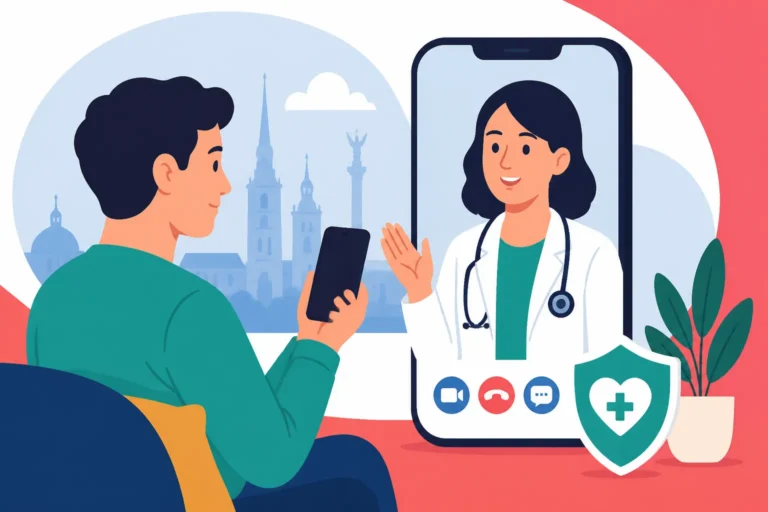
The most powerful tool in your arsenal for finding a doctor in Poland is a website called ZnanyLekarz. It is essentially the Yelp or TripAdvisor of the Polish medical world. You can filter by specialty (Dermatolog), city (Warszawa), and most importantly, by language. Many doctors list "English," "Spanish," or "German" on their profiles. I always recommend reading the reviews specifically from other foreigners, as they will often comment on the doctor's communication style and whether the reception staff speaks English.
When searching, be specific about your needs. Dermatology is a broad field. Some doctors focus on "Dermatologia estetyczna" (aesthetic dermatology like Botox or fillers), while others specialize in "Dermatologia kliniczna" (skin cancer, psoriasis, acne) or "Wenerologia" (STIs). In Warsaw, clinics in the Wilanów and Saska Kępa areas tend to have a higher density of English-speaking specialists, though they can also be slightly more expensive.
| Factor | Public (NFZ) | Private (Out-of-pocket/Insurance) |
|---|---|---|
| Referral Required | Yes (from a GP) | No |
| Wait Time | 2 weeks to 4 months | 1 to 3 days |
| Cost | Free (with insurance) | 250 – 450 PLN per visit |
| Language | Primarily Polish | English common |
| Prescriptions | e-Recepta (standard) | e-Recepta (standard) |
| Ease of Booking | Phone/In-person | Apps/Websites/Phone |
How to Use ZnanyLekarz Effectively
Once you are on the ZnanyLekarz site, look for the "Lekarze mówiący po angielsku" filter. Don't just settle for the first name that pops up. Look for doctors who have the "SuperDoctor" badge or a high volume of recent positive reviews. Once you find a candidate, you can usually book the appointment directly through the portal without having to speak to a receptionist on the phone—a huge plus if your Polish is still at the "Dzień dobry" level.
If you are a frequent traveler or a digital nomad, you might already have a global health policy. Brands like SafetyWing are often used by the remote work community in Warsaw because they offer flexibility that local plans don't. Just make sure to keep all your medical records from the visit. Most Warsaw dermatologists are very familiar with providing documentation for international insurance companies.
Identifying "English-Friendly" Clinics in Warsaw
Beyond the individual doctors on ZnanyLekarz, there are specific clinics known for catering to the international community. Medicover and LUX MED are the giants, but there are also boutique clinics like the Warsaw Medical Center or the American Clinic Warsaw. These places almost guarantee that the entire "patient journey"—from the front desk to the laboratory—can be handled in English. This reduces the "administrative anxiety" that many of us feel when we are sick in a foreign country.
If you are working for a Polish company, it is highly likely you have a Understanding Private Medical Subscriptions (Medicover, LUX MED) in Poland package. If so, use their dedicated apps. You can search for "Dermatolog" and filter by "English" directly in the app. However, be warned: even in the private systems, the most popular English-speaking dermatologists can have a week-long wait. If you have an emergency, it is better to call their emergency line rather than trying to book through the app.
What to Expect During the Consultation
When you arrive at a Polish dermatological clinic, the process is quite standardized. You will need to provide your PESEL number (if you have one) and a form of ID. If you are still figuring out the basics of the residency process, make sure you've read about How to Get Your PESEL Number and Why It Matters for Healthcare. Without a PESEL, the clinic can still treat you, but they will use your passport number for their records.
The dermatologist will likely perform a physical examination of the skin issue. If you have moles you are concerned about, ask for a "Dermatoskopia." This is a non-invasive scan using a specialized magnifying tool. In Warsaw’s private clinics, this is often included in the consultation fee, but in some places, it might be an extra 50-100 PLN charge. Always ask for a "zaświadczenie" (medical certificate) if you need to prove your visit to an employer or for insurance purposes.
Understanding the e-Recepta System
One of the most modern aspects of Polish healthcare is the electronic prescription system. After your visit, you won't usually get a handwritten piece of paper. Instead, the doctor will give you a 4-digit code, or you will receive it via SMS or email if you have an active Patient Account. You simply take this code and your PESEL number to any "Apteka" (pharmacy) in the city to pick up your medication.
I highly recommend Understanding the e-Recepta (E-Prescription) System in Poland before your first visit so you aren't confused when the doctor just hands you a sticky note with four numbers on it. If you are using international travel insurance like SafetyWing, remember that while they might cover the consultation, the cost of topical creams or antibiotics at the pharmacy is often a separate claim. Always keep your pharmacy receipts (paragon) and the prescription printout if the pharmacist gives you one.
Follow-ups and Specialized Procedures
If your condition requires a biopsy or a minor surgical procedure (like removing a suspicious mole), the dermatologist will usually schedule this for a separate visit. In Warsaw, many private clinics have their own "Gabinet zabiegowy" where these procedures are performed under local anesthesia. The cost for a mole removal usually ranges from 400 PLN to 800 PLN, which includes the histopathology report (testing the tissue for cancer).
If you need specialized diagnostics like an MRI or extensive blood work, the doctor will issue an "e-Skierowanie." To understand how these work in the broader system, check out How e-Skierowanie (E-Referrals) Work for Specialists in Poland. The results are typically uploaded directly to your online patient portal, which you can access via the mObywatel app or the IKP website.
Practical Tips for the Warsaw Climate
Many skin issues in Warsaw are actually caused by the environment. The city has notoriously "hard" water with high mineral content, which can strip the skin of its natural oils, leading to "Warsaw Itch" or dry, flaky patches. Additionally, the air quality during the winter months can be poor due to smog, which exacerbates conditions like acne and rosacea.
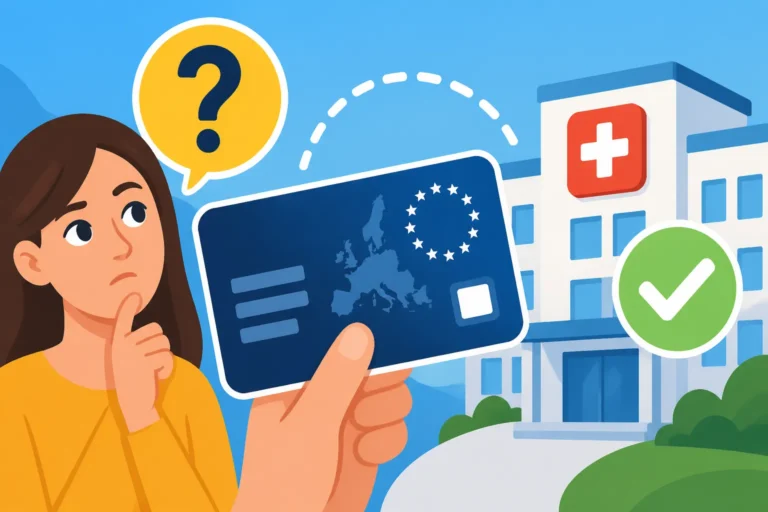
When you see your dermatologist, don't be surprised if they suggest changing your skincare routine to include more occlusive creams during the winter. They might also suggest installing a water filter on your shower head. If you are new to the city, navigating these small lifestyle changes is just as important as finding the right doctor. If you are an EU citizen, don't forget to look into How to Use Your EHIC (EKUZ) Card in Poland as an EU Citizen for any urgent care needs that might arise before you find a permanent dermatologist.
Finally, always keep a record of your previous treatments from your home country. Polish dermatologists are very thorough, and having a list of past medications (even if they were under different brand names) helps them find the Polish equivalent quickly. If you are covered by a plan like SafetyWing, they can sometimes assist in finding a local provider, but usually, the ZnanyLekarz route is faster for a simple skin consultation.
Disclaimer
This article is for informational purposes only and does not constitute professional medical advice, diagnosis, or treatment. Always seek the advice of a qualified healthcare provider in Poland with any questions regarding a medical condition. The healthcare system and costs described are subject to change, and specific insurance coverage depends on your individual policy.