How to Set Up Water, Gas and Heating in Poland
Oh, the joys of moving to a new country! Just when you think you've cracked the code on finding an apartment and wrestling with your PESEL, a whole new beast emerges: setting up those crucial utilities like water, gas, and heating. Believe me, I've been there, staring blankly at Polish utility bills, convinced they were written in ancient hieroglyphs. It’s a common frustration, and one that often leaves even the most seasoned expats feeling a bit lost. This guide is here to untangle that knot, walking you through the practical steps and common pitfalls of getting your home connected and comfortable in Poland.
Navigating the Utility Maze: An Expat's First Steps
Moving to Poland often means a crash course in its unique administrative landscape, and utilities are no exception. Unlike some countries where a single company might handle multiple services, Poland often has separate entities for water, gas, and heating, sometimes even differing by municipality or building type. This can feel like a game of whack-a-mole, trying to figure out which company to contact for what, and often, the information is only available in Polish.
Understanding Polish Utility Providers and Contracts
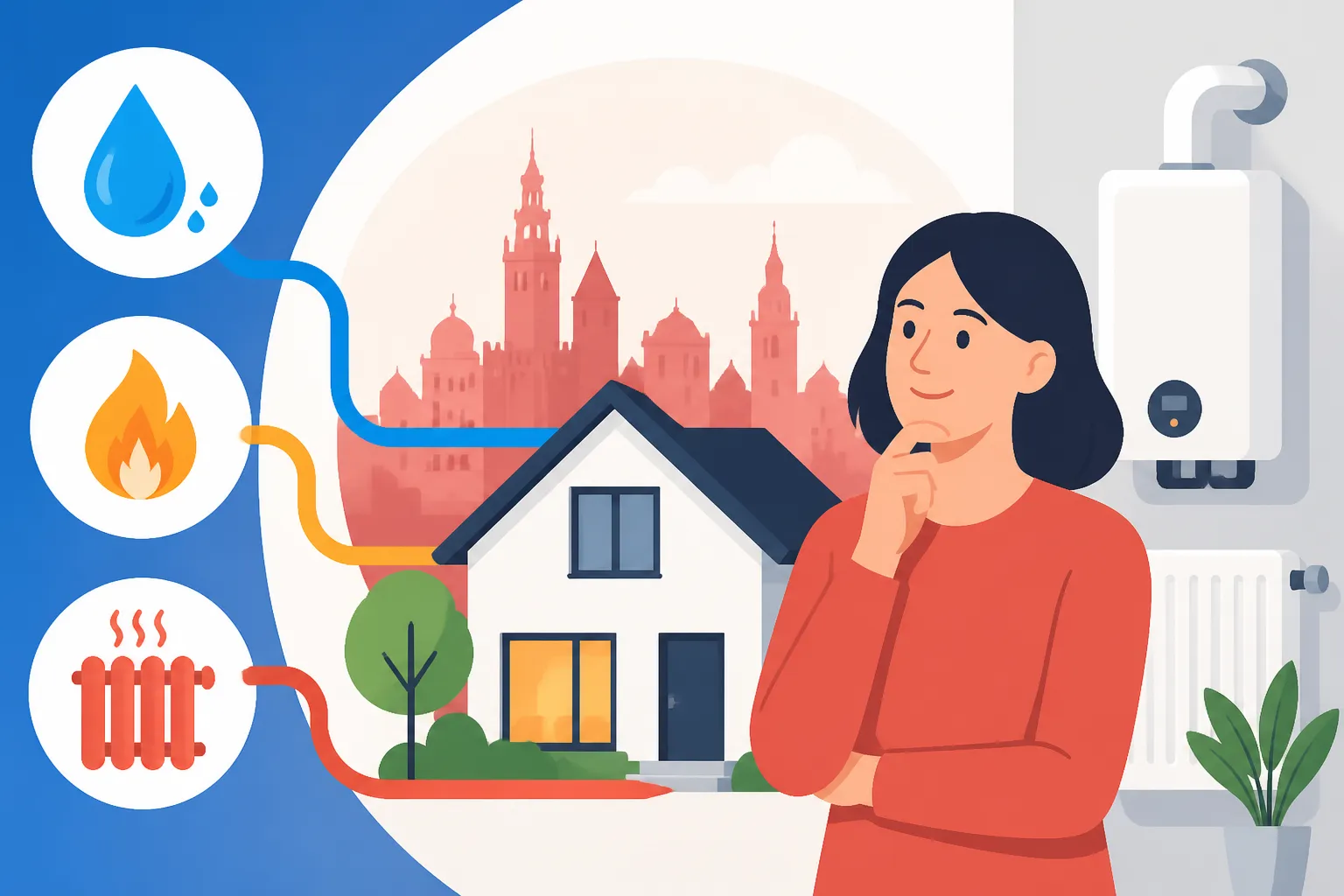
When you first get the keys to your new Polish home, whether it’s a rented apartment in Warsaw or a house you've purchased in a smaller town, one of the first things you need to ascertain is who provides which utility. For water, it’s typically a municipal company, like MPWiK (Miejska Przedsiębiorstwo Wodociągów i Kanalizacji) in larger cities, or a local equivalent. Gas is almost universally provided by PGNiG (Polskie Górnictwo Naftowe i Gazownictwo), which is the dominant player nationwide. Heating is where it gets a little trickier: it could be district heating managed by your building administrator or a separate heating plant, or it could be individual heating (gas, electric) where you deal directly with the gas or electricity provider.
The challenge really begins when you try to transfer existing contracts or set up new ones. The language barrier is often the biggest hurdle, as customer service representatives may not always be fluent in English. Documentation requirements can also feel a bit opaque, with specific forms and stamps needed that might not be immediately obvious. It's a system that, while logical to locals, often feels like a series of unexpected tests for foreigners. Having a Polish-speaking friend or a helpful landlord can be an absolute godsend during this initial phase. Some expats even opt for relocation services, like those offered by Sirelo, to help navigate these initial administrative tasks, which can save a lot of headaches.
Essential Documents and Information You'll Need
Before you even think about calling a utility company, make sure you have your ducks in a row with the fundamental documents. These are your golden tickets to getting anything done in Poland, especially when it comes to official matters.
The most crucial document you'll need is your PESEL number. This national identification number is your key to almost all administrative processes in Poland, including utility contracts. If you don't have one yet, it should be a top priority to obtain it. You can learn more about how to get it by checking out our guide on How to Get a PESEL and NIP Number in Poland. Beyond your PESEL, you'll also typically need:
- Proof of Identity: Your passport or residence card.
- Proof of Residence: This will most often be your rental agreement (umowa najmu) or a property deed if you've purchased the property. A signed rental contract, especially an official one like an Umowa Najmu or a najem okazjonalny, is vital.
- Previous Meter Readings: This is absolutely essential to ensure you're not paying for someone else's past consumption. Your landlord or the previous owner should provide these. Take photos of the meters yourself on moving day to have your own record!
- Contact Information: Your Polish phone number and email address. Sometimes, utility companies might still send physical mail, so make sure your mailing address is correct.
It's always a good idea to have photocopies of everything, and sometimes even digital scans readily available on your phone or in an easily accessible cloud storage, as various offices might ask for them. Preparing these documents in advance can significantly speed up the process and reduce potential frustrations.
Setting Up Your Water Supply in Poland
Water supply in Poland is generally reliable and safe to drink, though many people opt for filtered or bottled water for taste preferences. The setup process is usually straightforward once you know which local entity is responsible.
Connecting to the Municipal Water Network
In most Polish cities and towns, the water supply and sewage services are managed by a municipal water and sewage company. For instance, if you're in Krakow, you'll be dealing with Wodociągi Miasta Krakowa, and in Wrocław, it's MPWiK Wrocław. These companies are responsible for the infrastructure and billing.
If you're renting an apartment, chances are high that your landlord already has an active water contract, and your water usage will be billed as part of your czynsz (administration fees). This is often the easiest scenario for expats, as you don't have to deal directly with the water company. Your landlord or the building administrator will typically read your water meters (often twice a year or quarterly) and then settle with the water provider, passing the costs onto you. However, if you're buying property or renting a house directly where utilities aren't included in czynsz, you will need to sign a direct contract.
To do this, you'll need to contact your local water company. You can usually find their details by searching online for "Wodociągi [Your City/Town Name]" or "MPWiK [Your City/Town Name]". The process typically involves:
- Obtaining Meter Readings: Record the current meter readings for both hot and cold water on your move-in day.
- Visiting the Office or Online Portal: Many companies now have online portals where you can initiate the process, but often a visit to their customer service office (Biuro Obsługi Klienta) is still required, especially for new contracts. Don't forget your PESEL and proof of residence!
- Signing the Contract: You'll sign an agreement for water supply and sewage disposal. They'll typically ask for bank details for direct debit payments, which is usually the most convenient option.
- Providing Initial Readings: Submit your move-in meter readings.
It’s good practice to ask for an English-speaking assistant if available, or bring a Polish speaker along to ensure everything is understood.
Understanding Water Bills and Usage
Polish water bills can be a bit confusing, especially if you're not used to how they itemize charges. Typically, your bill will include charges for:
- Water Consumption (Woda): This is based on the actual volume of water you use, measured in cubic meters (m³).
- Sewage Disposal (Ścieki): You're charged for the volume of wastewater you produce, which is usually assumed to be the same as your water consumption.
- Fixed Fees (Opłata Stała): Some companies charge a small fixed monthly fee for meter maintenance or network access.
For rented apartments, your water charges are often bundled into your monthly czynsz payment, which is then managed by your building administrator (spółdzielnia or wspólnota mieszkaniowa). They will read your meters periodically, usually every few months, and adjust your payments. This means you might pay a fixed advance (zaliczka) each month, and then receive a settlement bill (rozliczenie) annually or semi-annually, where you either get a refund for overpayment or owe extra for underpayment. Always keep an eye on your readings and the rozliczenie to ensure accuracy. If you're managing a direct contract, you'll receive separate bills from the water company, usually monthly or bi-monthly, and will be responsible for submitting meter readings yourself through their online portal or by phone.
Getting Gas Connected for Cooking and Heating
Gas is a fundamental utility for many homes in Poland, primarily used for cooking and often for individual heating systems. The main player in the gas market is PGNiG, making the process relatively consistent across the country.
Activating Your Gas Supply: The Process
If your apartment or house has a gas connection, you'll almost certainly be dealing with PGNiG. The process for activating or transferring a gas contract can range from incredibly simple to a bureaucratic marathon, depending on whether the gas was already active and who the previous occupant was.
- Check for an Existing Contract: First, ask your landlord or the previous owner if there's an active gas contract. If there is, and you're the new tenant, they might facilitate a transfer of the contract into your name (przepisanie umowy). This is often the quickest way.
- Contact PGNiG: You can contact PGNiG through their website, by phone, or by visiting one of their customer service points (Biuro Obsługi Klienta). Their website often has a section for new customers or contract transfers. Again, have your PESEL, proof of residence, and initial meter readings ready.
- Application and Safety Check: If you're setting up a brand-new connection or reactivating a long-dormant one, a technical inspection of your gas installation might be required for safety. This is carried out by a certified technician appointed by PGNiG. Do NOT skip this step; gas safety is paramount.
- Signing the Agreement: Once the safety check is clear (if required), you’ll sign the contract. PGNiG will also set up an advance payment schedule and payment method.
It's common for PGNiG to provide an estimate of your annual consumption and then divide that into monthly zaliczki (advance payments). Every six months or annually, they will send a rozliczenie (settlement) based on actual meter readings.
Managing Gas Consumption and Bills
Managing your gas consumption effectively can save you a fair bit of money, especially if you're using it for heating. Gas meters are typically located either inside your apartment, in a common utility cupboard, or occasionally outside the building. They usually display the reading in cubic meters (m³).
Reading Your Gas Meter:
You’ll be asked to submit meter readings periodically. PGNiG usually sends reminders, often via email or SMS, with instructions on how to submit them. This can usually be done:
- Online: Through your individual customer account on the PGNiG website.
- By Phone: Through an automated service or a customer service representative.
- In Person: At a customer service point.
Billing Cycles and Payment Methods:
Gas bills (faktura) from PGNiG typically arrive monthly or bi-monthly. As mentioned, these are often advance payments based on estimated usage, with a full settlement once a year or every six months. You can pay your bills via:
- Bank Transfer (Przelew): This is the most common method. Each bill will have a unique bank account number for your payment. This is why having a Polish bank account is super helpful, as discussed in The Expat Guide to Opening a Bank Account in Poland.
- Direct Debit (Polecenie Zapłaty): You can set this up directly with PGNiG, authorizing them to automatically deduct payments from your bank account. Highly recommended for convenience.
- Online Banking Apps: Many Polish banks integrate utility payments directly into their mobile apps, making it very easy.
Remember to keep track of your payments and submitted meter readings. This helps you understand your consumption patterns and verify the accuracy of your rozliczenie when it arrives.
Heating Your Home in Poland: Central vs. Individual
Staying warm in Poland, especially during the long, chilly winters, is not just a comfort – it's a necessity. The heating system in your home will significantly impact your monthly budget and your comfort levels.
District Heating (Ciepło Systemowe): What to Expect
In most apartment buildings in Polish cities, you'll encounter ciepło systemowe or district heating. This means your building is connected to a central heating network that supplies hot water for heating radiators and sometimes tap water. This system is often managed by the building's administrator (spółdzielnia or wspólnota mieszkaniowa), and the costs are almost always included as a component of your monthly czynsz.
How it works:
The building administrator pays the central heating plant (e.g., Veolia or your municipal heating company) for the entire building's consumption. They then distribute this cost among residents, typically based on the size of your apartment and sometimes using individual heat meters on radiators, if installed.
Pros:
- Convenience: You don't have to worry about maintaining a boiler or ordering fuel. It's simply "on" when the heating season begins (usually October/November) and "off" when it ends (April/May).
- Predictable Costs (mostly): The cost is typically a stable part of your czynsz, though there will be annual settlements based on actual building-wide consumption and individual usage.
Cons:
- Lack of Direct Control: You usually can't turn your heating on or off whenever you like outside the official heating season. This can be frustrating during unseasonably cold autumn or spring days.
- Indirect Billing: It can be harder to understand exactly what you're paying for, as it's bundled into your czynsz. The annual rozliczenie can sometimes bring unexpected extra charges if the previous year's advance payments were too low for the actual consumption.
It’s crucial to clarify with your landlord or building administrator how district heating is billed and how adjustments are made based on your usage. Many buildings are retrofitting with individual heat allocation meters on radiators to make billing fairer, but this isn't universal.
Individual Heating Solutions (Gas, Electric, Other)
If you're living in a house, a modern apartment building, or an older apartment not connected to district heating, you'll likely have an individual heating system. These usually offer more control but also come with more responsibility.
Gas Boilers:
The most common individual heating solution in Poland is a gas-fired boiler, often a combination boiler that provides both heating and hot water.
- Setup/Transfer: You'll need an active PGNiG gas contract, as discussed earlier. If you're buying a property, ensure the boiler has had its annual inspection. If renting, your landlord is responsible for maintenance.
- Control: You have full control over when your heating is on, the temperature, and often programming schedules.
- Costs: Your heating costs will be directly linked to your gas consumption, making it essential to insulate your home well and use heating efficiently. This gives you more control over your spending compared to district heating.
- Maintenance: Gas boilers require annual inspections for safety and efficiency. Ensure these are performed by certified technicians.
Electric Heating:
Less common for primary heating due to higher running costs, electric heating might be found in smaller, modern apartments or as a supplementary source.
- Types: This can range from electric radiators to underfloor heating.
- Costs: Electricity tariffs in Poland can make electric heating quite expensive, especially for larger spaces or during prolonged cold spells. It’s worth checking your electricity provider – you might even want to ensure you're on a suitable tariff for higher consumption. This might be something to look at after you've set up your main electricity supply, as discussed in How to Set Up Electricity in Your Polish Home.
- Control: Offers excellent control and flexibility.
Other Heating Options:
While less common for expats in urban areas, some older houses or properties in rural areas might use solid fuels like coal or wood. These require significant manual effort, storage space, and present environmental considerations. For most expats, modern gas or district heating systems are the norm.
Dealing with Utility Bills and Payments
Once your utilities are up and running, the next challenge is understanding and managing your monthly bills. Polish utility bills, like many official documents, can be dense and confusing at first glance, but with a bit of practice, you'll get the hang of them.
Decoding Your Polish Utility Bills
Polish utility bills (faktura) will usually arrive by post, or more commonly these days, via email or through your online customer portal. They typically contain a lot of information, but here are the key sections to look for:
- Dostawca (Provider): The name of the utility company (e.g., PGNiG for gas, MPWiK for water).
- Numer Klienta (Customer Number): Your unique identification number with the provider. Keep this handy for any communication.
- Numer Faktury (Invoice Number): The unique identifier for that specific bill.
- Okres Rozliczeniowy (Billing Period): The dates covered by the bill.
- Stan Licznika (Meter Reading):
- Poprzedni (Previous) and Aktualny (Current) readings.
- Różnica (Difference) or Zużycie (Consumption) – this is your usage in m³ or kWh.
- Taryfa (Tariff): The specific rate plan you are on.
- Kwota do Zapłaty (Amount Due): The total amount you need to pay.
- Termin Płatności (Payment Due Date): The deadline for payment.
- Numer Rachunku Bankowego (Bank Account Number): The specific account number for your payment. This will often be a unique individual account number linked to your customer number.
Understanding Czynsz Components:
For those living in apartments with district heating and water bundled into their czynsz, your monthly payment to the building administrator will include:
- Opłaty eksploatacyjne: Operating costs for the building.
- Fundusz remontowy: Contribution to the building’s renovation fund.
- Zaliczki na ogrzewanie: Advance payments for heating.
- Zaliczki na wodę i ścieki: Advance payments for water and sewage.
- Opłata za wywóz śmieci: Waste collection fees.
You will typically receive a detailed rozliczenie (settlement) once or twice a year, outlining your actual consumption against your advance payments for heating and water. This is when you'll either pay extra or receive a credit. Keep an eye on these, as unexpected large charges can appear if your advance payments were set too low or your usage significantly increased.
Payment Methods and Online Portals
Paying your bills in Poland is usually quite efficient, especially with online banking. Most utility providers have their own online customer portals which are incredibly useful.
-
Online Customer Portals (Internetowe Biuro Obsługi Klienta – iBOK):
- Once you sign a contract, you can usually register for an online account.
- These portals allow you to:
- View your bills (faktury).
- Submit meter readings (odczyt licznika).
- Track your consumption history.
- Change contact details.
- Sometimes even make payments directly.
- Having a Polish SIM card is helpful for verification, especially with brands like Airalo which provide easy eSIM options for initial connectivity.
-
Bank Transfers (Przelew):
- This is the most common method. Every bill will have a unique bank account number for your payment.
- You can set up a przelew through your Polish online banking system. Ensure you enter the correct amount, recipient, and invoice number in the payment title (tytuł przelewu) so it's correctly allocated.
-
Direct Debit (Polecenie Zapłaty):
- Many utility companies offer the option to set up direct debits, where payments are automatically deducted from your bank account on the due date. This is the most hassle-free option once set up, ensuring you never miss a payment. You typically set this up with the utility company, not directly through your bank initially.
-
Traditional Methods:
- While less common for expats, you can also pay bills at post offices (Poczta Polska) or designated payment points (e.g., in some supermarkets) using a printed bill. However, a small fee is usually charged for this service.
Automating your payments through direct debit or setting up recurring bank transfers is highly recommended to avoid late fees and the stress of remembering deadlines.
Troubleshooting and Common Expat Challenges
Despite your best efforts, sometimes things just don't go smoothly. Language barriers, unexpected issues, and the quirks of Polish bureaucracy can make utility problems feel disproportionately stressful.
Language Barriers and Where to Get Help
The biggest hurdle for many expats when dealing with utilities in Poland is, undoubtedly, the language. While customer service is improving, especially in larger cities, you can't always guarantee an English-speaking representative.
- Bring a Polish Speaker: This is the golden rule. If you have a Polish friend, colleague, or even a landlord who is willing to help, involve them in any phone calls or office visits.
- Translation Apps: Google Translate or DeepL can be invaluable for translating documents or trying to communicate basic points, though they struggle with nuance in official conversations.
- Expat Groups and Forums: Online expat communities (e.g., on Facebook) are fantastic resources. You can often find advice, shared experiences, and even recommendations for English-speaking service providers. Someone might have encountered the exact same issue and can guide you.
- Relocation Services: For those overwhelmed, a professional relocation service can literally be a lifesaver. Companies like Sirelo often provide services that include utility setup and administration, bridging the language gap and handling the paperwork on your behalf. This can be a worthwhile investment if you value your time and peace of mind.
- Online Resources: Many utility companies now have at least some basic information in English on their websites. Look for "EN" or a British flag icon.
Don't be afraid to ask for help. Many Poles are incredibly kind and willing to assist, even if it's just for a quick translation of a document.
Moving Out: Disconnecting Utilities and Finalizing Bills
Just as setting up utilities is important when you move in, properly closing them down when you leave is crucial to avoid ongoing charges or future complications.
-
Notify Providers:
- Contact each utility provider (water, gas, electricity, internet) a few weeks before your departure date.
- Inform them of your planned move-out date and request a final meter reading.
- If you had a direct contract, you will need to formally terminate it (wypowiedzenie umowy). Sometimes, you can transfer the contract directly to the new tenant or owner, which simplifies things for all parties.
-
Final Meter Readings:
- On your absolute last day in the property, take final meter readings for gas, water, and electricity. Take photos with a timestamp for your records.
- Submit these readings to the respective companies as instructed (online portal, phone, in-person).
-
Final Settlement (Rozliczenie Końcowe):
- The utility companies will issue a final bill based on your actual consumption up to the move-out date.
- Ensure you provide a forwarding address (even abroad) or an email address where they can send the final bill and any potential refund.
- Settle any outstanding balance promptly. If you've overpaid your advance payments, they should issue a refund to your bank account. Make sure to provide your bank details for this.
- If you're leaving Poland entirely, consider keeping your Polish bank account open for a little while to handle these final transactions, or ensure you have a way to transfer funds internationally, which you can learn about in How to Transfer Money Internationally from a Polish Account.
-
Get Confirmation:
- Whenever possible, obtain written confirmation (even an email) that your contract has been terminated and your final bill settled. This documentation can be invaluable if any disputes arise later.
Properly closing your utility accounts is a key part of your exit strategy from a Polish property and ensures you leave with a clean slate.
| Utility Type | Primary Provider (Examples) | Typical Billing Cycle | Payment Method | Expat-Specific Challenge |
|---|---|---|---|---|
| Water | MPWiK (municipal) | Monthly/Bi-monthly or in Czynsz | Bank Transfer, Direct Debit | Bundled into czynsz, meter readings confusion |
| Gas | PGNiG | Monthly/Bi-monthly (advances) | Bank Transfer, Direct Debit | Safety inspections, contract transfer |
| District Heating | Building Admin/Heating Plant | Monthly (in Czynsz) | Bank Transfer (to Admin) | Lack of direct control, annual settlements |
| Individual Gas Heating | PGNiG (gas boiler) | Monthly/Bi-monthly (advances) | Bank Transfer, Direct Debit | Gas consumption for heating costs |
| Electricity | PGE, Tauron, Enea, Energa | Monthly/Bi-monthly (advances) | Bank Transfer, Direct Debit | Separate guide needed for full details |
Navigating the world of Polish utilities might seem daunting at first, but with patience, the right documents, and perhaps a little help from a Polish friend or an online resource, you'll soon have your home running smoothly. Remember, every expat goes through this, and you're not alone in the struggle!
Disclaimer
The information provided in this guide is intended for general informational purposes only and does not constitute legal, financial, or professional advice. While we strive to keep the information up-to-date and accurate, utility procedures, regulations, and costs in Poland can change frequently. It is always recommended to consult official sources, relevant utility providers, or professional advisors for the most current and specific information pertaining to your individual circumstances. We do not assume any liability for actions taken based on the information contained herein.