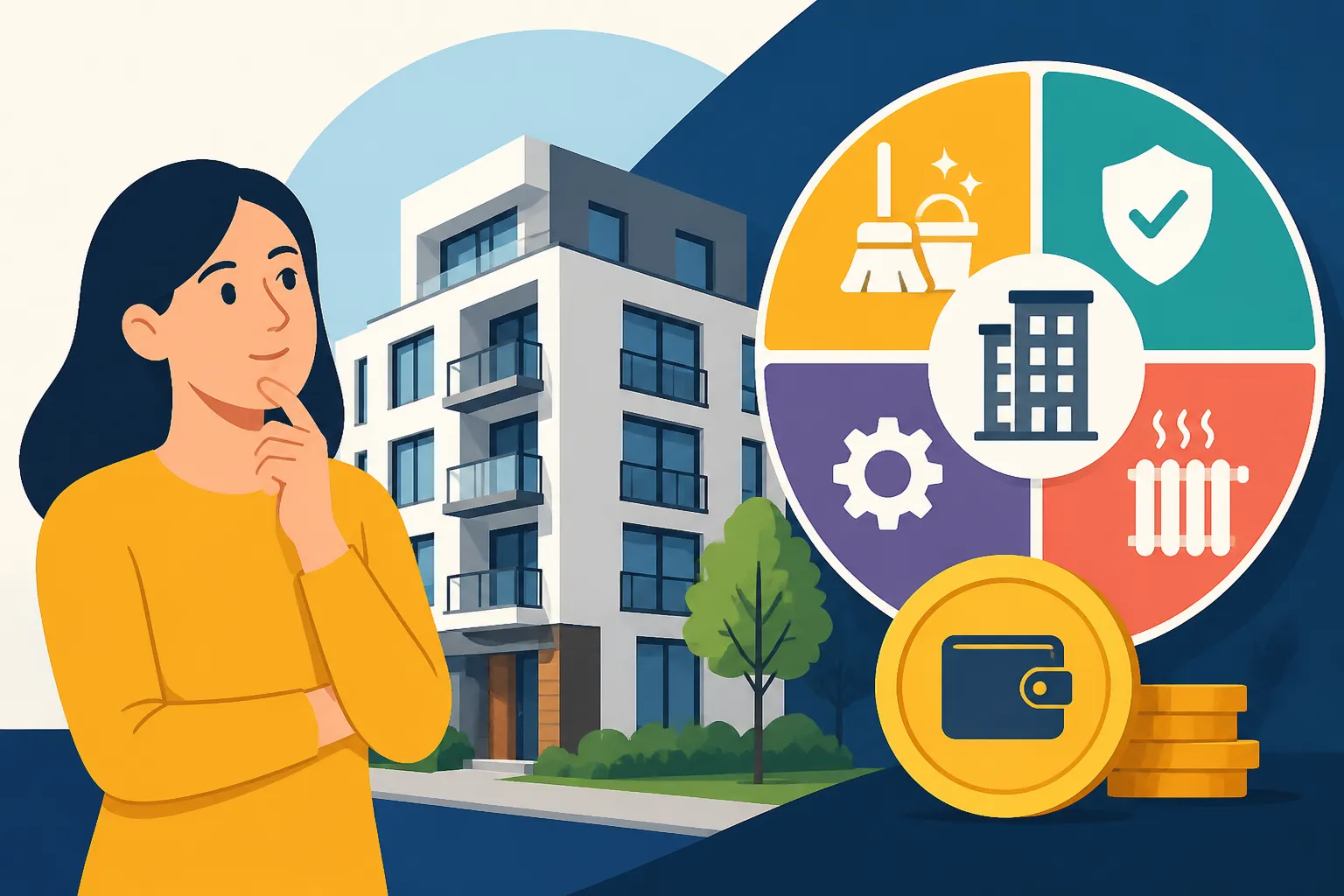
Understanding Building and Administration Fees (Czynsz) in Poland
One of the most perplexing aspects of living in Poland, especially for newcomers, is the concept of czynsz. You sign your rental agreement, thinking you've settled on a price, only to find a whole host of additional "fees" that seem to change with the wind. It's enough to make you tear your hair out, feeling like you're constantly paying more than you initially agreed upon. This guide is here to unravel the mystery of czynsz, helping you understand exactly what these building and administration fees cover, whether you're renting or an aspiring homeowner, and how to navigate them without constant surprise.
What Exactly Is Czynsz? Deconstructing the Polish "Rent" Puzzle
Ah, czynsz. It's one of those Polish words that can cause immediate confusion for expats, often leading to misunderstandings and unexpected costs. In many countries, "rent" is a single, all-encompassing figure. You pay it, and that's usually that, apart from perhaps your own personal utilities. But in Poland, czynsz is a beast of a different color. It's not your basic rent. Think of it as a mandatory, recurring payment that covers a wide array of costs associated with maintaining the building and its common areas, as well as often acting as an advance payment for certain utilities directly tied to your apartment. It’s a collective contribution to the smooth operation and upkeep of your living environment, and it's a fundamental part of the cost of living here.
For years, I've seen fellow expats stumble over this. They’ll proudly tell you their "rent" is, say, 2,500 PLN, only to later discover they're shelling out another 700-1000 PLN or more each month for czynsz. It’s a significant chunk of change that absolutely needs to be factored into your budget from day one. This isn't just about communal cleaning or basic administrative tasks; it’s a robust system designed to ensure everything from heating to future major repairs is accounted for. Failing to grasp its scope can lead to severe budget shocks and uncomfortable conversations with your landlord or building administration.
Beyond Just Basic Rent: What Czynsz Covers
The biggest misconception is that czynsz is just a fancy name for part of your rent. It’s not. Your actual "rent" (often called odstępne in rental agreements, though many just use czynsz informally to mean the total monthly outgoing) is what you pay to the landlord for the right to use their specific apartment. Czynsz, on the other hand, is generally paid to the building community (Wspólnota Mieszkaniowa) or housing cooperative (Spółdzielnia Mieszkaniowa) by the property owner, and then, if you're renting, your landlord passes these costs onto you. Sometimes, landlords will include a fixed czynsz amount in your overall rent payment, but more often, it's presented as a separate, variable cost.
What does it cover? Well, it’s a rather extensive list. This usually includes fees for the administration of the building, maintenance of common areas like stairwells, elevators, and gardens, waste collection, cold water, sewage, and heating. Yes, heating! That can be a big one, especially in Polish winters. There's also usually a contribution to a fundusz remontowy, or renovation fund, which is crucial for the long-term health of the building. Think new roofs, facade repairs, or upgrading the heating system. These aren't just minor bills; they are essential for the structural and operational integrity of the entire complex.
The Legal Framework and Your Rental Agreement (Umowa Najmu)
Understanding czynsz isn't just about the money; it's also about understanding the legalities. When you sign a rental contract here, often called an How to Sign a Rental Contract (Umowa Najmu) in Poland your landlord will typically outline how czynsz is handled. It’s absolutely critical that you pay close attention to this section. Sometimes, the landlord will stipulate a fixed monthly czynsz amount. This is often an estimate, and it’s common for an annual reconciliation to occur, where you either receive a refund for overpayment or are asked to pay extra for underpayment. Other times, the agreement might state that you are responsible for paying the exact czynsz amount charged by the building administration, which can fluctuate.
Polish law dictates certain responsibilities for both landlords and tenants, and this extends to how these fees are managed. While you, as a tenant, are generally responsible for covering the operational costs of your usage, the primary legal obligation to the housing community or cooperative lies with the property owner. This means your landlord is the one who ultimately has to pay the czynsz to the Wspólnota or Spółdzielnia, even if you, the tenant, fall behind. This distinction is vital because it explains why landlords are often very particular about including czynsz payments in your monthly outgoing. It's their responsibility that you are essentially fronting for them, or directly reimbursing them for. Always ensure your Understanding Tenant and Landlord Rights in Poland are clearly laid out regarding czynsz in your umowa najmu.
Components of Czynsz: Breaking Down the Costs
Alright, let's peel back the layers of czynsz and really dig into what you're paying for. It's not just a single, nebulous charge. Instead, it's a collection of individual fees and advance payments, each serving a specific purpose. Understanding these distinct components will not only empower you to better manage your finances but also help you challenge any discrepancies or negotiate more effectively with your landlord. When you get that monthly statement (or the annual reconciliation), you won't just see a big number; you'll see a breakdown, and knowing what each line item means is incredibly important.
It's common for expats to feel overwhelmed by the sheer number of charges. I remember staring at my first czynsz statement, a full page of Polish terms I barely understood, wondering if I was being swindled. But once you break it down, it becomes much clearer. The key is recognizing that these aren't arbitrary fees; they're the engine that keeps the entire building running, clean, warm, and well-maintained for years to come.
Administration Fees (Opłaty Administracyjne): The Building's Running Costs
These are the fundamental, unavoidable costs associated with the day-to-day operation and management of the building and its common property. Think of them as the overhead expenses for running a mini-community. This category typically includes fees for the building administrator or management company, who handles everything from collecting payments to organizing maintenance, dealing with repairs, and ensuring legal compliance. It's rarely a 'free' service, and good administration can significantly impact your living experience.
Beyond the administrator's salary, opłaty administracyjne cover essentials like cleaning services for stairwells, corridors, and other common areas. Nobody wants to live in a dirty building, right? So, this ensures that the shared spaces are tidy and presentable. Then there's electricity for common areas – lighting in the hallways, operating the elevator, security systems, and exterior lighting. Gardening and landscaping for shared green spaces also fall under this, ensuring the grounds look nice and are well-kept. Lastly, insurance for the building itself is a critical component, protecting against unforeseen damages like fire or flood. These are collective costs that everyone benefits from, and everyone contributes to.
Utility Advances (Zaliczki na Media): Estimating Your Usage
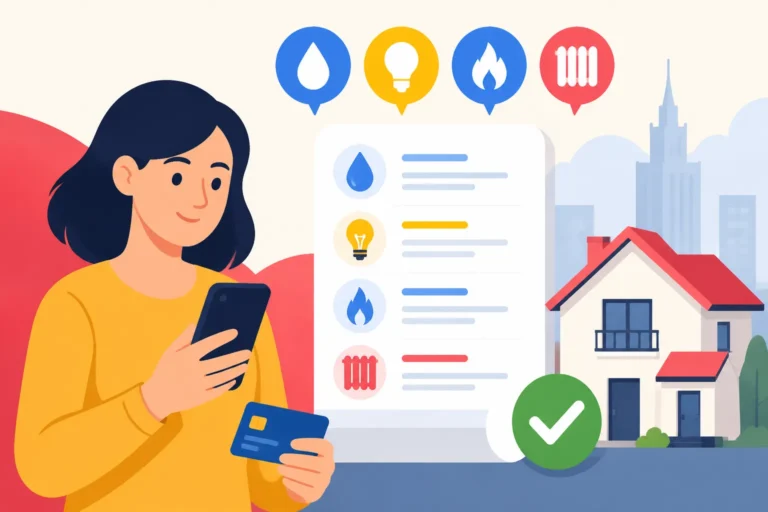
This is perhaps the most variable and often misunderstood part of czynsz. Zaliczki na media are advance payments for utilities that are often centrally provided to the building, but whose usage is specific to your apartment. The most common utilities covered here are heating (especially central heating), cold water, and sewage. Sometimes, waste collection (śmieci) is also included here, although it can occasionally be a separate municipal bill. The crucial thing to remember is that these are advances or estimates, not final bills.
The building administration or landlord calculates these advances based on historical usage for your apartment or a general estimate for similar-sized units. For example, if your building has central heating, they'll estimate your consumption. Same for cold water, which is usually metered in your apartment. You pay this estimated amount monthly alongside the other czynsz components. Then, typically once a year (or sometimes biannually), the actual consumption is reconciled against your advance payments. If you used less than you paid for, you get a refund. If you used more, you'll owe the difference. This is why knowing your estimated consumption and monitoring it yourself is vital. You can set up your How to Set Up Electricity in Your Polish Home and How to Set Up Water, Gas and Heating in Poland directly, but often czynsz will include at least some of these as advances.
Repair and Renovation Fund (Fundusz Remontowy): Saving for the Future
The fundusz remontowy is a hugely important, yet often overlooked, component of czynsz, particularly for property owners but also affecting renters indirectly. This fund is essentially a savings pot for major, planned repairs and renovations to the building’s common parts. Unlike the administration fees which cover daily operations, the renovation fund is for significant capital expenditures that occur less frequently but are much more costly.
Think about it: roofs don't last forever, building facades need refreshing, elevators require periodic modernization, and central heating systems will eventually need upgrading. These are not minor fixes; they are substantial projects that ensure the long-term value, safety, and functionality of the entire property. By contributing a small amount monthly to the fundusz remontowy, all owners collectively save for these eventualities, preventing the need for massive, sudden cash calls when a big repair is needed. As a renter, while you’re not directly building equity in the fund, your contribution ensures the building remains in good condition, which directly benefits your living experience and your landlord's investment. This fund underscores the collective responsibility of maintaining shared property in Poland.
Czynsz for Renters vs. Czynsz for Property Owners
The experience of czynsz is fundamentally different depending on whether you are renting an apartment or you own it. While the underlying components of czynsz remain the same – covering administrative costs, utilities, and the renovation fund – how these are paid, who bears the ultimate responsibility, and the level of direct involvement varies significantly. This distinction is crucial for understanding your financial obligations and your rights. I've had many expat friends initially confused, thinking czynsz was just "extra rent," only to realize the deeper implications once they considered buying property or delving into their tenant responsibilities.
For both parties, czynsz is a reality of Polish urban living. However, your perspective shifts dramatically from being a paying occupant to being a part-owner of the larger collective infrastructure. This distinction shapes not just your wallet, but also your engagement with the building community.
How Czynsz Differs for Tenants: The "Rent Plus" Scenario
As a tenant, you typically pay czynsz directly to your landlord, usually alongside your monthly rent (odstępne). For you, it effectively becomes part of your total monthly housing cost – a "rent plus" situation. It's often itemized separately in your How to Sign a Rental Contract (Umowa Najmu) in Poland, or sometimes the landlord will quote a combined figure. However, even if it's combined, it's a good idea to know the breakdown. The landlord is essentially collecting these fees from you to then pay them to the building administration or housing cooperative on your behalf.
The key here is that your legal relationship for czynsz is primarily with your landlord, not directly with the building administration. This means any disputes or questions about czynsz amounts, utility reconciliations, or services covered usually need to be directed to your landlord first. They are your intermediary. It’s their responsibility to provide you with an accounting of how the czynsz is spent, especially regarding utility advances and any annual refunds or surcharges. While it simplifies things by having one point of contact, it also means you're relying on your landlord to be transparent and efficient in handling these payments. Always keep records of your czynsz payments and any reconciliations.
The Owner's Burden: Direct Responsibility for Community Costs
For property owners in Poland, czynsz takes on a much more direct and significant role. As an owner, you are a member of the Wspólnota Mieszkaniowa (Housing Community) or a shareholder in a Spółdzielnia Mieszkaniowa (Housing Cooperative). This means you are legally and financially responsible for paying czynsz directly to the community or cooperative. This isn't just a payment for services; it's your contribution as a co-owner of the common parts of the building. Your portion of the czynsz is calculated based on the size of your apartment relative to the total usable area of all apartments in the building.
Being an owner also means you have a say in how the Wspólnota or Spółdzielnia operates. You can attend meetings, vote on resolutions (like major renovations or budget approvals for the fundusz remontowy), and even run for a position on the board. This direct involvement can be empowering but also requires a deeper understanding of the building's finances and management. Any overpayments or underpayments from utility advances are directly reconciled with you. If the Wspólnota decides on an extraordinary repair, as an owner, you might be subject to an additional, one-off payment on top of the regular fundusz remontowy contributions. This direct responsibility and participation highlight the community-oriented nature of property ownership in Poland.
Lease Agreements and Czynsz Clauses: What to Look For
When you're sifting through potential rental properties, the czynsz clause in the lease agreement, or umowa najmu, is one of the most important sections to scrutinize. Don't gloss over it! This is where you'll find out how the czynsz is structured and what your obligations are. I’ve heard countless stories of expats signing agreements quickly, only to be surprised later by a significant additional cost they hadn't anticipated. Make sure you understand the difference between the base rent (odstępne) and the separate czynsz amount.
Crucially, check if the czynsz amount stated is a fixed, all-inclusive sum, or if it's an estimated advance payment subject to annual reconciliation. Many landlords prefer the latter, especially with utilities, to ensure you're paying for your actual consumption. If it's an estimated payment, the agreement should specify when and how the reconciliation will occur. It should also clarify which utilities are included in the czynsz advances (e.g., heating, cold water) and which ones you'll be setting up and paying for separately (e.g., electricity, internet, gas for cooking). Don't be afraid to ask for clarification, and if possible, request a copy of a previous czynsz statement for the apartment to get a realistic idea of the costs involved. This due diligence can save you a lot of headache down the road. For more on this, check out What Documents Do I Need to Rent an Apartment in Poland?.
Navigating Czynsz Payments and Adjustments
So you’ve understood what czynsz is and what it covers. Great! But the journey doesn't end there. Living with czynsz means engaging with a system of monthly payments, annual reconciliations, and potential adjustments. This can feel like a moving target, especially when you're just settling in. The goal here is to help you anticipate these movements and understand why your czynsz might change, giving you a sense of control rather than constant surprise.
Navigating these financial aspects can be daunting, particularly with a language barrier. I remember my first few years, constantly asking Polish friends or my landlord to explain statements to me. Don’t be afraid to ask, and keep meticulous records. This proactive approach will save you stress and potential financial strain in the long run.
Monthly Payments and Reconciliation: The Annual Balancing Act
Your czynsz is typically paid monthly, often at the same time as your rent. As we've discussed, much of this amount, especially the utility components, is based on an estimate. This means that throughout the year, you are essentially paying an advance on your actual consumption. This is where the "annual balancing act" comes in.
Usually once a year (though sometimes twice), the building administration or housing cooperative will conduct a reconciliation. They'll compare your actual utility consumption (measured by meters for water and heating, if applicable) against the total advance payments you've made over the year. The outcome will be one of three things:
- Overpayment (Nadpłata): You paid more in advances than your actual consumption. In this case, you'll receive a refund. If you're a renter, your landlord will receive this refund from the building administration and should then pass it on to you.
- Underpayment (Niedopłata): You consumed more utilities than your advance payments covered. You'll then owe the difference, which needs to be paid to the building administration (or to your landlord, who will then pay the administration).
- Perfect Balance: This is rare, but it means your estimates perfectly matched your usage.
It's vital for renters to keep accurate records of their payments and to ask their landlord for the reconciliation statement when it's issued. This ensures transparency and helps you understand if your payments are fair.
Understanding Increases and Decreases: Why Your Czynsz Changes
Your czynsz isn't set in stone. There are several reasons why the monthly amount you pay might increase or decrease. Understanding these factors can help you avoid unpleasant surprises.
- Utility Price Changes: This is perhaps the most common reason for fluctuations. If the cost of heating, cold water, or waste collection increases from the municipal providers, the building administration will adjust the zaliczki na media portion of your czynsz to reflect these new prices. Similarly, a decrease in utility costs could lead to a reduction, though increases are more frequent.
- Renovation Fund Adjustments: The fundusz remontowy contribution might be adjusted by the Wspólnota or Spółdzielnia. This could happen if there's a need to save more aggressively for a large upcoming project, or if they’ve amassed a surplus.
- Administration Cost Changes: Fees for cleaning, building management, or common area electricity might be adjusted due to inflation or changes in service contracts.
- Annual Reconciliation Impact: If you consistently underpay for utilities, the administration might increase your monthly advance payments to prevent large niedopłaty next year. Conversely, consistent overpayment could lead to a slight reduction in advances.
- Extraordinary Repairs: While less common, Wspólnoty or Spółdzielnie might vote for a one-off assessment for a major, unplanned repair that the fundusz remontowy can't fully cover. As a renter, your landlord would bear this, but they might try to pass it on to you if your lease allows for such eventualities. Always check your Understanding Occasional Rental (Najem Okazjonalny) Contracts in Poland for such clauses.
Communicating with Your Administrator or Landlord: Essential Tips
Effective communication is your best tool for managing czynsz with minimal stress. If you're a renter, your landlord is your primary point of contact for all czynsz-related queries. Don't hesitate to ask them for clarity on any part of your czynsz statement. Ask for a copy of the official czynsz statement from the building administration, especially when the annual reconciliation happens. This allows you to verify the numbers yourself.
If you own your apartment, you'll be dealing directly with the building administrator or the Spółdzielnia Mieszkaniowa. While they might not always have English-speaking staff, many larger cities, especially in areas with a high expat population like Warsaw or Krakow, are becoming more accommodating. If you're struggling with Polish, consider bringing a Polish-speaking friend or using translation apps. It's important to build a good relationship with your administrator, as they are a key source of information and assistance regarding your building. Remember, an informed tenant or owner is a powerful tenant or owner. When you first arrive in Poland and need to set up these arrangements, services like Airalo can be incredibly useful to ensure you have constant connectivity for translating documents, making calls, and communicating with landlords or agents, especially when you haven't sorted out a local SIM yet. And for the larger move, consider using platforms like Sirelo to streamline your relocation, as they can connect you with movers who understand the nuances of settling into a new country, including these administrative hurdles.
Tips for Expats: Managing Czynsz Without the Headache
Living in Poland as an expat comes with its unique set of challenges, and czynsz is undoubtedly one of them. It's easy to feel like you're constantly navigating a maze of unfamiliar terms and unexpected costs. But with the right approach and a bit of foresight, you can demystify czynsz and ensure it doesn't become a recurring source of stress. Based on years of personal experience and observing countless others, I've gathered some crucial tips to help you manage these building and administration fees effectively.
Remember, preparation is key. The more informed you are before you sign any documents, the smoother your experience will be. Don't be afraid to ask questions, even if they seem basic. It’s your money, and you have every right to understand where it's going.
Asking the Right Questions Before Signing Your Lease
This is perhaps the most critical step. Before you put your name on any How to Sign a Rental Contract (Umowa Najmu) in Poland, ensure you have a crystal-clear understanding of the czynsz. Here’s a checklist of questions you absolutely must ask your prospective landlord or real estate agent:
- What is the exact monthly czynsz amount, separate from the basic rent (odstępne)? Get a clear, itemized figure.
- Is the czynsz a fixed amount, or does it include estimated utility advances (zaliczki na media)? Most often, it's the latter.
- Which utilities are included in the czynsz advances (e.g., central heating, cold water, sewage, waste collection)?
- Which utilities am I responsible for setting up and paying for separately (e.g., electricity, internet, gas for cooking)? This is often electricity and internet. Check out The Expat Guide to Setting Up Utilities in Poland for details.
- When and how often is the annual utility reconciliation performed? (Usually once a year, often around spring/summer).
- Will I receive a copy of the official czynsz statement from the building administration, especially after reconciliation? Insist on this for transparency.
- What was the typical overpayment or underpayment for utilities in this apartment in previous years? This gives you a realistic expectation of potential surcharges or refunds.
- What is the contribution to the fundusz remontowy? While you don't directly own it, it impacts the overall czynsz amount.
Get these answers in writing, ideally incorporated into your lease. It's your financial safeguard.
Monitoring Your Usage and Understanding Overpayments/Underpayments
Once you’re settled, don’t just pay your czynsz blindly. Take an active role in monitoring your utility consumption. Most apartments have meters for cold water (and sometimes hot water, though hot water often comes from central heating and isn't separately metered). If your heating is also metered per radiator or per apartment, keep an eye on those readings too.
Understanding your typical consumption throughout the year will help you anticipate the annual reconciliation. If you notice your usage is consistently much lower than what your zaliczki are set at, you can proactively discuss this with your landlord and potentially request a reduction in your monthly advances (though this is at their discretion). Conversely, if you're using a lot of heating in winter or taking long showers, prepare for a potential niedopłata (underpayment) at the end of the reconciliation period. Budgeting for these potential payouts is much better than being hit with a large, unexpected bill. This proactive monitoring helps you manage your overall The Complete Guide to Cost of Living in Poland for Expats (2026) more effectively.
Dealing with Czynsz Disputes and Unclear Charges
Despite your best efforts, sometimes issues or questions about czynsz can arise. If you notice charges that seem incorrect, or if your landlord is unwilling to provide reconciliation statements, don't just accept it.
- For Renters:
- Start with your landlord: Politely but firmly request clarification and documentation. Refer back to your lease agreement.
- Document everything: Keep copies of all czynsz payments, bank transfers, and correspondence with your landlord.
- Seek assistance: If your landlord is uncooperative, you might need to consult legal advice specializing in tenant rights in Poland. Local expat groups or online forums can often provide recommendations for English-speaking lawyers. Remember, you have rights as a tenant.
- For Owners:
- Contact the administrator: Reach out directly to your building's administrator for any discrepancies in your czynsz statement.
- Attend Wspólnota or Spółdzielnia meetings: This is your platform to ask questions, raise concerns, and vote on matters affecting czynsz and building finances.
- Review financial reports: As an owner, you have the right to review the financial reports of the Wspólnota or Spółdzielnia.
While it can be frustrating, especially with language barriers, persistent and polite communication, backed by clear documentation, is your strongest ally in resolving any czynsz disputes. Knowing your rights and responsibilities will empower you to navigate these situations successfully.
Disclaimer
The information provided in this guide is intended for general informational purposes only and does not constitute legal, financial, or professional advice. While we strive to ensure the accuracy and timeliness of the information, regulations and procedures in Poland can change rapidly. Always consult with a qualified legal or financial professional for advice tailored to your specific situation. Reliance on any information in this guide is solely at your own risk.