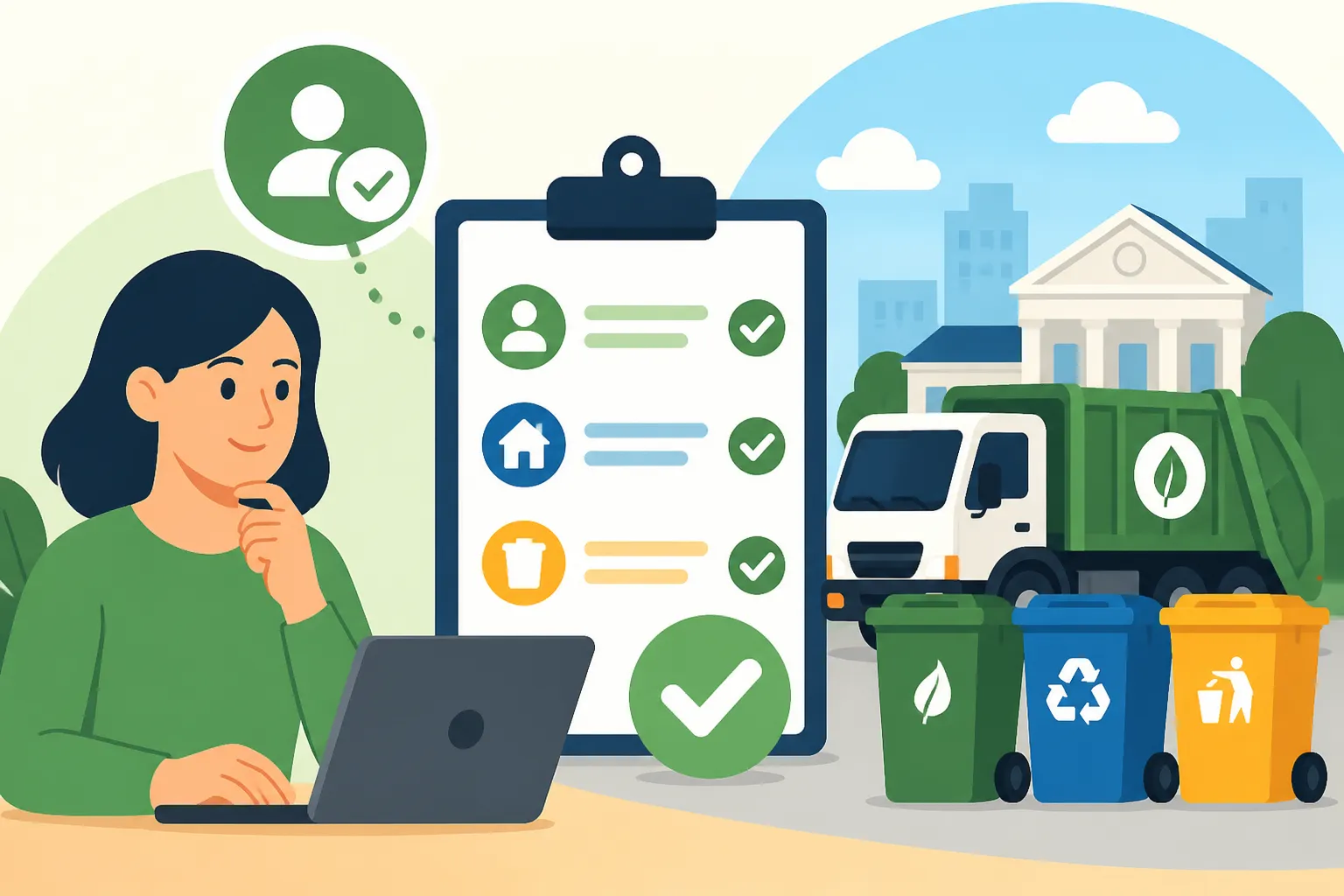
How Do I Register for Municipal Waste Services (Śmieci) in Poland?
Moving to Poland means tackling a whole new set of administrative tasks, and one of the most head-scratching, yet absolutely essential, is figuring out how to deal with your trash. Believe me, it's not as simple as just putting out a bin. Many expats find themselves utterly baffled by the local śmieci (waste) system, from understanding segregation rules to tracking down the right municipal office. This guide is here to unravel the mysteries of registering for municipal waste services, ensuring you stay compliant and avoid unnecessary headaches.
The Basics of Waste Management in Poland – It's More Than Just Bins!
When you first arrive, it’s easy to assume waste collection is handled universally across Poland, or even that your landlord just “takes care of it.” While the latter can sometimes be true, especially in shared buildings, understanding the underlying system is crucial for every expat. Waste management in Poland is primarily a local responsibility, meaning rules and procedures can vary slightly from one gmina (municipality) to another, adding another layer of complexity to an already challenging relocation.
Why Waste Registration is Crucial and Legally Required
Firstly, let's be blunt: registering for waste services isn't optional, it's a legal obligation for every resident, whether you're renting an apartment, owning a house, or even running a business. This isn't just about civic duty; it's about paying your fair share for a vital public service and ensuring environmental protection. The fees collected fund the collection, transport, and processing of all that rubbish we generate.
Failing to register can lead to fines, retrospective charges, and generally an unpleasant interaction with the local authorities. It’s one of those silent administrative tasks that can easily slip through the cracks when you're busy with things like figuring out how to get your PESEL number and why it matters for healthcare or understanding your rental contract. But neglecting it can come back to bite you. Think of it as another foundational step in establishing your life here, right alongside registering your residence (zameldowanie) in Poland: The Complete Guide.
Understanding the Deklaracja Śmieciowa Waste Declaration
The heart of Poland's waste management system for residents is the Deklaracja o wysokości opłaty za gospodarowanie odpadami komunalnymi, or simply, the Deklaracja Śmieciowa. This isn't just a fancy name; it’s the official document where you declare how many people live in your household and, crucially, how you intend to segregate your waste.
This declaration determines how much you'll pay, as opting for proper segregation (which is the default and expected option) usually results in lower fees than declaring mixed waste. Filling out this form correctly the first time can save you a lot of hassle. It forces you to think about what goes where, setting the stage for good habits from day one.
The "Who" and "Where": Your Municipality (Gmina)
As mentioned, waste management is a municipal affair. This means you won't be dealing with a national ministry or a single private company covering the whole country. Instead, you’ll interact directly with your local Urząd Gminy (Municipal Office) or Urząd Miasta (City Office), or a specific department within it that handles environmental or utility services.
For example, if you live in Warsaw, you'll find relevant information and forms on the official website of the City of Warsaw, likely under a section like "Gospodarka Odpadami" (Waste Management). Similarly, if you've chosen a quieter life in a smaller town, you'll be looking for the local gmina office. This hyper-local approach means you always need to double-check the specifics for your exact address. If you're using a moving service like Sirelo to help you settle in, they might offer guidance on these local specifics.
Step-by-Step: How to Register Your Waste Services
Alright, let’s get down to brass tacks. The actual process of registering for waste services can feel daunting due to the language barrier and unfamiliar bureaucracy, but it's manageable once you break it down. Just like setting up your water, gas and heating in Poland, it involves forms, documents, and sometimes a trip to the local office.
Gathering Your Documents (PESEL, Rental Contract, etc.)
Before you even think about tackling the Deklaracja, you need to have your ducks in a row. The primary documents you'll need are:
- Proof of Identity: Your passport and potentially your visa or residence permit.
- PESEL Number: This is your national identification number and is often required for any formal registration in Poland. If you haven't got one yet, you'll need to sort that out first. Check out our guide on how to get your PESEL number and why it matters for healthcare.
- Proof of Residence/Occupancy: This will typically be your rental contract (umowa najmu) or, if you own the property, the notarized deed (akt notarialny). The local authorities need to verify that you actually live where you say you do.
- Number of Residents: You'll need to accurately state how many people reside at your address, as this is usually the basis for calculating your monthly fee.
Always make copies of everything, and if you’re submitting in person, be prepared to show the originals. It’s always better to be over-prepared than to have to make multiple trips to the office!
Filling Out the Deklaracja Form: What to Expect
The Deklaracja Śmieciowa form can look intimidating, especially if your Polish isn't fluent. Don’t panic. Most municipalities provide the form online for download. Here's a general overview of what you'll typically find:
- Your Personal Details: Name, surname, PESEL, address.
- Property Details: Address of the property for which you're registering waste services.
- Number of Residents: A crucial field, as it directly impacts your fee.
- Waste Segregation Declaration: This is where you confirm that you will separate your waste into the designated categories (paper, glass, plastic/metal, bio, mixed). This is almost always the chosen option unless there's a very specific, rare reason not to.
- Effective Date: When you want the service to commence.
- Signature: Your legally binding confirmation.
Many city websites, like those for Kraków or Wrocław, often have English explanations or sample forms available. If you're still struggling, don't hesitate to ask a Polish friend for help, or consider using an online translator for the key terms. Remember, an incorrectly filled form can cause delays.
Submitting Your Application (Online, Mail, or In-Person)
Once your Deklaracja is completed and you have all your supporting documents, it’s time to submit it. Your options usually include:
- In-Person at the Urząd: This is the traditional method and often the most reassuring for expats, as you can ask questions (if you have a Polish speaker with you) and get immediate confirmation of receipt. Find the relevant Urząd Gminy or Urząd Miasta for your specific district. For larger cities, there might be a specific department or counter for waste management.
- By Mail: You can send your signed declaration and copies of documents via registered mail (list polecony) with a return receipt (potwierdzenie odbioru). This provides proof that your application was sent and received.
- Online via ePUAP: For the tech-savvy and those with a Profil Zaufany (trusted profile), many municipalities allow online submission through the ePUAP platform. This is often the most convenient, but requires a certain level of familiarity with Polish e-government services. It’s similar to how you might set up an Internetowe Konto Pacjenta (IKP) Patient Account for healthcare.
The method you choose depends on your comfort level with Polish bureaucracy and language. For new arrivals, an in-person visit with a Polish-speaking friend or a dedicated relocation consultant from a service like Sirelo can make a world of difference in reducing stress.
Navigating the Nuances: Waste Segregation, Fees, and Changes
Just like understanding the nuances of Polish employment contracts or the country's tax system, mastering waste management goes beyond just filling out a form. It involves daily habits and an awareness of the ongoing requirements.
The Importance of Segregation: A Deep Dive into Polish Recycling
Poland takes waste segregation seriously, and it's not just a suggestion – it's mandated by law. The system is designed to encourage residents to sort their waste at the source, contributing to environmental protection and more efficient recycling processes. Most municipalities follow a standard colour-coded bin system:
| Waste Category | Bin Colour | What Goes In | What Doesn't Go In |
|---|---|---|---|
| Paper (Papier) | Blue | Newspapers, magazines, cardboard, paper packaging, notebooks, old books (remove hard covers) | Greasy paper (e.g., pizza boxes), wet paper, nappies, laminated paper |
| Glass (Szkło) | Green | Glass bottles (without caps), glass jars (without caps), cosmetic glass bottles | Ceramics, mirrors, windows, light bulbs, heat-resistant glass, crystal |
| Plastics & Metals (Metale i tworzywa sztuczne) | Yellow | Plastic bottles (flattened), plastic packaging, beverage cartons (Tetra Pak), plastic bags, aluminium cans, metal lids, tin cans, foil, plastic toys | Styrofoam, used batteries, electronics, medical waste, car parts |
| Bio Waste (Bio) | Brown | Food scraps (vegetables, fruit peels, coffee grounds, eggshells), garden waste (leaves, grass, small branches) | Meat, bones, animal waste, cooking oils, dairy products, ashes |
| Mixed Waste (Zmieszane) | Black | Anything that cannot be segregated into the above categories, items that are too dirty to be recycled | Hazardous waste, construction debris, electronics, batteries, medicines, oversized items (furniture, appliances) |
It can feel like a lot to remember at first, especially coming from countries with different systems. However, most buildings will have clear signage, and local gmina websites often provide detailed guides in multiple languages. Get into the habit of washing out containers before tossing them – it makes a big difference!
Understanding Waste Collection Fees and Payment
Your monthly waste fee will be calculated based on the information provided in your Deklaracja Śmieciowa. The most common calculation methods are:
- Per Person: A fixed amount per person declared in the household. This is the most prevalent system.
- Per Water Consumption: Less common, but some municipalities link the fee to your water usage.
- Per Property Size: Rarest for residential, more for businesses.
The good news is that opting for proper segregation always means a lower fee. If you declare that you won't segregate (which is rare for individual households), your fee will be significantly higher.
You'll usually receive a payment notice via post, often quarterly, indicating the amount due and the bank account number for your local gmina. You can typically pay these bills via online banking, at a post office, or at your bank. These fees are part of your overall cost of living in Poland for expats (2026), and it's important to factor them into your budget, just like your other utility bills.
When and How to Update Your Declaration
Life changes, and so might your waste declaration needs. It's crucial to update your Deklaracja Śmieciowa promptly in the following situations:
- Change in Number of Residents: If someone moves in or out of your household, you must update the declaration within 14 days. This directly impacts your fee.
- Change of Address: If you move to a new apartment or house within the same gmina, you'll need to submit a new declaration for your new address and potentially cancel the old one. If you move to a different gmina, you'll start fresh with the new local authority.
- Change in Waste Segregation Method: While highly unlikely for residential, if you ever changed your mind about segregating, you'd need to update.
The process for updating is usually the same as the initial submission – filling out a new or amended Deklaracja and submitting it to your local urząd. Don't forget, these small administrative tasks are just as important as knowing how to switch your GP (Lekarz POZ) in Poland or how to find a family doctor when you need one.
Common Expat Challenges and Solutions
Let's face it, administrative tasks in a foreign country are rarely straightforward. Registering for waste services in Poland is no exception. But with a bit of foresight and the right tools, you can minimize the frustration.
Language Barriers and Finding Help
The forms are in Polish, the officials often speak limited English, and the nuances of the śmieci system can be complex. This is where the notorious language barrier hits hardest.
- Google Translate & DeepL: These are your best friends for deciphering forms and official websites. Use them to understand the core questions and instructions.
- Polish Friends or Colleagues: If you have Polish-speaking friends or colleagues, don’t be afraid to ask for help! They’ve navigated this system themselves and are often happy to lend a hand.
- Relocation Services: For those with a budget, professional relocation services often include assistance with utility registrations, including waste. This can be a worthwhile investment to save stress and time, especially when you're just getting settled after your move. Services like Sirelo might assist with general moving advice that touches on these local registrations.
- Online Expat Groups: Facebook groups for expats in Polish cities (e.g., "Expats in Warsaw," "Krakow Expats") are goldmines of information. Someone has likely asked your exact question before, and others can offer advice or even point you to specific English-speaking staff in your local urząd.
Dealing with Landlords and Property Managers
In many apartment buildings, especially those with an administracja (building administration) or a property manager, the waste declaration might be handled centrally. This is particularly common in larger complexes where the czynsz (building and administration fees) you pay already bundles things like water, heating, and waste.
- Clarify Your Lease: When you're signing your rental contract (umowa najmu) in Poland, explicitly ask your landlord or agent about waste services. Is it included in your czynsz? Who is responsible for the Deklaracja Śmieciowa?
- "Czynsz" Inclusions: If waste is included in your czynsz, it means the building administration submits a collective declaration and manages the payments. You might still need to provide your details to them for their records.
- Independent Declaration: If you’re renting a standalone house or an apartment where utilities are entirely separate, it's highly likely you'll be responsible for submitting the declaration yourself.
Always get clarity upfront. Don't assume anything is "taken care of" until you have a clear answer in writing or from a reliable source. This is one of the key questions to ask when discussing Understanding Building and Administration Fees (Czynsz) in Poland.
What Happens If You Don't Register (Penalties)
Ignoring your obligation to register for waste services in Poland is not a good idea. The authorities can and do check compliance.
- Retrospective Charges: If it’s discovered that you haven’t registered, you’ll likely be charged retrospectively for the period you occupied the property without a declaration, plus interest.
- Fines: Beyond retrospective charges, you could face administrative fines, especially if you actively declare incorrect information or refuse to segregate your waste when legally required.
- Increased Fees: If caught not segregating properly after declaring that you would, your municipality can change your fee to the higher "mixed waste" rate, often with an added penalty.
It really is one of those things that, while annoying to set up, is far less troublesome than dealing with the consequences of ignoring it. Just get it done, breathe a sigh of relief, and move on to enjoying your life in Poland. And while you're navigating the administrative waters, don't forget to secure your digital connection; an eSIM from a provider like Airalo can keep you connected without the hassle of physical SIM cards, which can be a lifesaver when you need to quickly look up a Polish phrase or a municipal office address on the go.
Disclaimer
Please remember that while this guide provides comprehensive information based on current regulations and common expat experiences in Poland, local laws and administrative procedures can change. It is always advisable to consult the official website of your specific gmina (municipality) or seek professional legal or relocation advice for the most up-to-date and personalized information regarding your situation.