How Do I Set Up Gas for Cooking in My Polish Home?
Moving to Poland is an adventure, but let's be honest, settling into a new home often feels like navigating a labyrinth, especially when it comes to utilities. One of the trickier bits, often overlooked until you're staring at an unlit hob, is figuring out how to set up gas for cooking. This guide is here to help you unravel the process, whether you're connecting to mains gas or relying on a good old-fashioned gas bottle, so you can start enjoying those pierogi or kotlet schabowy from your own kitchen.
Understanding Gas Supply in Poland for Residential Use
Before we dive into the nitty-gritty of getting your stove fired up, it’s helpful to understand how gas supply generally works here in Poland. It’s not always as straightforward as in some other countries, and knowing the lay of the land can save you a lot of head-scratching later.
Types of Gas Connections: Mains vs. Bottled Gas
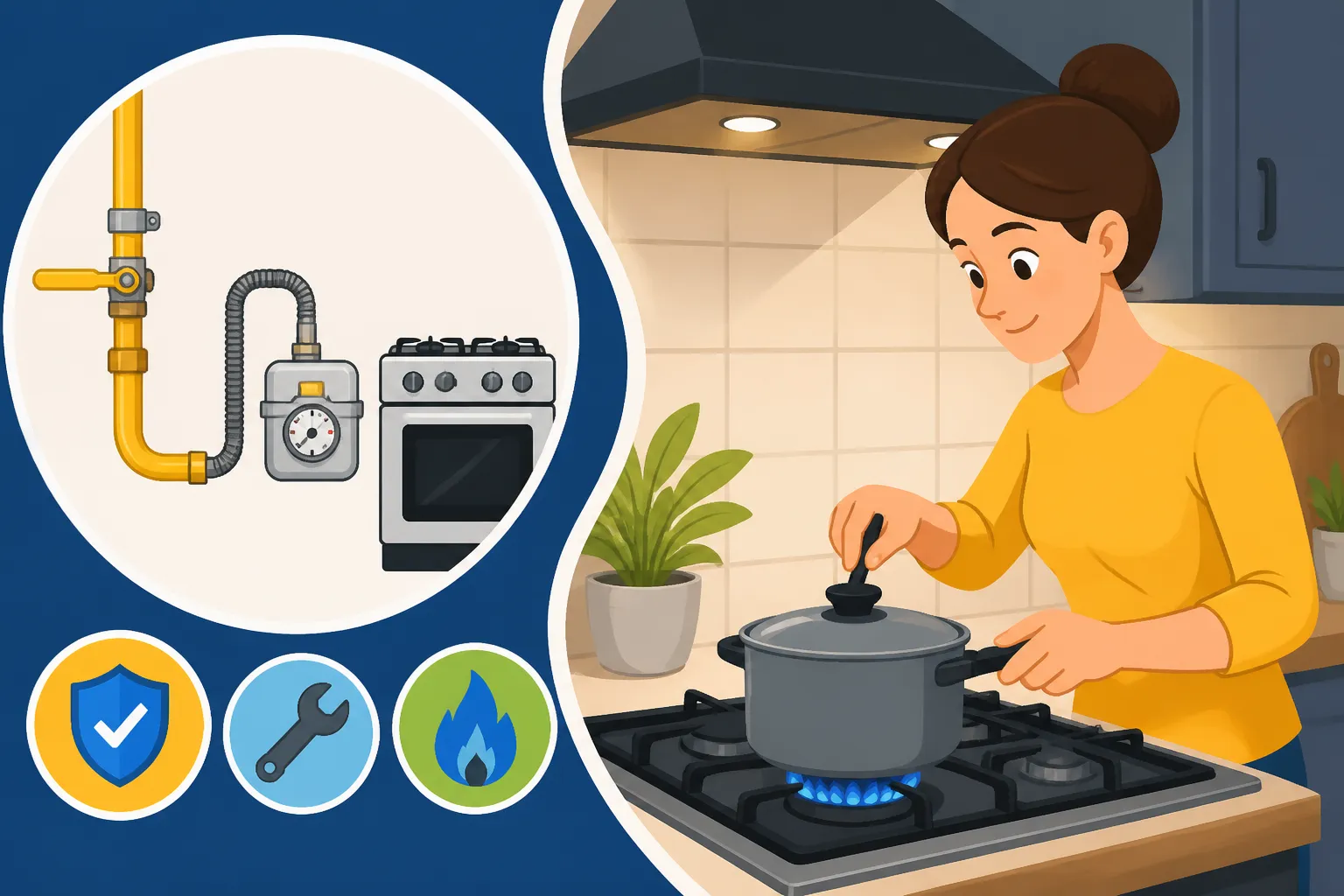
In Poland, you'll primarily encounter two main types of gas supply for residential cooking: mains gas (gaz ziemny) and bottled gas (gaz propan-butan). The type you'll need depends heavily on your specific dwelling and its location.
Mains Gas (Gaz Ziemny)
This is what most people living in cities and larger towns will be familiar with. Mains gas comes directly into your building via an underground pipeline network. It’s convenient, usually cheaper in the long run, and doesn’t require you to constantly monitor or replace bottles. If you’re renting an apartment in a modern block in Warsaw, Krakow, or Gdansk, chances are it's already plumbed for natural gas. However, even in cities, some older buildings might not have a mains gas connection, especially if they were historically heated or powered by other means. Always check with your landlord or the previous owner if a mains gas connection is available and active. Connecting to mains gas involves dealing with a primary utility provider, which, as you might guess, means a bit of paperwork and potentially some waiting.
Bottled Gas (Gaz Propan-Butan)
Often referred to simply as "propane" or "butane" bottles, this option is more common in rural areas, older homes not connected to the mains network, or even in some city apartments that lack mains access but have a gas stove. It's also prevalent in holiday homes or for specific appliances like outdoor grills. Bottled gas offers flexibility and independence from the main grid. You buy a cylinder, connect it to your stove, and replace it when it runs out. While seemingly simpler, it requires you to manage your supply, store the bottle safely, and ensure proper ventilation. The cost per unit can be higher than mains gas, but for intermittent use or in areas without mains access, it's a perfectly viable and common solution.
Key Players in the Polish Gas Market
When it comes to mains gas, the market is pretty much dominated by one major player, which has seen some changes recently. Previously, the main supplier was PGNiG (Polskie Górnictwo Naftowe i Gazownictwo). However, as part of a larger energy sector consolidation, PGNiG has been integrated into the ORLEN group.
So, if you’re setting up a new mains gas connection, you’ll most likely be dealing with ORLEN Gaz or one of its regional subsidiaries, which now operates the distribution network and supplies the gas. They are responsible for everything from connecting your property to the network, installing meters, and sending your bills. Getting familiar with their website (which might require a bit of Google Translate magic) or finding a local service point (Biuro Obsługi Klienta – BOK) will be your first port of call for a mains connection. Remember, patience is a virtue when dealing with Polish utility giants; it’s not always a quick process.
Step-by-Step: Setting Up Mains Gas for Cooking in Your Apartment
Alright, let's get down to business. If your new Polish abode has a mains gas connection or the potential for one, this is the path you'll likely follow. It's a process, but entirely doable with a bit of persistence.
Initial Checks and Documents You'll Need
Before you even think about picking up the phone or heading to a service office, there are a few things you need to confirm and gather. This preparatory work will make the actual application much smoother.
Firstly, confirm the existence and status of the gas connection. If you're renting, your landlord is your primary source of information. Ask them directly: "Czy jest gaz ziemny w mieszkaniu?" (Is there natural gas in the apartment?) and "Czy licznik gazu jest podłączony i aktywny?" (Is the gas meter connected and active?). They should also know if the previous tenant or owner had an active contract. If you're buying, the seller or real estate agent should provide this information. Sometimes, the gas might be connected but deactivated, requiring reactivation rather than a brand-new setup, which can be a quicker process.
Next, get your documents in order. Polish bureaucracy loves paperwork, and utility companies are no exception. You will almost certainly need:
- Your PESEL number: This is like your national identification number and is crucial for almost any administrative task in Poland, including utilities. If you haven't got one yet, sorting out How to Get Your PESEL Number and Why It Matters for Healthcare should be a top priority.
- Proof of residence: This could be your rental agreement (umowa najmu) or the deed of ownership (akt notarialny) for your property. Make sure it's an official document, preferably in Polish.
- Your passport or ID card: For identification purposes.
- The address of the property: Seems obvious, but ensure you have the full, correct address including the apartment number.
- The current gas meter reading: If the meter is already installed. Your landlord or the previous occupant should provide this. This is important to ensure you're only charged from your move-in date.
Having these documents ready and, if possible, some basic Polish phrases or a Polish-speaking friend on standby will be invaluable.
The Application Process with the Gas Provider
Once you have your ducks in a row, it's time to contact the gas provider, which, as mentioned, is usually ORLEN Gaz. You have a couple of avenues for application.
Online Application (if available and you're brave)
Some services might allow initial applications online, but often, the more complex setup or contract signing still requires a visit or sending documents via mail. The ORLEN Gaz website can be complex, and finding the right form (wniosek o zawarcie umowy) can be a treasure hunt. If you’re feeling confident in your Polish language skills, or have a translation tool handy, it’s worth checking their official portal. Be prepared for forms that ask for incredibly specific details.
In-Person Application (the most common and often best option for expats)
Heading to a local ORLEN Gaz Customer Service Office (Biuro Obsługi Klienta or BOK) is usually the most reliable way to get things done, especially if you're a new customer. These offices are typically located in larger towns and cities. You can often find addresses and opening hours on the ORLEN Gaz website.
When you go, bring ALL your documents (originals and copies, just in case). Be ready for a wait – these places can get busy. Explain clearly (or have your Polish-speaking friend explain) that you want to zawrzeć umowę o dostawę gazu ziemnego do celów bytowych (kuchenka gazowa) – "conclude a contract for natural gas supply for residential purposes (gas stove)".
The customer service representative will guide you through filling out the necessary forms. Don't be shy about asking for clarification, even if it means asking them to repeat things slowly or write them down. Once the contract is signed, you'll get a copy, often outlining the next steps and expected timelines. This can feel like a big win!
Gas Meter Installation and Activation
After you've signed the contract, the waiting game begins. The gas company will need to arrange for a technician to visit your property for either a new meter installation or the activation of an existing one.
Scheduling the Visit
The representative at the BOK might give you an estimated timeframe, or you might receive a call or letter (yes, sometimes actual letters!) to schedule the technician's visit. It’s crucial to be available during the scheduled window. If you miss it, rescheduling can add significant delays. If you're having trouble understanding the Polish communication, don't hesitate to ask a local friend or colleague for help deciphering it. A well-placed call using your mobile with a good connection, perhaps from a provider like Airalo if you’re using an eSIM, can help clarify details quickly.
The Technician's Visit
On the day, a qualified technician (monter) from the gas company will come to your home. Their tasks usually include:
- Installing the gas meter: If one isn't present, they'll install it and connect it to your internal gas lines and the external network.
- Safety checks: They will perform crucial safety checks on your gas installation, including leak tests and ensuring your gas stove or oven is properly connected and functioning without issues. This is paramount for your safety and something you absolutely do not want to skimp on. They will likely check for proper ventilation too.
- Activating the supply: Once everything is deemed safe and correctly installed, they will activate your gas supply.
- Providing instructions: They might give you a brief overview of how to read the meter, what to do in case of a gas leak (the emergency number is 992 or the general emergency number 112), and any specific safety instructions.
Once the technician has completed their work, you should receive a protocol or confirmation of service. At this point, congratulations! You should have gas flowing to your stove and be ready to cook.
Alternative: Setting Up Bottled Gas (Propane/Butane) for Cooking
For those whose homes aren't blessed with a mains gas connection, or if you simply prefer the flexibility, bottled gas is your answer. It's a common and practical solution, particularly outside the major urban centers.
When to Opt for Bottled Gas
Choosing bottled gas (gaz propan-butan) usually comes down to specific circumstances:
- No Mains Gas Availability: This is the most common reason. Many older buildings, especially in smaller towns or villages, simply don't have the infrastructure for natural gas. Likewise, some city apartments might lack a mains connection, perhaps due to the building's age or original design.
- Cost of Installation: Connecting to the mains gas network for a new installation can be prohibitively expensive and involve extensive works, permits, and long waiting times. Bottled gas provides an immediate and much cheaper alternative.
- Temporary or Portable Use: If you're in a temporary rental, a holiday home, or simply need gas for outdoor cooking, bottled gas is the only practical option. It’s easy to set up and move.
- Landlord Preference: Sometimes, landlords might opt for bottled gas in their properties to avoid the complexities of mains gas contracts, or because the existing infrastructure supports it.
If your rental agreement or property inspection reveals no mains gas, or if you're in a location where the infrastructure is sparse, don't fret. Bottled gas is readily available and widely used.
Sourcing and Connecting Your Gas Bottle
Getting your hands on a gas bottle and hooking it up is generally a simpler affair than navigating the mains gas bureaucracy.
Sourcing Your Gas Bottle
Gas bottles are widely available across Poland. You can purchase them from:
- Petrol Stations (Stacje Benzynowe): Many larger petrol stations (like ORLEN, BP, Shell) stock gas bottles. They usually have a dedicated area for them.
- Specialised Gas Dealers: In most towns, you'll find shops or depots that deal exclusively in gas bottles. Look for signs saying "Gaz Butla," "Propan-Butan," or "Gaz do kuchenek."
- Some Larger Supermarkets/Hypermarkets: Occasionally, you might find gas bottles at hypermarkets like Auchan or Carrefour.
- Local Hardware Stores (Sklepy Budowlane): Smaller local hardware stores can also be a good source, especially in more rural areas.
When you buy a gas bottle for the first time, you typically pay a deposit for the cylinder itself (kaucja za butlę). After that, you just pay for the gas refill (wymiana butli) when you exchange your empty bottle for a full one. Standard sizes for cooking are usually 11 kg, but smaller ones exist.
Connecting Your Gas Bottle (Safety First!)
This is where safety really comes into play. If you're not comfortable doing this yourself, always ask for help from someone experienced or a qualified technician. Improper connection can be incredibly dangerous.
Here’s a general overview of the process:
- Ensure Proper Ventilation: Always connect or disconnect a gas bottle in a well-ventilated area, away from any open flames or sparks.
- Check for Damage: Before connecting, inspect the gas hose for any cracks or damage. Hoses should be replaced periodically (check the date on the hose, usually every 5 years).
- Use the Correct Regulator: Gas stoves designed for bottled gas require a pressure regulator (reduktor ciśnienia) to ensure the gas flows at the correct and safe pressure. This regulator connects to the bottle's valve. Ensure it's the right type for propane-butane and compatible with your stove.
- Connect the Regulator: Screw the regulator firmly onto the gas bottle valve.
- Connect the Hose to the Stove: Attach the gas hose from the regulator to the gas inlet on your stove. Use clamps (opaski zaciskowe) to secure the hose firmly at both ends to prevent leaks.
- Open the Valve Slowly: Once everything is connected, slowly open the valve on the gas bottle.
- Check for Leaks: This is critical. You can do a simple soap test: apply a soapy water solution to all connections. If you see bubbles forming, you have a leak. Immediately close the gas bottle valve and tighten the connections. If leaks persist, do not use the gas and seek professional help.
- Test Your Stove: Carefully light a burner on your stove. It should ignite smoothly and produce a steady, blue flame.
Always store your gas bottle upright in a well-ventilated space, away from direct sunlight, heat sources, and children. Never store bottles in basements. Knowing how to change and connect these bottles safely is a fundamental part of living with this type of gas setup.
Common Hurdles and Practical Tips for Expats
Navigating Polish utilities can be a unique challenge for newcomers. From the language barrier to understanding the specific local practices, it’s easy to feel overwhelmed. But trust me, you're not alone in these frustrations.
Language Barriers and Bureaucracy
This is probably the biggest hurdle for most expats. Polish utility companies, especially the larger ones like ORLEN Gaz, often operate primarily in Polish. While some major cities might have English-speaking staff, it's not guaranteed, especially at smaller local offices or over the phone.
- Bring a Polish Speaker: If you have a Polish friend, colleague, or even a sympathetic landlord, ask them to accompany you to the office or make calls on your behalf. This is often the quickest and least stressful solution.
- Use Translation Apps: For navigating websites or understanding basic forms, Google Translate or DeepL can be your best friends. However, be wary of relying on them for complex legal or technical terms.
- Prepare Phrases: Learn a few key phrases related to gas setup (e.g., "Chciałbym podłączyć gaz," "umowa na gaz," "licznik gazu"). Write them down phonetically if needed.
- Patience is Key: Things might take longer than you're used to. Polish bureaucracy has its own pace. Take a deep breath, and remember that persistence pays off. This is part of the expat experience, and you'll get there!
Safety First: What You Need to Know
Gas safety is non-negotiable. Whether you’re using mains gas or bottled gas, understanding the risks and preventive measures is crucial for your well-being.
- Carbon Monoxide (CO) Detectors: This is perhaps the single most important safety device. Carbon monoxide is an odorless, colorless, and deadly gas produced by incomplete combustion. If you have any gas appliance (stove, water heater, furnace), you must have a CO detector installed. You can buy these cheaply at most electronics stores (e.g., Media Expert, RTV Euro AGD) or larger supermarkets.
- Gas Leak Detection: If you smell gas (it's often given a distinct rotten egg smell for safety), act immediately.
- Turn off the main gas valve (either on the bottle or the main cut-off for mains gas).
- Open all windows and doors to ventilate the area.
- Do NOT switch any lights or electrical appliances on or off. Do not use your phone inside the building.
- Evacuate the premises.
- Once outside and at a safe distance, call the emergency gas hotline (992) or the general emergency number (112).
- Regular Inspections: For mains gas, installations should be checked periodically by certified technicians. Your landlord should arrange this, or if you own the property, you are responsible. For bottled gas, regularly inspect the hose and regulator for wear and tear.
- Proper Ventilation: Ensure your kitchen has adequate ventilation, especially when using a gas stove. An extractor fan is ideal, but simply opening a window helps.
Seriously, don’t take shortcuts with gas safety. It's better to be overly cautious.
Managing Bills and Payments
Once your gas is set up, the next step is managing those pesky bills. Understanding how to read them and pay them is vital.
- Reading Your Bill (Faktura): Gas bills in Poland will typically show your consumption in cubic meters (m³) or kilowatt-hours (kWh, if converted), the tariff, the unit price, and any fixed charges. Look for "do zapłaty" (amount to pay) and "termin płatności" (payment deadline).
- Payment Methods:
- Bank Transfer (Przelew): Most common. You'll find the payment details (account number, title of payment) on your bill. You can pay online via your Polish bank account. Remember that setting up your banking in Poland: A Complete Guide for Foreigners is a critical step early on.
- Post Office (Poczta Polska): Take your bill to any post office, and they will process the payment for a small fee.
- Online Customer Portal (eBOK): Many utility providers offer an online customer portal (Elektroniczne Biuro Obsługi Klienta – eBOK) where you can check your bills, submit meter readings, and make payments. This is highly recommended once you get the hang of it. You might need to register for this separately after your contract is active.
- Direct Debit (Polecenie Zapłaty): You can often set up direct debits from your Polish bank account, so payments are automatically deducted. This is convenient but requires setting up with both the gas company and your bank.
- Meter Readings: You might be asked to submit regular meter readings (stan licznika) yourself, often monthly or every couple of months. This can be done via their eBOK, phone, or even sometimes by text message. This ensures you're billed accurately based on your actual consumption, rather than estimates.
Understanding these aspects of Polish utility management will empower you to handle your home with confidence. For those undertaking a full relocation, remembering that comprehensive planning is key, and resources like Sirelo can provide valuable guidance on making your international move smoother, including tips on managing utilities in your new country.
| Feature | Mains Gas (Gaz Ziemny) | Bottled Gas (Propan-Butan) |
|---|---|---|
| Availability | Urban areas, larger towns; depends on building | Rural areas, older buildings, temporary setups, portable |
| Setup Cost | Potentially high for new connections; moderate for activation | Low (deposit for bottle + gas cost) |
| Running Cost | Generally lower per unit | Generally higher per unit |
| Convenience | Constant supply, no bottle replacement | Requires bottle monitoring & replacement |
| Supplier | ORLEN Gaz (or regional subsidiaries) | Petrol stations, dedicated dealers, some supermarkets |
| Installation | Professional technician required | DIY (with caution) or professional assistance |
| Safety | Requires professional checks, CO detector essential | Requires careful DIY connection, CO detector essential, safe storage |
| Bureaucracy | Significant paperwork, potential language barriers | Minimal, direct purchase |
| Payment | Monthly bills, bank transfer, eBOK, post office | Upfront payment for bottle/refill |
Remember, getting comfortable in your new Polish home takes time and effort, especially when dealing with the practicalities. But with a bit of patience and the right information, you'll have your cooking gas sorted in no time!
Disclaimer
The information provided in this guide is intended for general informational purposes only and does not constitute professional advice. While we strive to ensure accuracy and timeliness, regulations, procedures, and service providers in Poland can change. It is always recommended to verify information with official sources, consult with relevant professionals (e.g., utility providers, legal advisors), and seek assistance from a Polish speaker if you are unsure about any specific steps or requirements. We do not assume any liability for actions taken based on the information provided herein.