What Documents Do I Need to Buy Property in Poland?
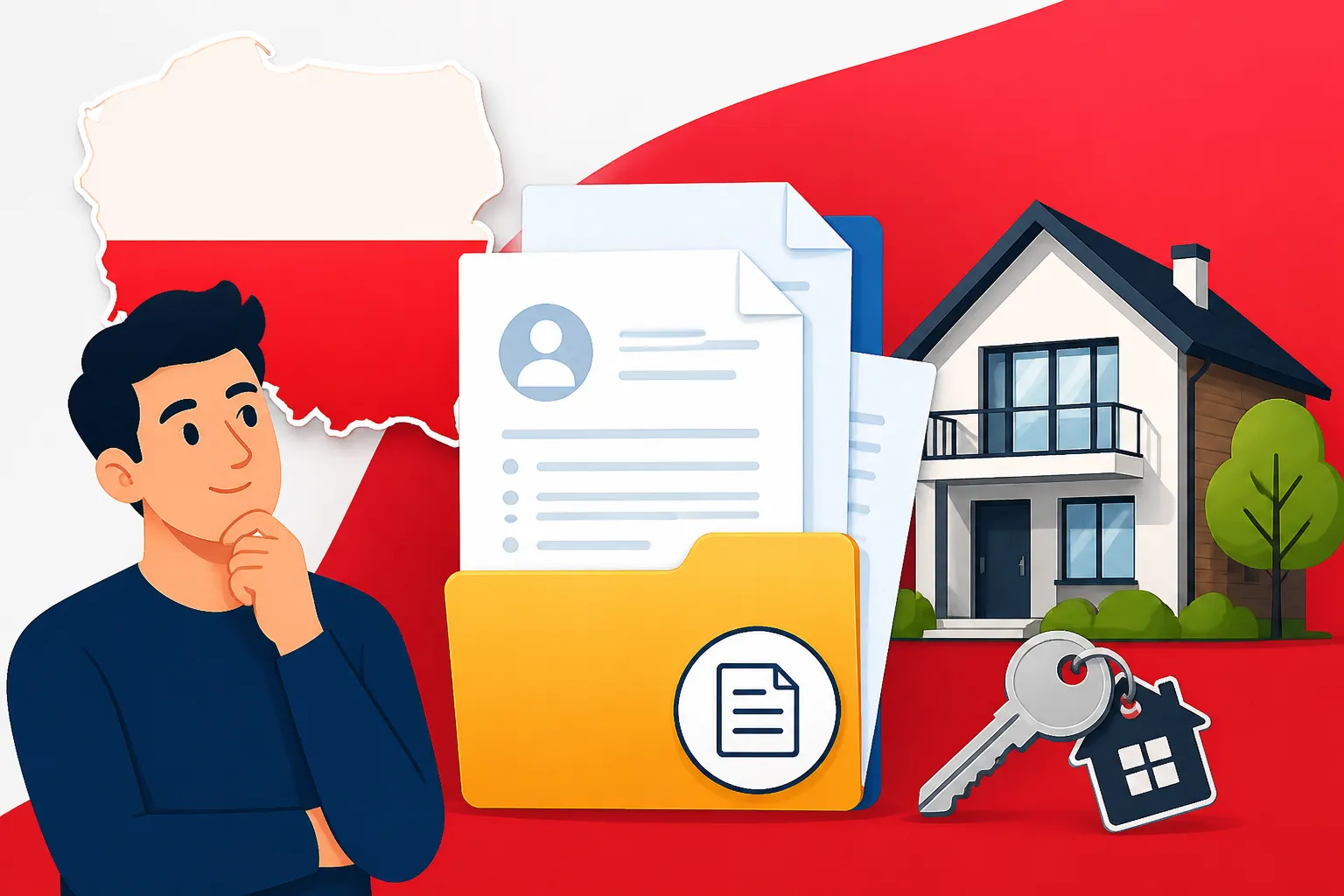
Buying property in Poland as an expat can feel like navigating a maze blindfolded, especially when it comes to the endless stream of documents required. Believe me, I've been there, staring at official letters filled with Polish legalese, wondering if I'd ever get to call a place my own. This guide is here to demystify that process, laying out exactly what documents you'll need so you can approach your Polish property dream with confidence, not confusion.
The Absolutely Essential Documents for Any Property Purchase in Poland
Before you even start dreaming about paint colours or furniture layouts, you need to gather a foundational set of documents. These are the absolute non-negotiables, regardless of whether you're buying a cozy studio in Krakow or a sprawling family home in Warsaw. Without these, your journey won't even leave the station.
Your Personal Identification and Legal Status
First and foremost, you need to prove who you are and that you're legally able to enter into a contract in Poland. This might seem obvious, but the Polish system has its own quirks that can trip up even the most prepared expat.
- Passport or National ID Card (for EU/EEA Citizens): This is your primary form of identification. Make sure it's valid for well beyond your expected purchase date. The notary will need to verify your identity, and a soon-to-expire document can throw a wrench in the works. For EU/EEA citizens, your national ID card might suffice, but a passport is always universally accepted and often preferred by notaries for clarity.
- PESEL Number: Think of your PESEL as your Polish national identification number. It's crucial for virtually all administrative tasks, including buying property. You'll need it for tax purposes, land registry entries, and even if you want to understand how to register with the NFZ as a foreigner in Poland. If you don't have one yet, you'll need to apply for it, often through your local Urząd Gminy or Urząd Dzielnicy. Many foreigners get it automatically when they register their residence, but if you haven't, it's a priority.
- NIP Number (Tax Identification Number): While PESEL covers most individual tax matters, certain transactions, especially property-related ones, might still require a NIP. This is more common if you're self-employed or if you're a non-resident buying property. If you have a PESEL, you generally don't need a NIP for personal income tax, but for property transactions and other specific business activities, it can be relevant. It's always best to clarify with your notary or a tax advisor if your specific situation warrants a NIP. You can learn more about how to get a NIP number in Poland?.
- Proof of Legal Stay in Poland (for non-EU/EEA citizens): If you're not an EU/EEA citizen, you'll need to show proof of your legal right to reside in Poland. This usually means your Karta Pobytu (Temporary or Permanent Residence Permit) or a valid visa. Without a legal basis for your stay, the process will halt before it even begins. This is an absolute must, as it directly impacts your ability to conduct long-term financial and legal dealings in the country. If you're navigating the complexities of your stay, our guide on how to apply for a Karta Pobytu in Poland? can be really helpful.
- Marriage Certificate / Prenuptial Agreement (if applicable): If you're married, Polish law generally dictates that property purchased during the marriage falls into a joint marital estate, unless a prenuptial agreement (intercyza) states otherwise. The notary will need to see your marriage certificate (ideally translated and apostilled/legalised if from outside Poland) and any prenuptial agreement. This is crucial for determining ownership rights and responsibilities.
Proof of Funds and Financial Standing
Polish notaries and banks need to ensure that you have the means to pay for the property and that your funds are legitimate. This is part of anti-money laundering regulations and is non-negotiable.
- Bank Statement/Proof of Funds: You'll need to demonstrate that you have the money to cover the purchase price, plus all the associated costs like notary fees, taxes, and potential real estate agent commissions. This usually means recent bank statements from a Polish or international bank, clearly showing the funds available. If the funds are coming from abroad, be prepared to show their origin. Banks are increasingly vigilant about this. If you haven't already, our guide on how to open a bank account at a Polish bank as a foreigner can help you get started with local banking.
- Mortgage Pre-Approval Letter (if applicable): If you're financing your purchase with a mortgage, you'll need a formal pre-approval letter from a Polish bank. This letter confirms the amount the bank is willing to lend you. Without this, sellers might not take your offer seriously, and the notary won't proceed with the contract dependent on financing. Getting a mortgage in Poland as a foreigner can be a bit of a marathon, so starting this early is key.
- Source of Funds Declaration: Be ready to declare the source of your funds. Did it come from savings, an inheritance, a bonus, or the sale of another property? The notary or bank might ask for documentation to back this up. This is a common requirement and helps ensure transparency.
Property-Specific Documentation
This category involves documents related to the actual piece of real estate you're interested in. Your real estate agent, if you have one, or the seller's agent, should be able to assist in gathering these.
- Land and Mortgage Register (Księga Wieczysta) Excerpt: This is perhaps the single most important document related to the property itself. The Księga Wieczysta is a public record containing vital information about the property, including its legal owner(s), any encumbrances (like mortgages, easements, or servitudes), and its legal description. You'll need a current excerpt (Odpis z Księgi Wieczystej) to confirm who truly owns the property and if there are any legal issues. Understanding the Land and Mortgage Register (Księga Wieczysta) in Poland is critical for any buyer.
- Basis of Acquisition Document (e.g., prior Sales Contract, Inheritance Decree): This document proves how the current owner came to possess the property. It could be the previous notarized sales contract (akt notarialny), an inheritance decree, or a court judgment. This establishes a clear chain of ownership.
- Certificate of No Debts on Administrative Fees (Zaświadczenie o braku zaległości w opłatach): The seller should provide a certificate from the building administration (spółdzielnia, wspólnota mieszkaniowa) confirming that there are no outstanding utility bills, maintenance fees (czynsz), or other administrative debts related to the property. You don't want to inherit someone else's bills!
- Energy Performance Certificate (Świadectwo Charakterystyki Energetycznej): This certificate, mandatory for all property sales, provides information about the building's energy efficiency. It's a useful document to have and should be provided by the seller.
Navigating Additional Documentation for Specific Situations
While the basic list covers most scenarios, Poland's legal landscape has additional requirements depending on your nationality, the type of property, and how you're purchasing it. Don't let these surprise you; knowing them upfront can save you a lot of stress.
Requirements for Non-EU/EEA Citizens
This is where things can get a bit more complex. Poland has specific regulations for non-EU/EEA citizens purchasing real estate, particularly certain types of property.
- Permit from the Ministry of Interior and Administration (MSWiA): This is the big one. Non-EU/EEA citizens typically need a special permit from the Ministry of Interior and Administration to purchase land, houses, or apartments in border areas. Sometimes, even purchasing an apartment in a major city can require this permit, though it's less common for flats in multi-family buildings. The application process is lengthy and requires significant documentation, including proof of your ties to Poland (residence, work, investments). This permit is a significant hurdle and can take several months to obtain, so factor this into your timeline. If you're moving to Poland from a non-EU country, this is one of the administrative tasks that will feel particularly burdensome.
- Exemptions: There are exceptions! For instance, if you're a non-EU citizen who has been married to a Polish citizen for at least two years and resides in Poland, you might not need a permit to buy an apartment that constitutes a separate residential unit. Also, for certain types of commercial or industrial properties, different rules apply. Always consult with a legal professional specializing in property law for foreigners to clarify your exact situation.
Buying with a Spouse or Co-Owner
If you're not going solo on this property adventure, the documentation naturally expands to include everyone involved.
- Additional Identification and PESEL/NIP for All Buyers: Every person listed on the purchase agreement will need to provide their passport/ID, PESEL, and potentially NIP. The notary must verify the identity and legal capacity of all parties.
- Marital Property Regime Declaration: If you're married and purchasing together, the notary will formalize whether the property is entering into your joint marital estate or if you have a separate property regime (e.g., due to a prenuptial agreement). If you have such an agreement, a translated and notarized copy is essential.
- Power of Attorney (Pełnomocnictwo): If one of the co-owners cannot be present for the signing of the preliminary or final contract, they can grant a power of attorney to the other co-owner or a trusted third party. This power of attorney must be in the form of a notarized deed (akt notarialny) and, if issued abroad, often requires an apostille or legalisation and certified translation into Polish. It's a lifesaver when coordinating busy schedules, but ensure it's drafted correctly and explicitly grants the necessary powers for property purchase.
Purchasing Land or Non-Residential Property
Buying a plot of land or a commercial space has its own set of unique documentation requirements, especially concerning zoning and intended use.
- Local Zoning Plan Excerpt (Wypis i Wyrys z Miejscowego Planu Zagospodarowania Przestrzennego): For land or buildings, this document from the local municipality (Urząd Gminy/Miasta) specifies how the land can be used (e.g., residential, commercial, agricultural, industrial). This is crucial for understanding what you can and cannot build or do with the property. Believe me, you don't want to buy a plot expecting to build a house only to find it's zoned for agriculture.
- Land Development Conditions Decision (Decyzja o Warunkach Zabudowy – WZ): If there's no local zoning plan for a specific area, you'll need this decision. It outlines the permissible development parameters for your plot.
- Building Permits and Plans (if applicable): If you're buying a property with existing structures or plans for development, you'll need copies of all valid building permits and approved architectural plans.
- Agricultural Land Considerations: If you're looking at agricultural land, particularly larger plots, be aware that Polish law has strict regulations on who can purchase it, often giving preference to individual farmers. Non-farmers might face significant restrictions or require special permits. Again, legal counsel is indispensable here.
The Notarial Process and Securing Your Investment
The notary public (notariusz) plays a central and indispensable role in property transactions in Poland. They are not merely witnesses; they are legal professionals who ensure the transaction adheres to Polish law, protects all parties, and registers the property transfer. The fees for their services, which can be significant, are part of the overall cost of buying property in Poland.
The Role of the Notary Public (Notariusz)
The notary is responsible for drafting the preliminary and final purchase contracts, verifying the identities of the parties, ensuring all required documents are in order, and confirming that the transfer of ownership is legally sound. They also collect various taxes and fees on behalf of the state.
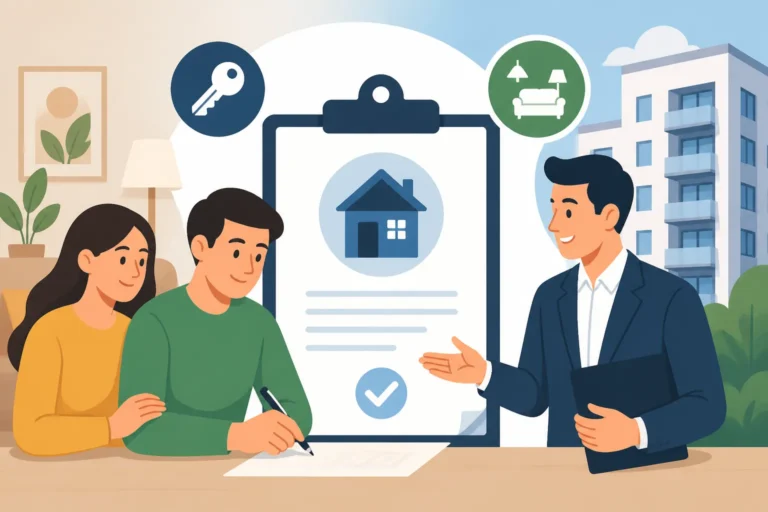
- Drafting the Preliminary Contract (Umowa Przedwstępna): This document outlines the key terms of the sale, including the price, payment schedule, closing date, and any conditions that need to be met before the final sale (e.g., obtaining a mortgage, securing the MSWiA permit). It's legally binding, so read it carefully. While it's not strictly necessary for every transaction, it provides security for both buyer and seller, especially if there's a significant time gap or conditions to fulfill.
- Drafting the Final Sales Contract (Umowa Sprzedaży – Akt Notarialny): This is the big one. Signed in the presence of the notary, this document officially transfers ownership of the property. All the necessary documents mentioned in the previous sections must be presented to the notary before this signing. The notary will read the entire contract aloud (usually in Polish, so ensure you have a sworn translator if you don't understand Polish well) and ensure all parties understand and agree to its terms. Understanding Notary (Akt Notarialny) Costs When Buying Property in Poland is crucial for budgeting.
Understanding the Preliminary and Final Contracts
The progression from preliminary to final contract is where the document preparation really pays off.
- Preliminary Contract (Umowa Przedwstępna): This contract is where you define the earnest money (zadatek) or deposit (zaliczka). A zadatek means if the seller backs out, they often have to pay you double, but if you back out, you lose it. A zaliczka is simply returned if the deal falls through, regardless of fault, making zadatek generally more robust for buyers. This contract also specifies the deadline for signing the final deed and outlines any conditions precedent.
- Final Sales Contract (Akt Notarialny): This formal deed, signed at the notary's office, contains all the legally required information to transfer ownership. It will include detailed descriptions of the property, the purchase price, how payment is being made, declarations from both parties, and the request for entry into the Land and Mortgage Register. This is the moment of truth!
Post-Purchase Registrations and Taxes
Congratulations, you've bought your property! But the paperwork isn't quite over. There are still a few administrative steps to formalize your ownership and settle with the tax authorities.
- Property Tax (Podatek od Nieruchomości): Once you become the owner, you are liable for annual property tax, which is managed by your local municipality. The notary will send a copy of the deed to the relevant authorities, who will then send you a property tax decision. You should inform your local Urząd Gminy/Miasta that you are the new owner. Understanding Property Tax (Podatek od Nieruchomości) in Poland will give you a better idea of what to expect.
- Tax on Civil Law Transactions (PCC – Podatek od Czynności Cywilnoprawnych): This is a one-time tax, typically 2% of the property's market value, payable by the buyer. The notary usually collects this tax directly from you at the time of signing the final deed and remits it to the tax office. It's an automatic part of the process, so you don't usually have to worry about filing separate forms unless you handle it outside the notary, which is rare for property. Our guide on how much tax do I pay the PCC tax when buying property in Poland? elaborates on this.
- Updates to the Land and Mortgage Register: The notary will submit an application to the relevant Land and Mortgage Register court to update the ownership details. This formal registration in the Księga Wieczysta is what legally confirms you as the new owner.
- Utility Transfers and Melodrama: Once the property is yours, you'll need to transfer utility contracts (electricity, gas, water, internet) into your name. This is where the real fun begins, dealing with different providers! Our comprehensive guide, the Expat Guide to Setting Up Utilities in Poland, is a lifesaver here.
Here's a handy table summarizing the key documents you'll likely need:
| Document Category | Specific Documents | Purpose |
|---|---|---|
| Personal & Legal ID | Valid Passport/National ID | Proof of identity. |
| PESEL Number | National identification for tax, land registry, and administrative matters. | |
| NIP Number (if applicable) | Tax identification, sometimes required for specific property transactions or self-employed individuals. | |
| Karta Pobytu / Visa (non-EU/EEA) | Proof of legal residence in Poland. | |
| Marriage Certificate / Prenuptial Agreement | Defines marital property regime and ownership rights. | |
| Financial Proof | Bank Statements / Proof of Funds | Demonstrates ability to pay for the property and associated costs; for anti-money laundering. |
| Mortgage Pre-Approval Letter (if applicable) | Confirms bank's willingness to lend a specific amount. | |
| Source of Funds Declaration | Explains where the funds for the purchase originated. | |
| Property-Specific | Land and Mortgage Register (Księga Wieczysta) Excerpt | Shows current owner, legal description, and any encumbrances. |
| Basis of Acquisition Document | Proves how current owner acquired the property (e.g., previous sales deed). | |
| Certificate of No Debts (from administration) | Confirms no outstanding utility or maintenance fees. | |
| Energy Performance Certificate | Provides information on the building's energy efficiency. | |
| MSWiA Permit (non-EU/EEA, if applicable) | Required for certain types of property or land purchases by non-EU/EEA citizens. | |
| Local Zoning Plan / WZ Decision (for land/houses) | Specifies permissible land use and development conditions. |
Practical Tips and Avoiding Common Pitfalls
Alright, so that's a lot of paper! I get it. The sheer volume of documentation and the layers of bureaucracy can feel overwhelming. But with a bit of foresight and the right help, you can navigate it smoothly.
The Importance of Legal Counsel
This cannot be stressed enough. While the notary ensures the legal validity of the transaction, their role is not to advise you personally on whether the deal is good for you or to actively protect your specific interests. A good property lawyer, fluent in both English and Polish, will be your strongest ally.
- Reviewing Contracts: They will review both the preliminary and final contracts, ensuring clauses protect you, that conditions are clear, and that you understand every detail.
- Due Diligence: A lawyer can conduct thorough due diligence, delving deeper into the property's legal history, checking for any hidden liabilities or planning issues that might not be immediately obvious from a standard Księga Wieczysta excerpt. They can also confirm if the seller indeed has the right to sell the property without any restrictions.
- Navigating MSWiA Permits: If you're a non-EU/EEA citizen requiring an MSWiA permit, a lawyer is absolutely essential to guide you through the complex application process, gather the necessary evidence, and communicate with the Ministry on your behalf. Trust me, this is not a DIY project.
- Language Barrier Support: Having someone on your side who understands the nuances of Polish legal language is invaluable.
Language Barriers and Translation
Unless you're truly fluent in legal Polish, the language barrier will be one of your biggest challenges. Don't underestimate it. Misunderstandings can have serious financial and legal consequences.
- Sworn Translator (Tłumacz Przysięgły): For any foreign documents (like marriage certificates, powers of attorney, or even bank statements in some cases) submitted to a notary or other official body, you'll need a sworn (certified) translator. These are official translators recognized by the Polish Ministry of Justice. Do not rely on unofficial translations or Google Translate for legal documents.
- Translator at the Notary: For the signing of the akt notarialny, if you don't speak Polish proficiently, it is mandatory to have a sworn translator present. The notary will read the contract aloud in Polish, and the translator will concurrently translate it for you. This ensures you fully understand what you are signing. This service comes at an additional cost, but it's non-negotiable for your protection.
Staying Organised During the Process
The amount of paperwork can quickly pile up. Staying organized is key to reducing stress and avoiding delays.
- Create a Digital and Physical Folder: Keep all original documents safe in a physical folder, and scan everything to create digital backups. Name your files clearly and logically.
- Checklists: Make checklists for each stage of the process (pre-offer, preliminary contract, final contract, post-purchase) and tick off documents as you gather them.
- Communication: Maintain clear and consistent communication with your real estate agent (if any), lawyer, and notary. Don't be afraid to ask questions, even if they seem basic. It's your investment!
- Stay Connected: During this intense period, you'll be communicating constantly, looking up terms, and probably pulling your hair out. Having reliable mobile data is a must. I remember when I first moved, trying to navigate these administrative hurdles while constantly needing to translate things on the fly. Services like Airalo, providing eSIMs, were a game-changer for staying connected without worrying about changing SIM cards or finding Wi-Fi. It's a small detail, but crucial for keeping your head above water.
- Plan Your Move: Once your purchase is secure, the next big step is the actual move. This can be another logistical nightmare, especially for international relocations. Consider looking into services like Sirelo, which can help you compare moving companies and get quotes, making the transition to your new Polish home a bit smoother.
Buying property in Poland is a significant undertaking, full of administrative steps that can feel like jumping through endless hoops. But with the right knowledge, preparation, and professional support, it's absolutely achievable. Take it one step at a time, gather your documents methodically, and don't hesitate to seek expert advice. Before you know it, you'll be holding the keys to your very own piece of Poland.
Disclaimer
The information provided in this guide is for general informational purposes only and does not constitute legal, financial, or tax advice. Property laws and regulations in Poland can be complex and are subject to change. It is strongly recommended that you consult with qualified legal professionals, real estate agents, notaries, and financial advisors experienced in Polish property transactions for foreigners to get advice tailored to your specific situation. We cannot be held responsible for any actions taken based on the information provided herein.