How Does the e-Toll Motorway System Work in Poland?
Navigating Poland's motorway system can feel like deciphering a secret code, especially with the shifts and changes in how tolls are collected. If you’ve heard whispers of "e-Toll" and are wondering if it applies to you, how it works, or whether you still need to queue at a toll booth, you’ve landed in the right spot. This comprehensive guide will unravel the intricacies of Poland's e-Toll system, clarifying who needs it, how to use it, and how it fits into the broader picture of motorway travel in this beautiful country.
Unpacking the e-Toll System: Who, What, and Where It Applies (and Doesn't Anymore!)
For many years, driving on certain Polish motorways involved either a manual payment at a booth or some form of electronic system. The introduction of e-Toll aimed to streamline this, but recent changes have made things a bit confusing for those of us driving standard passenger cars. Let's clear up the air, shall we?
The Big Change for Light Vehicles (under 3.5T): Free Travel on State Motorways!
Here’s a piece of fantastic news that often gets lost in translation or outdated information: as of July 1, 2023, the state-managed sections of Polish motorways are free for light vehicles. This applies to passenger cars, motorcycles, and vehicles with a gross vehicle weight (GVW) of up to 3.5 tonnes. This is a huge relief for many expats and tourists who primarily drive standard cars.
Specifically, the e-Toll system for light vehicles was discontinued on these formerly tolled state sections:
- A2 Motorway: The section between Konin and Stryków (near Łódź).
- A4 Motorway: The section between Wrocław and Sośnica (near Gliwice).
So, if you’re cruising these routes in your average car, you no longer need to worry about the e-Toll app or any on-board device for these specific stretches. This change was a massive step towards making road travel more accessible and less of a headache for everyday drivers, a welcome relief after grappling with the older, more complex system. It means fewer stops, less fuss, and more smooth sailing on these particular state-owned arteries.
Where e-Toll Does Still Apply: Heavy Vehicles and National Roads
While passenger car drivers got a reprieve, the e-Toll system is very much alive and mandatory for a significant portion of road users in Poland. If you’re operating a heavy vehicle – think trucks, buses, or any vehicle combination with a gross vehicle weight exceeding 3.5 tonnes – then e-Toll is still your reality on designated routes. This also applies to cars with trailers if the combined weight pushes you over the 3.5-tonne threshold, which can sometimes catch people by surprise.
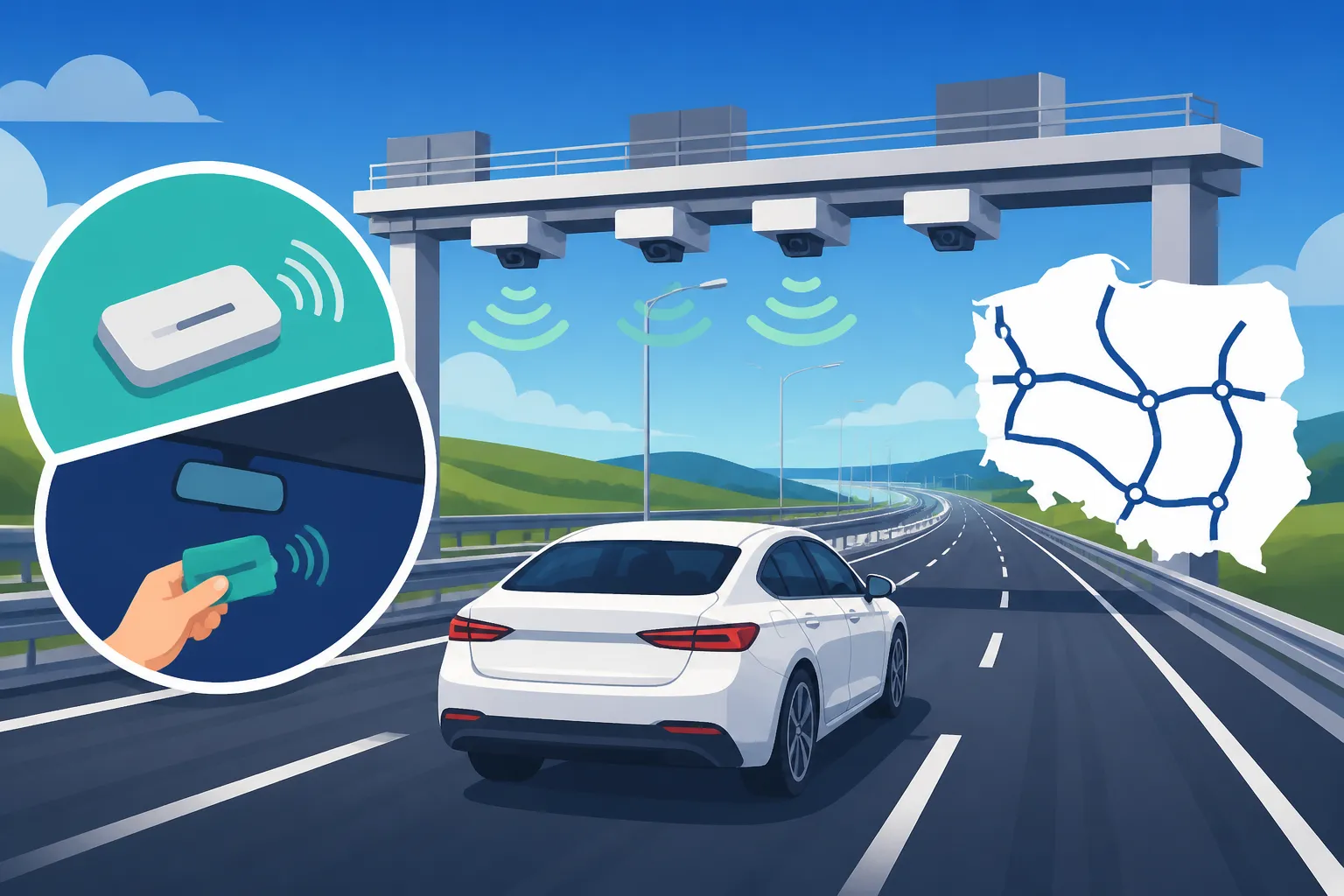
The system is managed by the Head of the National Revenue Administration (KAS) and is designed to collect tolls electronically without the need for traditional toll gates, much like other advanced systems across Europe. It covers:
- Toll sections of motorways: These are the remaining state-managed sections where heavy vehicles still pay a toll, such as those previously mentioned (A2 Konin-Stryków, A4 Wrocław-Sośnica) but only for heavy vehicles.
- National roads (Drogi Krajowe): A vast network of national roads also falls under the e-Toll obligation for heavy vehicles. These are typically not motorways but major arteries connecting cities and regions. The exact list of these roads is extensive and updated periodically by the authorities, so it’s crucial for heavy vehicle operators to stay informed.
The fundamental idea is efficient, free-flow toll collection for commercial transport and larger vehicles, making logistics smoother by eliminating manual stops. For those involved in transport, understanding ZUS Health Contributions (Składka Zdrowotna) in Poland might also be relevant, as it's part of the broader administrative landscape.
The "Why" Behind the System: Modernizing Toll Collection
Poland, like many countries, moved towards electronic toll collection to modernize its infrastructure, reduce traffic congestion at traditional toll plazas, and ensure more efficient revenue collection for road maintenance and development. The e-Toll system replaced the older viaToll system, bringing in new technology based on satellite positioning.
This shift was meant to offer greater flexibility for users, allowing them to choose between a mobile application, an on-board unit (OBU), or an external positioning system (ZSL). The aim was to create a seamless, cashless payment method that adapts to different user needs, from large transport companies to individual heavy vehicle owners. While the transition had its bumps, as any major system overhaul does, the goal remains to facilitate smoother journeys on Poland's ever-growing road network. For those who frequently drive in Poland, knowing how to exchange your foreign driving licence in Poland is also a key piece of information.
Getting Set Up with e-Toll (If You Need To!): A Practical Guide for Heavy Vehicle Operators
If you're a heavy vehicle operator in Poland, setting up your e-Toll account is non-negotiable. It might seem daunting at first, especially if you’re new to the country or to dealing with Polish bureaucracy. But don't worry, once you understand the steps, it’s quite manageable.
Registering for an e-Toll Account: The Digital Gateway
The primary way to get started with e-Toll is by registering on their official online portal. Think of it as your personal command center for toll payments. The registration process usually involves a few key steps:
- Access the e-Toll Customer Account Zone (IKK): This is the online platform where you create and manage your account. You'll need to provide some personal or company details.
- Provide Vehicle Information: You’ll need to input details about your heavy vehicle(s), including registration number, country of registration, and vehicle category (e.g., truck, bus).
- Choose Your Payment Method: You’ll select whether you want to use the pre-pay or post-pay model. For most individual operators, the pre-pay model is simpler. With pre-pay, you top up your account, and the system deducts tolls as you drive. Post-pay typically involves a guarantee (like a bank guarantee) and is more common for larger fleets.
- Confirm and Activate: Once all details are submitted, you'll confirm your registration, and your account will be activated.
You can register as an individual, a company, or even a foreign entity. The system is designed to accommodate various users. Just make sure all your details are accurate to avoid any future headaches. Having your PESEL number and NIP number ready can expedite the process, especially if you’re a resident or business owner. If you're wondering how to get a PESEL and NIP number in Poland, we have a dedicated guide for that.
Choosing Your Device: App, OBU, or ZSL
Once registered, you need a way for the system to track your vehicle's position on toll roads. This is where your choice of device comes in. You have three main options:
- e-TOLL PL Mobile Application: This is arguably the most convenient for many, as it turns your smartphone into a toll collection device. You download the official e-TOLL PL app from your app store (Google Play or Apple App Store), link it to your e-Toll account, and activate it before starting your journey on a tolled route. The app uses your phone's GPS to track your location and deduct the appropriate toll. Just remember to keep your phone charged and ensure you have a stable internet connection. Having a reliable mobile data plan, perhaps through a provider like Airalo, is essential to avoid any service interruptions that could lead to fines.
- On-Board Unit (OBU): An OBU is a dedicated electronic device mounted inside your vehicle. These devices are purpose-built for e-Toll and typically offer more reliable tracking than a phone app, as they are not subject to battery drain or app crashes. You can purchase or lease an OBU from an authorized distributor, link it to your e-Toll account, and it will automatically communicate with the system. OBUs are often preferred by professional drivers who want a hands-off solution.
- External Positioning System (ZSL): This option is usually for larger transport companies that already have fleet management systems in place. A ZSL integrates the e-Toll functionality directly into existing GPS tracking devices or telematics systems installed in their vehicles. This allows for centralized management of tolls across an entire fleet.
Each option has its pros and cons regarding convenience, cost, and reliability. Consider your usage patterns and vehicle type when making your choice. If you're just starting, the e-TOLL PL app is often the easiest entry point.
Managing Your Payments: Topping Up and Post-Pay
Keeping your e-Toll account funded is crucial to avoid penalties.
- Pre-Pay Model: If you chose the pre-pay option, you'll need to regularly top up your account balance. This can be done online through the IKK using a credit card, bank transfer, or sometimes even via BLIK payments (if you have a Polish bank account and know How to Set Up Online Banking and BLIK Payments in Poland). You can also top up at designated customer service points. The system will send you notifications when your balance is low. Always ensure you have sufficient funds before embarking on a tolled journey to prevent accidental non-payment.
- Post-Pay Model: For those on a post-pay model, the tolls are calculated and billed periodically, and you settle the accumulated amount. This typically requires a security deposit or a bank guarantee during registration. This option provides more flexibility for frequent users but requires careful financial management to ensure timely payments.
Regardless of your chosen payment model, staying on top of your e-Toll account is paramount. The system is efficient at detecting non-compliance, and fines can be steep. It’s always better to over-prepare than to face unexpected charges.
Navigating Poland's Other Toll Roads: The Private Concessionaires
Alright, so we've established that the state-managed A2 Konin-Stryków and A4 Wrocław-Sośnica sections are now free for light vehicles, and e-Toll still applies to heavy vehicles on state roads. But Poland has another layer of complexity when it comes to tolls: private motorways. These are privately managed sections that operate under a concession system and have their own distinct payment methods, completely separate from e-Toll.
Identifying Private Motorways: Where e-Toll Isn't Used
This is where many expats get tripped up! You might drive past what looks like a standard toll gate and wonder why your e-Toll app isn't buzzing. The reason is simple: you're likely on a private section. The most prominent private toll roads in Poland are:
- A1 Motorway: The Rusocin-Nowa Wieś section (managed by AmberOne). This is a major route connecting Gdańsk and the northern coast with central Poland.
- A2 Motorway: The Świecko-Konin section (managed by Autostrada Wielkopolska S.A.). This stretch takes you towards the German border.
- A4 Motorway: The Kraków-Katowice section (managed by Stalexport Autostrada Małopolska S.A.). This is a crucial link between two of Poland's largest cities.
These private operators have their own toll gates and payment systems. Crucially, the e-Toll system is not used on these roads for any vehicle category, light or heavy. You cannot use your e-Toll account or app to pay for these sections. Always double-check your route on a map or GPS application to identify whether you'll be hitting one of these private stretches.
How to Pay on Private Toll Roads: Manual Booths and Digital Apps
The payment methods on private motorways are generally more diverse, combining traditional methods with modern digital solutions.
-
Manual Toll Booths: This is the classic method. You approach a toll gate, take a ticket (if applicable), and pay at a booth. You can typically pay with:
- Cash: Polish złoty (PLN) is always accepted.
- Credit/Debit Cards: Most toll booths accept major international credit and debit cards (Visa, MasterCard).
- Fuel Cards: Some specific fuel cards are also accepted, especially for commercial vehicles.
Always be prepared with both cash and cards, just in case one method isn't working or accepted at a particular lane.
-
Dedicated Mobile Applications: The private concessionaires have embraced technology, offering their own mobile payment solutions. These are different from the e-Toll PL app. Popular options include:
- Autopay: This app is widely used on the A1 (AmberOne) and A4 (Kraków-Katowice) sections. You register your vehicle and payment method, and the system automatically detects your passage through toll gates via license plate recognition.
- AmberGO: This is AmberOne's (A1) proprietary system, working similarly to Autopay with automatic license plate recognition.
- SkyCash: A broader payment app in Poland that also integrates toll payments for some private motorways.
These apps require you to register your vehicle and credit card details in advance. They provide a convenient way to pay without stopping, using dedicated "automatic payment" lanes at the toll gates. Just remember to have your phone charged and ensure the app is active before you enter the toll section.
Here's a quick comparison of the two systems to help you keep them straight:
| Feature | State-Managed Motorways (e.g., A2 Konin-Stryków, A4 Wrocław-Sośnica) | Private Concession Motorways (e.g., A1 Rusocin-Nowa Wieś, A2 Świecko-Konin, A4 Kraków-Katowice) |
|---|---|---|
| Light Vehicles (<3.5T) | FREE since July 1, 2023 | TOLLED |
| Heavy Vehicles (>3.5T) | TOLLED (using e-Toll system) | TOLLED (using private systems) |
| Payment System | e-Toll (app, OBU, ZSL) for heavy vehicles only | Manual booths (cash, card), specific apps (Autopay, AmberGO, SkyCash) |
| Management | General Directorate for National Roads and Motorways (GDDKiA) | Private concessionaires (e.g., Autostrada Wielkopolska S.A., Stalexport Autostrada Małopolska S.A., AmberOne) |
| Gates | No physical gates for e-Toll; relies on GPS tracking | Traditional physical toll gates/booths |
Understanding this distinction is key to avoiding fines and unnecessary stress while driving in Poland. If you're moving to Poland, services like Sirelo often provide general relocation guides that touch upon transport, which can be helpful for the bigger picture.
Practical Tips for Stress-Free Driving on Polish Motorways
Driving in a new country can be nerve-wracking enough without the added worry of confusing toll systems. As an expat who’s been through the wringer, I’ve picked up a few tips to make your motorway journeys in Poland as smooth as possible.
Planning Your Route and Understanding Signage
Preparation is your best friend when it comes to Polish motorways. Before you set off, especially for longer journeys, take a moment to plan your route using a reliable GPS app or online map service. This isn't just about getting from A to B; it's about identifying potential toll sections.
- Look for Toll Indicators: On maps, tolled sections are usually clearly marked. Pay attention to the specific road numbers (A1, A2, A4) and their segments. Remember that only certain segments of these motorways are tolled, and some are private.
- Understand Road Signage: On the motorways themselves, look for signs indicating toll sections or payment methods. For private sections, you’ll typically see signs directing you to "Pobór Opłat" (Toll Collection) and often the logos of accepted payment apps (like Autopay). For the e-Toll system (if you're driving a heavy vehicle), you'll see "e-TOLL" signs. The more you drive, the more familiar you'll become with these visual cues. For more general advice on Polish roads, check out our guide on Driving in Poland: Licences, Registration and Rules for Expats (2027).
- Use mObywatel: If you’re a resident, the mObywatel app is your gateway to many e-government services in Poland, including potentially checking details related to vehicle registration or fines, though it's not directly for toll payments. Understanding mObywatel and e-Government Services in Poland is definitely worth your time.
Don't assume all motorways are free or that one payment method covers everything. A little planning goes a long way in saving you from unexpected stops or fines.
Avoiding Fines and Troubleshooting Common Issues
The last thing you want on a road trip is a fine. In Poland, failing to pay tolls on designated sections can lead to penalties. Here's how to stay clear of trouble:
-
For e-Toll Users (Heavy Vehicles):
- Always Activate the App/Device: Make sure your e-TOLL PL app is active and tracking before you enter a tolled section. If you're using an OBU or ZSL, ensure it's functioning correctly.
- Maintain Sufficient Balance: If you're on a pre-pay account, keep your balance topped up. Set up notifications for low funds.
- Check Post-Pay Bills: If you're on a post-pay system, regularly check your bills and pay them on time.
- Temporary Issues: If your app crashes, your phone dies, or your OBU malfunctions, you need to rectify the payment as soon as possible. There's often a grace period (e.g., 3 days) to pay an omitted toll online via the e-Toll website. Don't ignore it.
-
For Private Motorway Users (All Vehicles):
- Know Your Lanes: At toll gates, look for signs indicating "Manual Payment" (often a person icon or cash/card symbols) or "Automatic Payment" (often an arrow with "A" or specific app logos). Choose the correct lane for your preferred payment method.
- Have Payment Ready: Have your cash, card, or active payment app ready before you reach the booth to speed up the process.
- App Glitches: If your payment app fails to register your passage, try to pay manually at the next available booth if possible, or contact the motorway operator's customer service immediately to rectify the situation. Many operators also offer the possibility to pay online for forgotten tolls within a short timeframe.
What Happens If You Don't Pay?
Fines for unpaid tolls can be substantial, often several hundred złoty, and they increase if not paid promptly. These fines are usually issued by KAS for e-Toll violations or by the private concessionaires themselves. They can arrive in the mail weeks or months later, potentially causing further confusion if you’ve already forgotten the incident. It’s always best to address any payment issues immediately.
Driving in Poland is generally a pleasant experience, with well-maintained roads and increasingly modern infrastructure. By understanding the nuances of the e-Toll system and private motorways, you can ensure your journeys are smooth, efficient, and penalty-free.
Disclaimer
Please note that while this guide is thoroughly researched and aims to provide accurate, up-to-date information for 2026, Polish regulations regarding taxation, residency, and administrative procedures can change. It is always advisable to consult official government sources or a qualified legal/financial professional for personalized advice pertaining to your specific situation.