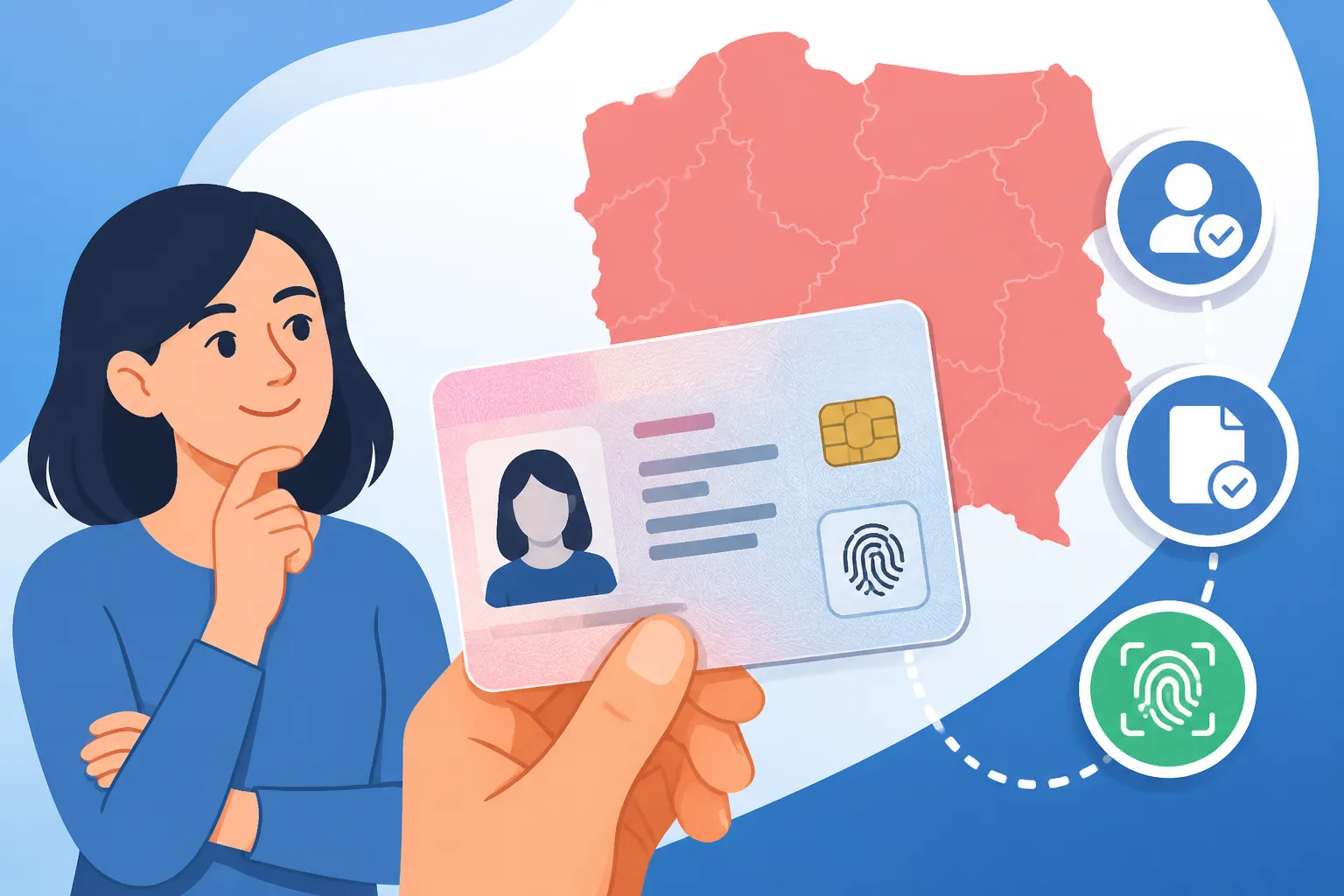
How Do I Get a Biometric Residence Card in Poland?
Oh, the biometric residence card, or Karta Pobytu as it's known here in Poland. Just hearing those words probably brings a familiar shiver down your spine if you've ever dealt with Polish bureaucracy. It’s one of those essential pieces of paper, or rather, plastic, that unlocks so much of life for expats here, yet the process of actually getting your hands on it can feel like a labyrinth designed by a particularly mischievous local official. This guide is here to demystify the journey, helping you understand exactly how to secure that all-important card after your residence permit application.
What Exactly is a Biometric Residence Card (Karta Pobytu)?
Let's cut through the jargon for a moment. The Karta Pobytu isn't just a fancy ID card; it's your official proof of legal residence in Poland. For most non-EU citizens, it's the ultimate goal after a successful application for a temporary or permanent residence permit. Without it, you're constantly explaining your right to be here, which, as many of us know, can be an exhausting exercise in Polish.
More Than Just an ID: Understanding Its Purpose and Validity
Think of your Karta Pobytu as your expat passport within Poland, and indeed, within the wider Schengen Area. It confirms your legal status, allowing you to reside, work (if your permit allows it), and access various public services – from opening a bank account to registering with the local GP. It effectively replaces the need to carry your passport around for identification purposes within Poland, which is a huge relief when you’re constantly asked for ID.
There are a few flavours of Karta Pobytu, primarily linked to the type of residence permit you've been granted:
- Temporary Residence Card: This is the most common for new arrivals, typically valid for one to three years, depending on the grounds of your stay (work, study, family reunification).
- Permanent Residence Card: For those who’ve lived here for a significant period and meet specific criteria, this offers long-term stability, usually valid for ten years.
- EU Long-Term Resident Card: Similar to permanent residence but often comes with additional mobility rights within other EU member states.
The validity period is clearly stated on the card itself, along with your personal data, fingerprints, and photograph. It's crucial to keep an eye on that expiry date, as the renewal process, while similar, requires its own planning. Trust me, you do not want to be caught out with an expired card, especially if you're planning any travel. For a deeper dive into the broader landscape of permits, you might want to check out our comprehensive guide, "The Complete Guide to Polish Residence Permits for Expats (2027)".
The Importance of Biometric Data
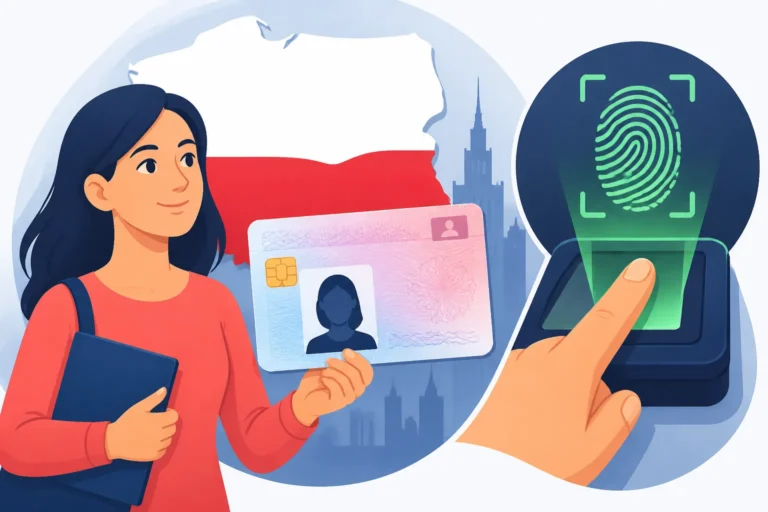
You might wonder why they need your fingerprints and a special photo. Well, this isn't just for show. The biometric data embedded in your Karta Pobytu is a crucial security feature. It makes your card incredibly difficult to forge or misuse, linking it directly and undeniably to you. This technology is standard across the EU for residence documents, aimed at enhancing security and preventing identity theft.
During your biometrics appointment, they'll digitally capture your fingerprints (usually all ten, but sometimes fewer if there's an issue) and take your photograph. This photo isn't just any snapshot; it has to meet very specific criteria – think passport-style, neutral expression, no glasses that obscure your eyes, plain background, and very recent. It's not uncommon for them to retake photos right there if yours doesn't meet the standard, so be prepared!
The Application Process: Navigating the Urząd Wojewódzki
Getting your Karta Pobytu isn't a separate application; it's the final, tangible output of a successful residence permit application. The entire process hinges on you first applying for a temporary, permanent, or EU long-term residence permit at your local Urząd Wojewódzki (Voivodeship Office). This office, by the way, is often the epicentre of much expat frustration due to long queues and complex procedures.
Step-by-Step: From Application Submission to Biometrics Collection
Let's walk through this, because it's rarely as straightforward as "fill form, get card."
-
Initial Residence Permit Application: This is where you submit a mountain of documents. We’re talking your passport, several copies, a completed application form (usually filled in Polish, naturally), proof of stable and regular income, proof of accommodation (How to Prove Accommodation for a Polish Residence Permit?), comprehensive health insurance, and two biometric photos. It's a lot, and it needs to be precise. For many, figuring out what health insurance is needed is a headache, but a good private option like Cigna Global can often meet the requirements and offer more comprehensive coverage. Remember, it’s not just about submitting; it’s about submitting correctly. Mistakes here will only lead to delays. You can find more detail on this in our guide, "How to Apply for a Temporary Residence Permit (Karta Pobytu) in Poland".
-
The Biometrics Appointment: This is the specific step where your physical data is collected for the Karta Pobytu itself.
- When it happens: Typically, after you've submitted your initial residence permit application, and a case number (sygnatura sprawy) has been assigned. The Urząd Wojewódzki will usually send you a letter (often via traditional post, because, Poland!) inviting you for a biometrics appointment. Sometimes, if you're very lucky and the office isn't swamped, they might collect biometrics directly when you first submit your application. But don't count on it. More often, you'll need to book a separate slot, which can be tricky to secure. Our guide, "How to Book an Appointment at the Urząd Wojewódzki for Immigration", offers some useful tips.
- What to expect: You'll go to the designated room at the Urząd (often signposted as Pobieranie odcisków palców or similar). They’ll verify your identity with your passport, scan your fingerprints digitally, and sometimes take a new photo if the one you submitted isn't up to scratch. It's usually a quick process once you're actually in the room.
Required Documents for the Biometric Appointment
While the initial residence permit application requires an extensive folder of paperwork, the biometrics appointment itself is usually far simpler. You typically only need to bring:
- Your valid passport: The original document is essential for identification.
- The original letter of invitation from the Urząd Wojewódzki for your biometrics appointment, if you received one.
- Confirmation of your residence permit application submission: This could be a stamp in your passport, a printout from their online system, or a separate confirmation letter.
It's always a good idea to bring extra passport-sized photos, just in case they decide the ones you already submitted aren't suitable, or if they claim they can't find them (it happens!). While preparing for this, it's a good moment to cross-reference with "How to Prepare Documents for a Karta Pobytu Application" to ensure you have all bases covered.
Here's a quick overview of key documents for your residence permit, which ultimately leads to the Karta Pobytu:
| Document Type | Purpose | Key Details |
|---|---|---|
| Application Form | Official request for residence permit. | Filled in Polish, multiple copies, correct permit type specified. |
| Passport & Copies | Proof of identity and nationality. | Original plus copies of all relevant pages (photo, visa stamps, entry stamps). |
| Biometric Photos | For the Karta Pobytu and application file. | 2-4 recent, passport-style photos, 35x45mm, plain background, neutral expression. |
| Proof of Accommodation | Demonstrates where you live. | Rental agreement (umowa najmu), declaration from landlord (akt notarialny), proof of property ownership. |
| Proof of Stable Income | Shows you can support yourself. | Employment contract (umowa o pracę), bank statements, JDG registration, tax declarations. |
| Health Insurance | Mandatory for legal residence. | NFZ registration (ZUS RMUA), private health insurance policy (e.g., Cigna Global coverage details). |
| PESEL Number | Personal identification number. | While not always strictly required for the application, it's highly recommended. Learn more about "How to Get Your PESEL Number and Why It Matters for Healthcare". |
| Administrative Fee Proof | Confirmation of payment for the permit and card. | Bank transfer confirmation (potwierdzenie przelewu) for the relevant fees. |
| Other Specific Documents | Depending on the basis of your stay (work, study, family reunification). | Work permit, university acceptance letter, marriage certificate, birth certificates. |
After Biometrics: What Happens Next and When to Expect Your Card
You've done the hardest part – submitting your documents and getting your biometrics taken. Now comes the part that truly tests your patience: the waiting game. This is where you learn the true meaning of "Polish time."
The Waiting Game: Processing Times and Communication
Real talk: processing times for residence permits and Karta Pobytu cards in Poland can be excruciatingly long. While the law states a certain timeframe (often 30-90 days for temporary permits), reality can stretch that to 6 months, 12 months, or even longer in busy Urząd Wojewódzki branches like those in Warsaw, Krakow, or Wroclaw. The pandemic certainly didn't help matters, and backlogs are a persistent issue. This is why many expats find themselves in a limbo, unable to travel easily outside Poland while their application is pending. Our guide "How Long Does It Take to Get a Karta Pobytu in Poland?" elaborates on this.
- Communication is minimal: Don't expect regular updates. The Urząd isn't known for its proactive communication. You might receive requests for additional documents (we call these "uzupełnienie braków"), often by post, and often with very tight deadlines. Make sure someone is checking your mailbox regularly!
- Checking your status: Some Urząd Wojewódzki branches offer online status checkers, but these can be unreliable or not updated frequently. Calling or emailing is often met with generic responses, if any. Your best bet is usually a direct visit if you haven't heard anything for a prolonged period, though this also requires booking an appointment or enduring a very long wait.
- Legal fiction (stempel): During this waiting period, if your previous visa or residence permit expires, and you've submitted your application on time, you should receive a stamp (stempel) in your passport. This stamp confirms your legal stay in Poland while your application is processed, allowing you to remain in the country. However, be aware that this stamp generally does not permit travel outside of Poland and the Schengen area.
Collecting Your Karta Pobytu
Eventually, you will (hopefully!) receive a letter or an SMS notification informing you that your Karta Pobytu is ready for collection. This is a moment of pure relief for many!
- The notification: This letter will specify where and when you can pick up your card. Make sure to read it carefully.
- Collection process: You’ll typically need to bring your original passport and the notification letter. You'll sign a document confirming receipt, and then, voilà, your Karta Pobytu is in your hand.
- What to check: Immediately check all the details on your new card: your name, date of birth, validity dates, and photo. Errors can happen, and it’s much easier to get them corrected immediately than months down the line. If you notice a mistake, point it out to the official straight away. This little piece of plastic is incredibly important for everything from opening a bank account to travelling, so accuracy is key.
Common Pitfalls and Tips for a Smoother Process
Navigating the Polish immigration system can feel like an extreme sport. But with some preparation and a good dose of patience, you can make it through. Here are some tips based on years of expat experience.
Language Barriers and Bureaucratic Hurdles
This is perhaps the biggest challenge for many non-Polish speakers. The Urząd Wojewódzki staff, while often trying to be helpful, might not speak English, or only limited English. Official documents are almost exclusively in Polish.
- Bring a Polish speaker: If you don’t speak Polish, bring a trusted Polish-speaking friend, colleague, or a professional translator. They can help clarify questions, fill out forms, and ensure you understand what’s being asked. This is perhaps the single most important piece of advice.
- Practice key phrases: Learn basic phrases related to your visit – "I have an appointment," "I want to submit documents," "I need to collect my card," etc. Every little bit helps.
- Double-check everything: Even with help, verify every form, every document. A small typo can set you back weeks or months.
Staying Organised and Persistent
The sheer volume of paperwork and the waiting periods can be overwhelming. Organization is your best friend.
- Keep copies of everything: Seriously, everything. Every form, every supporting document, every letter received, every payment confirmation. Keep them in a dedicated folder. This way, if something goes missing (which, again, happens), you have proof.
- Track deadlines: Note down all deadlines, especially for submitting additional documents. Missing one can mean your application is returned or even rejected.
- Be politely persistent: While aggressive behaviour will get you nowhere, polite persistence can sometimes yield results. If you haven't heard back, and the official processing time is well past, make an appointment or visit (if permitted) to inquire about your status. Don't go every week, but don't just sit there indefinitely either.
- Plan ahead for travel: Because of the often-unpredictable processing times, plan any international travel carefully. If you need to leave the Schengen area, your Karta Pobytu is crucial. If your application is still pending and you only have the stempel in your passport, you generally cannot re-enter the Schengen area without a valid visa for your passport's nationality. This is also something to consider if you're planning a big move, perhaps with services like Sirelo, as delays can impact your overall timeline. Understanding "Understanding Schengen Rules and the 90/180 Limit for Poland" is vital here.
What If My Card Is Lost, Stolen, or Damaged?
It's a nightmare scenario, but it happens. If your Karta Pobytu is lost, stolen, or damaged, you need to act quickly.
- Report it: For stolen cards, report it to the nearest police station immediately to get a police report. For lost or damaged cards, you generally report it directly to the Urząd Wojewódzki.
- Apply for a replacement: You'll need to submit an application for a replacement card (wniosek o wymianę karty pobytu) at the Urząd Wojewódzki. This will involve paying a fee and, most likely, undergoing another biometrics collection. The process for replacement can take several weeks or months, so you'll be back in that familiar waiting period.
- Temporary proof: While waiting for your new card, you might receive a certificate confirming your application for a replacement. This can serve as temporary proof of your legal status, but it doesn't replace the Karta Pobytu for international travel. If you're looking to renew, our guide "How to Renew Your Polish Residence Card" can offer specific advice.
It’s a long and winding road, my friend, but a necessary one to truly make Poland your home. Good luck, and remember to breathe!
Disclaimer
Please remember that immigration laws and administrative procedures in Poland can change. While I strive to provide accurate and up-to-date information based on current knowledge and expat experiences, this guide is for informational purposes only and does not constitute legal advice. Always consult with official government sources or a qualified legal professional for personalized advice regarding your specific situation.