How to Renew Your Polish Residence Card
Ah, the dreaded expiry date on your Karta Pobytu! If you've lived in Poland for any length of time as an expat, you know the feeling: that little card in your wallet is your golden ticket, and seeing its validity dwindle can stir up a special kind of administrative anxiety. This comprehensive guide is here to walk you through the often-complex, occasionally frustrating, but ultimately manageable process of renewing your Polish residence card, helping you keep your legal status intact without unnecessary stress.
Understanding Your Karta Pobytu and Why Renewal Matters
When you first arrived and navigated the labyrinth of Polish immigration, getting your Karta Pobytu (Temporary Residence Card) felt like a monumental achievement. And it was! This little plastic card is more than just an ID; it's official proof of your legal stay in Poland, granting you numerous rights and responsibilities. But unlike some of us expats, it doesn't stay valid forever, and knowing its lifecycle is crucial for uninterrupted living here.
What is a Karta Pobytu Anyway?
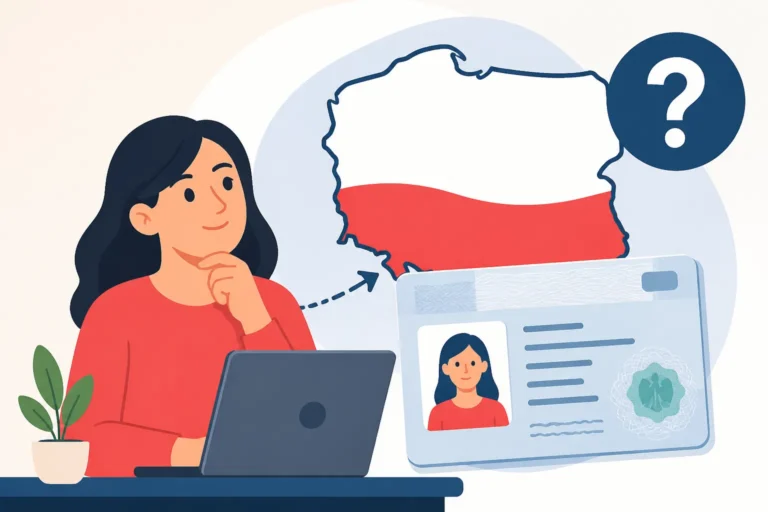
Simply put, a Karta Pobytu is your temporary residence permit in Poland. It’s issued by the Urząd Wojewódzki (Voivodeship Office) in your region and serves as official documentation of your right to live and, depending on its type, work or study in Poland. It contains your personal data, photo, fingerprints, and crucially, its validity period. This card is linked to your specific reason for staying – whether that’s employment, study, family reunification, or running your own business. It's not just a fancy ID; it allows you to access various public services, open bank accounts, sign rental agreements, and pretty much function as a resident. Think of it as your primary legal document, second only to your passport, confirming your legal status within the country. For many of us, it’s the tangible result of successfully navigating the initial application to get a temporary residence permit (Karta Pobytu) in Poland.
The Importance of Timely Renewal
Let me tell you, leaving things to the last minute in Poland, especially with anything bureaucratic, is a recipe for stress, sleepless nights, and potential complications. Renewing your Karta Pobytu isn't just a suggestion; it's a critical step to maintain your legal continuity in the country. If you allow your card to expire without having submitted a new application, you effectively lose your legal right to reside in Poland. This can have a ripple effect on every aspect of your life here. Your employer might have issues with your legal work status, your bank could freeze your account, and travelling, even within the Schengen area, could become impossible or lead to serious problems upon re-entry. It's about ensuring that your hard-earned stability in Poland doesn't suddenly disappear because of an oversight. The authorities really don't mess around with these things, so being proactive is key to a smooth transition.
Consequences of an Expired Card
So, what happens if you miss that all-important deadline? The consequences can be quite severe, and trust me, you don't want to find yourself in this situation. The most immediate and serious outcome is that your stay in Poland becomes illegal. This isn't just a slap on the wrist; it can lead to deportation orders, fines, and even a ban from re-entering the Schengen Area for several years. Imagine having built a life here – your job, your friends, your home – only for it all to be jeopardized because a piece of plastic expired.
Beyond the legal ramifications, daily life becomes a nightmare. Without a valid Karta Pobytu or an active application with the Urząd stamp in your passport, you can't officially work. Your employer might be compelled to terminate your contract, as employing someone without legal status carries heavy penalties for them. You might struggle to renew your rental agreement, access certain healthcare services, or even get new mobile phone contracts. Even something as simple as picking up a registered letter from the post office can become a challenge. This isn't fear-mongering; it's the harsh reality that many expats have faced. Planning for renewal well in advance is not just good practice, it's essential for your continued life here.
Navigating the "When" and "Where" of Your Application
Knowing when to submit your renewal application and where to actually do it are two of the biggest hurdles for expats in Poland. The timelines can feel tight, and the appointment booking system, well, let's just say it's an experience in patience and persistence. But fear not, we've all been there, and there are ways to navigate this bureaucratic maze.
The Golden Window for Submission
The general rule of thumb for renewing your Karta Pobytu is to submit your new application no later than the last day of validity of your current residence permit. However, being an expat in Poland means learning to act much earlier than "the last day." The official advice is to apply at least 90 days before your current card expires. Why so early? Because processing times at the Urząd Wojewódzki can be notoriously long – sometimes stretching to several months, or even over a year in some bustling cities like Warsaw or Krakow.
If you submit your complete application before your current permit expires, your stay in Poland remains legal even after the expiry date of your old card, thanks to a special "red stamp" (more on that later) placed in your passport. This continuity is vital. If you miss this window and apply after your card expires, you will technically be staying illegally, which opens you up to all those unpleasant consequences we just discussed. So, mark your calendars, set multiple reminders, and start preparing those documents well ahead of time. Think of it like booking a flight for a major holiday – the earlier, the better.
Booking That Elusive Urząd Wojewódzki Appointment
Ah, the legendary Urząd Wojewódzki appointment! This is often where the real fun begins for many expats. In larger cities, getting an appointment slot can feel like trying to win a lottery. Most Urzędy have moved to online booking systems, which can be both a blessing and a curse. Blessings because you don't have to queue for hours in the dead of winter, curse because slots get snatched up within minutes of becoming available, often at unpredictable times.
My best advice for booking an appointment at the Urząd Wojewódzki for immigration is to be persistent and strategic. Check the online portal frequently – some people report success by checking late at night, early in the morning, or even during lunch breaks when new slots might be released. Have all your details ready to input quickly. If the online system utterly fails you, some offices might still have limited walk-in options, but this is increasingly rare and usually involves very long waits. Sometimes, especially in smaller cities, a simple phone call might actually yield a helpful response! Don't be afraid to utilize expat forums and groups for tips specific to your city; locals often share insights on when new slots appear or if there's an alternative method.
Where to Submit Your Application
Your renewal application must be submitted to the Urząd Wojewódzki that corresponds to your registered place of residence (zameldowanie) in Poland. This is crucial because if you live in, say, Poznań, but try to submit your application in Wrocław, it will simply be rejected. Each Voivodeship office manages its own immigration cases.
Within the Urząd Wojewódzki, there might be a specific department or counter dedicated to foreigner affairs or residence permits. It's worth checking the specific website for your local Urząd Wojewódzki in advance to confirm the exact address, opening hours, and any specific requirements for submission (e.g., whether you need to bring all original documents or just copies for the initial submission). Sometimes, in very busy offices, there are special drop-off boxes for applications, or you might be able to mail it in by registered post. However, submitting in person is generally preferred as you can get that vital "red stamp" in your passport immediately, which officially confirms your application submission and legal stay.
Gathering Your Arsenal: Required Documents
This is where the Polish bureaucracy truly shines – or rather, blinds you with paperwork. The key to a successful renewal isn't just having the documents, but having them correctly translated, organized, and ready for scrutiny. Any missing or incorrectly prepared document can lead to delays, requests for supplements, or even rejection.
The Core Paperwork: Application Forms and Passport Copies
First things first, you'll need the application form itself. This is typically called "Wniosek o wydanie karty pobytu" or "Wniosek o udzielenie zezwolenia na pobyt czasowy" – don't get them confused! Make sure you download the most current version from your local Urząd Wojewódzki's website, as they do get updated. Fill it out meticulously, preferably in Polish, but English is sometimes accepted if Polish isn't your strong suit, though a Polish translation is usually safer.
You'll also need:
- Your passport: Bring the original for verification and provide copies of all pages with stamps, visas, and personal data. Seriously, all of them.
- Current Karta Pobytu: The original and a copy.
- Biometric photos: Usually 4-5 up-to-date, standard passport-sized photos taken according to strict guidelines (white background, looking straight, no glasses if possible, etc.). Don't try to reuse old photos; get new ones.
- Proof of payment for the application fee: This is typically a bank transfer confirmation.
It’s always a good idea to have several sets of copies for everything, not just one. Mistakes happen, and it’s better to be overprepared.
Proving Your Stay: Income, Accommodation, and Health Insurance
Now comes the "proof of life" part. The Polish authorities need to be convinced that you can support yourself and have a stable living situation.
- Proof of sufficient income: This is vital. If you're employed, you'll need your employment contract (umowa o pracę or umowa zlecenie), recent payslips (usually for the last 3-6 months), and a letter from your employer confirming your employment details and salary. For freelancers or business owners, this means detailed bank statements, tax declarations, and potentially a letter from your accountant. The income threshold can change, so always check the current requirements for your województwo. For those wondering, "Can I use public healthcare in Poland on a work visa?", demonstrating stable employment and income is key to maintaining your social security contributions.
- Proof of accommodation: A valid rental agreement (umowa najmu) is typically required. It should be officially registered and specify the duration of your stay. If you own property, you’ll need the akt notarialny (notarial deed). Sometimes, a zameldowanie certificate (official registration of residence) is also requested. If you haven't done it yet, learning how to register your residence (Zameldowanie) at the Urząd in Poland is a crucial step.
- Proof of health insurance: You must have valid health insurance covering your stay. If you're employed, your employer pays ZUS contributions, which include public health insurance through the NFZ. You’ll need a document from ZUS (e.g., ZUS RCA or RMUA from your employer) confirming your coverage. If you’re self-employed, you'll need proof of your voluntary NFZ contributions or private health insurance. Many expats opt for private options like Cigna Global to ensure comprehensive coverage and access to English-speaking doctors, especially given the complexities of understanding Poland's public healthcare system. Understanding "Health Insurance in Poland: Mandatory, Private and Subscription Options Explained" is vital here.
The "Why" of Your Stay: Work, Study, or Family Ties
The specific documents you need will also depend heavily on the basis of your residence permit.
- For Work Permits: If your Karta Pobytu is based on employment, you'll need an updated work permit (zezwolenie na pracę) or a "Single Permit" (zezwolenie na pobyt czasowy i pracę). Your employer usually handles the application for this on your behalf, so coordinate closely with them. Make sure the dates on your work permit align with your intended Karta Pobytu validity. The complete guide to working in Poland as a foreigner (2026) offers more details on these permit types.
- For Study Permits: Students need an updated university acceptance letter, proof of tuition payment, and often a bank statement showing sufficient funds to cover living expenses for the upcoming academic year.
- For Family Reunification: If your permit is tied to a Polish spouse or a family member with a residence permit, you'll need updated marriage certificates, birth certificates (for children), and potentially your spouse's Karta Pobytu or Polish ID. You might also need proof of relationship status, like a civil partnership declaration if applicable. For those sponsoring family members, knowing how to register family members for health insurance in Poland is also important.
- For Business Owners (JDG/Sp. z o.o.): This category is complex. You’ll need documentation of your business activity, financial statements, proof of tax payments, and evidence that your business contributes positively to the Polish economy (e.g., by creating jobs). This often requires a detailed business plan or reports from your accountant.
Markdown Table: Common Renewal Documents Checklist
| Document Category | Specific Documents | Notes |
|---|---|---|
| Application & ID | Completed application form (Wniosek) | Download latest version from Urząd Wojewódzki website |
| Original passport + copies of all pages | Including blank pages and all stamps/visas | |
| Original current Karta Pobytu + copy | Don't forget your old card! | |
| 4-5 biometric passport photos | Recent, according to strict Polish standards | |
| Financial & Employment | Employment contract (Umowa o pracę/zlecenie) | Original + copy; valid for proposed residence period |
| Employer declaration (if applicable) | Confirming employment, salary, and position | |
| Last 3-6 months' payslips | Essential proof of regular income | |
| Bank statements (personal/business) | Proving sufficient funds for living expenses | |
| Proof of ZUS contributions (ZUS RCA/RMUA) | Provided by employer or self-generated for self-employed | |
| Work permit (Zezwolenie na pracę) or Single Permit (Jednolite Zezwolenie) | If applicable, valid for proposed residence period | |
| Accommodation | Rental agreement (Umowa najmu) or property deed (Akt notarialny) | Original + copy; registered |
| Zameldowanie certificate (if available/required) | Proof of registered address | |
| Health Insurance | Proof of NFZ coverage (e.g., ZUS RMUA, ZUS ZUA for self-employed) | Confirms public health insurance |
| Private health insurance policy (e.g., Cigna Global) | If opting for private coverage; must meet minimum requirements | |
| Other (Based on reason) | University acceptance letter, tuition payment proof (for students) | |
| Marriage/birth certificates (for family reunification) | Official translations if not in Polish | |
| Business registration, financial reports (for business owners) | Extensive documentation needed | |
| Fees | Proof of payment for application fee | Bank transfer confirmation |
| Proof of payment for card issuance fee | Usually paid after approval, but some offices ask for it upfront |
Remember that official documents not in Polish (e.g., foreign marriage certificates) will require a sworn translation by a Polish sworn translator (tłumacz przysięgły). Don’t use a friend or Google Translate; it will be rejected. This is also why some international movers like Sirelo emphasize the importance of thorough documentation for smooth relocation processes, and residence card renewal is just another layer of that.
The Application Process: Step-by-Step Survival Guide
So, you've gathered your mountain of paperwork. Now comes the act of submission itself. This isn't just about handing over documents; it's about following a specific protocol to ensure your application is formally accepted and your legal status secured.
Preparing Your Application Package
Before you even step foot into the Urząd, take a deep breath and organize everything. This isn't a casual pile of papers; it's your entire life in Poland, condensed into a stack of official documents.
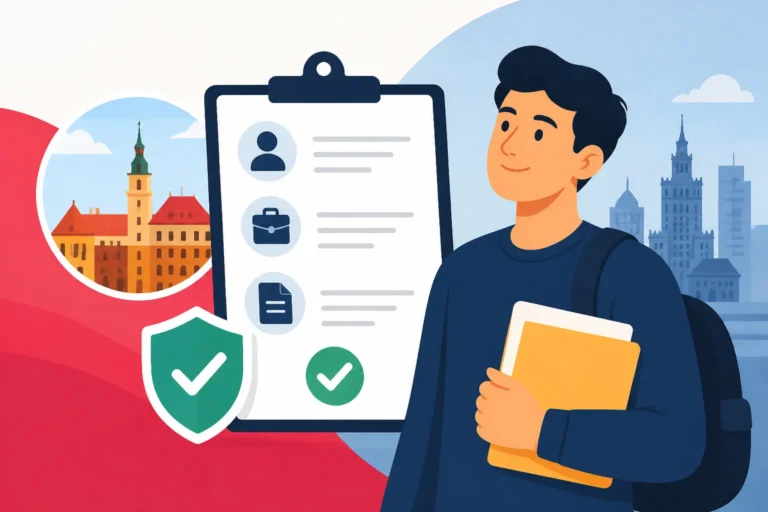
- Checklist, Checklist, Checklist: Use the official checklist provided by your Urząd Wojewódzki (usually available on their website) and tick off every single item. Double-check. Triple-check.
- Order Matters: Arrange your documents in a logical order, often the order they appear on the application form or checklist. This makes it easier for the case worker and shows you're organized.
- Copies and Originals: Have all originals readily available for verification and a complete set of copies to submit. The originals will be returned to you after verification.
- Translations: Any document not originally in Polish must have a sworn translation. Attach the translation directly to the original or copy it refers to.
- Photos: Place your biometric photos in a small envelope, labelled with your name and passport number. Don't staple them to the form, as they might need to be scanned.
- Payment Proof: Ensure your proof of application fee payment is clearly visible and attached.
A well-organized package speaks volumes and can save you from immediate rejection or requests for missing items. It shows you've taken the process seriously.
Submitting Your Application and the "Stamp of Life"
This is the moment of truth. Whether you have a pre-booked appointment or are braving a walk-in, arrive early and be prepared for potential waits.
- The Counter: When your number is called or your turn arrives, approach the counter calmly. Hand over your meticulously prepared application package.
- Verification: The case worker will typically review your documents, checking for completeness and verifying originals against copies. They might ask questions, so be ready to explain your situation. If anything is missing, they will often issue a "wezwanie do uzupełnienia braków" (request to supplement missing documents) with a deadline. This is why having extra copies and an organized folder is a lifesaver.
- The Red Stamp: If your application is deemed complete (or complete enough for initial acceptance), the case worker will place a crucial red stamp (pieczęć) in your passport. This stamp, often on one of the empty visa pages, confirms that you have submitted a timely and valid application for a residence permit. This stamp is incredibly important. From the moment it's in your passport, even if your old Karta Pobytu expires, your stay in Poland is considered legal while your application is being processed. It’s your temporary legal status. Without this stamp, your legal continuity is not guaranteed. Make sure you get it!
Keep the confirmation receipt (potwierdzenie złożenia wniosku) they give you. This document contains your case number (numer sprawy), which you’ll need to track your application status online.
Biometrics: Fingerprints and Photo Update
As part of the renewal process, you will almost certainly need to provide your biometrics, specifically your fingerprints and an updated photo (even if you submitted new ones with your application, sometimes they take one on the spot). This is part of how to get a residence card (Karta Pobytu) and its biometrics in Poland.
- When it Happens: This usually happens after your initial application submission. In some offices, they might take your fingerprints on the same day as your submission if there's an available slot. More commonly, you'll receive a separate letter (or email, if you're lucky and provided one) informing you of an appointment for biometric data collection. This letter will specify the date, time, and location (often a separate room or building within the Urząd).
- What to Expect: It’s usually a quick process. You’ll present your passport with the red stamp and the appointment letter. Your fingerprints will be digitally scanned, and a digital photo will be taken. Ensure your hands are clean and dry for fingerprint scanning.
- Why it Matters: Biometrics are essential for the security features of your new Karta Pobytu. Without them, your card cannot be issued. If you miss your biometric appointment, contact the Urząd immediately to reschedule, as delays here can hold up your entire renewal.
Once your biometrics are collected, it's back to the waiting game, but at least you've completed a major procedural step.
Common Hurdles and How to Jump Them
Let’s be honest, dealing with Polish immigration can sometimes feel like an obstacle course designed to test your patience and resolve. But you’re not alone! Many expats encounter similar frustrations, and knowing what to expect can help you prepare and navigate these challenges more effectively.
The Waiting Game: Delays and Lack of Communication
This is perhaps the single biggest source of frustration for anyone going through the Karta Pobytu renewal process. While official processing times are often stated as 60-90 days, the reality, especially in larger administrative centers like Warsaw, Krakow, or Wrocław, can be significantly longer – sometimes six months, nine months, or even over a year.
- Why the Delays? Understaffing, a high volume of applications, and complex legal frameworks all contribute to the backlog. Your application might be passed between different case workers, or it might just sit in a queue for weeks.
- Lack of Communication: Don't expect regular updates. You might only hear from the Urząd if they need additional documents. Otherwise, it’s usually silence. This can be anxiety-inducing, leaving you wondering if your application is even being processed.
- How to Cope:
- Online Status Check: Most Urzędy have an online portal where you can check the status of your application using your case number (numer sprawy). This is usually the only way to get real-time (or near real-time) information.
- Official Inquiries: If the wait becomes excessively long (e.g., beyond 6 months without any communication), you can send an official inquiry letter (zapytanie) by registered post, asking for an update on your case. Frame it politely and professionally.
- Patience is a Virtue: Truly, patience is key here. Understand that this is the norm, not an exception. Keep copies of everything, especially your passport with the red stamp, as proof of your legal status.
Language Barriers and Finding Assistance
Polish, with its tricky grammar and pronunciation, can be a formidable barrier, especially when dealing with official administrative matters. While some Urząd staff might speak English, you can't always count on it.
- The Challenge: Trying to explain complex details about your income, business, or family situation in broken Polish, or even understanding the nuances of a Polish official's questions, can lead to misunderstandings and errors.
- Finding Solutions:
- Polish-Speaking Friend/Colleague: If you have a trusted Polish friend or colleague, ask if they wouldn't mind accompanying you or helping you prepare correspondence.
- Professional Translator/Legal Aid: For critical documents or if you feel overwhelmed, hiring a professional translator or an immigration lawyer who specializes in expat cases can be invaluable. They can ensure your application is submitted correctly and can represent you if needed. While it's an added cost, it can save you immense stress and potential problems down the line.
- Online Translation Tools (with caution): For understanding general information on Urząd websites, browser translation tools can be helpful, but never rely on them for official correspondence or legal documents.
- Expat Communities: Local expat groups on social media are fantastic resources for asking questions and getting tips from others who have navigated similar situations. Many people share insights on how to find an English-speaking doctor in Poland or helpful immigration services.
What If Documents Are Missing or Incorrect?
It's common for the Urząd to request additional documents or clarifications after your initial submission. Don't panic, it's usually part of the process.
- The "Wezwanie": You'll receive an official letter (a wezwanie) by registered mail stating exactly which documents are missing or need correction. This letter will also specify a deadline (usually 7-14 days) by which you must submit these supplements.
- Act Quickly: Do not delay! As soon as you receive a wezwanie, gather the requested documents. If they require a sworn translation, get that done immediately.
- Submission of Supplements: You can often submit the supplementary documents by dropping them off at a designated counter at the Urząd, or sometimes via registered mail. Make sure to include your case number (numer sprawy) on all documents. Get a confirmation of submission if dropping them off in person.
- If You Can't Meet the Deadline: If, for a legitimate reason, you cannot gather the documents by the deadline (e.g., waiting for a document from abroad), you can write a formal request to extend the deadline (wniosek o przedłużenie terminu). Do this before the original deadline expires, explaining your reasons clearly. While not guaranteed, extensions are sometimes granted. Failing to respond to a wezwanie can lead to your application being left without consideration (pozostawienie wniosku bez rozpoznania), which is effectively a rejection.
Life During the Processing Period: What You Can and Cannot Do
Once you've submitted your application and secured that precious red stamp in your passport, you enter the limbo of the processing period. While your stay is legal, there are certain limitations and things you need to be aware of to avoid any missteps.
The Temporary Stay: Understanding the Red Stamp
The red stamp (pieczęć) in your passport is your best friend during the waiting game. It's official confirmation that you have a pending application for a residence permit.
- Legal Stay: The most important thing is that the red stamp legalizes your stay in Poland even if your previous Karta Pobytu expires. You are not considered an illegal immigrant, and your rights (like working if your permit type allows it) generally continue.
- Travel Restrictions: Here's the catch: the red stamp generally does not allow you to travel outside of Poland and re-enter the Schengen Area. While you might be able to leave Poland, re-entry could be problematic, as the stamp is not a visa and is only recognized by Polish border authorities. If you absolutely must travel, especially outside the Schengen zone, consult with the Urząd or an immigration lawyer beforehand. Some exceptions might apply if you are an EU citizen family member, but for most non-EU expats, travel is a no-go. This is a critical point that many foreigners overlook and end up in difficult situations.
- Proof of Status: Always carry your passport with the red stamp and the application confirmation receipt with you, as these are your proof of legal stay.
Working and Living with an Ongoing Application
For most expats, the ability to work and live normally is paramount. The good news is that for those with work-based residence permits, the red stamp generally allows for continuity.
- Employment: If your Karta Pobytu application is based on employment, and you have submitted it on time, you typically retain the right to work for the same employer under the same conditions as before. Your employer should be aware of this and understand that the red stamp replaces the need for a valid Karta Pobytu during processing. However, if you plan to change employers or job positions during this period, it's a very grey area and generally not recommended without specific legal advice, as a new work permit might be required, which could affect your pending residence permit application. The complete guide to working in Poland as a foreigner (2026) delves into these nuances.
- Accessing Services: You should continue to have access to public services, banking, and healthcare. Keep your ZUS health insurance documents handy, and your passport with the stamp, as proof of your legal status. Providers like Cigna Global also offer flexibility during such administrative transitions.
- Rental Agreements: If your rental agreement needs renewal during this period, presenting your passport with the red stamp and your application confirmation should suffice as proof of your legal stay to your landlord.
The key is to understand that while your status is legal, it's temporary and conditional. Any major life changes (like switching jobs, or if you're a student, dropping out of university) could jeopardize your pending application, so proceed with caution and seek advice if unsure.
The Final Decision and Receiving Your New Card
The end of the waiting game arrives with the decision on your application. This is the moment you've been working towards!
- Positive Decision: If your application is approved, you will receive a formal decision letter (decyzja o udzieleniu zezwolenia na pobyt czasowy). This letter will confirm the duration of your new residence permit and provide instructions on how to pay the card issuance fee (if not already paid) and how to collect your new Karta Pobytu.
- Card Issuance: After paying the fee, you'll typically be informed when your new physical Karta Pobytu is ready for collection. This might involve another appointment or simply picking it up at a designated counter. When you collect it, they will usually ask for your old Karta Pobytu to invalidate it.
- Negative Decision: Unfortunately, not all applications are approved. If your application is rejected, you will receive a decyzja o odmowie udzielenia zezwolenia na pobyt czasowy. This letter will state the reasons for the rejection and inform you of your right to appeal the decision within a certain timeframe (usually 14 days). If you receive a negative decision, it's highly advisable to seek immediate legal counsel from an immigration lawyer to understand your options and the appeal process.
- Appealing a Decision: An appeal is submitted to the Head of the Office for Foreigners (Szef Urzędu do Spraw Cudzoziemców) in Warsaw, usually through your local Urząd Wojewódzki. Submitting an appeal also generally legalizes your stay during the appeal process, giving you more time to resolve the issue.
Receiving your new Karta Pobytu feels like a huge weight off your shoulders. Make sure all the details on it are correct – your name, date of birth, and expiry date. If anything is wrong, report it immediately.
Costs, Fees, and Practical Tips
Let's talk money and strategy. Renewing your Karta Pobytu isn't free, and there are other associated costs that can add up. Knowing these upfront, and having a few practical tips in your back pocket, can make the whole experience a lot less painful.
Understanding the Application Fees
There are two main fees associated with your Karta Pobytu renewal:
- The Application Fee (Opłata Skarbowa za udzielenie zezwolenia na pobyt czasowy): This is the fee you pay to have your application processed. As of late 2024, this fee is typically 340 PLN for most temporary residence permits. However, fees can vary depending on the type of permit (e.g., EU Blue Card might have a different fee). Always check the most current fee on your Urząd Wojewódzki's website.
- The Card Issuance Fee (Opłata za wydanie karty pobytu): This is a separate fee for the actual physical card. This fee is currently 100 PLN.
Both fees are usually paid via bank transfer to a specific bank account provided by the Urząd Wojewódzki (it's often the same account for both, but check carefully). You must include the correct title for the transfer, which usually includes your name, surname, and what the payment is for (e.g., "Opłata za Karta Pobytu – [Your Name] [Your Surname]"). Keep the proof of payment; it's a mandatory document for your application.
Additional Costs: Photos, Translations, and Legal Help
While 440 PLN for the official fees might seem reasonable, there are several other expenses that can quickly add up:
- Biometric Photos: A set of professional biometric photos usually costs around 30-50 PLN.
- Sworn Translations: This can be a significant cost if you have many documents not in Polish. Sworn translators typically charge per page or per 1,125 characters, and rates can vary. A single-page marriage certificate translation might cost 50-100 PLN, but if you have multiple foreign documents, this quickly adds up.
- Notarization: Occasionally, you might need copies of documents notarized, which incurs another small fee per document.
- Immigration Lawyers/Consultants: For complex cases, or simply for peace of mind, many expats choose to hire an immigration lawyer or consultant. Their fees can range widely, from a few hundred PLN for basic document review to several thousand PLN for full representation throughout the process. Consider this an investment to avoid costly mistakes.
- Travel Costs: If you live far from your Urząd Wojewódzki, factor in public transport or fuel costs for multiple trips (submission, biometrics, collection, supplements).
Budgeting for these additional expenses is important so you’re not caught off guard.
Essential Tips for a Smoother Renewal
Having been through this myself, and seen countless others navigate it, here are some nuggets of wisdom that I wish I'd known when I first arrived:
- Start Early, Seriously Early: Don't just apply 90 days before; start preparing your documents 4-5 months before your expiry. This gives you ample time for translations, getting employer letters, and booking appointments.
- Create Your Own Checklist: Even with the official one, make your own detailed checklist, perhaps even itemizing where you've stored each document. This will help you keep track of all your documents when preparing for your Karta Pobytu application.
- Organize and Label Everything: Use folders, dividers, and sticky notes. A well-organized package genuinely makes a good impression and speeds up the caseworker’s process.
- Keep Copies of EVERYTHING: Every single document you submit, every letter you send, every receipt you get – keep a copy. Ideally, scan them and keep a digital backup too.
- Learn Basic Polish Bureaucratic Phrases: Even a few key phrases like "Chciałbym złożyć wniosek" (I would like to submit an application) or "Potrzebuję potwierdzenia" (I need confirmation) can make a difference.
- Don't Be Afraid to Ask (Respectfully): If you're unsure about a document, try to clarify it via email or phone with the Urząd if possible, or consult expat forums. When speaking to a caseworker, be polite and patient. A little kindness goes a long way.
- Track Your Application: Regularly check the online status. While it might not update daily, it’s often the only proactive step you can take.
- Join Expat Groups: Facebook groups for expats in your city (e.g., "Expats in Warsaw," "Krakow Expats") are goldmines of real-time advice, shared experiences, and support. People often post about new appointment slots or common issues.
- Consider Professional Help: If your situation is complicated (e.g., self-employed with unusual income, family reunification with foreign documents, or a past rejection), seriously consider hiring an immigration specialist. The peace of mind alone can be worth the cost. For larger moves or comprehensive planning, services like Sirelo can also help with the logistical aspects of international relocation, which often go hand-in-hand with visa renewals.
Renewing your Polish residence card might feel like a daunting task, but with careful preparation, patience, and a bit of persistence, you'll get through it. Keep your chin up, powodzenia (good luck)!
Disclaimer
The information provided in this guide is intended for general informational purposes only and does not constitute legal, financial, or immigration advice. While every effort has been made to ensure accuracy and up-to-date information, regulations in Poland can change frequently and vary by Urząd Wojewódzki. It is always recommended to consult official government sources, your local Urząd Wojewódzki, or a qualified immigration lawyer or consultant for advice specific to your individual situation. Reliance on any information provided in this article is solely at your own risk.