Can I Renew My Karta Pobytu in Poland?
The moment that little plastic card, your Karta Pobytu, starts flashing its expiry date at you, a familiar wave of anxiety can hit. It’s a rite of passage for every expat in Poland, that dread of the looming bureaucracy. But take a deep breath, because yes, you absolutely can renew your Karta Pobytu in Poland, and this guide is here to walk you through every twist and turn, helping you understand the process and alleviate some of that very real expat stress.
Understanding the Karta Pobytu Renewal Process
Let's face it, dealing with Polish administration can feel like navigating a particularly thorny labyrinth, especially when your right to stay in the country hangs in the balance. The good news is that renewing your Karta Pobytu, or temporary residence permit, is a well-established procedure, albeit one that requires meticulous attention to detail and a healthy dose of patience. It’s not a completely new application from scratch, but rather a continuation of your legal stay, based on the same or a new purpose.
The key thing to remember is that you're applying for another temporary residence permit. While it's often referred to as a "renewal," technically, you're submitting a new application for a continuation of your temporary stay. This means many of the documents you gathered the first time around will be needed again, but with updated information. The Polish authorities want to confirm that your circumstances still warrant your stay here, whether it’s for work, study, family, or running your own business. They’re looking for continuity and stability in your situation.
The Early Bird Gets the Permit: Why Timing is Everything for Renewal
One of the biggest lessons I’ve learned living in Poland is that when it comes to official paperwork, sooner is always, always better. This holds especially true for your Karta Pobytu renewal. You don't want to find yourself in a frantic rush, scrambling for documents as your current card’s expiry date looms large. The standard advice is to submit your application at least 60 days before your current permit expires. However, I’ve seen enough expats caught out by delays to confidently say: start even earlier if you can. Three to four months out is a much safer bet.
Why Procrastination is Your Enemy
Imagine this scenario: your Karta Pobytu expires next month, and you just remembered you haven't applied for renewal. Panic sets in. You rush to the Urząd Wojewódzki, only to find the next available appointment is in two weeks. Even if you manage to submit your application on time, the processing times can be notoriously long. We’re talking months, sometimes even over a year, depending on the voivodeship (province) you live in and the current workload of the immigration office. During this waiting period, you generally receive a stamp in your passport confirming that your application is pending, which allows you to stay in Poland legally. However, this stamp doesn't automatically grant you the right to travel outside of Poland and re-enter the Schengen area. If you leave, you might face issues coming back in if your previous visa or permit has expired and your new one isn't yet issued. This is why forward planning is absolutely critical. Nobody wants to be stranded or have their travel plans ruined because of a simple administrative oversight.
The Magical "Stamp" and What It Means
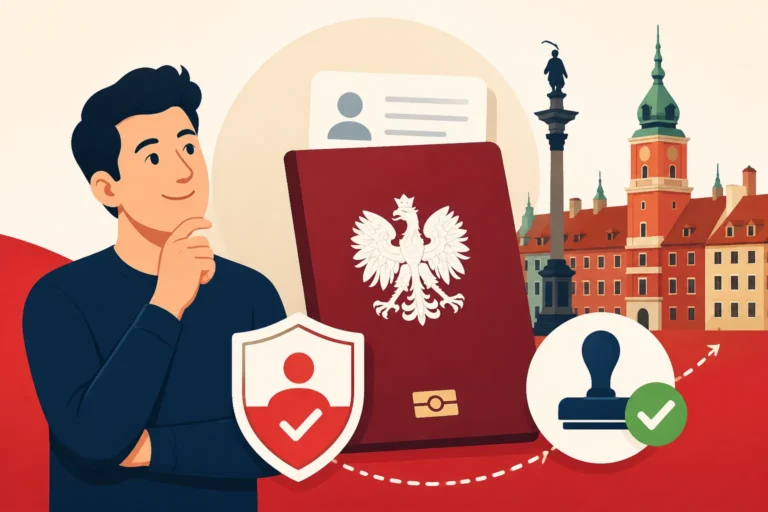
Once you've submitted your complete application (and they determine it's free of formal errors), the Urząd Wojewódzki will place a stamp in your passport. This stamp, known as pieczęć (or pieczątka), is your saving grace. It officially confirms that your temporary residence application is pending. This is crucial because it means that even if your current Karta Pobytu expires while your new application is being processed, your stay in Poland remains legal. You won't become an illegal immigrant overnight – phew! However, and this is a big however, this stamp does not grant you unrestricted travel in the Schengen area. While it allows you to remain in Poland, if you leave the country, especially to another Schengen state, you might face complications trying to re-enter. Border guards in other countries might not recognize the Polish stamp as a valid travel document. So, if you're planning any international trips, try to schedule them before your current Karta Pobytu expires, or after your new one has been issued and you've received your new card. For detailed information, you can always refer to the guide on How Long Does It Take to Get a Karta Pobytu in Poland?.
Navigating the Renewal Application: Documents, Deadlines, and Data
The process of renewing your Karta Pobytu often feels like déjà vu. You'll largely need to provide similar documents as your initial application, but ensure everything is up-to-date and reflects your current situation. The specific list can vary slightly depending on the basis of your stay (e.g., work, study, family reunion, self-employment), so always check the website of your local Urząd Wojewódzki. These websites, while often challenging to navigate, are your definitive source of truth for the most current requirements.
The Paper Trail: Essential Documents for Renewal
You'll need a comprehensive set of documents, usually including:
- Application Form (Wniosek): This is your primary document. Fill it out completely and accurately. Often, you'll need two copies.
- Passport Photos: Current biometric photos (usually four copies) that meet specific standards. Think clear background, neutral expression – no smiles!
- Valid Travel Document: Your passport, with copies of all pages containing stamps, visas, and personal data.
- Proof of Stable and Regular Income: This is where they check if you can actually support yourself. This could be your employment contract, bank statements showing regular salary payments, or if you're self-employed, proof of your company's income and tax payments. This is a common sticking point for many.
- Proof of Health Insurance: This is non-negotiable. You must demonstrate that you have adequate health insurance coverage for your entire stay. If you’re employed in Poland, your ZUS contributions usually cover this, but you’ll need proof. If you’re self-employed or not covered by ZUS, you’ll need private insurance. Many expats opt for international private plans like those offered by Cigna Global for comprehensive coverage and peace of mind. Even if you're under the NFZ, you should provide proof of your Understanding ZUS Health Contributions (Składka Zdrowotna) in Poland.
- Proof of Accommodation: A rental agreement, a umowa użyczenia (loan for use) if living with someone for free, or a property deed if you own your home. This proves you have a place to live. Check out How Do I Prove Accommodation for a Polish Residence Permit? for more details.
- Confirmation of Stamp Duty Payment: A receipt proving you’ve paid the required fee for the application. This is typically paid via bank transfer to the city or gmina office.
- Justification for Stay: This is vital.
- For Work: A new or extended work permit (Zezwolenie na pracę) or a oświadczenie o powierzeniu wykonywania pracy cudzoziemcowi (declaration of entrusting work to a foreigner), and your current employment contract. Your employer plays a significant role here.
- For Study: A certificate from your university confirming your continued enrolment and study status.
- For Family Reunification: Documents confirming your relationship (marriage certificate, birth certificates) and your spouse’s/parent’s residence status in Poland.
- For Business (JDG): Updated business registration documents, proof of income, and perhaps even a business plan demonstrating economic viability. How to Register a JDG (Jednoosobowa Działalność Gospodarcza) in Poland is a great resource if this is your basis.
The Devil is in the Details: Notarized Copies and Translations
Always, always provide copies of your original documents. However, be prepared to show the originals for verification. For documents not issued in Polish (like marriage certificates from your home country), you will almost certainly need an official sworn translation (tłumaczenie przysięgłe) done by a certified Polish sworn translator. Don't try to get away with a regular translation – the Urząd will reject it, and you'll be back to square one. This is one of those small details that can cause significant delays if overlooked. A general guide for this can be found in How to Prepare Documents for a Karta Pobytu Application.
Here’s a simplified comparison of general document requirements:
| Document Category | Initial Karta Pobytu Application | Renewal Karta Pobytu Application |
|---|---|---|
| Application Form | Standard Wniosek (usually two copies) | Standard Wniosek (usually two copies), ensuring all sections are updated with current information (e.g., new address, new employment details). |
| Photos | 4 current biometric photos | 4 current biometric photos (must be recent, typically within the last 6 months) |
| Travel Document | Valid passport, copies of all relevant pages | Valid passport (must be valid for at least the duration of your requested new permit), copies of all relevant pages, including any new visas or stamps acquired since the last application. |
| Health Insurance | Proof of health insurance (e.g., ZUS, private plan like Cigna Global) | Updated proof of health insurance (e.g., current ZUS contributions, new private insurance policy valid for the requested period). |
| Accommodation | Rental contract, property deed, or umowa użyczenia | Current rental contract, updated umowa użyczenia, or property deed (if ownership changed). |
| Financial Means | Bank statements, employment contract, scholarship letter | Updated bank statements, current employment contract, proof of stable income for the previous months/year. If self-employed, updated company financials. |
| Purpose of Stay | Work permit/declaration, university acceptance letter, marriage certificate, business registration. | Updated work permit/declaration (or extension), current university certificate, renewed marriage certificate (if applicable), updated business registration/activity confirmation. This is the core justification for your continued stay. |
| Stamp Duty (Opłata Skarbowa) | Payment receipt for the permit application fee. | New payment receipt for the permit application fee. |
| Original Karta Pobytu | N/A (for initial application) | Your expiring Karta Pobytu card (to be presented, often copied, and then returned). |
| PESEL | Usually obtained as part of the process or separately. | Your existing PESEL number is crucial for identification. If you don't have one, this is a good time to ensure it's processed (see How to Get Your PESEL Number and Why It Matters for Healthcare). |
| Biometrics | Fingerprints taken during the initial application. | Fingerprints will be taken again at a later stage after your application is processed and approved. |
From Paperwork to Plastic: The Biometrics and Waiting Game
Once you’ve submitted your application, often by booking an appointment at the Urząd Wojewódzki (which can be a challenge in itself – check out How Do I Book an Urząd Wojewódzki Appointment for My Karta Pobytu?), the real waiting game begins. You might be called in for an interview, especially if there are questions about your application or if your situation has changed significantly. Be prepared to answer questions about your life in Poland, your work, your finances, and your ties to the country.
The Biometrics Appointment
After your application is deemed complete and formally accepted, you'll be invited to provide your biometric data, which primarily means having your fingerprints taken. This usually happens at the Urząd Wojewódzki itself, often at a specific counter dedicated to biometrics. It's a quick process, but it's an essential step towards getting that new plastic card. This data is stored on your Karta Pobytu, making it a secure and verifiable document. This process is similar to what you went through to How Do I Get a Biometric Residence Card in Poland? the first time.
The Long Wait for the Decision
Here’s where your patience will truly be tested. Processing times can be frustratingly long, stretching from a few months to well over a year. There’s no exact science to it, and it largely depends on the specific Urząd Wojewódzki and their current caseload. While your passport stamp allows you to stay legally, the lack of a physical card can be inconvenient for things like travel or even some administrative procedures where a valid ID with an expiry date is requested. If you find yourself needing to keep track of a lot of moving parts in your expat life, including permits and other official documents, sometimes just having a system like one of those recommended by Sirelo for relocation planning can help keep your sanity. Keep an eye on the Urząd's online status checker (if available) or be prepared to send polite inquiry emails after several months have passed.
When Things Go Sideways: Common Pitfalls and What to Do
The Karta Pobytu renewal process, while standard, isn’t without its potential headaches. Expats frequently encounter similar issues, and knowing about them beforehand can help you sidestep some common frustrations.
Missing Documents and "Wezwanie" Letters
The most common reason for delays is an incomplete application. Even one missing signature or an incorrectly dated document can cause a setback. If the Urząd finds any formal errors or missing documents, they will send you a wezwanie (a formal letter) requesting the missing information or correction. This letter will specify a deadline, typically 7 to 14 days, by which you must submit the requested items. It’s absolutely crucial to respond to these letters promptly. If you fail to do so, your application might be rejected. Always make sure your address on file with the Urząd is up-to-date so you don't miss these critical communications.
Changes in Circumstances During Processing
Life happens, and sometimes your circumstances change after you’ve submitted your renewal application but before a decision is made. Perhaps you changed jobs, your marital status changed, or you moved to a new apartment. While generally, you’re expected to inform the Urząd of significant changes, changing jobs, especially if it affects the basis of your residence permit (e.g., moving from one employer to another when your permit is based on a specific employer), can complicate things. In such cases, you might need to withdraw your current application and submit a brand new one with your updated information, or provide extensive supplementary documentation. It’s always best to consult with the Urząd directly or seek legal advice if your situation changes drastically mid-application.
What If Your Permit Expires While Waiting for a Decision?
As mentioned, the stamp in your passport is your lifeline. It confirms your legal stay. However, if you need to travel internationally and your Karta Pobytu has expired and no new one has been issued, you are generally advised against leaving Poland. Re-entry into the Schengen Area can be problematic. If urgent travel is absolutely necessary, consider if applying for a national D-type visa from a Polish consulate in the country you are visiting is an option, or consult with an immigration lawyer about your specific situation. This is a stressful situation no one wants to be in, so planning ahead is truly the best defense.
Remember, the goal of the Karta Pobytu renewal is to prove your continued legal basis for staying in Poland. With thorough preparation, careful attention to detail, and a bit of patience, you'll likely have your new plastic card in hand before you know it.
Disclaimer
The information provided in this guide is intended for general informational purposes only and does not constitute legal advice. While we strive to keep the information accurate and up-to-date, immigration laws and procedures in Poland can change frequently. It is always recommended to consult with the official Polish immigration authorities (Urząd Wojewódzki) or a qualified immigration lawyer for personalized advice regarding your specific situation.