Understanding Hospital Care at a Szpital in Poland
One of the most intimidating experiences as an expat in Poland is the prospect of being admitted to a hospital (szpital). Between the complex bureaucracy of the NFZ and the daunting language barrier, it is easy to feel overwhelmed. This guide demystifies the Polish hospital system, explaining everything from emergency admissions to daily ward life, ensuring you know exactly what to expect.
The Landscape of Hospital Care in Poland
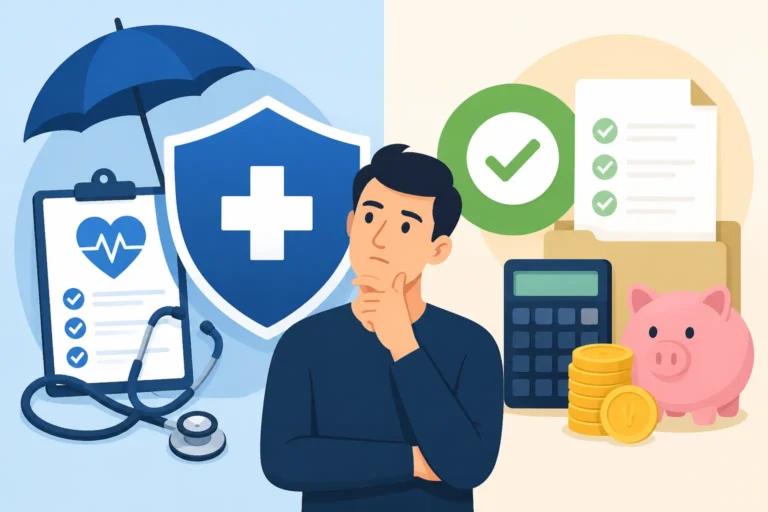
Navigating the healthcare infrastructure in a new country requires understanding the fundamental split between the state-funded system and the rapidly growing private sector. In Poland, hospitals are generally divided into public facilities (often teaching hospitals or municipal centers) and private clinics. While the quality of medical expertise is high in both, the "vibe" and administrative processes differ significantly.
Public Hospitals and the NFZ System
Public hospitals, or szpitale publiczne, are the backbone of Polish medicine. These institutions handle the most complex cases, from major trauma and neurosurgery to advanced oncology. If you find yourself in a serious medical crisis, a large public university hospital, such as the Central Clinical Hospital of the MSWiA in Warsaw or the University Hospital in Krakow, is where you want to be. These facilities are funded by the National Health Fund (NFZ) and are accessible to anyone paying their monthly contributions.
However, the public system often suffers from underfunding in areas of comfort and aesthetics. You might find yourself in a ward with four or five other patients, sharing a bathroom in the hallway. The staff is highly skilled, but the nurses (pielęgniarki) are frequently overworked and may not have the time for the "hospitality" aspect of care. For many expats, the primary hurdle is that while doctors usually speak English, the support staff may only speak Polish. Understanding How Poland's National Health Fund (NFZ) Works: A Full Overview is crucial for navigating these waters.
Private Hospitals and Clinics
Private hospitals, often referred to as kliniki prywatne, offer a starkly different environment. Companies like Medicover or LUX MED operate facilities that feel more like high-end hotels than medical wards. Here, you can expect private or semi-private rooms, modern amenities, and a much higher likelihood of English-speaking staff throughout the entire patient journey. These are excellent for elective surgeries, childbirth, or minor procedures.
The trade-off is the scope of care. Many private hospitals are not equipped to handle major emergencies or extremely rare, life-threatening complications. In such cases, they will often stabilize a patient and transfer them to a specialized public unit. Furthermore, unless you have a specific premium insurance plan or are paying out-of-pocket, these stays are not covered by the standard NFZ contribution. Digital nomads or those waiting for their residency cards often find that a plan from SafetyWing provides the necessary bridge for emergency coverage before they are fully integrated into the local system.
Specialist and Teaching Hospitals
Poland also has a network of highly specialized hospitals (szpitale specjalistyczne). These focus on specific areas such as cardiology, pulmonology, or pediatrics. Teaching hospitals (szpitale kliniczne) are affiliated with medical universities and are often at the forefront of medical research. If your condition is chronic or rare, you may be referred to one of these centers regardless of where you live.
For instance, the Children’s Memorial Health Institute in Warsaw is one of the largest pediatric centers in Europe. While the bureaucracy at these larger institutions can be dense, the level of clinical knowledge is world-class. If you are a new resident, it is worth knowing How to Find an English-Speaking Doctor in Poland who can help you navigate the referral process to these specialized hubs.
The Admission Process Explained
Whether your stay is planned months in advance or results from a sudden midnight accident, the entry point into a Polish hospital follows a strict set of protocols. Understanding the paperwork and the "gatekeepers" will save you significant stress.
Planned Admissions and Referrals
For elective procedures, such as a scheduled hernia repair or a planned C-section, you cannot simply show up at the hospital. You must have a skierowanie (referral). In the modern Polish system, this is almost always an e-skierowanie, a digital code sent to your phone or accessible through your online patient portal. This referral is issued by your primary care physician (lekarz POZ) or a specialist.
Once you have your referral, you must contact the hospital's admission office (Izba Przyjęć) to be put on a waiting list (kolejka). Waiting times for non-urgent procedures in public hospitals can range from a few weeks to over a year, depending on the specialty. It is vital to stay proactive; once you are in the system, Understanding the e-Skierowanie (E-Referrals) Work for Specialists in Poland will help you track your progress. On the day of admission, you must bring your PESEL number, proof of insurance, and all previous medical records.
Emergency Admissions via SOR
If you have a sudden, life-threatening emergency, you go to the SOR (Szpitalny Oddział Ratunkowy), which is the Emergency Room. In Poland, SOR units use a triage system categorized by colors: red (immediate), orange (very urgent), yellow (urgent), green (standard), and blue (non-urgent). If you arrive with a minor ailment that could be handled by a GP, expect a very long wait—sometimes upwards of 8 to 12 hours.
The SOR is high-pressure. You will be asked for your PESEL immediately. If you are a non-EU citizen without a PESEL yet, this is where things can get complicated. Having a private travel or expat insurance policy, like SafetyWing, is immensely helpful here, as it can cover the costs if the hospital deems you "uninsured" by NFZ standards in that moment. For a deeper dive into these situations, see our guide on Emergency Medical Care in Poland: What Every Expat Needs to Know.
The Role of the Izba Przyjęć
The Izba Przyjęć is the "Waiting Room" or "Admission Chamber" where the final decision to admit you is made. Even with a referral, a hospital doctor will examine you here to confirm that hospitalization is necessary. This is where the bulk of the administrative work happens. You will sign consent forms (mostly in Polish), surrender your street clothes for a hospital gown if required, and be assigned to a specific ward (oddział).
It is a common sight to see people waiting in the Izba Przyjęć with bags packed, as the process can take several hours. If you are helping a friend or family member, make sure they have their phone charger and some water. If you are still in the process of moving, you might find that How to Get Your PESEL Number and Why It Matters for Healthcare is the most important administrative task to finish before you ever need the Izba Przyjęć.
Life Inside the Polish Hospital Ward
Once you are moved from the admission area to the ward, the rhythm of Polish medical life begins. For many foreigners, this is the part that feels most "culturally different."
The Hospital Hierarchy and Staffing
In a Polish hospital, the "Ordynator" is the head of the ward and the ultimate authority. Under them are the "lekarze prowadzący" (attending physicians) and residents. You will likely see your doctor during the "obchód" (morning rounds), which usually happens between 8:00 AM and 10:00 AM. This is your primary window to ask questions. Since doctors are busy, it helps to have your questions written down (perhaps translated into Polish if your doctor's English is limited).
Nurses (pielęgniarki) handle the day-to-day care, medications, and vitals. In many public hospitals, there is a separate category of staff called "salowe" who handle cleaning and meal distribution. They generally do not have medical training. Understanding this hierarchy helps you direct your requests to the right person; don't ask the cleaning staff for pain medication, as they aren't authorized to help.
The Daily Routine and Meals
Polish hospital days start early. Expect to be woken up at 6:00 AM for temperature checks or blood draws. Breakfast is served shortly after. A word of warning: Polish public hospital food is legendary for being sparse. It often consists of a few slices of bread, a pat of butter, and perhaps a slice of ham or a dollop of white cheese (twaróg).
Lunch (obiad) is the main meal, usually served around 1:00 PM, typically consisting of soup and a meat-and-potato dish. Dinner is served early, often by 5:00 PM or 6:00 PM, and is similar to breakfast. Most Polish patients rely on family members to bring in extra food, snacks, and bottled water. If you don't have local family, many hospitals have a "sklepik" (small shop) or a cafeteria on the ground floor where you can buy supplies.
Shared Spaces and Privacy
Privacy is handled differently in Poland than in many Western countries. In public hospitals, curtains between beds are rare. You will get to know your roommates’ medical histories whether you want to or not. However, there is a strong sense of solidarity among patients. It is not uncommon for a mobile patient to help a bedridden one or for roommates to share snacks.
If you prefer more privacy, some public hospitals offer "VIP rooms" or single rooms for an extra fee, but these are limited in number and often fully booked. If comfort is your priority, looking into Understanding Private Medical Subscriptions (Medicover, LUX MED) in Poland might be a better path for future needs, as these facilities prioritize private rooms.
| Feature | Public Hospital (NFZ) | Private Hospital (Subscription/Cash) |
|---|---|---|
| Cost | Free (with ZUS contributions) | High / Subscription based |
| Waiting Times | Can be long for elective surgery | Usually very short |
| Room Quality | 3-6 beds per room, shared bath | Private or 2-bed, ensuite bath |
| Specialization | High (handles complex trauma) | Limited to elective/standard care |
| English Level | Good among doctors, low among staff | Usually high across all staff |
| Food | Basic / Minimal | Catering style / Menu options |
Costs, Insurance, and Documentation
The financial side of a hospital stay in Poland is either very simple or very complex, depending on your residency status and insurance coverage.
Coverage Under the NFZ
If you are legally employed in Poland or are the spouse of someone who is, you are likely covered by the NFZ. This means your hospital stay, surgery, medication, and meals are covered 100%. You do not see a bill, and you do not pay a co-pay. This is a massive benefit of the Polish system. To ensure you stay in the clear, keep an eye on Understanding ZUS Health Contributions (Składka Zdrowotna) in Poland to make sure your payments are up to date.
For those who are self-employed, the responsibility lies with you to pay these contributions monthly. If there is a lapse in payment, the hospital may bill you after discharge. This is another area where SafetyWing can be a lifesaver; if you are in a transitional period between jobs or just arrived in the country, their coverage ensures you aren't hit with a massive bill for an emergency appendix removal.
Costs for Uninsured Patients
If you do not have NFZ coverage and do not have private insurance, a hospital stay in Poland is expensive, though still often cheaper than in the United States. A single day in a general ward can cost between 500 PLN and 1,500 PLN, plus the cost of any procedures, diagnostic tests (like MRIs), and medications. A major surgery could easily reach 20,000 PLN or more.
European Union citizens can use their EHIC card for emergency treatment, but this is only for "necessary" care, not elective procedures. If you are a non-EU expat, The Complete Guide to Healthcare in Poland for Expats (2027) provides a roadmap for getting your insurance sorted before an emergency occurs.
Digital Health Records and IKP
Poland has moved aggressively into digital health. Almost everything—your prescriptions, your referrals, and your hospital discharge summaries—is recorded in the Internetowe Konto Pacjenta (IKP). You should set this up as soon as you get your PESEL and a Trusted Profile (Profil Zaufany).
During your stay, the doctors will upload your results here. This makes it much easier to share your history with your GP later. If you haven't done this yet, read How to Set Up an Internetowe Konto Pacjenta (IKP) Patient Account immediately. It is the most useful tool an expat can have in the Polish medical system.
Discharge and the Road to Recovery
Leaving the hospital is not just about walking out the door; it involves a specific set of documents that are essential for your employer and your follow-up care.
The Wypis (Discharge Summary)
When you are cleared to leave, you will receive a Karta Informacyjna z Leczenia Szpitalnego, commonly known as a wypis. This is a multi-page document detailing your diagnosis, the treatment provided, the results of all tests, and recommendations for recovery. Do not lose this document. You will need it for your family doctor and any future specialist visits.
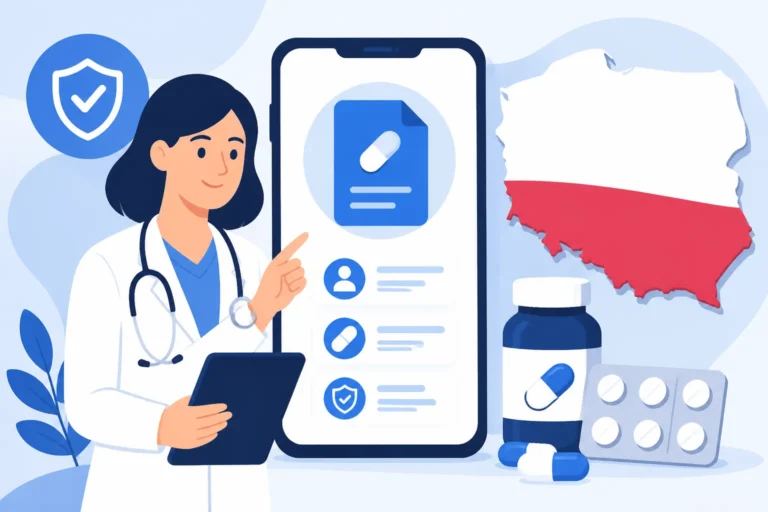
The wypis will also contain any prescriptions you need. In Poland, these are now e-recepty. You will receive a 4-digit code via SMS or email, which you take to any pharmacy along with your PESEL. The system is efficient, but ensure you understand the dosage instructions before the doctor leaves your room, as the written wypis will be in medical Polish.
Sick Leave (L4)
If you are employed in Poland, the hospital will issue an electronic sick leave certificate, known as an L4 or ZLA. This is sent directly to ZUS and your employer. You don't need to hand-deliver a paper note anymore. However, it is a courtesy to notify your boss as soon as possible that the L4 has been issued.
During your recovery, you are entitled to a percentage of your salary (usually 80%, or 100% for pregnancy-related stays). Understanding your rights is key, so check out Understanding Sick Leave (Zwolnienie Lekarskie L4) in Poland to know how this affects your paycheck. The hospital can only issue an L4 for the duration of your stay and a short period after; any further extensions must come from your GP.
Follow-up Care and Rehabilitation
The hospital may schedule a follow-up visit at their outpatient clinic (przychodnia przyszpitalna). Attendance is important, as these doctors know your case best. If you need physical therapy, the hospital should issue a referral for that as well.
The wait times for public rehabilitation can be long. Many expats choose to go private for physiotherapy to speed up the process. Whether you are navigating the public or private route, having a clear understanding of Navigating the Polish Healthcare System: An Expat's Roadmap (2027) will help you bridge the gap between hospital care and full health.
Practical Survival Tips for Expats
To make your stay as smooth as possible, here are some "boots-on-the-ground" tips from those of us who have spent time in Polish hospital beds.
Communication and Translation
If your Polish is minimal, download a translation app that allows for voice-to-text. While many younger doctors are fluent in English, they are often in a rush. If you have a complex medical history, have a one-page summary of your conditions and current medications translated into Polish before you go.
If you find yourself in a situation where you cannot communicate vital information, you can ask if there is anyone on staff who speaks English, or call a bilingual friend to act as a translator over the phone. SafetyWing policyholders can also sometimes access assistance services that help with communication in medical emergencies abroad.
What to Pack for the Ward
Polish hospitals generally do not provide toiletries, towels, or even "homey" comforts. If you are heading in for a stay, your bag should include:
- Pajamas and a robe (most patients walk around the ward in their pajamas).
- Slip-on shoes or slippers (klapki).
- Your own towel and all toiletries (soap, shampoo, toothbrush).
- At least two large bottles of water.
- A cup, plate, and cutlery (some public hospitals still expect you to have your own).
- A long charging cable for your phone.
- Snacks (nuts, protein bars, or fruit).
Respecting the Culture
The Polish medical system relies heavily on "the family." It is expected that family members will visit to bring food, help the patient wash, and talk to the doctors. If you are alone in Poland, try to have a friend check in on you. The staff will appreciate that someone is looking out for you. Also, be mindful of "cisza nocna" (night silence), which usually starts at 10:00 PM. Hospitals are very strict about noise during these hours.
Disclaimer
This guide is for informational purposes only and does not constitute professional medical or legal advice. Healthcare regulations and hospital procedures in Poland can change frequently. Always consult with a qualified medical professional or a legal expert regarding your specific situation and insurance coverage.