How to Apply for Permanent Residence (Pobyt Stały) in Poland
Oh, the infamous Karta Pobytu! If you’ve been living in Poland for a while, navigating those temporary residence permits feels like an endless loop, doesn't it? Just when you get comfortable, it’s time to start gathering documents all over again. The dream of true stability, of having a solid footing without constant bureaucratic hurdles, is what draws many of us to consider permanent residence. This comprehensive guide is here to unravel the often complex journey of applying for Pobyt Stały in Poland, giving you the real-world insights you need.
Understanding Permanent Residence (Pobyt Stały) in Poland
After years of temporary visas and residence cards, the idea of Pobyt Stały – permanent residence – probably sounds like a breath of fresh air. It’s the ultimate goal for many expats who decide to make Poland their long-term home. But what exactly does it entail, and how does it differ from those temporary cards you've become so accustomed to?
What Exactly is Pobyt Stały?
Pobyt Stały is more than just another sticker in your passport or a card in your wallet; it’s a declaration by the Polish state that you are a permanent resident, with significantly fewer conditions attached to your stay. Unlike the temporary residence permit (Karta Pobytu), which is typically granted for 1-3 years and tied to a specific purpose (work, study, family reunification), permanent residence is, as the name suggests, permanent. It doesn't expire, although the physical residence card itself usually needs to be renewed every 10 years to update your photo and biometric data. This distinction is crucial because it means no more proving your employment, your studies, or your current relationship status to justify your right to live here every few years.
This status grants you a much stronger sense of security and belonging. It’s the closest you can get to citizenship without actually becoming a Polish national. You retain your original citizenship, but you gain almost all the same rights as a Polish citizen within Poland, with a few key exceptions like voting in national elections or holding certain public offices. Think of it as truly setting down roots, where your right to live, work, and stay in Poland is no longer conditional on external factors. It’s a huge step towards fully integrating into life here and enjoying the fruits of your hard work and patience.
Key Benefits and Privileges of Permanent Residence
The benefits of holding a Pobyt Stały are substantial and truly make a difference in daily life. First and foremost, you gain unrestricted access to the Polish labor market. This means you no longer need a work permit for any job, giving you much greater flexibility and fewer administrative headaches for both you and your employer. This is a massive relief for anyone who's had to deal with the complexities of Polish work permits. Furthermore, you have full access to public services, including social benefits, education, and healthcare under the National Health Fund (NFZ), similar to Polish citizens. This simplifies everything from registering your child for school to accessing specialist medical care without a second thought about your visa status.
Beyond practicalities, permanent residence provides significant peace of mind. You can leave and re-enter Poland freely, and travel within the Schengen Area for up to 90 days in any 180-day period, just like other residents. More importantly, it provides a stable foundation for your family. If you plan for family reunification in Poland, this status often simplifies the process for your spouse and children to join you and gain their own residence permits. It’s about building a life, not just visiting. For many, it's the ultimate goal that comes after successfully navigating a few rounds of temporary residence, and often, it feels like crossing a significant finish line in their expat journey. The sense of belonging and stability it provides is truly invaluable.
Who is Eligible for Permanent Residence?
Eligibility for Pobyt Stały is quite specific and doesn't apply to everyone. The most common path, and one that many expats eventually qualify for, is after five years of continuous legal stay in Poland on the basis of a temporary residence permit. This 'continuous stay' typically means you haven't left Poland for more than 6 consecutive months, or 10 months in total over the 5-year period. However, there are also specific routes for those with Polish roots or strong family ties.
For instance, if you have confirmed Polish origin or hold a Karta Polaka (Pole's Card), you might be eligible much sooner, often right after arriving or after just a short period of residence. Spouses of Polish citizens can also apply for permanent residence after three years of marriage and two years of continuous legal stay in Poland immediately preceding the application. There are also specific rules for children born in Poland to foreign parents who hold permanent residence. Understanding these various pathways is key, as your personal circumstances will dictate which route is most appropriate for you. It's crucial to thoroughly check the requirements for your specific situation to ensure you meet all the criteria before embarking on the application journey.
The Different Paths to Permanent Residence
As I mentioned, there isn't just one single path to Pobyt Stały. Poland recognizes several scenarios that can grant you this coveted status, each with its own set of conditions and requirements. It's not a one-size-fits-all situation, and understanding which route applies to you is the first critical step.
The Standard 5-Year Continuous Stay Rule
This is probably the most common route for many working expats or those who came to Poland for long-term study and then transitioned into employment. To qualify, you generally need to have resided in Poland legally and continuously for a period of five years immediately preceding your application. "Legally and continuously" means you've held a valid temporary residence permit, usually granted for work or family reunification, throughout this entire period. The emphasis on "continuous" is really important here. The authorities are quite strict about the permissible breaks in your stay. You typically cannot have left Poland for longer than 6 months at any single stretch, and your total absences over the five years cannot exceed 10 months.
These absences are cumulative, so every short trip out of the country adds up. Keep precise records of your entry and exit dates, as you’ll need to prove this. Days spent outside Poland due to official duties (like business trips for a Polish employer) or compelling personal reasons (like a serious illness requiring treatment abroad, documented accordingly) might be excluded, but proving this can be a bureaucratic nightmare. It's always best to keep your absences to a minimum if you're aiming for this route. Many expats find keeping track of these dates tricky, especially if they travel often for work or holidays. A spreadsheet tracking your movements can save you a lot of stress down the line when you're preparing your documents.
Permanent Residence Through Polish Descent or Karta Polaka
For those with a direct connection to Polish heritage, the path to permanent residence can be significantly smoother and faster. If you can prove Polish origin – meaning you have a parent, grandparent, or two great-grandparents who were of Polish nationality – you might be eligible. This usually involves providing official documents such as birth certificates, marriage certificates, or military records that clearly show the Polish nationality of your ancestors. The process for confirming Polish origin can be complex, often requiring historical research and official translations of old documents.
Another expedited route is available if you hold a Karta Polaka, or Pole's Card. This card is issued to individuals of Polish descent who declare their connection to Polish culture and language. Holders of the Karta Polaka can apply for permanent residence immediately upon settling in Poland. Not only does this accelerate the residence process, but it also comes with additional benefits, such as exemption from work permit requirements and free access to public education and healthcare. For those who qualify, obtaining a Karta Polaka is often the most straightforward and beneficial pathway to establishing permanent roots in Poland. It’s definitely worth exploring if you have any familial ties to Poland.
Applying Based on Marriage to a Polish Citizen
Marriage to a Polish citizen offers another specific pathway to Pobyt Stały. This route recognizes the importance of family ties and aims to keep families together. To be eligible, you need to have been married to a Polish citizen for at least three years, and crucially, you must have resided legally and continuously in Poland for at least two years immediately before submitting your application. This continuous stay requirement is similar to the five-year rule, meaning limited absences from the country are permitted.
The application process will naturally involve proving the authenticity and longevity of your marriage. You'll need to provide your marriage certificate, your spouse's Polish citizenship documents, and evidence of your shared life in Poland – things like joint bank accounts, shared rental agreements or property deeds, and photos together. The authorities want to be sure it's a genuine marriage, not one entered into solely for immigration purposes. While this path can seem more direct, it still involves a thorough review by the Urząd Wojewódzki, so presenting a well-organized and complete set of documents is paramount. Remember, the journey can still be a bit of a marathon, even with a Polish spouse by your side, but it certainly offers a clearer route to long-term stability than constant temporary renewals.
Essential Documents and Requirements
Ah, the document hunt! If you've been through the temporary residence permit process, you already know Poland loves its paperwork. Applying for Pobyt Stały is no different, but the stakes feel a bit higher. Getting everything in order is not just about ticking boxes; it's about building an unshakeable case for your permanent stay.
Preparing Your Application Dossier (The Mountain of Paperwork)
Think of your application dossier as a meticulously crafted story of your life in Poland, told through official papers. You’ll need the standard fare: a completed application form (Wniosek o udzielenie zezwolenia na pobyt stały), valid passport with photocopies of all pages, current biometric photos (usually 4 copies, 35x45mm, front-facing, neutral expression, light background), and proof of payment for the application fee. Beyond these basics, the "mountain" truly begins. Depending on your specific path to permanent residence, you'll need different supporting documents.
For the 5-year continuous stay route, you'll need every single Karta Pobytu and all the decisions that led to their issuance, proving your continuous legal residence. For those with Polish descent, certified copies of birth certificates, marriage certificates, and archival documents proving your ancestors' Polish nationality are essential. If you’re married to a Polish citizen, your marriage certificate (registered in Poland), your spouse's Polish ID or passport, and evidence of your shared life are key. Every document that is not originally in Polish must be translated by a sworn translator (tłumacz przysięgły). This isn't a suggestion; it's a strict requirement. Organizing all this paperwork, ensuring translations are correct, and making sure nothing is missing is a significant task. I often recommend setting up a dedicated folder system – physical and digital – months in advance, so you don't find yourself scrambling at the last minute. This attention to detail can genuinely make or break your application.
Proof of Financial Stability and Accommodation
Just like with temporary permits, the Polish authorities want to ensure you won't become a burden on the state. Therefore, providing proof of stable and regular income is a crucial part of your application. This usually means bank statements from the last few months, employment contracts, tax declarations (like your annual PIT forms), and possibly letters from your employer confirming your continuous employment and salary. The exact amount required can vary, but it should be sufficient to cover your living expenses and those of any dependents in Poland, usually referenced against social welfare thresholds. It's not about being rich; it's about being self-sufficient.
Alongside financial proof, you must demonstrate you have a place to live. This can be evidenced by a rental agreement (umowa najmu) for your current apartment, a deed of ownership if you own property, or a declaration from the person you live with, along with their proof of ownership or rental. The address you provide will also be used for your zameldowanie, or official residence registration, which is another essential step for all residents in Poland. The authorities want to see that you have a stable roof over your head and that your living situation is legitimate. For newcomers, securing a reliable apartment can be tricky, but showing a long-term rental history at the same address, for example, strengthens your case significantly. Make sure your proof of accommodation covers the period up to and beyond your application submission date.
The All-Important Polish Language Requirement
Here’s where many expats either breathe a sigh of relief or feel a pang of dread: the Polish language requirement. For most applicants seeking Pobyt Stały (especially through the 5-year continuous stay or marriage routes), you must demonstrate at least an A1 or B1 level of Polish language proficiency. This is usually proven by submitting a state certificate issued by the Polish National Commission for the Certification of Proficiency in Polish as a Foreign Language. You can't just say you speak Polish; you need official proof.
Taking the certification exam requires preparation, as it tests your reading, writing, listening, and speaking skills. These exams are held a few times a year at various centers across Poland and sometimes abroad. If you've been putting off learning Polish beyond basic pleasantries, now is the time to get serious. Many language schools offer courses specifically designed to prepare you for these exams. However, there are some exemptions: if you have a Karta Polaka, have confirmed Polish origin, or are under a certain age (e.g., usually under 18) or over retirement age (60 for women, 65 for men), you might be exempt from this requirement. Always check the latest regulations, as these can change. Successfully passing this language exam is a clear signal of your commitment to integrating into Polish society, and it’s a significant milestone on your journey to permanent residence. It’s not just a hurdle; it’s a valuable skill you’ll use every day!
The Application Process: Step-by-Step
Embarking on the Pobyt Stały application journey can feel like navigating a labyrinth, especially given the varying approaches of different Urząd Wojewódzki offices across Poland. But don't despair – with a clear understanding of the steps and a hefty dose of patience, you can successfully navigate this bureaucratic maze.
Booking Your Appointment at the Urząd Wojewódzki
The first hurdle, and often the most frustrating one, is simply getting an appointment at your local Urząd Wojewódzki (Voivodeship Office). This is where all immigration applications are processed. In major cities like Warsaw, Krakow, or Wroclaw, booking a slot can feel like trying to win a lottery. Appointments are often released online at specific times (e.g., midnight on the first Monday of the month), and they get snapped up within minutes. The system is notoriously overloaded, and it's a common source of expat frustration. Be prepared to set alarms, refresh pages constantly, and even enlist the help of a tech-savvy friend.
Some offices might also offer limited walk-in options, especially for submitting a complete application, but these often involve long queues starting before dawn. Once you secure an appointment, treat it like gold. Make sure you know exactly which department to go to and bring all your documents – originals and copies – meticulously organized. Showing up prepared and on time is crucial, as latecomers or those with incomplete paperwork are often turned away, forcing them to restart the booking process. Remember, the staff at the Urząd deal with hundreds of applications daily, so making their job easier by being organized can only help your case.
Submitting Your Application and Biometrics
Your appointment day is showtime! When you finally get to the counter, an immigration officer will review your application form and supporting documents. They'll check if everything is there, if the translations are correct, and if all the necessary fields are filled out. This is where your thorough preparation really pays off. If anything is missing or incorrect, they might give you a wezwanie (official request) to submit the missing items within a specified timeframe, or even refuse to accept your application entirely, sending you back to square one. Be polite, answer any questions clearly, and try to have a basic understanding of Polish or bring someone who can translate, as not all officers speak English fluently.
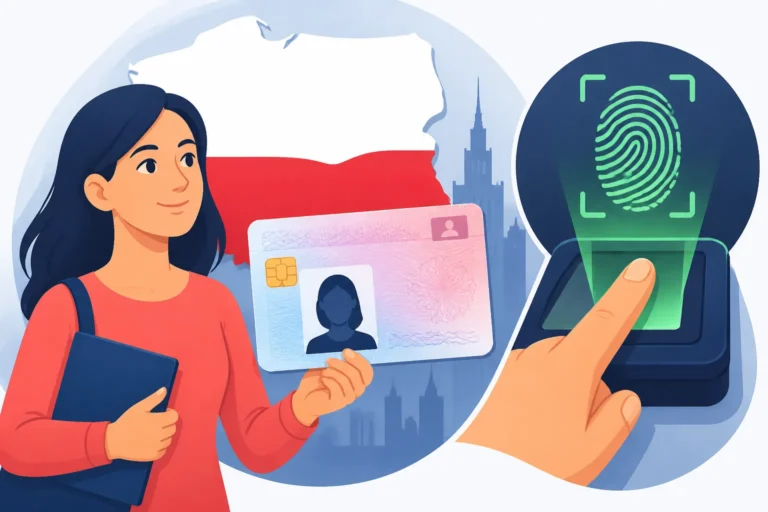
Once your application is deemed complete, you'll proceed to have your biometrics taken – fingerprints and a digital photograph. This is usually done in a separate room shortly after document submission. Your physical presence is mandatory for this step. The officer will also stamp your passport, indicating that your permanent residence application is pending. This stamp confirms your legal stay in Poland while your application is processed, which can be a long wait, especially in larger cities. This stamp is especially important if your current temporary residence card is about to expire, as it ensures you remain lawfully present in the country during the processing period.
Navigating the Waiting Game and Potential Challenges
And now, the infamous Polish waiting game. Processing times for Pobyt Stały applications can be incredibly long, often stretching from several months to well over a year, depending on the Urząd Wojewódzki and the complexity of your case. It's a test of patience, truly. During this time, you can track the status of your application online (if your Urząd offers this service) or by contacting the office directly – though responses can be slow. If any additional documents are needed, you'll receive an official letter (korespondencja) asking for them, so ensure your mailing address is always up-to-date.
Common challenges during this phase include long silent periods, requests for additional, sometimes seemingly obscure, documents, or even an interview where you might be asked questions about your life in Poland, your family, or your reasons for wanting permanent residence. It's crucial to respond to all official correspondence promptly and thoroughly. Maintaining your legal status, keeping your passport updated, and ensuring your finances and accommodation remain stable throughout this waiting period are all vital. Many expats find solace in community groups, where they can share experiences and tips during this often stressful time. Staying informed, organized, and realistic about timelines will help you through this final stretch.
Life with Permanent Residence: What Next?
Congratulations, you've made it! After all the paperwork, the appointments, and the agonizing wait, you finally hold that coveted Karta Pobytu for permanent residence. This is a monumental achievement, truly. But what does this new chapter look like, and what responsibilities come with this enhanced status?
Rights and Responsibilities of a Permanent Resident
With Pobyt Stały, you gain a significant upgrade in your rights and freedoms in Poland. As I mentioned earlier, you now have unrestricted access to the job market, meaning no more work permits, no more job-tied visas. This freedom opens up many more opportunities and makes career changes much simpler. You also have full access to public healthcare, education, and social benefits, just like Polish citizens. This means less stress about Understanding ZUS Health Contributions (Składka Zdrowotna) in Poland or navigating the complexities of public services.
However, great rights come with responsibilities. You are expected to abide by Polish laws, contribute to the tax system, and generally be a productive member of society. While your residence card is "permanent," the physical card itself has a 10-year validity. So, while your status doesn't expire, your card does, and you'll need to renew it periodically for biometric updates. It's a reminder that even "permanent" status requires some ongoing administrative engagement. You should also continue to keep your personal details, such as address and marital status, updated with the relevant authorities. Being a permanent resident means you're truly ingrained in the fabric of Polish society, with all the benefits and duties that entails.
Renewing Your Residence Card and Travel Considerations
Even though Pobyt Stały is for an indefinite period, your physical residence card will have a validity date, usually 10 years. Before this card expires, you will need to apply for a renewal to get a new card with updated biometrics (photo and fingerprints). This process is typically much simpler than the initial application for permanent residence, as your status itself is not being re-evaluated. You'll generally need a new application form, updated photos, your old card, and proof of the application fee. While less intensive, it still requires an appointment at the Urząd Wojewódzki, so don't leave it until the last minute.
Regarding travel, your permanent residence card, along with your valid passport, allows you to enter and exit Poland freely. It also grants you the right to travel within the Schengen Area for up to 90 days in any 180-day period without needing a separate visa. This is a huge perk for exploring Europe. However, it's important to remember that Pobyt Stały is specifically for Poland. If you plan to live in another EU country for an extended period, you would need to apply for residence in that country. For long-term stays outside Poland, particularly outside the EU, you might need to consider how this could affect your continuous residence if you are ever looking to apply for Polish Citizenship: Routes Through Residence, Descent and Naturalisation (2027) later down the line. Keep your travel documents in order, and for any major international moves, consulting with an immigration specialist is always a wise move. Companies like Sirelo can be an invaluable resource when planning international relocations, helping you consider all the logistics beyond just visas.
Pathways to Polish Citizenship from Permanent Residence
For many, Pobyt Stały is the penultimate step before aspiring to Polish citizenship. Having permanent residence significantly streamlines the naturalization process, as it demonstrates your long-term commitment and integration into Polish society. The most common path to citizenship from permanent residence is after a further period of continuous legal stay. Generally, this means you need to have resided in Poland for at least three years as a permanent resident, held stable and regular income, and possess sufficient knowledge of the Polish language (usually B1 level, as evidenced by a state certificate).
Beyond these general requirements, demonstrating a connection to Polish culture and society is important. This could involve showing your participation in local community life, or simply a deep understanding of the country's customs and values. While the process of obtaining citizenship is separate and has its own set of rules and requirements, holding Pobyt Stały certainly makes it a much more achievable goal. It signifies that you are already recognized as an integral part of Poland, making the final leap to citizenship a natural progression for those who wish to fully embrace their Polish life. For expats seeking comprehensive health coverage throughout their journey to citizenship, or even beyond, Cigna Global offers excellent international health insurance options, ensuring peace of mind no matter what stage of your expat journey you're on.
Disclaimer
The information provided in this guide is intended for general informational purposes only and does not constitute legal advice. Immigration laws and procedures in Poland are complex and subject to change. It is highly recommended to consult with an immigration lawyer or directly with the relevant Polish authorities (Urząd Wojewódzki) for advice specific to your individual circumstances. While every effort has been made to ensure accuracy, the author and publisher disclaim any liability for errors or omissions.