How Much Does It Cost to Heat an Apartment in Poland in Winter?
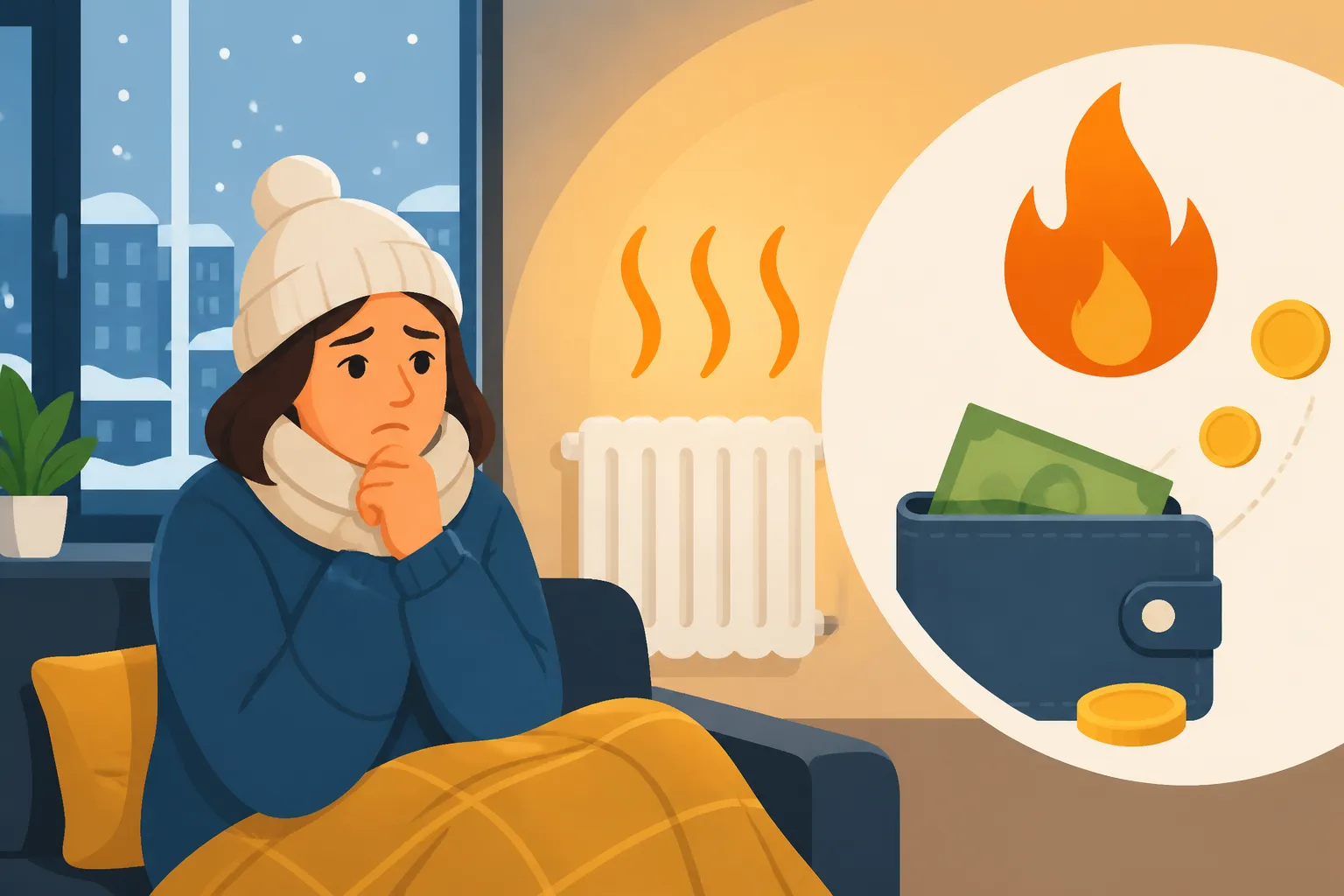
Oh, winter in Poland. It’s absolutely magical with the snow and the festive lights, isn't it? But then, reality hits when you get that first utility bill and suddenly those charming snowdrifts outside feel a lot less enchanting. One of the biggest shocks for many expats, myself included, is truly understanding how much it costs to keep your apartment warm when temperatures plummet far below zero. This isn't just about paying a bill; it's about navigating a complex system of heating types, building efficiencies, and sometimes, unexpected annual reconciliations. This guide is here to walk you through the labyrinth of winter heating costs in Poland, offering insights and practical tips so you can stay warm without breaking the bank.
Understanding Poland's Diverse Heating Landscape
When you first arrive in Poland, whether you're setting up for a new job or studying, you’ll quickly realize that "heating" isn't a one-size-fits-all concept. Unlike some countries where a central furnace might be the norm for every building, Poland's urban and rural areas, and even different eras of construction, offer a surprising variety of heating methods. This diversity directly impacts not just your comfort, but crucially, your wallet.
Common Heating Systems in Polish Apartments
The most prevalent heating systems you'll encounter in Polish apartments fall into a few main categories, each with its own quirks and cost implications. First up, and very common in city blocks of flats (often referred to as bloki), is district heating (centralne ogrzewanie / miejska sieć cieplownicza). This is a system where heat is generated in a central plant, usually burning coal or gas, and then distributed through a network of pipes to entire neighborhoods or even cities. For residents, this often means radiators that come to life in autumn and stay warm until spring. The beauty of this system is its hands-off nature: you don't manage a boiler, and it's generally considered reliable. The downside? You're often tied to the building management's decisions regarding when the heating season begins and ends, and your individual consumption might be metered in a way that feels a bit opaque until the annual settlement.
Next, we have gas heating (ogrzewanie gazowe). This is typical in newer apartment buildings, individual houses, and many renovated kamienice (historic tenement buildings). Here, your apartment has its own gas boiler, giving you much more control over when and how much you heat. You can switch it on and off as you please, adjust temperatures precisely, and even program schedules. This autonomy is a huge plus, but it also means you're directly responsible for gas consumption, and gas prices can fluctuate significantly, sometimes with government interventions and subsidies that change year to year. Make sure you understand how to set up water, gas and heating in Poland when you move in.
Finally, there's electric heating (ogrzewanie elektryczne). While less common as the primary heating source in modern Polish apartments due to its higher running costs, you might find it in older, smaller units, or as supplementary heating in specific rooms. This can involve electric radiators, underfloor heating, or even older, less efficient electric storage heaters. While electric heating offers complete control and is relatively simple to install, it's almost invariably the most expensive option for sustained warmth throughout the harsh Polish winter, especially with current energy prices.
District Heating vs. Individual Boiler Systems
Let’s dive a bit deeper into the two giants: district heating versus individual boiler systems. With district heating, your heating cost is often bundled into your monthly czynsz (administration fee) as an advance payment. This czynsz covers a multitude of building-related expenses – cleaning, repairs, hot water, and yes, heating. The building management, or spółdzielnia (housing cooperative) or wspólnota mieszkaniowa (homeowners' association), estimates the annual heating cost for the entire building and then divides it among the residents, often based on apartment size or readings from individual heat meters on radiators.
The tricky part comes with the annual reconciliation, usually sometime in spring or early summer. If the building collectively used less heat than anticipated, or if your individual meters show lower consumption, you might get a refund (zwrot). However, if the opposite is true, you'll face an additional payment (dopłata). I've had years where I got a lovely zwrot and years where I stared at a dopłata thinking, "Did I accidentally leave a window open all winter?!" It's crucial to understand understanding building and administration fees (Czynsz) in Poland as they are a significant component of your monthly housing costs.
With an individual gas boiler, the situation is more direct. You pay for the gas you consume, typically through a monthly bill from a provider like PGNiG. You'll have a gas meter, and your bill will reflect your usage. This transparency is great for budgeting, as you can see the direct impact of turning up the thermostat. However, you also bear the full brunt of market price fluctuations. Many modern gas boilers are quite efficient, but if you're in an older building with an ancient boiler, prepare for potentially higher consumption.
Factors Influencing Your Heating Bill
Understanding the type of heating is just the first step. Many other elements play a significant role in how much you'll actually pay to keep warm in Poland. These aren't always immediately obvious, and can lead to some unpleasant surprises if you're not prepared. From the structural integrity of your chosen abode to your daily habits, everything adds up.
Apartment Size and Insulation Efficiency
It might seem obvious, but the size of your apartment is a primary driver of heating costs. A cozy 40 sqm studio will naturally be cheaper to heat than a sprawling 100 sqm family apartment. But it's not just square meters; it's also the volume of air. High ceilings, common in older kamienice, mean more space to heat.
More critically, insulation efficiency is a game-changer. Poland has a long history of varying construction standards.
- Newer Buildings (post-2000s): These are generally well-insulated, often with modern windows and thick walls, meaning they retain heat much better. You might find you only need to run your heating minimally to maintain a comfortable temperature.
- Older Blocks of Flats (like wielka płyta): While many have undergone thermal modernization (insulating the exterior walls), some still have drafty windows or less-than-perfect insulation, leading to heat loss.
- Historic Kamienice: These can be beautiful, but often come with thick, solid brick walls that take a long time to heat up and large, sometimes leaky, windows. While charming, they can be financial black holes for heating if not properly renovated and insulated. A drafty window can literally let hundreds of zloty escape over a winter. When considering how much does it cost to heat an apartment in Poland in winter, insulation is paramount.
Energy Source and Current Market Prices
As discussed, the energy source matters. District heating, gas, and electricity each have their own pricing structures and volatility.
- District Heating: Prices are often regulated at a municipal level but are influenced by the cost of fuel (coal, gas) used by the heat plants. While generally stable, they can see significant increases year-on-year, though usually not as wildly as individual gas or electricity bills. The advantage is that large-scale purchases by heating plants can sometimes cushion price spikes compared to individual consumers.
- Gas: Gas prices have been particularly volatile in recent years due to global events. While Poland has diversified its gas supply, individual consumers still feel the pinch when market prices rise. The Polish government has implemented various tariffs and shields to protect consumers from extreme hikes, but these can change. Always keep an eye on official announcements from energy regulators (like URE) and your gas provider.
- Electricity: Often the most expensive option for primary heating. Poland still relies heavily on coal for electricity generation, which, coupled with EU carbon pricing and market demand, keeps prices relatively high. Again, government subsidies and capped prices might be in effect, but relying on electricity for sustained warmth is usually reserved for those with solar panels or exceptional insulation.
When you're first comparing potential apartments, especially if you're moving with the assistance of a relocation service like Sirelo, it's a great idea to ask landlords or real estate agents about previous winter heating bills. This gives you a realistic benchmark for that specific unit.
Your Habits and Thermostat Settings
This is where you, the expat, have the most control! Your personal habits significantly impact your heating bill.
- Temperature Preference: Do you like your home to feel like a sauna, or are you comfortable with a cooler, more energy-efficient temperature? Every degree Celsius higher translates to a noticeable increase in consumption. Aiming for around 20-22°C during the day and perhaps 18-19°C at night or when you're out can make a substantial difference.
- Ventilation: Yes, you need to air out your apartment, even in winter! But don't just crack a window for hours. Instead, practice "shock ventilation" – open windows wide for 5-10 minutes to rapidly exchange stale air with fresh, then close them completely. This freshens the air without cooling down the walls and furniture too much, which would then require a lot of energy to reheat.
- Radiator Usage: Don't block your radiators with furniture or heavy curtains. Let the heat circulate freely. And if you have individual meters, get into the habit of turning them down in rooms you're not using or when you leave for work. It sounds simple, but many people just leave them on full blast.
- Smart Thermostats: If your apartment has a modern gas or electric heating system, consider investing in a smart thermostat. Devices like these allow you to program heating schedules, optimize usage, and even control your heating remotely via your smartphone. This kind of tech can really help you understand and manage your consumption, particularly if you're out and about or even just want to monitor things while using an eSIM from a provider like Airalo on the go.
Average Heating Costs Across Poland
So, what are we actually talking about in terms of numbers? This is the question everyone wants an answer to, but it's notoriously difficult to give a definitive figure because, as we've seen, so much depends on your specific situation. However, based on general observations and current market data, we can provide some realistic ranges for typical apartments in Polish cities. Remember, these are winter monthly averages, and your mileage may vary!
Cost Breakdown by City and Apartment Type
Let's look at some examples, keeping in mind that these figures are approximate and subject to change based on energy price fluctuations and government policies.
| City/Region | Apartment Size (approx.) | Heating Type | Estimated Monthly Winter Cost (PLN) | Notes |
|---|---|---|---|---|
| Warsaw | 50-70 sqm | District | 250-500 (part of czynsz) | Often reconciliation later; newer buildings lower. |
| Krakow | 50-70 sqm | District | 200-450 (part of czynsz) | Similar to Warsaw, older buildings can be higher. |
| Gdansk/Wroclaw | 50-70 sqm | District | 200-400 (part of czynsz) | Generally slightly lower than capital. |
| Any Major City | 50-70 sqm | Gas (modern) | 300-600 | Direct consumption, more control; efficient boilers save. |
| Any Major City | 50-70 sqm | Electric | 600-1000+ | Generally most expensive for primary heating. |
| Smaller Town | 50-70 sqm | District/Gas | 150-400 | Lower overall living costs, potentially cheaper heating. |
| Older Kamienica (renovated) | 70-100 sqm | Gas | 500-1000+ | High ceilings, potentially poorer insulation; depends heavily on renovation quality. |
Important Considerations for these Estimates:
- Czynsz component: For district heating, remember this is often an advance payment within your czynsz. The actual cost will be reconciled. My czynsz in Warsaw for a 60sqm apartment can be around 800-900 PLN, with a solid 300-400 PLN of that earmarked for heating, leading to annual adjustments.
- Personal usage: These ranges reflect average usage. If you keep your apartment extremely warm, expect to be at the higher end or even exceed these figures. If you're judicious, you can be at the lower end.
- Building specifics: Even within the same city, two identical apartments might have vastly different heating bills if one building has fantastic insulation and the other doesn't.
Finding out the specific heating costs for an apartment before you sign the lease is crucial. Always ask the landlord for previous bills or, at the very least, a clear breakdown of the czynsz components, especially the advance payment for heating. This can save you from a nasty surprise later. It's a key part of the complete guide to cost of living in Poland for expats (2026).
Peak Season vs. Off-Peak Variations
Poland's heating season typically runs from mid-October to mid-April, though this can vary slightly based on actual temperatures and local regulations. During these months, your heating system will be working hard. The coldest months are usually December, January, and February, where sustained sub-zero temperatures (sometimes dropping to -10°C or even -20°C in some regions) mean maximum heating output.
This means your heating bill won't be consistent throughout the winter. You'll likely see higher consumption and thus higher costs in the depths of winter compared to the milder shoulder months of autumn and spring. If you have an individual gas boiler, you'll feel this directly in your monthly bill. If you're on district heating, it will contribute to your annual reconciliation.
For those with electric heating, remember that electricity tariffs often have peak and off-peak rates. Using electricity during the night (off-peak) is cheaper. If you have electric storage heaters, this is something you can use to your advantage. Make sure you understand how to set up electricity in your Polish home and the available tariffs.
Strategies for Reducing Your Winter Heating Costs
Alright, now that we've painted a realistic picture of what you might face, let's talk about how to fight back! Nobody wants to spend their hard-earned zloty just to keep from shivering. There are definitely steps you can take to make your Polish winter a bit more budget-friendly.
Practical Tips for Energy Conservation
Many of these tips might seem like common sense, but they are often overlooked, especially when you're busy navigating a new life in Poland.
- Seal the Drafts: This is perhaps the cheapest and most effective fix. Check around windows and doors for any gaps where cold air is sneaking in. Simple draft stoppers or self-adhesive sealing strips (available at any Polish sklep budowlany or DIY store like Castorama or Leroy Merlin) can make a huge difference. For windows, sometimes just adjusting the hinges can create a tighter seal.
- Optimise Radiator Usage: If you have individual radiator valves or thermostats, use them! Turn down radiators in rooms you don't use regularly (like a spare guest room). In rooms you do use, turn them down a few degrees when you leave for work or go to bed. Never, ever cover radiators with clothes or furniture, as this traps the heat and prevents it from circulating into the room.
- Use Curtains and Blinds Wisely: Heavy curtains can act as an extra layer of insulation against cold windows. Close them at dusk to trap heat inside. However, open them wide during sunny winter days to let natural sunlight warm your apartment – every little bit helps!
- Bleed Your Radiators: If your radiators are warm at the bottom but cold at the top, they likely have air trapped inside. This makes them inefficient. You can easily bleed them yourself with a special key (available cheaply at hardware stores) to release the trapped air. If you're unsure, ask your landlord or administrator.
- Dress Warmly Indoors: This sounds incredibly basic, but it's true. Instead of cranking up the thermostat, put on a thicker sweater, some warm socks, or even a cozy blanket. Layering really helps. You'll often see Poles in their homes comfortably wearing warmer attire in winter, rather than walking around in t-shirts in a sweltering apartment.
Leveraging Technology and Smart Solutions
In the modern era, technology can be a powerful ally in the fight against high heating bills.
- Smart Thermostats: If your heating system allows for it (typically individual gas or electric boilers), a smart thermostat can be a fantastic investment. Brands like Nest, Tado, or even some local Polish smart home systems allow you to program heating schedules that match your daily routine. You can set it to automatically lower the temperature when you're out and warm up just before you return. Some even learn your habits over time. You can monitor and control these from your phone, which is super convenient – especially if you rely on a flexible mobile data plan like an Airalo eSIM when you're out and about.
- Energy Monitoring Apps: Some smart home systems and even certain utility providers offer apps that allow you to monitor your energy consumption in real-time. Seeing exactly how much energy you're using can be a powerful motivator to adjust your habits and identify areas for savings.
- Window and Door Sensors: For more advanced smart homes, installing sensors on windows and doors can automatically pause heating in a room if a window is left open for too long. A clever way to prevent unnecessary energy waste.
Understanding Your Bills and Rights
Finally, knowledge is power.
- Read Your Bills Carefully: Don't just pay the amount; try to understand the breakdown. For gas and electricity, familiarize yourself with the tariff structure (e.g., G11 for electricity, which is a single rate, or G12 for dual-rate). For district heating, scrutinize the annual reconciliation report. If something looks off, don't hesitate to ask your landlord or building administrator for clarification. This is part of how to set up utilities in Poland.
- Know Your Building Administrator: For district heating, the administrator or zarządca (manager) of your building is your key contact for heating-related questions. They can explain how the costs are calculated, what the building's overall efficiency is, and when the heating season starts and ends.
- Government Support: Keep an eye on government announcements. In times of high energy prices, the Polish government often introduces "energy shields" or subsidies to help households cope. These can take the form of direct payments, discounted rates, or VAT reductions. It's worth checking if you qualify, especially if you're a long-term resident.
By combining these practical tips with a good understanding of Poland's heating systems and your own consumption patterns, you can make significant strides in managing your winter heating costs. Living in Poland through the winter is a unique experience, and while staying warm is essential, doing it efficiently will make it a much more pleasant one!
Disclaimer
Please note that the information provided in this guide is for general informational purposes only and is subject to change. Heating costs and regulations in Poland can vary significantly based on location, building type, individual usage, energy market fluctuations, and governmental policies. Always consult official sources, your landlord, building administrator, and utility providers for the most accurate and up-to-date information regarding your specific situation. This guide does not constitute financial or legal advice.