How Do I Pay Motorway Tolls in Poland?
Alright, let's talk about navigating Polish motorways, because if there's one thing that can throw a wrench in your road trip plans or daily commute here, it's the toll system. Many of us expats have found ourselves scratching our heads at a toll booth, unsure which lane to take or how to pay. This comprehensive guide is here to demystify how to pay motorway tolls in Poland, ensuring your journey is as smooth as possible, without any unexpected fines or frantic last-minute confusion.
Understanding Poland's Tolled Motorway System
Poland's motorway network has grown significantly over the years, connecting major cities and making travel much faster. However, faster often means tolled, and understanding which roads have tolls and how those tolls are collected is the first step to a stress-free drive. It’s not a one-size-fits-all system, which can be a real pain point for newcomers.
Where You'll Encounter Tolls
Not all expressways and motorways (autostrady) in Poland are tolled, which is a common misconception. Generally, you'll find tolls on specific sections of the A1, A2, and A4 motorways. These are the main arteries for north-south and east-west travel.
For example, the A1, running from Gdańsk in the north down to the Czech border, has a concessionaire-managed section in the north (Rusocin-Nowa Wieś) that you definitely pay for. The A2, stretching from Świecko near the German border towards Warsaw and beyond, has both state-managed sections (Konin-Stryków) and a long concessionaire stretch (Świecko-Konin) run by Autostrada Wielkopoplska S.A. Then there's the A4, connecting Wrocław, Katowice, and Kraków, with its own mix of state and concessionaire parts. The section between Katowice and Kraków is particularly infamous among expats for its frequent tolls and slightly different approach to payments. Always remember that Polish road signs will clearly indicate a toll zone, usually with a "Pobór Opłat" (toll collection) sign, but the method of payment isn't always obvious until you're right there.
The Different Toll Systems in Play
The biggest hurdle for expats and tourists alike is that Poland operates two distinct toll collection systems:
- The State-Managed e-Toll System (via e-Toll PL application or an OBU device): This system is run by the National Revenue Administration (KAS) and covers state-owned stretches of the A2 (Konin-Stryków) and A4 (Wrocław-Sośnica). Initially, this was primarily for heavy vehicles over 3.5 tonnes, but since late 2021, passenger cars (vehicles under 3.5 tonnes) on these specific state-managed sections also fall under the e-Toll system. This means no physical toll booths, which sounds great until you realize you need to sort out payment before or immediately after your journey. It's an open system, meaning you don't stop at gates, but your presence is monitored.
- Concessionaire-Managed Motorways (Traditional Toll Gates and Dedicated Apps): These sections are privately operated by different companies, each with its own preferred payment methods, although they generally accept cash and card at traditional toll gates. These are typically "closed" systems, where you take a ticket upon entry and pay upon exit (or pay at specific segments). For instance, the A1 (AmberOne) and parts of the A4 (Stalexport Autostrada Małopolska S.A. between Katowice and Kraków) fall into this category. The specific A2 section from Świecko to Konin also has its own rules, although it’s now much more integrated with app payments.
It’s this duality that often catches people out. You might be sailing along, happily paying with an app, and then suddenly find yourself at a physical toll booth on a different section, needing cash. It’s definitely not as straightforward as some other European toll systems.
Navigating the State-Managed e-Toll System
The e-Toll system is the official electronic toll collection system in Poland, overseen by the National Revenue Administration (KAS). It replaced the old viaTOLL system for heavy vehicles but now also applies to light vehicles on specific state-managed motorways. This is where a lot of modern travel confusion originates, so let's break it down.
Who Needs e-Toll and How It Works
As of December 1, 2021, all vehicles, including passenger cars (under 3.5 tonnes), using the state-managed sections of the A2 motorway (Konin to Stryków, east of Łódź) and the A4 motorway (Wrocław to Sośnica, near Gliwice) are required to pay tolls via the e-Toll system. This means no more stopping at traditional toll gates for these specific sections. Instead, your vehicle's location is monitored via satellite positioning (GPS).
For the occasional user, or a tourist, the easiest way to comply is by purchasing an "e-ticket." However, for those who frequently use these routes, you can register for an e-Toll account and use a dedicated On-Board Unit (OBU) or the official e-Toll PL mobile application. The system monitors your travel and automatically deducts funds from your pre-paid account, or charges your post-paid account. It's designed to be a free-flow system, meaning you don't need to slow down or stop at any gates, but it requires advance planning or prompt action. The idea is to reduce congestion, but the implementation for foreigners can feel a bit like a maze.
Getting Set Up with e-Toll
If you're planning to use these state-managed stretches regularly, or just want to be fully prepared, setting up an e-Toll account is the most robust option. The process involves:
- Registration: You need to register on the e-Toll website or at a Customer Service Point (MOK). This involves providing vehicle details and creating an account. You'll link your vehicle to your e-Toll account.
- Choosing a device/method:
- e-Toll PL application: This is the free official mobile app, available for Android and iOS. You activate it when you start your journey on a tolled section and deactivate it when you exit. It uses your phone's GPS. Make sure your phone has enough battery and a reliable internet connection. If you're new to Poland and still figuring out local SIM cards, considering an eSIM from providers like Airalo might be a smart move to ensure you always have data for the app.
- On-Board Unit (OBU): This is a physical device that you place in your vehicle, which automatically transmits your location data to the e-Toll system. OBUs can be purchased or leased. This is more common for commercial vehicles or very frequent users.
- External Localization System (ZSL): Another option mainly for fleet management and heavy vehicles.
- Topping up your account: If you choose the prepaid option, you'll need to add funds to your e-Toll account. This can be done online, at a Customer Service Point, or via selected partner networks.
The system is designed to be efficient once set up, but the initial registration can feel like a bit of bureaucratic hurdle. Don't worry, many of us have been there, staring at the Polish forms and wishing for a simpler way.
Paying for Casual Car Use on e-Toll Sections (e-ticket)
For most expats who only occasionally use the state-managed A2 and A4 sections, purchasing an "e-ticket" is the simplest and most recommended method. You don't need to register an account or install anything in your car. It's essentially a virtual ticket linked to your vehicle's license plate for a specific route.
Here's how it works:
- Before Your Journey: You can buy an e-ticket up to 60 days in advance. You'll need to specify your vehicle's license plate number, the tolled section you'll be using (e.g., A2 Konin-Stryków), and your planned entry and exit points.
- During Your Journey (or up to 3 days after!): If you forget to buy an e-ticket before your journey, or your plans change, you can actually purchase one up to 3 days after your trip on the state-managed sections. This is a crucial safety net! Just make sure to do it promptly to avoid fines.
- Where to Buy an e-ticket:
- Official e-Toll website: The most reliable place.
- e-Toll PL mobile app: Yes, the same app used for registered users can also issue e-tickets.
- Via partner apps: Many commercial navigation apps and payment apps (like Autopay, SkyCash, or mPay) have integrated e-ticket purchasing. These are often more user-friendly for foreigners.
- At selected service stations (Orlen, Lotos): You can purchase an e-ticket physically at the cash register of many petrol stations along or near the tolled sections. Look for signs indicating e-Toll services.
- Online portals of partners: Some vehicle information portals also offer e-ticket purchases.
Remember, the e-ticket is valid for 48 hours from your declared start time. If your plans change significantly, you might need a new one. This flexibility helps, but the responsibility is still on you to ensure it's sorted! Keeping an eye on your mobile data usage for these apps is important – when moving to Poland, make sure you choose a good mobile plan from the start, or use an eSIM like those offered by Airalo to stay connected easily.
Concessionaire-Managed Motorways: Traditional Toll Gates
While the e-Toll system covers state-managed sections, a significant portion of Poland’s tolled motorways are managed by private concessionaires. These sections often operate with more traditional toll gates, but they’ve also embraced modern electronic payment methods, which is a blessing.
Identifying Concessionaire Sections
The primary concessionaire-managed sections you'll encounter are:
- A1 Motorway (Gdańsk-Toruń): This northern stretch is managed by AmberOne. You’ll see clear signage for "AmberOne" as you approach.
- A2 Motorway (Świecko-Konin): This western stretch, particularly between Świecko (German border) and Konin, is operated by Autostrada Wielkopolska S.A. It’s one of the older tolled sections.
- A4 Motorway (Katowice-Kraków): This very busy section is managed by Stalexport Autostrada Małopolska S.A. Many expats frequently use this route, and it’s important to know its specific payment methods.
When you’re driving on these sections, look for the company logos on the toll booths or overhead signs. Unlike the e-Toll sections, here you will physically stop at a barrier, either to take a ticket or to make a payment.
Payment Methods at Traditional Gates
The good news is that these concessionaire sections are generally more accommodating with payment options at the actual toll gates. You'll often have a choice of lanes, clearly marked for different payment types.
Common payment methods include:
- Cash: Polish złoty (PLN) is always accepted, and sometimes Euro (EUR) notes are accepted with change given in PLN, though the exchange rate might not be the best. It's always a good idea to have some small PLN denominations handy.
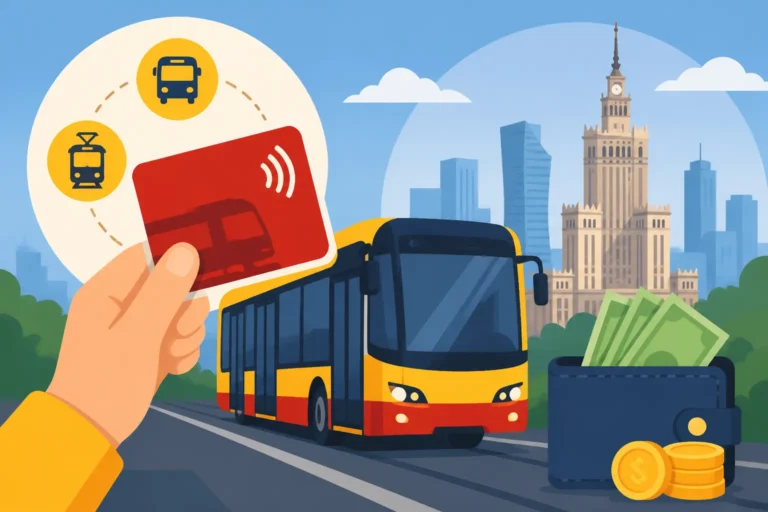
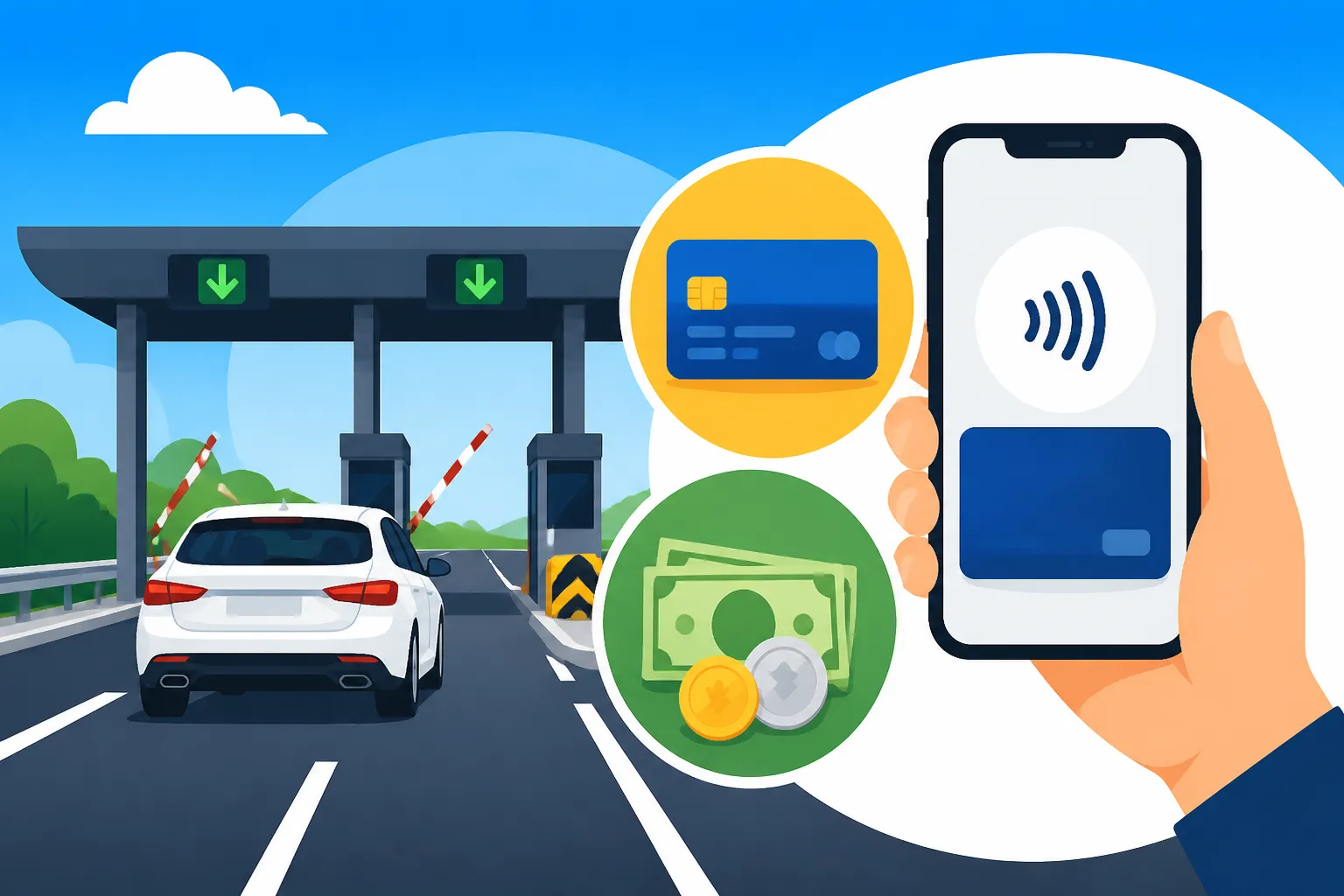
- Payment Cards: Most major debit and credit cards (Visa, Mastercard) are accepted. Look for lanes marked "Karty Płatnicze" or with card symbols. Contactless payment is widely available, which is a lifesaver. Apple Pay and Google Pay usually work seamlessly.
- Fuel Cards: For business users, certain fuel cards issued by companies like Shell, BP, or Orlen might be accepted.
- Dedicated Electronic Systems and Apps: This is where it gets interesting and highly convenient if you’re a regular user. Companies like AmberOne (for A1) have their own transponder devices or apps. Other popular universal apps like Autopay and SkyCash are widely accepted across most concessionaire sections (and can also be used for e-tickets on state-managed sections, remember!). These apps link to your payment card and automatically detect your vehicle's passage, lifting the barrier without you needing to do anything. It's a fantastic time-saver.
Specifics for Each Concessionaire
Each concessionaire has refined its system over time, trying to make it easier for drivers, but the slight differences can still be confusing.
- A1 AmberOne (Gdańsk-Toruń): This section is known for its AmberOne system. You can get a physical AmberGO transponder (a device that mounts on your windshield) or use the AmberOne mobile app. With these, you don’t stop at the gate; the system reads your device/app and the barrier lifts automatically. Of course, cash and card are still options at the manual lanes. For those making the move to Poland, services like Sirelo often provide guides on local travel, and they'll confirm that having one of these apps set up before a long drive is invaluable.
- A2 Autostrada Wielkopolska (Świecko-Konin): This section has been at the forefront of electronic payments. You can use Autopay, SkyCash, or mPay apps here. These apps allow you to register your vehicle and payment method, and cameras at the toll gates read your license plate, opening the barrier automatically. If you don’t use an app, you'll still go through traditional gates and pay with cash or card. They also still accept some older devices like viaAUTO.
- A4 Stalexport Autostrada Małopolska (Katowice-Kraków): This is another busy stretch where electronic payment apps like Autopay and SkyCash are extremely popular and recommended. There are dedicated lanes at the toll plazas for these automatic payments, often marked with a camera icon or "A4Go." If you don't have an app, you'll use the manual lanes (marked "Manual" or with cash/card symbols). They have an A4Go transponder too, which works similarly to AmberGO. The queues for manual payment can be long, especially during holidays or peak travel times, so apps are highly encouraged.
Always check the signs above the lanes carefully. Green arrows usually mean "all methods," while specific symbols will denote card-only, cash-only, or automatic payment lanes.
Tips and Tricks for Expats Navigating Polish Tolls
Navigating Polish tolls can feel like a labyrinth at first, but with a bit of planning and the right tools, it becomes second nature. As an expat who’s driven these roads countless times, I've picked up a few pointers to save you hassle and money.
Planning Your Route and Payments
The golden rule here is: always plan your route in advance, especially for longer journeys. Don't just rely on Google Maps to show you where the tolls are, but delve a little deeper to find out how they're paid.
- Identify Tolled Sections: Before you even start the engine, look at your planned route. Will you be on the A1, A2, or A4? If so, note which specific sections of those motorways you'll use.
- Check Management: Distinguish between state-managed (e-Toll, A2 Konin-Stryków, A4 Wrocław-Sośnica) and concessionaire-managed (AmberOne A1, Autostrada Wielkopolska A2, Stalexport A4 Katowice-Kraków) sections. Each requires a slightly different approach.
- Download Relevant Apps: If you’ll be on state-managed sections, download the official e-Toll PL app or one of the partner apps like Autopay. If you'll be on concessionaire sections, Autopay or SkyCash are fantastic universal choices, and AmberOne has its own app for the A1. Many of us keep a variety of payment apps on our phones, just in case!
- Keep Some Cash (PLN): While cards and apps are widely accepted, there's always that one time when technology fails, or you accidentally end up in a cash-only lane. Having a few small denomination zloty notes and coins can save you a lot of stress and potential embarrassment at a toll gate.
- Utilise Online Resources: The official e-Toll website (etoll.gov.pl) and the websites of the concessionaires (e.g., amberone.pl, autostradawielkopolska.pl, stalexport-autostrada.pl) are your friends. They provide detailed maps and payment instructions, often in English.
For comprehensive information on driving in Poland, including nuances of registration and rules, you might find guides like Driving in Poland: Licences, Registration and Rules for Expats (2027) incredibly helpful.
Avoiding Fines and Frustrations
Believe me, the last thing you want is a fine (kara) for unpaid tolls, which can be hefty. The system can be unforgiving if you miss a payment.
- Forgetting an e-ticket: If you're on a state-managed e-Toll section and realize you forgot to buy an e-ticket, remember you have 3 days from the end of your journey to purchase one retrospectively. Do it! It's much cheaper than the fine.
- App Glitches: Ensure your phone is charged, has a strong GPS signal, and stable internet. If the e-Toll app unexpectedly closes or loses connection, manually check it as soon as it's safe to do so. A good mobile data plan is essential for this, and getting a local SIM or eSIM from a provider like Airalo can really simplify things from day one in Poland.
- Choosing the Wrong Lane: At concessionaire toll gates, if you're planning to pay by card, ensure you enter a lane that accepts cards. Entering a transponder-only lane without a transponder will cause delays and could lead to fines. Look for the distinct markings!
- Checking Statements: If you use a prepaid e-Toll account or apps like Autopay, regularly check your transaction history to ensure all journeys have been correctly registered and paid. Discrepancies can be sorted out much more easily if caught early.
- Language Barrier: Don’t be afraid to use a translation app or politely ask for help if you're stuck at a manual toll gate. Most attendants, especially on frequently travelled routes, will have some basic English.
Understanding how to navigate the digital side of things, like setting up internet and mobile services, is key for expats. You can learn more about this in articles such as How to Choose a Mobile and Internet Provider in Poland.
General Advice for Foreigners
Living in Poland, you quickly learn that patience and preparation are key to administrative tasks, and tolls are no exception.
- Stay Informed: The toll system, particularly the e-Toll, has seen changes and updates. What was true a year ago might have slightly shifted. Always do a quick check of the official sources before a major road trip.
- Consider a Transponder for Frequent Use: If you find yourself driving the A1 (AmberOne) or A4 (Stalexport) very often, investing in their respective transponders (AmberGO, A4Go) can be incredibly convenient and save you time.
- Integrate with Your Digital Wallet: Many Polish banks and payment providers integrate with Autopay, SkyCash, etc. This makes topping up and managing payments even easier. When you set up your Polish bank account, ask about these integrations. The guide on How to Set Up Online Banking and BLIK Payments in Poland can be a great starting point.
- Understand Overall Costs: Tolls are just one part of your travel budget. Factor them into your cost of living in Poland. For a wider view, check out The Complete Guide to Cost of Living in Poland for Expats (2026).
- Moving to Poland: If you're fresh off the plane, or even if you're just considering the big move, remember that companies like Sirelo offer advice and services for expats relocating, which can extend to practical tips for everyday life, including driving. They understand the entire journey of moving to Poland, not just the physical transport of goods.
It’s all about getting familiar with the system that works best for your travel habits. After a few trips, you’ll be an old hand at it!
Summary of Polish Motorway Toll Systems and Payment Methods
To give you a quick overview of the different systems and how to pay, here’s a handy table:
| Motorway Section | Management | System Type | Primary Payment Methods (Recommended) | Other Accepted Payment Methods | Notes |
|---|---|---|---|---|---|
| A2 Konin-Stryków | State-managed (KAS) | e-Toll | e-Toll PL app, partner apps (Autopay, SkyCash), e-ticket (online/petrol station) | OBU devices | No physical toll gates. Must pay via app/e-ticket. E-ticket can be purchased up to 3 days post-journey. |
| A4 Wrocław-Sośnica | State-managed (KAS) | e-Toll | e-Toll PL app, partner apps (Autopay, SkyCash), e-ticket (online/petrol station) | OBU devices | No physical toll gates. Same as A2 Konin-Stryków. |
| A1 Gdańsk-Toruń | Concessionaire (AmberOne) | Traditional Gates | AmberOne app/device, Autopay, SkyCash (dedicated lanes) | Cash (PLN, EUR), payment cards (Visa, Mastercard), fuel cards | Physical toll gates. Apps/devices allow automatic passage in dedicated lanes. |
| A2 Świecko-Konin | Concessionaire (Autostrada Wielkopolska) | Traditional Gates | Autopay, SkyCash, mPay (dedicated lanes) | Cash (PLN, EUR), payment cards (Visa, Mastercard), fuel cards, viaAUTO | Physical toll gates. Apps allow automatic passage. Older viaAUTO still accepted. |
| A4 Katowice-Kraków | Concessionaire (Stalexport) | Traditional Gates | Autopay, SkyCash, A4Go (dedicated lanes) | Cash (PLN, EUR), payment cards (Visa, Mastercard), fuel cards | Physical toll gates. Highly recommend apps due to potential long queues at manual gates. |
This table should serve as a good quick reference when you're planning your trips and wondering how you'll manage to pay for the roads here. Hopefully, this makes navigating Poland's autostrady a little less daunting!
Disclaimer
The information provided in this guide is for general informational purposes only and is based on current regulations and practices in Poland as of the date of publication. Toll systems, regulations, and payment methods can change. While we strive to keep the information up-to-date, we cannot guarantee its absolute accuracy or completeness at all times. It is always recommended to check official government (e.g., etoll.gov.pl) and concessionaire websites before your journey for the latest information. Neither the author nor the publisher can be held responsible for any errors or omissions, or for any consequences arising from the use of this information.