How Do I Enrol in a Polish Public Primary School as a Foreigner?
Moving your family to Poland is an exciting adventure, but the thought of navigating a new school system for your children can feel like a whole new level of administrative Everest. You're probably picturing endless forms, language barriers, and trying to decipher a system completely alien to what you know back home. Trust me, you're not alone in these anxieties. This comprehensive guide will demystify the process, walking you through every step of enrolling your child in a Polish public primary school as a foreigner, ensuring you feel prepared and confident.
Understanding the Polish Public Primary School System
Before we dive into the nitty-gritty of paperwork, it's essential to grasp the general structure and philosophy of public primary education in Poland. It's often quite different from what many expats are used to, both in terms of curriculum and daily school life. Understanding these fundamentals will help you set realistic expectations and better support your child's transition.
Structure and Age Groups
The Polish education system is generally divided into several stages. Public primary school, known as szkoła podstawowa, covers eight grades. Children typically start szkoła podstawowa in the year they turn seven, entering Grade 1. Before that, there's an optional "zero class" (known as zerówka or klasa zerowa), which is usually for 6-year-olds and serves as a preparatory year before Grade 1. While zerówka isn't mandatory for all children, it's highly recommended as it helps children acclimatise to the school environment, learn basic literacy and numeracy, and crucially, develop their Polish language skills in a less formal setting. Many public primary schools have their own zerówka classes, making the transition to Grade 1 smoother.
The primary school journey is quite long, lasting eight years, from Grade 1 through Grade 8. This means students are usually between 7 and 15 years old when they complete primary school. After szkoła podstawowa, students move on to secondary education, which includes liceum (general high school), technikum (technical high school), or szkoła branżowa (vocational school). The emphasis in public primary schools is on a broad, foundational education, preparing students for further academic or vocational pursuits.
Curriculum and Language of Instruction
The curriculum in Polish public primary schools is centrally determined by the Ministry of National Education. It's comprehensive, covering subjects like Polish language, mathematics, history, science (biology, chemistry, physics, geography often integrated in earlier grades), foreign languages (usually English from Grade 1 or 3), art, music, physical education, and often religious education or ethics. The teaching methodology tends to be traditional, with a strong focus on core academic subjects and memorisation, though modern pedagogical approaches are becoming more common.
A critical point for expat families is the language of instruction: it's almost exclusively Polish. While many schools now teach English as a foreign language, and teachers might have some basic English proficiency, the entire curriculum is delivered in Polish. This can be a significant hurdle for children who arrive with little to no Polish. Some schools, particularly in larger cities like Warsaw or Krakow, might have programmes or zajęcia wyrównawcze (remedial classes) offering additional Polish language support for foreign students, but these are rarely full-time, immersive language support classes. It's more common for a foreign child to be integrated directly into a regular class, with some extra support on the side. This is where the resilience of children truly shines, but it's a factor parents must prepare for.
Why Public School? Pros and Cons for Expats
Choosing a public primary school in Poland comes with a unique set of advantages and disadvantages for expat families. On the positive side, public schools offer free tuition, which is a huge financial relief compared to often exorbitant international school fees. More importantly, they provide an unparalleled opportunity for cultural immersion and language acquisition. Your child will be surrounded by Polish children, learning the language and customs organically, which is fantastic for integration and truly becoming a part of the local community. It's also a great way for expat families to connect with Polish parents and gain a deeper understanding of local life.
However, the challenges are real and shouldn't be underestimated. The primary barrier is, of course, the language. If your child doesn't speak Polish, the initial period can be incredibly tough and frustrating for them (and you!). They might struggle to understand lessons, make friends, and participate fully. While schools are legally obliged to provide some level of language support, its quality and intensity can vary wildly between institutions. Furthermore, the curriculum might be quite different from what your child is used to, potentially leading to gaps or overlaps in their learning. The teaching style might also feel more rigid compared to more liberal systems. It’s important to visit prospective schools, talk to the dyrektor (principal) and teachers, and ask very specific questions about how they support foreign children. You might even want to consider supplemental Polish lessons outside of school to help your child catch up.
Key Requirements and Documents for Foreigners
Navigating the bureaucratic maze to enroll your child in a Polish public school can feel like an Olympic sport. There are specific documents and residency statuses that are absolutely crucial. Without these, you simply can't proceed. It's a system that thrives on paperwork, so prepare to be diligent and patient.
The All-Important PESEL and Zameldowanie
Before you even think about stepping foot into a school, your child (and usually you, the parent) needs a PESEL number. This is Poland's national identification number, and it's practically required for everything official, including healthcare, banking, and, you guessed it, school enrollment. Think of it as your child's official identity marker within the Polish system. Without a PESEL, it's very difficult to process any formal application. You can find detailed guidance on How to Get Your PESEL Number and Why It Matters for Healthcare, which will certainly come in handy.
Equally important is zameldowanie, which is your official residential registration. In Poland, children are typically assigned to a public primary school based on their legal address (this is called rejonizacja – district assignment). So, having your family officially zameldowany at a specific address is paramount for proving which school district your child belongs to. This directly impacts which school is obliged to accept your child. The process can sometimes be a bit tedious, requiring specific documents like your rental agreement (umowa najmu) or property deed. Don't underestimate this step; it's a common stumbling block for newcomers. To truly understand this, delve into Registering Your Residence (Zameldowanie) in Poland: The Complete Guide.
Birth Certificates, Translations, and Proof of Address
Beyond PESEL and zameldowanie, you'll need a selection of other documents that formally identify your child and prove your residency. The most fundamental is your child's birth certificate. This needs to be the original, and often an official, sworn translation into Polish. A "sworn translation" (tłumaczenie przysięgłe) means it must be done by a certified translator in Poland, ensuring its legal validity. Simply having a friend who speaks Polish translate it won't cut it. This is a recurring theme with Polish bureaucracy – precision and official channels are key.
You'll also need documents proving your child's current school attendance and academic history, especially if they've already started primary school abroad. This typically includes school reports, transcripts, or a letter from their previous school. Again, sworn translations will likely be necessary. And, circling back to zameldowanie, you'll need concrete proof of your current address, such as your umowa najmu (rental agreement), akt notarialny (notarised deed of purchase for property), or a zaświadczenie o zameldowaniu (certificate of registration from the urząd gminy/miasta). These documents confirm your right to live at the address and, consequently, your child's right to attend the local district school.
Medical and Psychological Assessments
While not always a universal requirement for every foreign child, some schools, or particular situations, may necessitate medical or psychological assessments. For example, younger children entering zerówka or Grade 1 might need a general health check-up certificate from a Polish doctor, confirming they are fit for school attendance and have received required vaccinations. Poland has a specific vaccination schedule, and schools often require proof that a child meets these requirements. If your child has special educational needs or learning disabilities, a psychological-pedagogical assessment (orzeczenie) from a Polish Poradnia Psychologiczno-Pedagogiczna (Psychological-Pedagogical Counselling Centre) might be requested to determine the appropriate support and educational path within the public system.
It's wise to bring your child's complete medical history and vaccination records from your home country, all officially translated into Polish. This will streamline any discussions with Polish doctors or school nurses. Don't wait until the last minute to address these; sometimes, getting an appointment or an assessment can take time, further delaying the enrollment process. Think ahead and gather all necessary health-related paperwork well in advance of the application period.
Navigating the Enrollment Process
Once you have all your documents in order (or at least know exactly what you need), it's time to tackle the actual enrollment. This isn't always a straightforward "sign up here" kind of deal. There are specific periods, procedures, and considerations, especially when dealing with district assignments.
Finding Your Local School and Application Periods
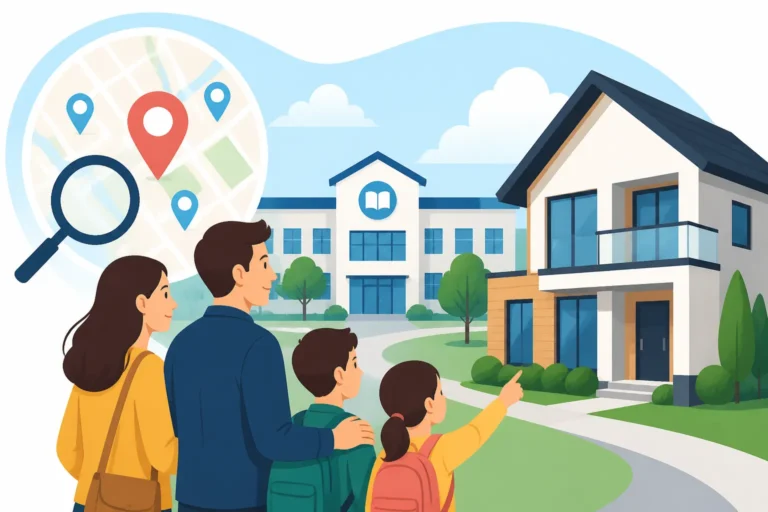
In Poland, public primary schools operate on a "district" system, known as rejonizacja. This means your child is automatically assigned to a specific school based on your registered address (zameldowanie). This school is legally obliged to accept your child if you reside within its boundaries. You can usually find information about school districts on your local Urząd Miasta (City Hall) or Urząd Gminy (Commune Office) website. Often, there will be an interactive map or a list detailing which streets belong to which school's catchment area.
However, you're not strictly limited to your district school. You can apply to other schools outside your rejon, but these schools are only obligated to accept your child if they have available places after admitting all their district-assigned children. This makes applying to non-district schools more competitive and often means waiting longer for a decision. The main enrollment period for the upcoming academic year usually runs from March to May for an autumn (September) start. Deadlines are strict, so keep a close eye on the announcements from your local Urząd Miasta/Gminy or the specific schools you are interested in. Missing a deadline can mean a scramble to find a place later, which is less ideal.
Application Submission and the Waiting Game
The application process typically involves obtaining an application form directly from the school or downloading it from their website. You'll fill this out with your child's details, your contact information, and attach all the necessary supporting documents we discussed earlier – PESEL certificate, zameldowanie proof, birth certificate (with sworn translation), previous school reports (also translated), and potentially medical records. In some cities, there's a centralised online application portal for initial registration, which then directs you to submit physical documents to your chosen school. Always check the specific requirements of the Urząd Miasta/Gminy for your area, as procedures can vary slightly from city to city.
Once you submit the application, it's often a waiting game. If you've applied to your district school, the acceptance is usually a formality once all documents are verified. For non-district schools, you'll be placed on a list and will typically hear back after the district children have been placed. This period can be nerve-wracking, especially if you're keen on a particular school. During this time, the school administration might contact you for clarification or additional documents. It’s important to respond promptly. Keep copies of everything you submit and get confirmation of receipt for your application. This can be critical if there are any mix-ups later.
Interviews, Acceptance, and What if Things Go Wrong
While formal "interviews" as you might know them are rare for primary school admissions in Poland, the school director (dyrektor) or a designated teacher might want to meet with you and your child. This is generally an informal chat to gauge your child's readiness for school, assess their Polish language level, and for you to ask any remaining questions. It’s also an opportunity for the school to understand your family's specific needs as expats. Prepare for this meeting, bring a dictionary or even a Polish-speaking friend if you're not confident in your language skills, and be ready to discuss your child's previous schooling and any concerns you might have.
If your application is successful, you'll receive an acceptance letter. This is a huge relief! You'll then usually be asked to confirm your child's place by a certain date. If, however, your application is rejected (most common for non-district schools due to lack of space), or if you run into unforeseen issues, don't panic. First, contact your district school immediately if you haven't already applied there. They are your fallback option. If that's not viable, or if you still wish to pursue another school, you may need to appeal the decision or explore private schooling options. Sometimes, waiting lists at public schools can move, so inquire about your child's position. This is where having a good local support network or a reliable interpreter can be incredibly valuable to navigate the Polish system.
After Enrollment: Integration and Support
Getting your child enrolled is a massive accomplishment, but the journey doesn't end there. The next, equally important, phase is ensuring your child integrates smoothly into their new school environment. This often means actively seeking out support and understanding the Polish school culture.
Language Support and Adaptation Classes
As mentioned, the language barrier is often the biggest hurdle for expat children. Polish public schools are legally required to provide additional Polish language lessons for foreign students who need them. These are typically called zajęcia wyrównawcze z języka polskiego (remedial Polish language classes) and are usually offered in small groups or individually, often for a few hours a week outside of regular class time. The quality and availability of these classes can differ, so it's vital to discuss this with the school's dyrektor or the designated teacher who will be working with foreign students. Ask about the specific programme, how many hours are offered, and how they assess progress.
Beyond formal language lessons, integration is also about adaptation. Some schools may offer additional support classes (zajęcia adaptacyjne) to help foreign students adjust to the Polish curriculum and school routines. Encourage your child to participate in all activities, even if they initially feel shy. Kids are incredibly resilient, and immersion is often the fastest way to pick up a new language and culture. Supplementing school efforts with additional Polish tutoring or even just daily conversations at home can make a significant difference.
Parent-Teacher Communication and School Culture
Effective communication with the school is key to your child's success. While some teachers in larger cities may speak English, it's not a guarantee. You'll quickly realise the value of a solid translation app, a Polish-speaking friend, or even hiring a translator for important meetings. Most schools use an electronic journal system (e.g., Librus, Dzienniczek Vulcan) for communication, grades, and announcements. Getting set up with this early is crucial. The school will also hold parent meetings (zebrania rodziców) to discuss class progress, school events, and administrative matters. Attending these, even if you need an interpreter, shows your commitment and helps you stay informed.
Polish schools often have a different culture compared to those in Western countries. There's usually a strong emphasis on respect for teachers, discipline, and academic achievement. Parent involvement is valued, but often in a more formal capacity. Don't be shy about asking questions, seeking clarification, or advocating for your child, but always do so respectfully. Building a positive relationship with your child's teacher will be invaluable throughout their time at the school. Remember to stay connected, whether it's through a Polish SIM card or an eSIM from Airalo to ensure seamless communication with the school and other parents.
After-School Activities and Social Life
Beyond academics, social integration is vital for your child's well-being. Polish primary schools often offer świetlica (after-school care) for younger students, where they can do homework, play, and engage in supervised activities until parents finish work. This is an excellent opportunity for children to interact and build friendships in a more relaxed environment. Many schools also have various extra-curricular clubs covering interests like sports, art, music, chess, or drama. Encourage your child to join these, as they provide natural avenues for making friends and feeling like a part of the school community, even if language is still a barrier.
Making friends can be tough at first, especially without shared language. Encourage playdates, birthday party invitations, and participation in local community events. Polish children are generally very welcoming, and many are curious about foreign friends. Your child's social life will flourish as their language skills improve. Be patient, supportive, and celebrate every small victory – a new word learned, a new friend made, a confident answer in class. The first year will be the hardest, but with your support, your child will adapt and thrive. Remember, your move to Poland is a family adventure, and their schooling is a huge part of that journey.
Essential Documents for School Enrollment
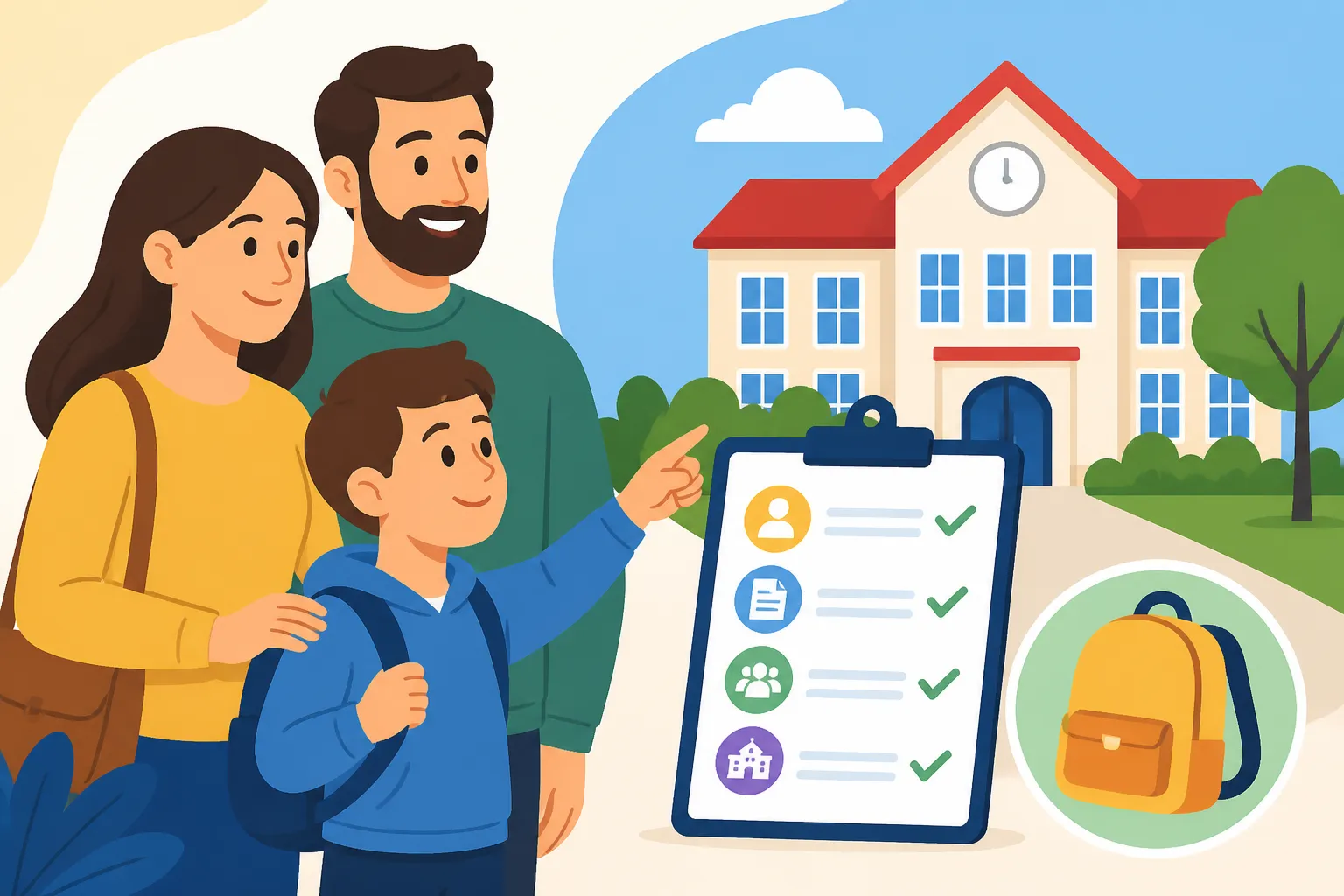
To help you get organized, here's a quick overview of the key documents you'll typically need for enrolling your child in a Polish public primary school:
| Document Type | Description | Where to Get It / What to Do |
|---|---|---|
| Child's PESEL Number | National identification number, essential for all official registrations. | Apply at your local Urząd Gminy/Miasta (Commune/City Hall). Often obtained alongside zameldowanie or residence permit. See: How to Get Your PESEL Number and Why It Matters for Healthcare |
| Parent's PESEL Number | Also usually required for official applications, as the legal guardian. | Same as above. |
| Proof of Zameldowanie | Official residential registration for your child and family. Determines district school. | Obtain a zaświadczenie o zameldowaniu from your Urząd Gminy/Miasta. Requires rental contract or property deed. See: Registering Your Residence (Zameldowanie) in Poland: The Complete Guide |
| Child's Birth Certificate | Original document proving birth. | Your child's original birth certificate from home country. |
| Sworn Translation of Birth Cert. | Legally certified translation of the birth certificate into Polish. | By a certified (sworn) translator in Poland. |
| Previous School Reports/Transcripts | Documents detailing your child's academic history and performance from previous school(s). | From your child's former school, with sworn translations into Polish. |
| Medical Certificate / Vaccination Records | Proof of general health and compliance with Polish vaccination schedule. | From a Polish doctor, based on your child's original records (translated). |
| Application Form | Official form provided by the school for enrollment. | Obtain directly from the target school or download from its website/local Urząd portal. |
| Photos (Passport-style) | Often required for student ID or school records. | Standard passport-size photos. |
Disclaimer
Please remember that while this guide aims to be as accurate and up-to-date as possible based on the general rules and personal experiences of expats in Poland, specific requirements and procedures can sometimes vary between gminy (communes) or even individual schools. It is always advisable to directly contact your local Urząd Miasta/Gminy and the specific primary school you are interested in for the most precise and current information relevant to your situation. Laws and regulations can change, so always double-check with official sources.