How Do I Find Family Housing Near International Schools in Poland?
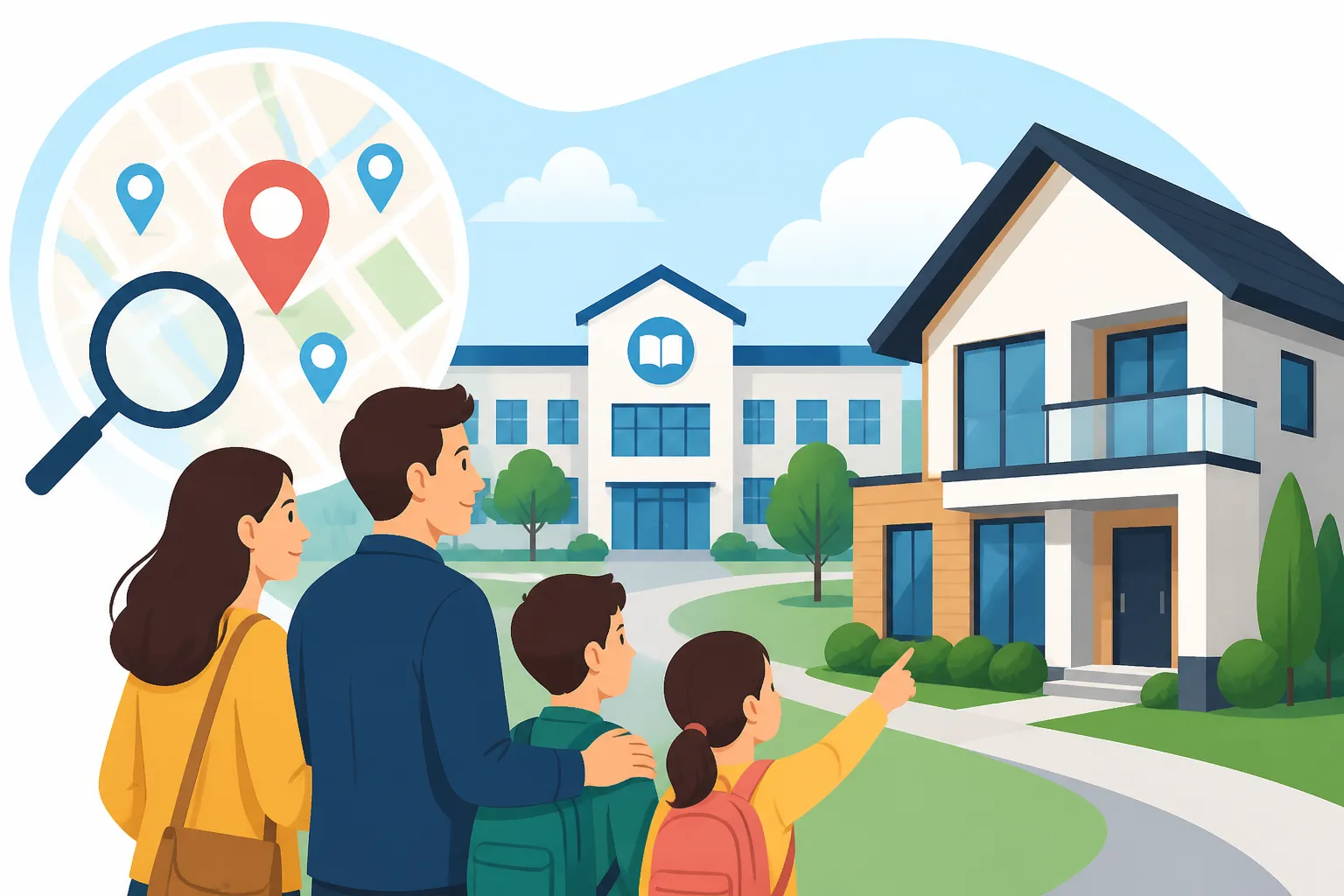
Finding a suitable family home in Poland, especially one that's close to the right international school for your kids, can feel like you're trying to solve a Rubik's Cube blindfolded. The administrative hurdles, the language barrier, and simply not knowing the local real estate landscape can be incredibly frustrating. This guide is here to uncomplicate that process, helping you pinpoint the best areas and strategies to secure a comfortable home for your family near your chosen international school.
Understanding the Landscape: International Schools and Their Locations
When you're embarking on the adventure of finding family housing near international schools in Poland, the first hurdle is often realizing that "international school" isn't a single, uniform concept. These schools aren't spread evenly across the country, nor do they all cater to the same needs or follow the same curricula. Your search will largely be dictated by where these institutions are concentrated and what kind of education you're looking for.
Major Cities and School Hubs
Poland's international school scene is predominantly concentrated in its major metropolitan areas. Warsaw, as the capital, is naturally the epicentre, boasting the widest array of options. Here, you'll find schools like the American School of Warsaw, the British School Warsaw, and the International European School Warsaw, all offering diverse educational pathways. These schools are generally located in the more affluent, often suburban, districts, meaning the housing around them tends to be spacious but also pricier. Think of areas like Konstancin-Jeziorna for the American School, or Ursynów and Wilanów for others, where you'll find detached houses with gardens or modern, family-friendly apartment complexes. The commute from these areas into the city centre can be significant, so weighing proximity to work versus school becomes a key consideration.
Beyond Warsaw, Krakow also stands out with a respectable selection of international schools, such as the International School of Krakow and the British International School of Cracow. These schools are typically found within or just outside the city centre, often in more residential neighbourhoods that still offer good access to amenities. For instance, the outskirts of Podgórze or Bronowice might be popular with expat families due to their balance of green spaces and reasonable commutes. Gdansk, with the International School of Gdansk, and Wroclaw, home to the International Primary School and International High School of Wroclaw, offer fewer, but still quality, choices. These cities tend to be more compact, making the school-to-home commute less daunting. However, the housing stock around these schools might be older, or competition for modern, family-friendly rentals could be higher. Understanding that each city presents its own unique set of housing and school accessibility challenges is the first step in managing your expectations.
Types of International Schools and Their Impact on Housing Choices
The type of international school your children attend will profoundly influence your housing decisions. International schools in Poland typically follow one of several curricula: the International Baccalaureate (IB), British (IGCSE/A-Levels), or American (AP). Each curriculum often attracts a slightly different expat demographic and can be located in areas that reflect those preferences. For instance, a school primarily catering to the diplomatic community in Warsaw might be situated in a district known for its large, secure villas, while an IB school focusing on a broader international mix might be in a more integrated, mixed-housing neighbourhood. The fees, which can vary wildly, also play a role; schools with higher fees often attract families with larger housing budgets, potentially opening up more luxurious rental options closer to the school.
The availability of places in these schools is another critical factor. Popular schools often have waiting lists, and securing a spot might mean you have less flexibility on your housing search timeline. This sometimes forces families to temporarily settle for housing further away, or in a less ideal location, just to get their children enrolled. Moreover, some schools are all-through (kindergarten to high school), while others specialise in primary or secondary education. If you have children of different ages, you might need to find a location that allows for reasonable commutes to two different institutions, which can complicate the housing search immensely. Being clear on your educational priorities, your budget for both school fees and rent, and understanding the logistics of student enrolment will help you narrow down not just the school, but also the most practical and appealing areas for your family to live. To dive deeper into the educational landscape, you might want to explore resources like Schools and Education in Poland: A Complete Guide for Expat Families.
Navigating the Housing Hunt: Strategies for Family Homes
Once you've got a handle on the international school landscape, the next big hurdle is actually finding that perfect family home. It's not just about proximity; it's about space, safety, amenities, and – let's be honest – not breaking the bank. Poland's housing market, particularly in the major cities, can be fast-paced and competitive, especially for properties that tick all the boxes for an expat family.
Defining Your Housing Priorities
Before you even start browsing listings, sit down with your family and map out your non-negotiables. What does "family housing" truly mean for you in Poland? Is it a spacious apartment with at least three bedrooms, or are you dreaming of a detached house with a proper garden where the kids can run free? For many expat families, ample living space is a high priority, especially if they're used to larger homes in their home countries. Remember, Polish apartments, particularly older ones, can sometimes have smaller room sizes, so always check floor plans meticulously.
Your budget will, of course, be a significant dictator. Housing near top international schools, especially in prime Warsaw districts like Wilanów or Konstancin-Jeziorna, can be considerably more expensive. You'll need to weigh whether the convenience of a five-minute school run justifies a smaller or pricier home, or if you're willing to commute a bit further for more space and better value. Consider the number of bedrooms, the need for a separate home office (increasingly common for remote work), outdoor space (balcony, terrace, or garden), and the general feel of the neighbourhood. Do you want a quiet, leafy residential street, or are you okay with a more bustling, urban environment if it means better access to shops and public transport? Having a clear list of priorities will save you a lot of time and heartache, helping you filter out unsuitable properties quickly. For a general idea of rental costs, check out How Much Does It Cost to Rent an Apartment in Warsaw in 2026?.
Best Ways to Search for Family-Friendly Rentals
The digital age has made searching for rentals much easier, but it still requires a strategic approach. Online portals are your first port of call. Websites like Otodom.pl, Morizon.pl, and Gratka.pl are the Polish equivalents of popular international real estate sites, and they list thousands of properties. You can filter by number of rooms, size, location (down to specific districts or even street names), and type of property. Many listings will include photos, floor plans, and sometimes even virtual tours. However, navigating these sites can be a challenge if your Polish isn't up to scratch, as not all landlords or agents provide English descriptions. This is where a little patience, Google Translate, or better yet, a Polish-speaking friend or colleague comes in handy.
For a more guided and less stressful experience, particularly for families relocating from abroad, a reputable real estate agent specializing in expat rentals can be invaluable. They often have access to properties not yet listed publicly, understand the nuances of expat needs (like lease lengths, pet clauses, or specific school district requirements), and can help with the language barrier during viewings and contract negotiations. Firms like Savills or local agencies with dedicated international desks are good starting points. While they charge a fee (typically one month's rent, sometimes split between landlord and tenant, or paid entirely by the tenant), the time and stress they save can be well worth it. They can also assist with the intricacies of Umowa Najmu (rental contracts), which is a critical piece of the puzzle you'll want to understand thoroughly, as detailed in How Do I Sign a Rental Contract Umowa Najmu in Poland?. When you first arrive, getting a local SIM card is essential for coordinating viewings, and services like Airalo can help you get connected instantly without the hassle of finding a physical SIM. Don't forget to leverage expat Facebook groups and online forums; sometimes, departing expats list their homes directly, which can lead to smoother transitions.
Understanding Lease Agreements and Tenant Rights
Polish rental agreements, or umowa najmu, are legally binding documents, and it's crucial to understand their terms before you sign. For families, securing a long-term lease (e.g., 12-24 months) is usually preferable for stability. Most landlords will require a security deposit, typically equivalent to one or two months' rent, to cover potential damages or unpaid bills. This deposit should be clearly stated in the contract, along with the conditions for its return. It's a good idea to create a detailed inventory (protokół zdawczo-odbiorczy) with your landlord when you move in, noting the condition of everything, to avoid disputes later.
As a tenant, you have rights. The landlord is generally responsible for major repairs to the property structure and systems, while you, as the tenant, are typically responsible for minor maintenance and keeping the property clean. Utilities are usually paid in addition to the base rent, and your contract should clearly outline what is included in the czynsz (administration fees covering building maintenance, sometimes heating and water) and what you pay separately (electricity, gas, internet). Make sure these details are clear, and ask for estimated monthly costs to avoid surprises. If you are ever unsure about any clause, don't hesitate to seek legal advice or ask your real estate agent to clarify. A clear understanding of your agreement will help ensure a smooth tenancy for your family.
Practical Considerations When Settling In
Moving with a family involves more than just finding a house; it's about building a life in a new country. Practical considerations like commuting, local amenities, and managing the bureaucratic side of things can make or break your initial experience in Poland. Being prepared for these aspects will alleviate much of the stress that often accompanies international relocation.
Commute & Infrastructure
Even if you find a fantastic home right next to your child's international school, you'll still need to navigate the city. Understanding the local transport infrastructure is paramount. Poland has a well-developed public transport system in its major cities, including buses, trams, and in Warsaw, a metro. These systems are generally reliable and efficient, but rush hour traffic can be significant, especially in larger cities like Warsaw or Krakow. If your workplace is on the opposite side of the city from the school, you'll need to factor in potentially long commute times, both for yourself and for school runs. Many international schools offer bus services, which can be a lifesaver for busy parents, but these come at an additional cost.
For families, having easy access to essential amenities is also key. Are there grocery stores, pharmacies, playgrounds, and parks within walking distance or a short drive? What about medical facilities? Knowing where your nearest przychodnia (clinic) or How to Find an English-Speaking Doctor in Poland is located will provide immense peace of mind. While many expats opt for private healthcare subscriptions (like Medicover or LUX MED), it’s always good to know the local public options too. If you're considering buying a car or bringing your own, you'll need to understand Driving in Poland: Licences, Registration and Rules for Expats (2027) and whether parking is readily available at your chosen residence and school. The balance between proximity to the school, convenience for your daily life, and your workplace commute is a delicate one that demands careful planning. For more on how to get around, explore The Expat Guide to Public Transport in Poland.
Setting Up Utilities and Connectivity
Once you've secured your family home, setting up utilities is one of those immediate, necessary tasks that can feel like a bureaucratic labyrinth. You'll need to transfer electricity, gas (if applicable), water, and internet/mobile services into your name. While your landlord or real estate agent might assist, it often falls on you to navigate these new systems. Each utility provider will have its own process, often requiring a PESEL number (which you'll get during your residence permit process or employment), a copy of your rental agreement, and identification. Companies like PGE (electricity) or PGNiG (gas) are major providers, but smaller regional ones exist. For internet and mobile, you have a wide range of choices, including Orange, Play, T-Mobile, and Plus, all offering various packages that can include TV. Remember to shop around for the best deals, especially if you need high-speed internet for work or entertainment. For a deeper dive, check out The Expat Guide to Setting Up Utilities in Poland.
Managing all of this, especially if you're not fluent in Polish, can be tricky. Don't be afraid to ask for help from colleagues, expat groups, or even use translation apps. The good news is that customer service for internet and mobile providers increasingly offers English support. Having a reliable phone connection from day one is crucial for everything from coordinating school activities to making doctor's appointments. If you're moving furniture or personal belongings from abroad, finding a reliable moving service is also important. Companies like Sirelo can help you compare removal companies, ensuring your treasured family possessions arrive safely and efficiently. Remember, getting your official Registering Your Residence (Zameldowanie) in Poland: The Complete Guide is an essential administrative step that often requires proof of a utility contract or rental agreement.
Legalities and Logistics of Renting with a Family
Renting as a family in Poland involves a few specific legal and logistical considerations. One important aspect is the Najem Okazjonalny (occasional rental contract), which many landlords prefer. This type of contract provides landlords with quicker eviction processes in case of non-payment or other breaches, making it less risky for them. However, it requires you, the tenant, to provide a notary-certified declaration that you have an alternative address to move to if the contract terminates, and that another person (often a Polish citizen or someone with Polish residency) agrees to take you in. This can be a hurdle for new expats without local connections, so be prepared to discuss this with your agent or landlord. It's often negotiable, especially for long-term expat tenants, but be aware of its existence.
Beyond the rental contract itself, there's the How Do I Register My Residence (Zameldowanie) in Poland? requirement. All residents in Poland are legally obligated to register their temporary or permanent address (zameldowanie) with the local Urząd Gminy or Urząd Miasta (municipal office). This isn't just a formality; it's often necessary for other administrative tasks, like getting a PESEL number, registering for healthcare, or enrolling your children in public schools (if you choose that route). As a family, you'll register each member individually, often presenting your passports, residence permits, and the rental agreement. While the process can seem daunting with all the paperwork and potential queues, completing your zameldowanie ensures your family is officially recognised as residents, simplifying future interactions with Polish authorities and giving you access to local services.
| City/District | Typical School Examples (International) | Average Rent (3-bed apartment, mid-range) | Family-Friendliness (1-5, 5=highest) | Pros | Cons |
|---|---|---|---|---|---|
| Warsaw (Wilanów) | American School, British School Warsaw | 7,000 – 15,000 PLN+ | 5 | Modern housing, green spaces, expat community, international schools, amenities | High cost of living, traffic to city centre |
| Warsaw (Ursynów) | International European School Warsaw | 6,000 – 12,000 PLN | 4 | Good public transport, parks, varied housing, schools, shops | Can be dense, varying building quality |
| Krakow (Podgórze) | International School of Krakow | 4,500 – 8,000 PLN | 4 | Good mix of old/new, Vistula access, some green areas, good transport | Can be residential, but limited detached houses |
| Krakow (Bronowice) | British International School of Cracow | 4,000 – 7,500 PLN | 3.5 | Residential, good transport links, quieter than city centre | Fewer immediate amenities, older housing stock |
| Gdansk (Oliwa/Wrzeszcz) | International School of Gdansk | 3,500 – 6,500 PLN | 3.5 | Proximity to university, green areas, coast, good transport | Smaller expat community, less choice of international schools |
| Wroclaw (Krzyki) | International Primary School Wroclaw, Wroclaw Int. School | 4,000 – 7,000 PLN | 4 | Residential, parks, good schools, growing expat scene, good amenities | Traffic can be an issue, competition for modern housing |
Note: Rental prices are approximate and can vary significantly based on size, condition, and exact location.
Disclaimer
The information provided in this guide is intended for general informational purposes only and does not constitute legal, financial, or professional advice. While we strive to ensure accuracy, regulations and market conditions in Poland can change rapidly. Always consult with qualified professionals for advice tailored to your specific situation.