How Do I Pay My Utility Bills in Poland?
Moving to Poland is an adventure, isn't it? You navigate new roads, new language, new customs, and then you get that first stack of official-looking letters in Polish – your utility bills. Suddenly, the simple act of paying for electricity or internet feels like a cryptic puzzle. Trust me, we’ve all been there, staring at a piece of paper filled with unfamiliar words, wondering where the hell to send your money and by when. This guide is here to demystify the process, walking you through exactly how to pay your utility bills in Poland, so you can keep the lights on and the internet flowing without a headache.
Understanding the Polish Utility Landscape
Before we dive into how to pay, it helps to know what you're paying for and who the main players are. Poland's utility system might seem a bit different from what you're used to, particularly with how some costs are bundled.
Key Utilities You'll Encounter: Electricity, Gas, Water, Internet, Mobile
When you move into a new place in Poland, whether you're renting or buying, you'll inevitably encounter a few core utilities. The way these are set up and billed can vary.
-
Electricity (Energia Elektryczna): This is universal, of course. In Poland, you'll find a few major providers like PGE, Tauron, Enea, Energa, and innogy (now mostly E.ON in Warsaw). Your landlord or previous owner will usually indicate which provider serves your building. Sometimes, particularly in older buildings, electricity might be included in your czynsz (which we’ll get to in a moment), but more often than not, you’ll have a separate contract directly with the electricity company. You'll usually receive bills monthly or bi-monthly, often based on estimated usage, with an annual or semi-annual reconciliation based on actual meter readings. If you're looking to get started with this, our guide on How to Set Up Electricity in Your Polish Home can walk you through the nitty-gritty.
-
Gas (Gaz): Not all homes use gas for heating or cooking. Many modern apartments rely solely on electricity or city-supplied central heating. If your apartment does have a gas connection, the primary provider will almost certainly be PGNiG (Polska Grupa Górnictwa i Gazownictwa), or rather, its retail arm, PGNiG Obrót Detaliczny. Similar to electricity, bills can be estimated, with periodic actual readings. Don't be surprised if your gas bill is tiny in summer and much larger in winter if you use gas for heating.
-
Water (Woda) and Sewage (Ścieki): Unlike electricity and gas, water and sewage services are typically handled by municipal companies. So, for example, in Warsaw, it's MPWiK; in Krakow, it's Wodociągi Krakowskie. Sometimes, water charges are managed directly by your building's administration (spółdzielnia or wspólnota mieszkaniowa) and included as part of your czynsz. Other times, you'll get a separate bill. The billing frequency for water can be a bit sporadic, with some places billing quarterly or even less frequently, based on meter readings. To avoid any nasty surprises, ensure you understand whether your water is separate or part of your building fees. For a deeper dive into setting up these essential services, check out How to Set Up Water, Gas and Heating in Poland.
-
Internet and Mobile (Internet i Telefon Komórkowy): These are usually straightforward. Poland has a very competitive market with major players like Orange, Play, T-Mobile, and Plus, along with smaller, local fiber providers. You typically sign a contract for 12 or 24 months for home internet and mobile plans. Bills are almost always monthly and predictable, unless you go over your data limits or make international calls outside your plan. For initial connectivity while you're settling in or if you need a short-term solution, options like Airalo can be great for eSIM data packages, letting you stay connected before committing to a local long-term plan. For more detailed advice, our article on How to Choose a Mobile and Internet Provider in Poland is a must-read.
The Dreaded Czynsz Building Maintenance Fee
Ah, the czynsz. This one often confuses newcomers, and for good reason! It's not strictly a utility bill, but it covers many essential services and is a significant monthly payment. Czynsz is your building maintenance fee, paid to your building administration (either a spółdzielnia mieszkaniowa or a wspólnota mieszkaniowa).
What does czynsz usually cover?
- Heating (Ogrzewanie): In many apartment buildings, heating is central and provided by the building. This cost is almost always included in your czynsz.
- Hot Water (Ciepła Woda): Often, heating for hot water is also central, and its cost is part of your czynsz.
- Cold Water and Sewage (Zimna Woda i Ścieki): Sometimes these are included, especially in older buildings or if the building manages the individual apartment meters.
- Rubbish Collection (Wywóz Śmieci): This is almost universally included in your czynsz.
- Building Maintenance: Things like cleaning common areas, elevator maintenance, minor repairs, administrative costs, and contributions to a renovation fund (fundusz remontowy) are all covered by this fee.
The frustrating part? Your czynsz statement will often show advances (zaliczki) for things like heating and water. This means you're paying an estimated amount, and the actual usage is reconciled periodically (usually once a year). If you used less than estimated, you get a refund; if you used more, you'll have an additional amount to pay. This is why it's crucial to understand your lease agreement (umowa najmu) and read your czynsz statements carefully. Our guide Understanding Building and Administration Fees (Czynsz) in Poland goes into this in much more detail.
Common Methods for Paying Utility Bills in Poland
Once you have your bills in hand, it's time to pay them. The good news is that Poland has a very modern banking system, making most payments quite straightforward, once you know what you’re looking for.
Online Banking and Bank Transfers (Przelew)
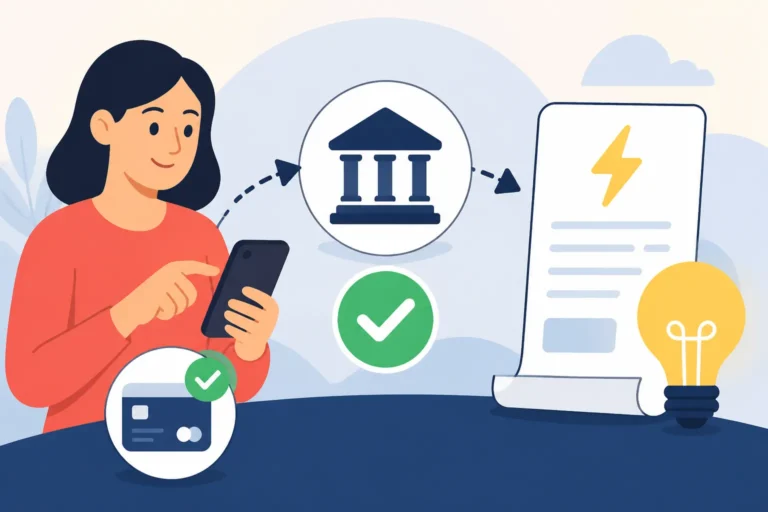
This is by far the most common and convenient method for paying bills in Poland. Every utility provider and building administration will provide a bank account number (numer konta) on their bills.
Here’s how it usually works:
- Log into Your Online Banking: Most Polish banks offer excellent online banking platforms, often with English language options. If you haven't already, getting a local bank account is one of your first steps. Our article on How to Open a Bank Account at a Polish Bank as a Foreigner can help you with this. Banks like PKO BP, mBank, Santander, and ING Bank Śląski are very expat-friendly.
- Initiate a Bank Transfer (Przelew): Look for an option like "Przelew krajowy" (domestic transfer) or "Nowy przelew" (new transfer).
- Enter Recipient Details:
- Recipient Name/Company (Nazwa odbiorcy): This will be the name of the utility company (e.g., PGE Obrót S.A., PGNiG Obrót Detaliczny) or your building administration (e.g., Wspólnota Mieszkaniowa ul. Kwiatowa 5).
- Account Number (Numer konta): This is the crucial 26-digit Polish IBAN number, always starting with "PL". You'll find it prominently displayed on your bill, often next to the company name or in a section like "Dane do przelewu" (transfer details).
- Amount (Kwota): The exact amount you need to pay (do zapłaty).
- Payment Title (Tytuł przelewu): This is critically important! Do NOT leave this blank. Your bill will specify what to put here, usually your customer ID (numer klienta or numer płatnika), the invoice number (numer faktury), or your address. For czynsz, it's often your apartment number and the month you're paying for (e.g., "czynsz za luty 2026, apt 12"). This title ensures your payment is correctly allocated to your account.
- Confirm and Send: Double-check all the details before confirming the transfer. Most transfers within Polish banks are instant or very quick.
Many online banking systems also allow you to save recipients, so once you've set up your electricity provider, you won't need to re-enter all their details every month. Some banks even have integrations where you can scan a QR code from a paper bill to auto-fill the details, which is a lifesaver. For more on managing your finances, read about How to Set Up Online Banking and BLIK Payments in Poland.
Direct Debit (Zlecenie Stałe) and Recurring Payments
For truly hands-off bill payment, direct debit (called zlecenie stałe or polecenie zapłaty) is your best friend. Not all providers offer this, but it's becoming more common.
- Zlecenie Stałe (Standing Order): This is something you set up directly in your online banking. You tell your bank to send a fixed amount of money to a specific account on a specific date each month. This is great for bills that are always the same amount, like your internet or mobile plan. You initiate and control this from your end.
- Polecenie Zapłaty (Direct Debit): This is where the service provider (e.g., your electricity company) is authorized to pull money directly from your account. You usually need to sign a form with the provider and sometimes also register it with your bank. This is ideal for variable bills, as the provider will only take the exact amount due.
Pros of Direct Debit:
- Convenience: No need to remember due dates or manually make transfers.
- No Late Fees: Payments are made automatically on time.
- Less Paperwork: You might opt for e-bills if you use direct debit.
Cons of Direct Debit:
- Less Control: The money leaves your account automatically. It's wise to still check your bank statements.
- Setup: Can sometimes involve paper forms and a bit of back-and-forth, especially for polecenie zapłaty.
If you're interested in setting this up, our guide How Do I Set Up Direct Debit for Bills in Poland? offers a comprehensive explanation.
Physical Payment Points: Post Office and Kiosks
For those who prefer a more traditional approach, or if you don't have Polish online banking set up yet, you can pay bills physically.
- Poczta Polska (Polish Post Office): Every city and town has numerous post offices. You simply take your bill (the physical paper bill with the payment slip, or blankiet wpłaty) to the counter. The clerk will scan it, take your cash, and give you a stamped receipt. There's usually a small fee for this service, typically a few złotys per transaction. It's often busy, so be prepared for a wait.
- Żabka, Ruch, and Other Kiosks: Many convenience stores and newsstands offer bill payment services. Look for signs that say "Opłać rachunki" or similar. Again, you'll need your physical bill, and there will be a small transaction fee. This is often quicker than the post office.
- Bank Branches: You can also walk into a bank branch and make a cash deposit or transfer to the utility company's account. You don't necessarily need to be a client of that bank, but fees might be higher.
This method can be a good stop-gap measure, especially when you're just starting out in Poland. However, for long-term living, getting online banking sorted is highly recommended.
Decoding Your Polish Utility Bills (and What to Watch Out For)
The biggest hurdle for many expats isn't how to pay, but what they're actually looking at on the bill. Polish utility bills can be dense and intimidating, especially if you're not fluent in the language.
Essential Information on Bills: Account Numbers, Deadlines, and Amounts
Let's break down the key terms and sections you need to hunt for on most Polish bills:
- Nazwa odbiorcy / Sprzedawca: Recipient name / Seller (the utility company or building admin)
- Numer konta (bankowego): The bank account number for payment (26 digits, starts with PL)
- Kwota do zapłaty / Należność: Amount due / Amount to pay
- Termin płatności / Data płatności: Payment deadline / Due date
- Tytuł płatności / Tytuł przelewu: Payment title (your customer ID, invoice number, etc. – super important!)
- Numer klienta / Numer odbiorcy: Customer number / Recipient number (your unique ID with the provider)
- Numer faktury: Invoice number (often needed for the payment title)
- Adres punktu poboru: Address of the consumption point (your apartment address)
- Zużycie: Consumption (e.g., kWh for electricity, m³ for water/gas)
- Okres rozliczeniowy: Billing period (e.g., from 01.01.2026 to 31.01.2026)
Always, always make sure the recipient's name matches, the account number is correct, and the payment title is entered precisely as requested. A wrong payment title can lead to your payment being lost or incorrectly allocated, which can cause a lot of hassle to fix.
Variable vs. Fixed Charges & Estimated Readings
Understanding how your usage is measured and billed is key to avoiding surprises.
- Liczniki (Meters): Most utilities (electricity, gas, water) are measured by meters. You might have individual meters in your apartment or central meters for the building.
- Prognoza (Estimated Bill): It's very common for utility companies to send you bills based on estimated consumption for several months. They calculate this based on your historical usage. This means your bill amount will be relatively constant for a few months.
- Rozliczenie (Reconciliation Bill): Periodically (e.g., once a year, or when a meter reader visits), the company will get an actual reading from your meter. They'll then issue a reconciliation bill.
- If your actual usage was less than the estimated bills you paid, you'll have an overpayment (nadpłata) which will either be refunded to you or credited towards future bills.
- If your actual usage was more than the estimated bills, you'll have an underpayment (niedopłata) and an additional amount to pay. This is why you might suddenly get a much larger bill than usual.
This system can be a bit frustrating, as it means you're not always paying for your exact usage each month. To mitigate this, many providers allow you to submit your own meter readings online (samoobsługa or Internetowe Konto Klienta – IKK), which can help make your estimated bills more accurate. Make sure to check if you have to register to get access to an IKK and How to Set Up an Internetowe Konto Pacjenta (IKP) Patient Account as it covers a similar process with personal accounts.
- Opłaty stałe (Fixed Charges): Aside from your consumption-based charges, most bills will also include fixed fees for things like network access, maintenance, or subscription. These are charged regardless of how much electricity or water you use.
Language Barriers and Getting Help
Let's be real, navigating Polish bureaucracy and bills when you're not fluent in Polish is tough. It's a universal expat frustration.
- Translation Tools: Google Translate (especially the camera function) can be a lifesaver for quickly understanding key terms on a bill.
- Polish Friends/Colleagues: Don't be afraid to ask for help! Most Poles are very understanding and willing to assist if you show you've made an effort. A quick phone call with a Polish speaker can clarify a lot.
- Provider Helplines: Many larger utility providers now offer English-speaking helplines, or at least have staff who can communicate in English. Look for a "kontakt" or "infolinia" section on their website or bill.
- Expat Groups: Online expat groups (e.g., on Facebook) are fantastic resources for asking specific questions and getting advice from others who've faced the same challenges.
- Landlords/Rental Agencies: If you're renting, your landlord or rental agency should be your first point of contact for initial setup and clarification on how your specific utilities are managed. They often have experience guiding foreigners. If you're wondering how to transfer utilities to your name, our article How Do I Transfer Utility Bills to My Name When Renting in Poland? can provide more tailored advice.
Practical Tips and Best Practices for Expats
Settling into a new country involves a lot of learning curves. Here are some seasoned expat tips for managing your utilities in Poland.
Setting Up Your Accounts (and What to Do First)
The initial setup is often the most confusing part. Here’s a general sequence:
- Understand Your Lease/Purchase Agreement: Your rental contract (umowa najmu) or property purchase agreement will specify which utilities are your responsibility and which are handled by the landlord/building. Make sure this is crystal clear.
- Get Your PESEL Number: While not always strictly required for every utility contract, having your PESEL (Polish national identification number) makes everything smoother, from opening a bank account to signing utility agreements. You'll definitely want to know How to Get Your PESEL Number and Why It Matters for Healthcare for all administrative tasks.
- Transfer or Establish New Contracts:
- Electricity/Gas: If the previous tenant/owner had contracts, you'll often "transfer" them into your name. This involves signing new agreements with the provider. The previous occupant should provide the final meter readings for their account.
- Water/Sewage: If these are billed separately, follow a similar transfer process. If they're part of czynsz, the building administration will handle it.
- Internet/Mobile: You'll typically sign entirely new contracts for these. Shop around for the best deals!
- Confirm Meter Readings: When you move in, take photos of all utility meters with a timestamp. This is crucial proof of your starting point and helps avoid disputes with the previous occupants or providers.
- Gather Contact Information: Keep a list of all your utility providers, their customer service numbers, and your customer IDs in one accessible place.
Monitoring Your Usage and Payments
Staying on top of things prevents unpleasant surprises.
- Online Customer Portals: Most major providers (PGE, Tauron, Orange, Play, etc.) offer online customer accounts (IKK – Internetowe Konto Klienta). Register for these immediately! They allow you to view bills, check payment history, submit meter readings, and sometimes even pay directly.
- Set Reminders: Use your phone or a calendar to set reminders for payment deadlines, especially if you're not using direct debit. Many bills have a relatively short payment window (e.g., 14 days).
- Keep Records: Save copies of your bills (digital or paper) and payment confirmations. This is invaluable if there's ever a dispute.
- Budgeting: Utilities are a significant part of your monthly expenses. Factor them into your overall cost of living budget. Our comprehensive guide to The Complete Guide to Cost of Living in Poland for Expats (2026) can help you plan this out.
What Happens If You Miss a Payment?
Accidents happen, especially when you're grappling with a new system. Don't panic, but don't ignore it either.
- Reminder (Wezwanie do zapłaty): For a slightly overdue payment, you'll usually receive a reminder notice, often with a small late fee (odsetki za opóźnienie) and a new, stricter deadline.
- Suspension of Service: If you continue to miss payments, especially for essential utilities like electricity or gas, the provider may send a notice threatening to suspend service (odłączenie). They usually give you another firm deadline (e.g., 7-14 days).
- Disconnection: If that deadline passes, they can and will disconnect your service. Reconnection involves paying all outstanding debts, late fees, and often a reconnection fee, which can be substantial.
- Debt Collection: Unpaid czynsz or other long-overdue utility bills can lead to debt collection agencies and potential legal action, especially if you leave the property with outstanding debts.
What to do if you miss a payment:
- Pay Immediately: If you realize you've missed a deadline, pay the outstanding amount as quickly as possible.
- Contact the Provider: If you can't pay immediately, or if you need clarification, contact the provider's customer service. Explain the situation (in Polish or with a Polish speaker's help). They might be willing to offer a payment plan or extend the deadline, especially if it's your first time.
- Check Your Bank Statements: Always verify that the payment actually went through from your bank account.
Remember, the Polish administrative system is generally quite formal. Ignoring official letters and bills is never a good strategy. Being proactive will save you a lot of stress and potential costs. When you're first arriving, and feeling overwhelmed by all the administrative tasks, using a service like Sirelo for moving logistics can significantly reduce stress, allowing you to focus on getting these vital utilities sorted without the added burden of other moving complexities.
Conclusion
Paying utility bills in Poland might seem like a daunting task initially, especially with the language barrier and unfamiliar administrative processes. However, once you understand the core methods – primarily online banking for direct transfers and direct debits – and learn to identify key information on your bills, it becomes a routine part of expat life. Stay organized, be proactive, and don't hesitate to seek help from local friends or expat communities. Soon enough, you'll be a pro at managing your Polish bills, leaving you more time to enjoy everything else this wonderful country has to offer.
Disclaimer
The information provided in this guide is for general informational purposes only and does not constitute legal, financial, or professional advice. While we strive to keep the information up-to-date and accurate, regulations and procedures in Poland can change. We recommend verifying specific details with the relevant authorities, utility providers, or professional advisors for your individual situation.