How Do I Set Up Gas and Heating in My Polish Apartment?
Moving into a new apartment in Poland is exciting, but the sheer thought of grappling with yet another administrative hurdle like setting up gas and heating can send shivers down any expat's spine. Believe me, I’ve been there – standing in a chilly apartment, staring at baffling Polish documents, and wondering if I’d ever figure out how to get warm. This guide is here to unravel the mysteries of Polish heating systems and gas connections, making sure you’re cosy and comfortable without the usual expat headaches.
Understanding Poland's Heating Landscape
One of the first things you'll notice when you move into a Polish apartment, especially if you're coming from a country with different infrastructure, is the variety of heating systems. It's not a one-size-fits-all situation, and understanding what you've got is crucial before you even think about setting it up. This is usually something your landlord or the previous tenant should explain, but if not, a quick look around will give you clues.
Common Heating Systems in Polish Apartments
Poland, being a country with distinct seasons and often very cold winters, has developed a few primary ways to keep its residents warm. Knowing which type you have dictates how you'll approach the "setting up" process.
First up, and probably the most common in larger cities and apartment blocks, is district heating (ciepło systemowe or ciepło miejskie). This is a big one. It means your building is connected to a central heating plant that supplies hot water to radiators in all the apartments. From your perspective, you don't actually "set up" district heating directly with a separate provider. Instead, the building administrator (the wspólnota mieszkaniowa or spółdzielnia mieszkaniowa) manages it, and your heating costs are typically bundled into your monthly czynsz (administration fees). You usually have thermostatic valves on your radiators to adjust the temperature in your own flat, but you don't control the overall supply to the building. This system is generally very reliable and often more environmentally friendly due to its centralised nature, but it can sometimes feel a bit impersonal because you're not dealing with an individual provider.
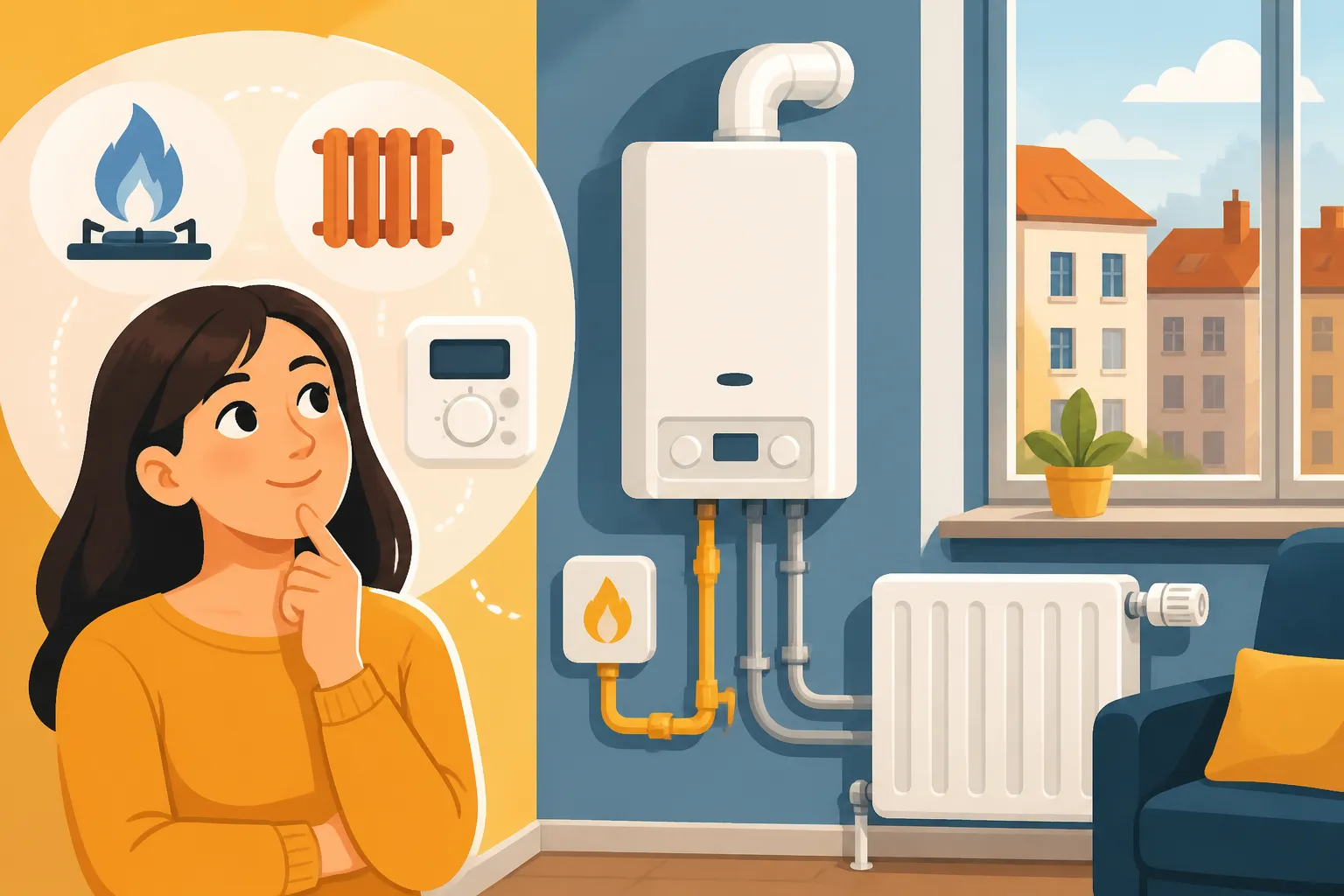
Then there's individual gas heating. This is prevalent in newer apartment buildings, townhouses, and many older, renovated properties. If you have this system, you'll likely have a gas boiler (piec gazowy) – often in the kitchen, bathroom, or a utility closet – that heats your water for both bathing and radiators. This gives you much more control over your heating schedule and temperature, which is fantastic for comfort, but it also means you’re directly responsible for managing a gas contract. This system requires a direct relationship with a gas supplier, which we'll delve into in a moment. While it offers flexibility, it also means your gas bills will fluctuate quite a bit depending on your usage, and you’ll need to understand how to operate your boiler – something that might require a quick tutorial from your landlord or a professional if you’re unsure.
Finally, you might encounter electric heating. This is less common as a primary heating source due to potentially higher running costs, but it exists. This could be in the form of electric radiators, underfloor heating (often in bathrooms), or even electric storage heaters. If your apartment relies solely on electricity for heating, your costs will be part of your electricity bill, and you won't need to worry about a separate gas contract. This simplifies things in terms of administrative setup, but it’s worth checking the insulation of your apartment and your electricity tariff to ensure it won’t break the bank during the colder months. Occasionally, you might also find apartments with coal or wood-burning stoves, particularly in older, rural properties, but these are rare in modern city apartments. If you do come across this, be prepared for a very different set of responsibilities, from sourcing fuel to managing emissions and cleaning.
Who is Responsible for Heating Bills?
This is a critical point that can cause a lot of confusion and potential disputes if not clarified from the outset. Your responsibility for heating bills in Poland depends heavily on your rental agreement (umowa najmu) and the type of heating system in your apartment. Understanding this is key to avoiding nasty surprises down the line, especially with the fluctuating energy prices we’ve seen lately.
In most cases, if your apartment uses district heating, your heating costs will be included in the czynsz you pay to your landlord or the building administrator. The czynsz covers a multitude of common building expenses, from garbage collection to elevator maintenance, and crucially, central heating and hot water. While it’s typically a fixed monthly amount, many administrators conduct an annual reconciliation. This means they compare the estimated heating costs (what you’ve been paying) against the actual consumption of the entire building. If the building used less heat than estimated, you might get a refund; if it used more, you'll owe the difference. This can be a significant amount, so it's always wise to ask your landlord or administrator about previous years' reconciliations to get an idea of potential additional costs. Make sure your rental contract clearly states what is and isn't covered by the czynsz.
For apartments with individual gas heating or electric heating, the responsibility almost always falls directly on the tenant. You will need to set up a contract in your name with the respective utility provider (gas company or electricity company). This gives you direct control over your consumption and bills. Your landlord will typically provide you with the necessary meter readings when you move in (stan licznika), and it’s a good idea to take photos of these readings together with them to avoid any disputes later. When signing your rental contract, make sure it explicitly states that utilities like gas and electricity are your responsibility and that the landlord will facilitate the transfer of the contracts to your name. Some landlords prefer to keep utility contracts in their name and simply recharge you for the usage, often with an added administrative fee. While this can seem simpler, it removes your direct control and transparency over consumption, which might not be ideal. Always push for direct contracts in your name if possible. You can learn more about how to navigate these financial responsibilities in our guide on Understanding ZUS Health Contributions (Składka Zdrowotna) in Poland.
The Nitty-Gritty of Setting Up Gas and Individual Heating
Alright, if you’re in an apartment with individual gas heating, this section is for you. This is where it gets a little more hands-on, but with a bit of patience and the right information, it’s completely manageable. I remember the first time I had to do this; I felt like I was learning a new language just to get warm!
Identifying Your Gas Supplier and Required Documents
In Poland, the primary gas supplier is PGNiG (Polskie Górnictwo Naftowe i Gazownictwo), which is now part of the Orlen Group and often branded as Orlen Gaz. For most residential customers, this is who you'll be dealing with. It's always a good idea to confirm with your landlord which specific supplier serves your building or area, though for gas, it's almost certainly Orlen. You can usually find the supplier's name on previous gas bills left in the apartment.
Before you even think about calling them, gather your documents. This is Poland, after all, and paperwork is king! You'll typically need:
- Your PESEL number: This is your national identification number, and it's practically essential for any official transaction in Poland. If you don't have one yet, make getting your How to Get Your PESEL Number and Why It Matters for Healthcare a priority.
- Your rental agreement (Umowa Najmu): The gas company will need proof that you are the legal occupant of the apartment. Make sure you have the original or a certified copy.
- Proof of identity: Your passport or Polish residence card (Karta Pobytu).
- Previous meter readings: Your landlord should provide these to you at the handover. Take photos of the meter with the readings and the date. This is crucial so you only pay for your own consumption.
- Landlord's contact details: Sometimes the gas company might need to verify details with them, especially if the contract is being transferred from the landlord's name.
Having these documents ready will significantly speed up the process, as the last thing you want is to be halfway through an application and realise you're missing a critical piece of paper.
The Application Process: Step-by-Step
This is where the real work begins. While some utility companies are slowly embracing online solutions, initiating a gas contract often still requires a visit to a customer service office (Biuro Obsługi Klienta) or a phone call.
-
Contacting Orlen Gaz: You can try calling their customer service line, but if your Polish isn't fluent, this can be a real struggle. Their website also has an English section for general information, but the application process itself might be harder to complete online without Polish. My advice? Find their nearest customer service office in your city. In larger cities like Warsaw, Krakow, or Wroclaw, they usually have dedicated offices. A quick search for "Orlen Gaz Biuro Obsługi Klienta [Your City]" should point you in the right direction. If you've just arrived and are still finding your feet, services like Sirelo, which specialize in helping expats move, sometimes offer assistance or resources for these initial utility setups. While they typically focus on the physical move, their networks can sometimes provide useful local tips.
-
Visiting the Office: This is often the most straightforward way, especially for non-Polish speakers. Bring all your documents. You'll likely need to fill out an application form (wniosek o zawarcie umowy). If you don't speak Polish, bring a Polish-speaking friend, colleague, or consider hiring a translator. Trying to navigate complex forms and questions in a foreign language under pressure is a recipe for frustration.
-
Choosing a Tariff: The consultant will ask you to choose a gas tariff. For most residential users, this will be a standard tariff (e.g., W-1, W-2, or W-3, depending on your consumption needs and whether you use gas for heating, water, and cooking). Unless you have extremely high consumption, a basic residential tariff should be sufficient. Don't overthink it too much initially; you can often change tariffs later if needed.
-
Signing the Contract: Once the form is complete and the tariff chosen, you'll sign the contract. Make sure you understand the terms, especially regarding billing cycles and notice periods. The consultant will also record your initial meter reading, which you should again verify with your own photos.
-
Meter Activation (If needed): In most cases, if gas was previously connected to the apartment, it won't need a physical activation visit. However, if it's a brand new connection or has been disconnected for a long time, an Orlen Gaz technician might need to schedule a visit to activate the meter. This is less common for rented apartments but something to be aware of.
This whole process can take anywhere from a single productive visit to the office to a few weeks if there are complications or delays. Patience is truly a virtue here.
Understanding Your Gas Bill and Payment Options
Once your gas contract is active, you’ll start receiving bills. These can be a bit daunting at first, but let’s break down the key components.
A typical Orlen Gaz bill (rachunek za gaz) will include:
- Opłata za paliwo gazowe: This is the actual cost of the gas you’ve consumed, calculated in kilowatt-hours (kWh) rather than cubic meters (m³), as the energy content of gas can vary.
- Opłata dystrybucyjna zmienna: A variable distribution fee based on your consumption, covering the cost of delivering the gas through the network.
- Opłata abonamentowa: A fixed monthly subscription fee, regardless of consumption, for administrative costs.
- Opłata dystrybucyjna stała: A fixed distribution fee.
You’ll see your meter readings (poprzedni stan licznika for previous, aktualny stan licznika for current) and the consumption (zużycie) in cubic meters, which is then converted to kWh.
Payment options are generally quite straightforward:
- Bank Transfer (Przelew): Every bill will have a unique bank account number for payment. You can easily do this via your Polish online banking. If you haven't set up a local bank account yet, check out our guide on How to Open a Bank Account at a Polish Bank as a Foreigner.
- Direct Debit (Polecenie Zapłaty): You can often set this up with Orlen Gaz directly, linking your bank account so bills are paid automatically. This is super convenient and highly recommended to avoid missing payments.
- Post Office or Bank Branches: You can pay cash at any Poczta Polska (post office) or most bank branches, though there might be a small processing fee.
Bills are typically issued monthly or bi-monthly, and you'll often have the option for estimated billing based on your historical usage, with periodic actual meter readings and adjustments. Keep an eye on your consumption, especially during winter, to avoid unexpectedly high bills.
Navigating District Heating and Central Heating Systems
If your apartment relies on district heating, your setup process is far less involved, but understanding how it works is still very important for managing your costs and comfort. This is usually the scenario in large apartment blocks built during various periods, including communist times and more modern developments.
How District Heating (Ciepło Systemowe) Works
With district heating, your apartment building receives hot water from a municipal heating network. This hot water circulates through your radiators, heating your home, and often also provides your domestic hot water supply. The beauty of this system is that you don't have to deal with individual gas boilers, maintenance, or gas contracts. It's truly a "set it and forget it" system from a contractual perspective. The entire building is treated as a single customer by the district heating provider (e.g., Veolia, PGE Energia Ciepła, or a municipal company depending on your city).
You, as a tenant, interact with this system primarily through your radiators. Most modern radiators come with thermostatic valves (thermostaty) that allow you to adjust the heat output in each room. Turning the dial from 0 to 5 typically ranges from off to full blast. It’s important to understand that while you control the temperature in your individual flat, you don't control when the heating season begins or ends for the building – that’s decided by the building administrator, usually based on outside temperatures. Generally, the heating season in Poland runs from October to April/May, but it can be activated earlier or later if temperatures drop significantly.
Understanding Czynsz and Included Heating Costs
As mentioned earlier, for apartments with district heating, your heating costs are almost always embedded within your monthly czynsz payments. This is a payment made to the building administrator (spółdzielnia mieszkaniowa or wspólnota mieszkaniowa) that covers a wide array of building-related expenses.
When you receive your rental agreement, it should specify the breakdown of your czynsz. You’ll typically see a line item for "centralne ogrzewanie" (central heating) and often "ciepła woda" (hot water). These are advance payments based on estimated consumption for the building.
The crucial part here is the annual reconciliation (rozliczenie roczne). Typically once a year, the building administrator will calculate the actual heating costs for the entire building and compare them against the total advance payments collected from all residents. If the building as a whole consumed less heat than estimated, you (and other residents) might receive a refund. Conversely, if the actual consumption was higher, you will be issued an additional bill to cover the difference. This reconciliation can happen several months after the heating season ends, so it's vital to factor this potential cost into your budget.
What to discuss with your landlord:
- Is heating included in the czynsz? Confirm this explicitly.
- How often is the reconciliation done? Annually is standard.
- What was the reconciliation amount for the previous year(s)? This gives you a good benchmark of potential additional costs or refunds.
- Are there individual heat meters? Some radiators in apartments might have heat allocation meters (podzielniki ciepła) that track your individual radiator usage. While these don't directly determine your bill (the building's total consumption is still key), they influence how the building's total cost is divided among residents. Understanding these can help you manage your own consumption and avoid paying for heat you don't use.
Managing your czynsz effectively means understanding these nuances. If you’re ever unsure about the breakdown or the reconciliation, don’t hesitate to ask your landlord or the building administrator for clarification. It's your right to know how your money is being spent. For those looking to set up basic communication upon arrival to handle these queries, having an eSIM from a provider like Airalo can be a lifesaver, ensuring you have a working phone for calls and translations from day one.
| Heating System Type | Provider Interaction | Billing Mechanism | Control Over Usage | Common in | Expats' Role |
|---|---|---|---|---|---|
| District Heating | Building Administrator | Included in Czynsz (monthly admin fees) | Limited (thermostatic valves only) | Large apartment blocks, cities | Ensure czynsz breakdown is clear; understand annual reconciliation; use radiator valves. |
| Individual Gas Heating | Orlen Gaz (PGNiG) | Direct billing from supplier (monthly/bi-monthly) | High (via gas boiler) | Newer apartments, townhouses, renovated old buildings | Set up direct contract; monitor gas meter; understand gas bill components; manage boiler settings. |
| Electric Heating | Electricity Supplier (e.g., PGE, Tauron) | Included in Electricity Bill | High (via electric radiators/thermostats) | Older or smaller apartments, supplemental heating | Set up electricity contract (if not done); monitor electricity meter; be aware of potentially higher costs; ensure good insulation. |
Troubleshooting and Common Expat Challenges
Moving to Poland and dealing with utilities can be a trial by fire. Even after everything is set up, you might hit a snag. As an expat, these snags can feel magnified by language barriers and cultural differences. But fear not, there are ways to navigate them.
Language Barriers and Assistance
This is probably the biggest hurdle for many newcomers. Polish is, let's be honest, not the easiest language to pick up, and bureaucratic conversations with utility companies are often peppered with technical jargon. I recall one particularly confusing call with a gas company where I simply couldn’t grasp the specific type of meter reading they needed.
Here's how to tackle it:
- Bring a Polish Speaker: Your landlord, a Polish friend, a colleague, or even a sympathetic acquaintance can be an invaluable asset when making phone calls or visiting offices. Offer to treat them to coffee or dinner afterwards – their time is precious!
- Professional Translators: For more complex issues or if you don't have personal contacts, consider hiring a professional translator for an hour. Many offer remote services and can translate over the phone during calls.
- Google Translate & DeepL: These tools are getting better and better. Use them to understand documents, draft emails, or even get a rough idea during a conversation. Just be aware they aren't perfect, especially with legalistic language.
- Online Customer Portals: Many utility companies, including Orlen Gaz, offer online customer portals (Internetowe Konto Klienta or IKK). While the interface might be in Polish, often you can use browser translation features. These portals usually allow you to check bills, submit meter readings, and manage your account without speaking to anyone. This is also where an immediate connection via something like an Airalo eSIM can be very helpful for those first few days when you might not have local Wi-Fi set up.
- Patience and Politeness: Even if you're frustrated, maintaining a calm and polite demeanor goes a long way. Polish customer service representatives are often more willing to help if you're respectful, even if you're struggling with the language. Remember, they're trying to help you, too.
What to Do If Your Heating Isn't Working
A cold apartment in Polish winter is no joke. If your heating decides to take an unannounced holiday, here's a plan of action based on your system:
For Individual Gas Heating:
- Check the Boiler: Is it on? Are there any error codes displayed? Sometimes a simple reset (often a button with a flame or power symbol) can fix it. Check the water pressure in the boiler; if it’s too low, you might need to top it up (your landlord should show you how, or there’s a valve usually marked).
- Check Gas Supply: Are other gas appliances (like your stove, if it's gas) working? If not, there might be a general gas supply issue.
- Contact Your Landlord: This is your first port of call. They might know the common quirks of the boiler or have a technician they usually call. They are also responsible for the maintenance of the appliance itself.
- Contact Orlen Gaz: If your landlord can't help and you suspect a supply issue, contact Orlen Gaz. Be prepared for a potentially difficult conversation if there's a language barrier. For emergency gas leaks, you must use the emergency number (usually 992 or a specific gas emergency number found on your bill or online).
- Boiler Technician: If the boiler itself is faulty, your landlord will need to arrange for a qualified gas technician (serwisant kotłów gazowych) to inspect and repair it. Never try to fix a gas boiler yourself!
For District Heating:
- Check Radiator Valves: Ensure all thermostatic valves on your radiators are open (usually set to 5).
- Ask Your Neighbours: Are their radiators cold too? If so, it's likely a building-wide issue.
- Contact Your Landlord or Building Administrator: This is who manages the district heating supply for the building. Report the issue to them immediately. They will be responsible for contacting the central heating provider or a building maintenance team.
- Check for Building-Wide Announcements: Sometimes, there are planned outages for maintenance, which the administrator should communicate in advance, often via notices in the building stairwell or online portals.
Remember, a prompt response is essential when it comes to heating issues, particularly during the colder months.
Energy Efficiency and Cost-Saving Tips
Once your heating is set up and running, you'll want to keep those bills in check, especially with the cost of living in Poland seeing some fluctuations.
- Insulation is Key: Check for drafts around windows and doors. Simple weather stripping or draft stoppers can make a big difference. If you can, keep curtains closed at night to retain heat.
- Smart Thermostats: If you have individual gas heating and your boiler allows it, investing in a smart thermostat can help you program your heating more efficiently, only heating when you need it.
- Layer Up: It sounds obvious, but wearing warm clothes indoors allows you to set your thermostat a degree or two lower, which can significantly impact your bill. A Polish sweter (sweater) is your best friend!
- Radiator Maintenance: If you have individual gas heating, make sure your radiators are bled regularly to remove any trapped air, which can prevent them from heating efficiently. Your landlord can often help with this or recommend a local handyman.
- Ventilation vs. Constant Open Windows: Instead of leaving windows slightly ajar all day, open them wide for 5-10 minutes a few times a day to air out the apartment, then close them completely. This changes the air without excessively cooling down the building's structure.
- Understand Your Bill: Take the time to decipher your gas or electricity bills. Knowing where your money is going empowers you to make informed decisions about your consumption. If you need help with this, many communities offer assistance for new residents. It’s also worth reading up on broader financial aspects in Poland, like our article on The Complete Guide to Taxes in Poland for Expats (2027), to understand all your financial obligations.
Setting up gas and heating in your Polish apartment might seem like a daunting task, but it’s an essential part of making your new place feel like home. With a clear understanding of the systems, the right documents in hand, and a little patience, you'll be enjoying a warm and comfortable Polish winter in no time.
Disclaimer
The information provided in this article is intended for general guidance and informational purposes only, and does not constitute professional advice. While we strive to keep the information up-to-date and accurate, regulations and procedures in Poland can change. It is always recommended to consult with relevant local authorities, utility providers, or legal professionals for advice tailored to your specific situation. We do not accept any responsibility for any loss or inconvenience arising from reliance on the information in this guide.