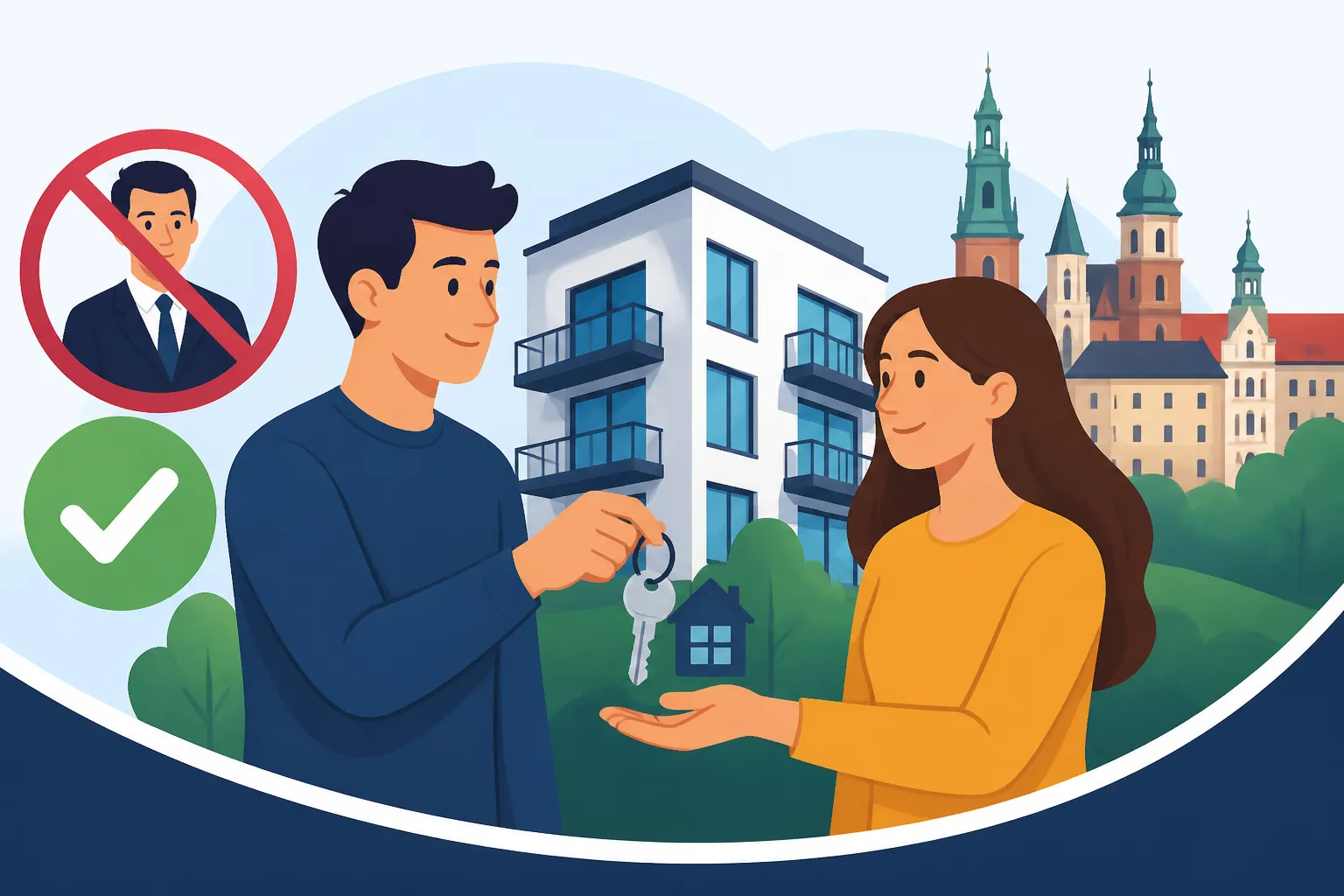
Can I Rent Directly from an Owner Without an Agent in Poland?
Moving to Poland is an exciting adventure, but let's be honest, the rental market can feel like navigating a minefield, especially when you encounter hefty agency fees for properties you often find yourself. It's a common frustration among expats: why pay a substantial commission when you've done all the legwork? This guide is here to empower you, breaking down the often-daunting process of finding and securing a rental directly from an owner in Poland, helping you avoid those extra costs and gain more control over your living situation.
Why Expats Seek Direct Rentals in Poland
As expats, we're always looking for ways to streamline our lives and, let's face it, save a few złoty. The idea of renting directly from an owner, bypassing real estate agents altogether, is often born out of this desire. It’s not just about the money, though that’s a huge motivator; it's also about a more personal, direct experience.
Avoiding Agency Fees and Hidden Costs
The most glaring reason many of us try to find a place od właściciela (from the owner) is to avoid the dreaded agency fees. In Poland, it's pretty standard for real estate agencies to charge a commission equivalent to one month's rent, plus 23% VAT, to the tenant. This can add up to a significant amount, especially if you're eyeing a nicer place in a city like Warsaw or Krakow. Imagine paying that on top of your security deposit and first month's rent – it’s a substantial chunk of change just to get keys in hand.
These fees often feel particularly unjust when you've done most of the searching yourself, perhaps on a popular portal or through an expat Facebook group. You might feel like the agent did little more than open a door and present a contract. For many of us, especially those arriving on a budget or simply wanting to stretch our funds further, cutting out this intermediary cost is a no-brainer. It means more money for exploring your new city, setting up your home comfortably, or just having a healthier emergency fund. It's a pragmatic decision driven by the desire to make your money work harder for you.
Direct Communication with the Owner
Beyond the financial aspect, renting directly offers the invaluable benefit of direct communication with your landlord. When something goes wrong – a leaky faucet, a flickering light, or a question about utility bills – you can contact the person responsible immediately. There’s no playing telephone through an agency, waiting for them to relay messages, or feeling like your issue is just another item on their to-do list.
This direct line of communication can foster a better landlord-tenant relationship built on trust and mutual understanding. You can discuss terms, ask specific questions about the apartment or building, and even negotiate minor details without a third party's involvement. It means quicker responses, more transparent dealings, and generally a more personable experience. For expats still getting to grips with the language and local customs, having this direct link, potentially with an owner open to English communication, can reduce a lot of stress and misunderstanding.
Flexibility in Lease Terms
Agencies often work with standard contracts and terms, which might not always suit an expat's unique situation. When you rent directly from an owner, there's often more room for negotiation on various aspects of the lease. Perhaps you need a slightly shorter or longer lease period than the standard 12 months, or maybe you have a pet and need specific clauses in the contract. Owners, especially private individuals, can sometimes be more flexible and willing to adapt terms to secure a good tenant.
This flexibility can extend to things like the exact move-in date, the possibility of extending the lease with less formality, or even minor changes to the apartment itself. While a formal contract is still crucial (we'll get to that!), the human element of direct dealing can open doors to arrangements that an agency, bound by its own policies and procedures, might not entertain. It gives you a sense of agency, pun intended, over your living situation, which is incredibly empowering when navigating a new country.
The Pros and Cons of Renting Directly from an Owner
Like any path less traveled, going directly to the owner has its sunny uplands and its potential pitfalls. It's about weighing the benefits against the risks and deciding if you're prepared for the extra legwork.
Advantages
The advantages of renting directly are quite compelling for many expats. The most obvious one is the significant cost saving. By cutting out the real estate agent, you’re instantly saving a month’s rent plus VAT, which can be a substantial sum. This money can be better utilized for furnishing your new home, dealing with unexpected relocation costs, or simply enjoying your early days in Poland. It’s a tangible benefit that can truly impact your initial financial outlay.
Another major pro is the direct relationship with the landlord. This can lead to a more personal, responsive, and potentially more empathetic rental experience. Instead of dealing with an often-impersonal agency, you build rapport directly with the person whose property you are living in. This can lead to faster resolution of issues, easier negotiation on minor points, and a general feeling of being more valued as a tenant. In some cases, owners might even be more understanding of expat-specific challenges, like fluctuating work schedules or the need for a bit more time to settle in. This direct connection also empowers you to address any concerns or misunderstandings head-on, without filters.
Disadvantages and Risks
However, it's crucial to acknowledge the disadvantages and potential risks that come with direct rentals. The biggest challenge for many expats is the language barrier. While some private landlords in larger cities like Warsaw or Gdansk may speak English, many will not. This can make initial communication, understanding complex legal documents, and resolving issues incredibly difficult if you don't have a good grasp of Polish or a trusted translator. Imagine trying to explain a plumbing emergency using Google Translate at 3 AM – it's a recipe for stress.
Then there's the risk of scams. Unfortunately, direct rental listings can sometimes be a hunting ground for unscrupulous individuals. You might encounter fake listings, requests for deposits before viewing, or individuals posing as owners to collect money. Without an agent to vet properties and landlords, the burden of due diligence falls entirely on you. This means you need to be extra cautious and knowledgeable about what to look for, which can be challenging in an unfamiliar system.
Furthermore, a direct rental might mean less legal protection compared to a situation involving a reputable agency that is well-versed in Polish rental law. While an agency is primarily working for the landlord, they usually adhere to standard legal practices. With a private owner, particularly if they are less experienced, the contract might be poorly drafted or lack crucial clauses. If a dispute arises, you don't have an intermediary to mediate, and navigating the Polish legal system as a foreigner can be incredibly daunting and expensive. It’s a situation where knowing Understanding Tenant and Landlord Rights in Poland becomes absolutely vital.
| Feature | Renting Directly from Owner | Renting via Agency |
|---|---|---|
| Cost | No agency commission (saves 1-month rent + VAT) | Agency commission (1-month rent + VAT) typically paid by tenant |
| Communication | Direct with owner, faster response | Via agency, potential delays in relaying messages |
| Flexibility | More room for negotiation on terms | Standardized contracts, less flexibility |
| Due Diligence | Entirely on tenant, higher risk of scams | Agency performs some vetting, lower risk |
| Legal Support | Tenant must seek own legal advice | Agency provides standardized contracts, but represents landlord |
| Language Barrier | Can be significant if owner doesn't speak English | Agency staff more likely to speak English |
| Dispute Resolution | Direct confrontation, potentially legal action | Agency may mediate, but primarily landlord's representative |
How to Find Direct Owner Rentals in Poland
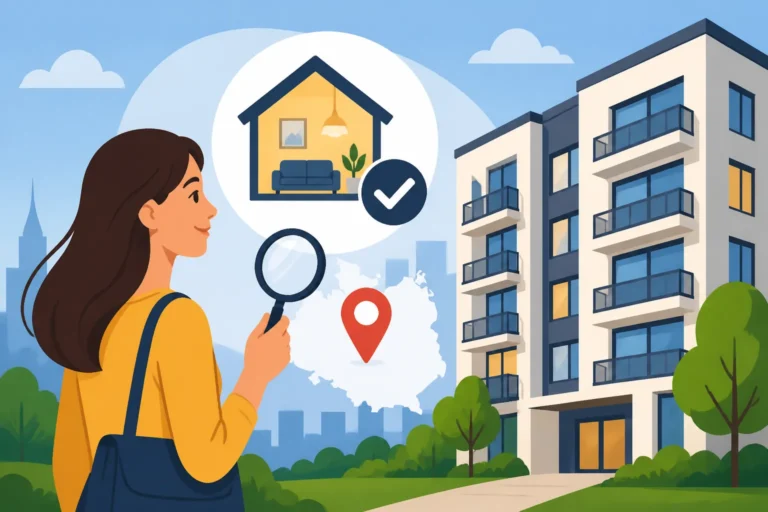
Finding those elusive od właściciela listings requires a bit more effort and a different strategy than simply browsing major real estate portals. You need to think like a local, or at least leverage channels that locals use for private listings.
Online Portals and Social Media
When it comes to online hunting for direct rentals in Poland, your best bet is often OLX.pl. While other large portals like Otodom or Morizon are dominant, they are heavily populated by real estate agencies. OLX, however, has a dedicated filter for "od właściciela" (from owner), making it a prime spot to start. You’ll find everything from studios to larger apartments, often posted directly by the people who own them. Be prepared for less professional photos and descriptions, but that's part of the direct charm! When browsing, look for phrases like "bez pośredników" (without intermediaries) or "ogłoszenie prywatne" (private listing).
Beyond dedicated property portals, social media, particularly Facebook, is an absolute goldmine for expats. There are countless local expat groups in cities like Warsaw Expats, Krakow Expats, or Wroclaw Expats where people post available apartments directly. Landlords who cater to expats often advertise here, and you might even find people looking for flatmates or subletting their place directly. Additionally, look for general local rental groups (e.g., "Wynajem Mieszkań [City Name]") as these often have private listings too. Just be vigilant against scams, which can also appear on social media platforms. Remember, if a deal looks too good to be true, it probably is.
Local Networks and Word of Mouth
Never underestimate the power of word-of-mouth in Poland, especially within the expat community. Tell everyone you know that you're looking for an apartment directly from an owner. Your colleagues, new friends, language exchange partners, or even the barista at your favorite coffee shop might know someone with a spare apartment. Poles are often very well-connected, and a personal recommendation can open doors to properties that never even hit the online market. This is especially true for those slightly older, charming apartments in established neighborhoods.
Beyond personal connections, keep an eye out for physical advertisements. In some neighborhoods, you might still see "Do Wynajęcia" (For Rent) signs with a phone number plastered on apartment buildings or notice boards in local shops. While less common in very modern areas, it's worth a stroll through your desired neighborhood to spot these old-school listings. Consider checking notice boards in universities or community centers too. Sometimes, the best deals are found offline, requiring you to physically immerse yourself in the local environment.
Red Flags to Watch Out For
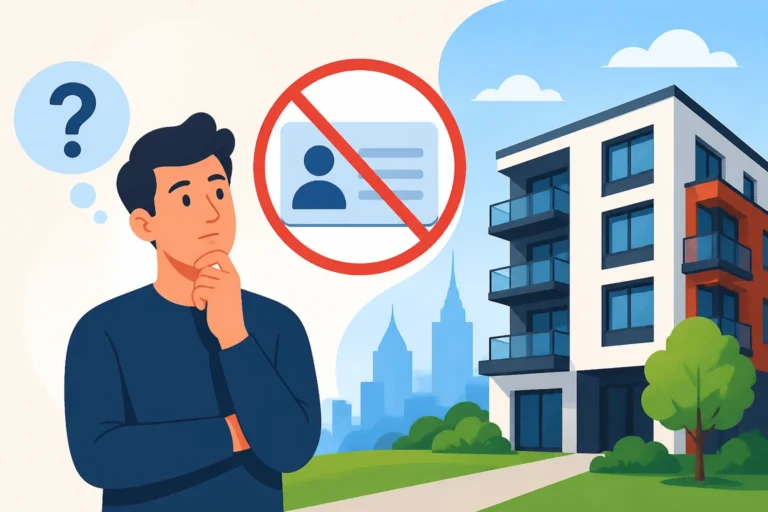
Navigating the direct rental market means you need to be your own detective. There are several red flags that should immediately raise your suspicion. Firstly, any request for money before you've viewed the property, met the owner, and seen identification is a huge red flag. This includes "holding fees," "application fees," or "security deposits" sent to an international bank account. No legitimate landlord will ask for money before these crucial steps.
Secondly, be wary of listings that seem too good to be true. An incredibly low price for a beautifully furnished, centrally located apartment in a high-demand city should make you extremely cautious. Scammers often use attractive but unrealistic offers to lure in unsuspecting tenants. Unprofessional listings with blurry photos, inconsistent descriptions, or stock images can also be indicators of a fake listing. If the "owner" is unwilling to provide a clear address, schedule a viewing, or seems evasive when you ask specific questions about the property, walk away. Always verify the owner's identity against the property documents, which we'll cover next.
Essential Steps for a Smooth Direct Rental
Once you've found a promising direct listing, the real work of ensuring a smooth and secure rental experience begins. This is where your due diligence and attention to detail will truly pay off.
Verifying the Owner and Property
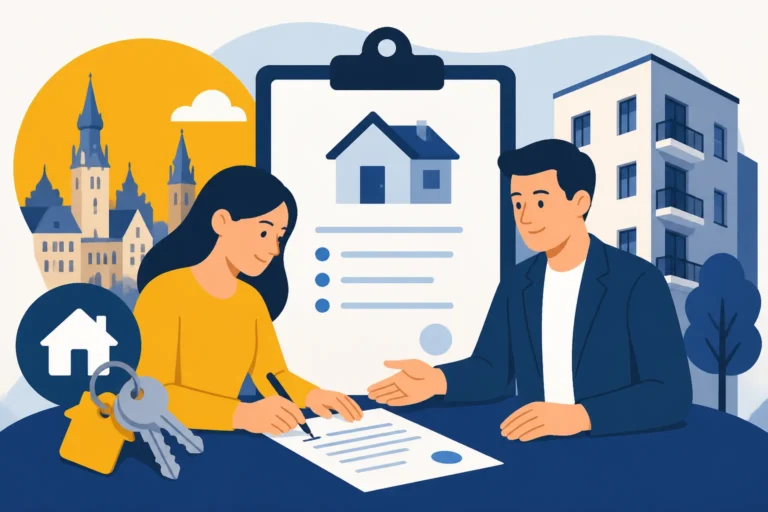
This step is absolutely non-negotiable when renting directly. You must verify that the person you're dealing with is the actual legal owner of the property. The best way to do this in Poland is by checking the Księgi Wieczyste (Land and Mortgage Register). This public register contains vital information about a property's ownership, any mortgages, and other legal encumbrances. You can access it online for free if you have the property's unique KW number. If the "owner" cannot or will not provide this number, that's a massive red flag.
When you meet the potential landlord, always ask to see their ID (dowód osobisty or passport) and compare the name on it to the name listed as the owner in the Księgi Wieczyste. They should match. If the person claims to be managing the property on behalf of the owner, ask for a power of attorney (pełnomocnictwo) document that grants them the legal right to do so. Never sign a contract or transfer money until you have personally verified this information. It's a small effort that can save you from a major scam.
Understanding the Rental Contract Umowa Najmu
The rental contract, or Umowa Najmu, is your most important document. Never, ever sign a contract that you don't fully understand. If it's only in Polish, you absolutely need a professional translation or a trusted Polish-speaking friend to go through every clause with you. Even better, request a bilingual contract if the landlord is amenable. Key elements to look out for include the rental period, the monthly rent amount, the security deposit (kaucja) amount (which is typically 1-3 months' rent), and the notice period for terminating the contract. You might find more detail on this in our guide on How to Sign a Rental Contract (Umowa Najmu) in Poland.
One specific type of contract you'll frequently encounter in Poland, especially with private landlords, is Umowa Najmu Okazjonalnego (Occasional Rental Agreement). This is designed to give landlords greater protection against troublesome tenants, making eviction easier. As an expat, it requires you to designate an address in Poland (or sometimes abroad) where you can be moved in case of eviction, and often requires a notarized statement from the owner of that address agreeing to take you in. It also often requires you to submit to enforcement of eviction without further court proceedings. While it offers landlords peace of mind, it can be a significant hurdle for expats. Ensure you understand all the implications of Understanding Occasional Rental (Najem Okazjonalny) Contracts in Poland before signing. Make sure the contract clearly states who is responsible for utilities and other administrative fees (czynsz do wspólnoty/spółdzielni). You'll also need to figure out How Do I Set Up Utilities After Moving Into a Polish Apartment?.
Communication and Documentation
Maintaining clear and consistent communication with your landlord is vital, especially when renting directly. Always strive to get important agreements, requests, and confirmations in writing, whether through email, text message, or a dated physical note. This creates a paper trail that can be invaluable if any disputes arise later. For example, if you report a repair issue, send a follow-up email after a verbal conversation. This simple practice can protect you down the line.
Thorough documentation of the apartment's condition both at move-in and move-out is equally crucial. Before you move anything in, take extensive photos and videos of every room, noting any existing damage, no matter how minor. This should be appended to your rental contract as a protokół zdawczo-odbiorczy (handover protocol). Both you and the landlord should sign this document. This prevents disputes over the return of your security deposit when you eventually move out, ensuring you aren't held responsible for pre-existing issues. Always keep records of all rent payments and utility bills too; bank transfers are ideal as they provide an automatic record. Getting Proof of Address and Zameldowanie Documents in Poland will also be an important administrative step.
Navigating the Polish rental market as an expat can be challenging, and while direct renting offers significant benefits, it demands a proactive and informed approach. Be diligent, understand the legalities, and don't be afraid to ask for help or clarification. Resources like the Sirelo expat relocation platform can offer broader support for your move, and for staying connected from day one, consider getting an eSIM from providers like Airalo to ensure you have reliable internet and communication. You've got this, but remember, caution is your best friend here.
Disclaimer
The information provided in this guide is for general informational purposes only and does not constitute legal, financial, or professional advice. While we strive to provide accurate and up-to-date content, the Polish legal and administrative landscape can change. It is highly recommended to consult with a local legal expert or real estate professional for advice tailored to your specific situation, especially regarding rental contracts and property verification.