How to Use Your EHIC (EKUZ) Card in Poland as an EU Citizen
Landing in a new country like Poland is exhilarating, but the moment you feel that first unexplained fever or a sharp pain in your tooth, the administrative fog can become overwhelming. Navigating a foreign medical system while feeling unwell is a specific type of stress that every expat knows too well. This guide solves the confusion surrounding the European Health Insurance Card (EHIC), known locally as EKUZ, ensuring you know exactly how to access Polish healthcare without unnecessary costs.
Understanding the EKUZ Card in the Polish Context
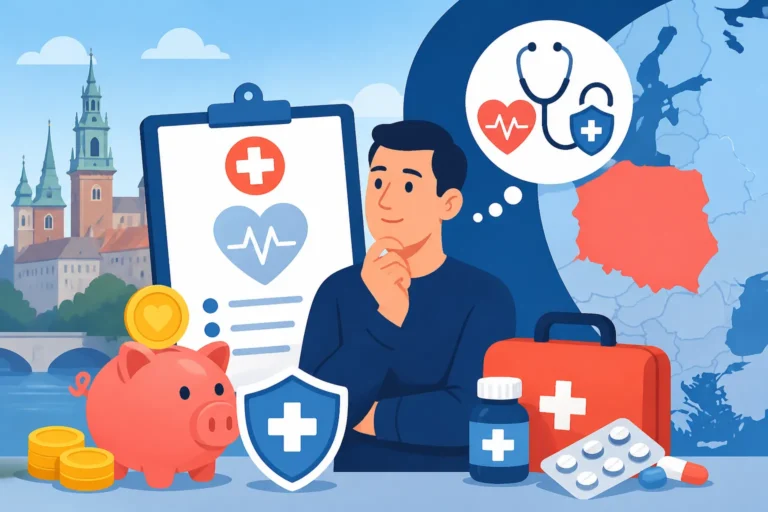
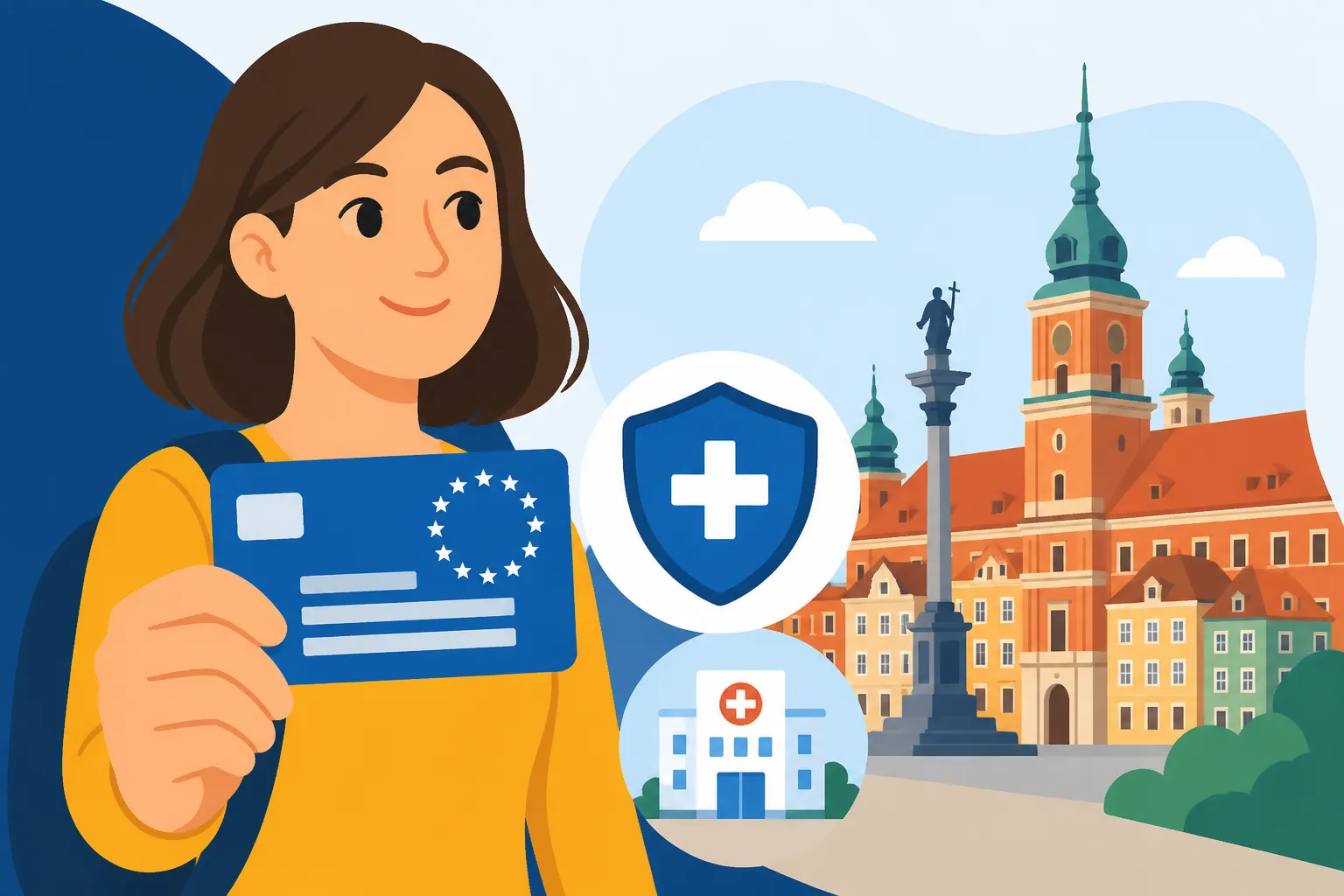
If you are a citizen of an EU member state, Iceland, Liechtenstein, Norway, or Switzerland, your European Health Insurance Card is your passport to the Polish public healthcare system. In Poland, this card is referred to as the EKUZ (Europejska Karta Ubezpieczenia Zdrowotnego). It is vital to understand that this card is designed for temporary stays—whether you are here for a three-week holiday, a semester of study, or the initial months of a job search. It serves as proof that you are insured in your home country and entitles you to receive medical treatment under the same conditions as Polish citizens.
What is EKUZ exactly?
The EKUZ is not a private insurance policy; rather, it is a reciprocal agreement between nations. When you present this card at a Polish facility, you are tapping into the How Poland's National Health Fund (NFZ) Works: A Full Overview. The NFZ is the state body that manages public healthcare. The card tells the Polish authorities that your home country will foot the bill for necessary treatments. However, it is important to remember that it only covers "necessary" care. This means any treatment that cannot wait until you return home. If you are a digital nomad moving frequently, you might find that supplementing this with a flexible plan like SafetyWing provides broader protection for things like travel delays or emergency evacuations which the state system ignores.
Eligibility for EU/EEA and Swiss Citizens
To use your card in Poland, it must be valid. It sounds obvious, but many expats realize too late that their card expired a month after they crossed the border. Each card is issued by the health authority in your home country, not by Poland. If you are an EU student, your eligibility remains as long as you are enrolled and insured back home. If you have already started a job here, you will likely need to transition away from the EHIC. Once you are employed by a Polish company, you will begin Understanding ZUS Health Contributions (Składka Zdrowotna) in Poland, at which point you become a full participant in the local system and no longer rely on the reciprocal card from your home country.
What is Covered and What Is Not Under the EHIC in Poland
One of the biggest frustrations for foreigners is the "gray area" of what constitutes necessary treatment. In Poland, the doctors at the public clinic (przychodnia) have the final word on whether your condition requires immediate intervention. Generally, if you have a sudden infection, an injury, or a chronic condition that flares up (like asthma or diabetes), you are covered. What you cannot do is use the EHIC to bypass waiting lists for elective surgeries or routine check-ups that could reasonably be performed in your home country.
Necessary Medical Treatment vs. Planned Care
"Necessary" treatment is defined by the duration of your stay. If you are in Poland for a year-long Erasmus program, the scope of "necessary" care is much wider than if you are here for a weekend in Krakow. For a long-term visitor, even routine monitoring of a condition might be covered. However, "Planned Care"—where you travel to Poland specifically to see a specialist or have an operation—is a different legal beast entirely. For that, you need a specific S2 form from your home insurer. Without it, you will be billed as a private patient, which can lead to a significant financial headache. For those who want more control over their specialized care without waiting months, many look into Understanding Private Medical Subscriptions (Medicover, LUX MED) in Poland as a secondary layer of comfort.
Public Healthcare Services Included
When using the EKUZ, you have access to primary care doctors, specialists (with a referral), hospital treatment, and basic dental care. In most cases, these services are free at the point of use. You won't have to pay the doctor and then ask for a refund; the NFZ handles the billing directly with your home country. This is a massive relief compared to systems where you must pay upfront. However, you must ensure the facility has a contract with the NFZ. Look for the blue and green logo of the "Narodowy Fundusz Zdrowia" at the entrance. If you wander into a sleek, private clinic in Warsaw without checking for that logo, you will be expected to pay the full private rate out of pocket.
The Limitations: Why EHIC Is Not a Golden Ticket
The most common shock for expats is realizing that the EHIC does not cover everything. For instance, mountain rescue in the Tatras or being flown back to your home country via air ambulance is not covered. These are high-cost scenarios where travel-specific insurance like SafetyWing becomes a literal lifesaver. Furthermore, Poland has a co-payment system for certain items. While the doctor's visit is free, you may still need to pay a percentage of the cost for medications or specialized orthopedic equipment. The EHIC only gives you the same rights as a Pole—and Poles sometimes have to pay for their bandages or certain brands of insulin.
Step-by-Step: Using Your EHIC at a Polish Clinic or Hospital
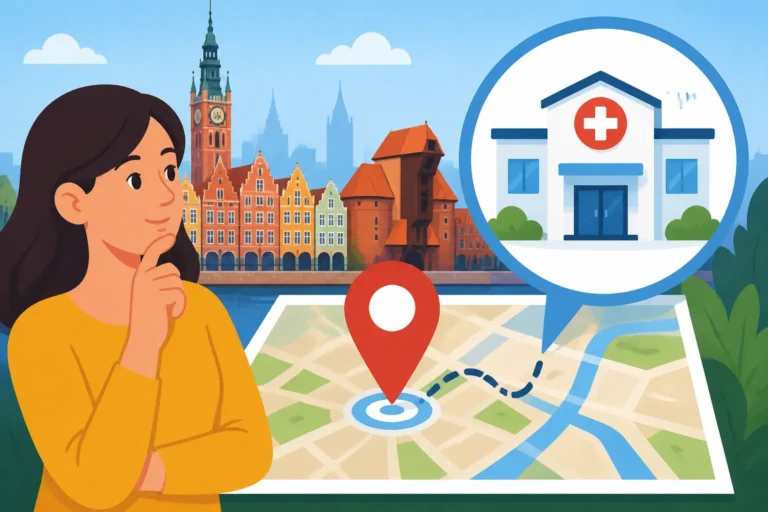
The moment you need a doctor, the first thing you should do is find a Przychodnia (health center) or a Lekarz Rodzinny (family doctor) that accepts the NFZ. In larger cities like Warsaw, Krakow, or Wroclaw, most public centers are accustomed to seeing foreign cards, but in smaller towns, the receptionist might look at your plastic card with a bit of confusion. Don't panic; it is a valid legal document across the entire Union.
Identifying NFZ-Contracted Facilities
The easiest way to find a place is to use the NFZ’s online portal or simply look for the logo. Most Emergency Medical Care in Poland: What Every Expat Needs to Know happens in public hospitals (Szpital), which almost always accept the EKUZ. If you are looking for a routine specialist, you will first need to see a General Practitioner (GP) to get a referral (skierowanie). This is a crucial step. In Poland, you cannot simply walk into a cardiologist's office and show your EHIC; you must follow the local "gatekeeper" system just like everyone else.
The Documentation You Will Need
To be treated, you must present your physical EHIC card and a valid photo ID (passport or national ID card). Some clinics might ask for a photocopy of the card, so it is a veteran expat move to keep a few copies in your bag. They might also ask for your How to Get Your PESEL Number and Why It Matters for Healthcare. While a PESEL is technically not required for emergency treatment under EHIC, the Polish electronic system is built around it. If you don't have one, the receptionist will have to manually enter your data into the system using your date of birth and card number. Be patient; this can take a few extra minutes.
Navigating the Reception Desk (The Rejestracja)
The Rejestracja is the heart of the Polish medical experience. It can be a place of legendary grumpiness, but don't take it personally. When you arrive, state clearly that you are an EU citizen and you have an "EKUZ card" (pronounce it eh-kooz). If they insist on a PESEL, explain that you are a visitor/temporary resident and provide your ID. Once you are in the system, you will be assigned a time to see the doctor. If it is an urgent matter but not a life-threatening emergency, tell them it is nagły przypadek (an urgent case). For those who find the language barrier at the public desk too daunting, many expats choose to utilize The Expat Guide to Finding a Family Doctor (Lekarz Rodzinny) in Poland to find clinics known for having English-speaking staff.
Practical Comparisons: EHIC vs. Polish NFZ vs. Private Travel Insurance
It is easy to get confused between the different types of health coverage available in Poland. Many newcomers wonder if their EHIC is enough or if they should immediately jump into the local system. The answer depends entirely on your legal status and how long you plan to stay.
| Feature | EHIC (EKUZ) | Local NFZ Insurance | Private Travel (e.g., SafetyWing) |
|---|---|---|---|
| Best For | Tourists, Short-term Students | Residents, Employees, JDG | Digital Nomads, Gap Coverage |
| Cost | Free (from home country) | Monthly ZUS contribution | Monthly Subscription |
| Coverage | Necessary public care only | Full public care + Specialists | Emergencies + Travel Incidents |
| Primary Focus | Emergency stabilization | Long-term health maintenance | Flexibility and "Safety Net" |
| Dental | Limited (emergency only) | Basic (NFZ list) | Accident-related (usually) |
| Evacuation | Not included | Not included | Included (often) |
EHIC vs. Full NFZ Registration
If you are just visiting, the EHIC is perfect. But if you have moved here permanently, you need to understand How to Register with the NFZ as a Foreigner in Poland. The EHIC is essentially a guest pass. Once you are registered with the NFZ as a resident, you get your own local rights, including the ability to sign up for an Internetowe Konto Pacjenta (IKP) Patient Account, which lets you track all your prescriptions and referrals online. If you rely solely on your EHIC while living and working here illegally, you might find your home country eventually rejects the claims, leaving you with a massive bill from the Polish state.
When to Complement with SafetyWing
Even with a valid EHIC, there are gaps. Polish public hospitals are medically excellent but can be austere. They don't provide the comforts of private rooms, and they certainly don't cover your lost luggage or a flight home if your leg is in a cast. This is where a nomadic-friendly plan like SafetyWing fits in. It acts as a bridge. For instance, if you are in the process of Registering with the NFZ in Poland: The Complete Expat Guide (2027) and there is a two-week gap where you aren't covered by your old home insurance or your new Polish one, having private travel medical insurance ensures you aren't one accident away from financial ruin.
Specialized Scenarios: Dental, Prescriptions, and Emergencies
The EHIC works slightly differently depending on what part of the "medical machine" you are interacting with. Dealing with a broken arm is straightforward, but dental pain or a monthly prescription for a chronic illness requires a bit more local knowledge.
Getting Dental Treatment with EKUZ
Dental care under the NFZ—and by extension the EHIC—is notoriously limited. It covers emergency pain relief, basic fillings (using specific materials), and extractions. If you want a white composite filling on a molar or a root canal using the latest technology, the NFZ usually won't pay for it. You will be treated for the "pain," but for the "aesthetic" or "advanced" fix, you will likely be asked to pay. It is always wise to ask the dentist: "Czy to jest refundowane przez NFZ?" (Is this refunded by the NFZ?) before they start drilling. If the answer is no, you are in the realm of private costs.
Filling an e-Recepta at a Polish Apteka
Poland has moved almost entirely to a digital prescription system. If a doctor at a public clinic treats you using your EHIC, they will issue an e-Recepta. Usually, this is a 4-digit code sent via SMS or printed on a piece of paper. You take this code and your PESEL (or ID number) to any Apteka (pharmacy). Because you are using an EHIC, you are entitled to the same subsidies as Polish residents. This means if a medicine is "refunded," you might only pay 30% or 50% of the price. To understand this better, check out our guide on Understanding the e-Recepta (E-Prescription) System in Poland.
Emergency Numbers and Hospitalization
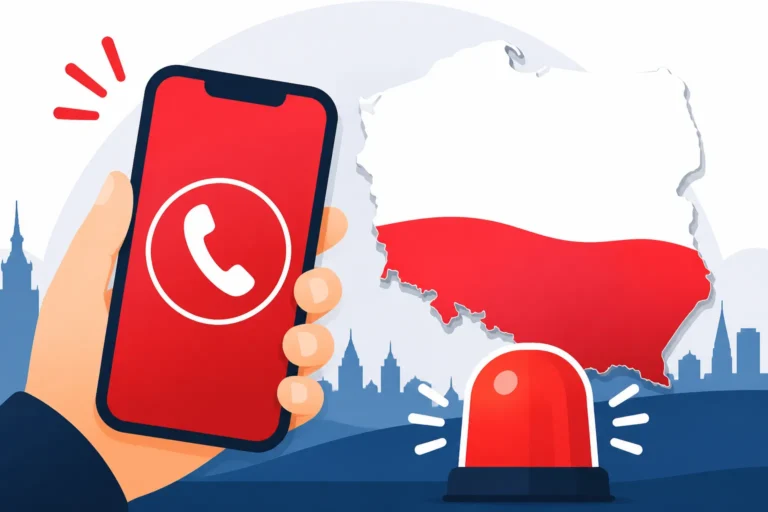
In a true emergency, dial 112. The ambulance crew will take you to the nearest SOR (Szpitalny Oddział Ratunkowy—Emergency Room). In these high-stress moments, don't worry about the paperwork immediately. The hospital staff is required to stabilize you first. Once things have calmed down, you or a family member can present the EHIC card. Under the EHIC, your hospital stay, surgery, and medications while in the ward are free. If you have a private plan like SafetyWing, you should also notify them as soon as possible, as they can sometimes coordinate with the hospital or handle additional costs that the NFZ doesn't cover, such as specialized rehabilitation.
Troubleshooting and Common Pitfalls
Even with the best intentions, you might run into a wall. The Polish bureaucracy is famous for its love of stamps and specific forms. If a clinic tells you they don't accept your card, don't just walk away and pay private rates if you can't afford them.
Handling Refusals at the Clinic
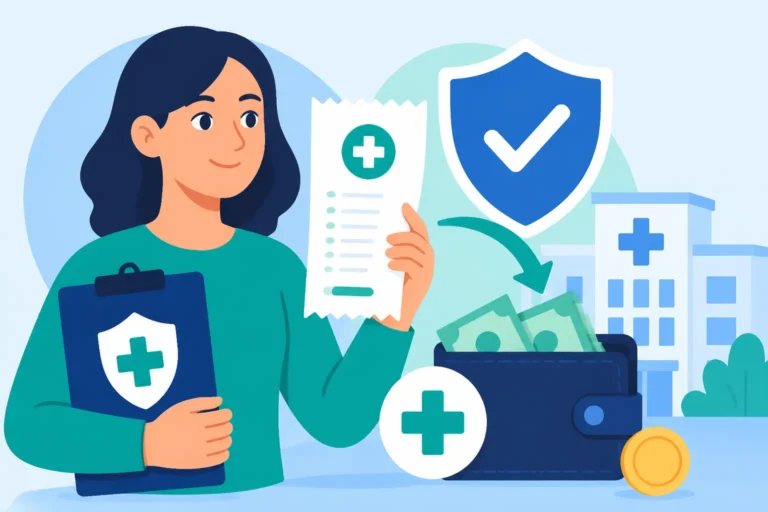
If a receptionist refuses your EHIC, it is often due to a lack of training or a system error. Politely ask to speak with the Kierownik (manager). Remind them that under EU law, the EKUZ card is equivalent to NFZ insurance for necessary care. If they still refuse, you can pay the bill, but keep every single receipt and an itemized invoice. You can later apply for a refund from your home country's health authority, though this is a tedious process that can take months. It is always better to get the "NFZ rate" or "free" treatment at the time of service.
Reclaiming Costs and Reimbursements
If you ended up paying for a service that should have been covered, you need to contact your local health fund back home (e.g., the NHS in the UK, the TK in Germany, etc.). They will require the Polish medical report and the original invoices. Be aware that they will only reimburse you up to the amount the Polish NFZ would have paid for that service. If you went to an expensive private clinic, your home country will only pay you back a small fraction of what you actually spent. This is why Public vs Private Healthcare in Poland: Which Should Expats Choose? is such a critical question for long-term residents.
Transitioning After the "Tourist" Phase
The most important takeaway is that the EHIC is a bridge, not a permanent home. If you stay in Poland for more than 183 days, or if you become a tax resident, you are expected to join the Polish system properly. Relying on an EHIC from a country where you no longer pay taxes is a recipe for legal trouble. If you are in between statuses—perhaps you've quit your job and are looking for a new one—ensure you know How to Keep Health Coverage Between Jobs in Poland so you don't find yourself unprotected during the transition.
Comparing EHIC and Private Options for Expats
| Scenario | Best Option | Why? |
|---|---|---|
| One-week holiday in Warsaw | EHIC / EKUZ | Covers the basics for free. |
| New Expat looking for work | EHIC + SafetyWing | EHIC for the GP, SafetyWing for travel risks/gaps. |
| Full-time employee in Poland | NFZ (State) | Mandatory and provides the most rights. |
| Freelancer (JDG) | NFZ + Private Subscription | NFZ for major issues, LUX MED for fast specialists. |
Disclaimer
This guide is for informational purposes only and does not constitute legal or professional medical advice. Healthcare regulations and international agreements can change; always verify the current requirements with the Narodowy Fundusz Zdrowia (NFZ) or your home country's health insurance provider. The author is an expat sharing personal and researched experiences, not an official representative of any government body.