How Much Are Property Maintenance Costs in Poland?
Oh, the joys of owning property in a new country! You’ve finally found your dream apartment or house in Poland, signed on the dotted line, and unpacked your boxes. You think you’ve got all the costs figured out – the mortgage, the down payment, maybe even the initial renovation. But then, those recurring, often cryptic, maintenance costs start rolling in, and suddenly, your carefully crafted budget feels like a leaky sieve. This guide is here to shed some light on the various ongoing expenses involved in property ownership in Poland, from the infamous czynsz to utility bills and unexpected repairs, helping you budget realistically and avoid those nasty financial surprises.
The "Czynsz" Conundrum: Understanding Your Monthly Building Fees
If you've bought an apartment in a multi-unit building in Poland, you've probably already encountered the term czynsz. For those coming from countries where "homeowner association fees" are relatively straightforward, Polish czynsz can feel like a black box. It’s not just one thing; it’s a basket of charges, some fixed, some variable, all rolled into one monthly payment to your building’s administration or spółdzielnia (housing cooperative) or wspólnota mieszkaniowa (housing community).
What "Czynsz" Really Covers (and Doesn't!)
The czynsz covers the collective expenses of the entire building or housing estate, and its components can vary significantly. Typically, it includes charges for heating, cold water, hot water, waste disposal, maintenance of common areas (like stairwells, elevators, basements, and gardens), security, snow removal, and administration fees. Sometimes, it even includes an allocation for the fundusz remontowy – a mandatory renovation fund that every owner contributes to, which we'll discuss more later.
What czynsz generally does not cover are your individual electricity usage and often, your internet and TV services, though sometimes a basic cable package might be included. The key frustration for many expats is that the czynsz statement, often called a rozliczenie czynszu, is almost exclusively in Polish, filled with obscure acronyms and technical terms. Trying to decipher whether that increase is due to actual usage or a general rise in building costs can be a real headache, and getting clear explanations in English from the building administration can be like pulling teeth. It's truly one of those moments where you might wish for an easily translatable document!
Factors Influencing Your Czynsz Bill
Several factors dictate how much you'll pay in czynsz. First and foremost is the size of your apartment. Charges for heating, water, and often the fundusz remontowy are typically calculated per square meter. So, a larger apartment naturally incurs a higher czynsz. The age and condition of the building also play a huge role. Older buildings, especially those that haven't undergone significant modernization, might have higher heating costs due to poorer insulation, or require larger contributions to the fundusz remontowy to cover future repairs.
Beyond that, the specifics of the building's amenities matter. Does it have an elevator? Underground parking? A concierge? A fancy gym or swimming pool? All these add to the communal costs that are passed on through the czynsz. Location, too, can sometimes indirectly affect czynsz due to varying local service costs or property values. For example, a modern, amenity-rich apartment in the heart of Warsaw's Śródmieście will likely have a substantially higher czynsz than a modest flat in a quieter suburb or smaller city like Łódź, even if the square footage is similar. When you're looking to buy property, always ask for a detailed breakdown of the czynsz and its recent history. This ties into understanding the broader Cost of Living in Poland for Expats (2026).
Direct Utility & Service Costs: The Bills You Control (Mostly)
Once you've wrapped your head around the czynsz, you still have a separate set of bills to contend with. These are generally your direct utility charges and personal services that aren't bundled into the building's collective expenses. Unlike czynsz, you usually have more direct control over these, at least in terms of your consumption habits.
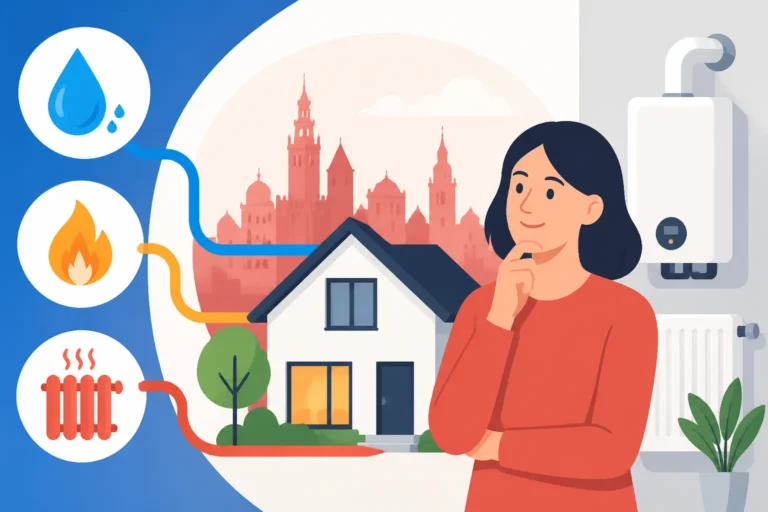
The Variable Trio: Electricity, Gas, and Water
These are the big three that can fluctuate wildly depending on your usage, the season, and how savvy you are with energy conservation.
- Electricity (Prąd): This is almost always billed separately. You'll typically get a meter reading (or have a smart meter) and be charged based on your actual consumption. The cost varies by provider (e.g., PGE, Tauron, Enea), your tariff plan, and of course, your habits. If you're running air conditioning non-stop in summer, or have a dozen high-tech gadgets plugged in, prepare for higher bills. Many expats are surprised by how quickly electricity bills can add up, especially if they’re used to lower rates elsewhere.
- Gas (Gaz): If your home uses gas for heating water or cooking (less common for heating in modern apartments, more so in houses), this will be a separate bill. Gas prices in Poland have seen some volatility, so budgeting for this means keeping an eye on market trends. Again, usage is the primary driver. If you're frequently cooking elaborate meals or taking long, hot showers, expect to see it reflected in your bill.
- Water (Woda): While some basic water costs might be in your czynsz, your individual consumption of cold and hot water is often metered and charged separately. This bill is usually less volatile than electricity or gas unless you have a hidden leak or suddenly decide to start filling an Olympic-sized swimming pool in your backyard.
It's crucial to understand how to manage these, and our guide on The Expat Guide to Setting Up Utilities in Poland can walk you through the specifics of getting these accounts in your name.
Staying Connected: Internet, TV, and Mobile
In today's world, these are practically non-negotiable living expenses. While not "property maintenance" in the traditional sense, they are essential recurring costs for almost any household.
- Internet and TV: Poland has a competitive market for internet and TV providers, offering a range of speeds and packages. Companies like UPC (now Play), Orange, Vectra, and Netia are popular choices. You can often bundle these services for a better deal. The average cost for decent fibre internet and a basic TV package can range from 70-150 PLN per month, but this can go higher for premium channels or ultra-fast connections. Setting up home internet and TV is usually straightforward, but navigating the contracts can be tricky without Polish language skills. For more, check out our guide on How to Set Up Home Internet and TV in Poland.
- Mobile Phone: This is purely personal, but an unavoidable monthly cost. Again, Poland has many strong providers (Play, Orange, T-Mobile, Plus). Prepaid options are great for short stays, but for long-term residents, a contract often offers better value, especially for data. If you’re just arriving, a simple eSIM from a provider like Airalo can be a lifesaver to get connected instantly before you sort out a local plan. This isn't strictly property maintenance, but it's part of the monthly budget that goes hand-in-hand with making a new place home.
Waste Management (Wywozu Śmieci) and Other Hidden Fees
You might think waste disposal is covered entirely by czynsz, and often a significant portion is. However, there can be nuances. In some municipalities, especially for detached houses, you might receive a separate bill for waste collection, based on the size of your bin or the number of occupants. The cost also depends on whether you sort your rubbish correctly. Local councils are increasingly strict about proper segregation (segregacja), and incorrect sorting can lead to higher fees.
Beyond these, there are smaller, less frequent fees that can pop up. Maybe a charge for extraordinary cleaning of common areas, or a one-off fee for a new entry system. While individually small, these can add up over time. It’s always worth scrutinising any additional charges on your czynsz statement or separate bills.
Long-Term Investments & Unexpected Expenses: What to Budget For
Owning a property isn't just about paying monthly bills; it's also about preparing for the future. Just like with any major asset, things break, need upgrading, or require protection. Ignoring these can lead to much larger problems (and costs) down the line.
Repairs, Maintenance, and Capital Contributions (Fundusz Remontowy)
This is where the fundusz remontowy comes in, and it’s a critical part of property ownership in Poland. As mentioned, this is a mandatory contribution included in your czynsz that goes into a common fund for major repairs and renovations of the building's shared elements – think roof repairs, facade insulation, elevator overhauls, or refreshing stairwells. The amount contributed to the fundusz remontowy can vary greatly depending on the age and condition of the building, and the wspólnota or spółdzielnia's long-term renovation plans.
However, the fundusz remontowy only covers common parts. Any repairs or maintenance within your apartment – a leaky faucet, a broken boiler, a faulty electrical outlet – are your responsibility and expense. It's wise to set aside an emergency fund specifically for these kinds of unexpected home repairs. Remember, Poland has its share of older buildings, and while charming, they can come with their own unique maintenance quirks that demand a budget for upkeep.
Property Insurance: A Necessity, Not a Luxury
While not always mandatory (unless you have a mortgage), home insurance is highly advisable. It protects your property against unforeseen events like fire, flood, theft, and other damages. Basic policies are relatively affordable and can save you from financial ruin if disaster strikes. You can often choose between insuring just the walls (for apartments) or the walls and contents.
Understanding private health insurance plans in Poland is important, but so is understanding your property insurance. Look for policies that offer comprehensive coverage and consider add-ons if you have particularly valuable possessions or live in an area prone to specific risks. Companies like PZU, Warta, and Ergo Hestia are major players in the Polish insurance market. It's an expense you hope never to use, but you'll be incredibly grateful for it if you ever need it. You can explore more about Understanding Home and Contents Insurance in Poland to make an informed decision.
Property Tax (Podatek od Nieruchomości)
Yes, even after you’ve bought the place and moved in, the local government wants its slice. Property tax in Poland is a local tax, meaning the rates are set by individual municipalities (gmina). It’s usually a relatively small annual sum compared to property taxes in some other countries, often a few hundred zlotys per year, depending on the size and type of your property.
This tax is typically paid once a year, or in installments, to your local Urząd Gminy or Urząd Miasta. The amount is calculated based on the area of your land and the usable area of your building or apartment. You can learn more about this by reading our guide on Understanding Property Tax (Podatek od Nieruchomości) in Poland. It's generally not a huge financial burden, but it's another line item on your annual property cost sheet that you need to factor in.
Navigating the Maze: Tips for Expats to Manage Costs
Dealing with property maintenance costs in a foreign country, especially with a language barrier, can be daunting. But with a bit of foresight and strategy, you can minimize surprises and manage your budget effectively.
Due Diligence Before You Commit
Before you even think about buying a property, whether you're working with a realtor or directly with an owner, dig deep into the finances. Don't be shy about asking for detailed records.
- Request Czynsz Statements: Always ask the seller for at least the last 12-24 months of czynsz statements (rozliczenie czynszu). This will give you a clear picture of what the actual costs have been and whether there have been significant fluctuations. Pay close attention to the heating and water usage components.
- Inspect the Building's Condition: For older buildings, try to ascertain the state of common areas and the building's infrastructure. Has the facade been insulated recently? When was the roof last replaced? These details will give you an idea of potential future fundusz remontowy increases or special assessments.
- Understand Legal & Administrative Structures: Learn about the specific wspólnota mieszkaniowa or spółdzielnia that manages the building. Are they known for being well-run and transparent? This is crucial for a smooth experience. Our guide on How to Buy Property in Poland as a Foreigner: The Full Guide (2027) provides more comprehensive advice on this front.
Setting Up and Monitoring Your Accounts
Once you've moved in, getting your accounts in order is paramount. This means ensuring utilities are in your name and you have access to online portals for monitoring.
- Get Your PESEL and NIP: For many official dealings, including setting up utility accounts and managing taxes, you'll need a PESEL number, and possibly a NIP. These are your identification numbers in Poland and simplify bureaucracy. Our article on How to Get a PESEL and NIP Number in Poland is a must-read for this.
- Utilize Online Portals: Most utility providers (electricity, gas, internet) have online customer portals. Once your account is set up, register for these. They allow you to monitor your consumption, view bills, and make payments, often in English or with translation tools. This helps you track usage and identify any unexpected spikes early.
- Automate Payments: Set up direct debits or standing orders from your Polish bank account for recurring bills like czynsz, internet, and mobile. This ensures you never miss a payment, avoiding late fees and administrative headaches.
Smart Savings and Cost-Saving Tips
Even with all the expenses, there are ways to be smart about your property maintenance in Poland.
- Energy Efficiency: Poland can have harsh winters and increasingly warm summers. Insulate your windows and doors, use energy-efficient appliances, and consider smart thermostats to manage heating and cooling. This directly impacts your electricity and gas bills.
- Negotiate Utility Contracts: Don't be afraid to compare internet and mobile providers. The market is competitive, and you might find better deals or faster speeds by switching or negotiating with your current provider. Some comparison sites can help, though they might be in Polish.
- Learn Basic Polish Terms: While not a direct cost-saver, understanding key Polish terms related to utilities and housing administration can save you countless hours of frustration and potential misunderstandings, which can lead to unnecessary costs. Even knowing a few phrases for discussing bills can make a huge difference.
Here's a quick overview of typical monthly property maintenance costs for an average 50-70 sqm apartment in a Polish city, based on recent data (keep in mind these are estimates and can vary widely!):
| Cost Category | Estimated Monthly Range (PLN) | Notes |
|---|---|---|
| Czynsz (Building Fees) | 450 – 900 PLN | Includes common area maintenance, heating, water (partially), fundusz remontowy, waste. Varies by building, size, and location. |
| Electricity | 80 – 200 PLN | Highly dependent on usage, appliance efficiency, and tariff. |
| Gas (if applicable) | 50 – 150 PLN | For cooking or water heating, less common for central heating in apartments. |
| Internet & TV | 70 – 150 PLN | Basic to mid-tier package with fibre internet. Bundles often cheaper. |
| Mobile Phone | 30 – 80 PLN | Contract plans often offer best value for data. |
| Home Insurance | 20 – 50 PLN | Annual cost divided by 12. Highly variable by coverage. |
| Property Tax | 10 – 30 PLN | Annual cost divided by 12. Relatively low in Poland. |
| Buffer for Repairs | 50 – 150 PLN | Recommended fund for unexpected in-apartment maintenance. |
| TOTAL ESTIMATE | 760 – 1710 PLN | This is a rough estimate and can differ greatly! |
Remember, these figures are just averages. Your actual costs could be lower or higher depending on your specific property, location (like whether you're in an expensive city like Warsaw or a smaller, more affordable one), and personal consumption. When planning your move, services like Sirelo can help you manage the logistics, freeing you up to focus on these important financial details.
Property maintenance costs in Poland, while not always simple to decipher, are manageable once you understand the various components. By doing your homework, staying organised with your bills, and adopting some cost-saving habits, you can enjoy your Polish home without the constant worry of hidden financial drains. It takes a bit of effort, especially in the beginning, but with these insights, you'll be well on your way to becoming a savvy Polish homeowner.
Disclaimer
The information provided in this guide is for general informational purposes only and does not constitute financial, legal, or professional advice. While we strive to ensure accuracy, regulations and costs in Poland can change rapidly. It is always recommended to consult with qualified professionals (e.g., real estate agents, lawyers, tax advisors, utility providers) for advice tailored to your specific situation. We do not assume any liability for actions taken based on the information provided herein.