Can Tourists Access Emergency Care in Poland for Free?
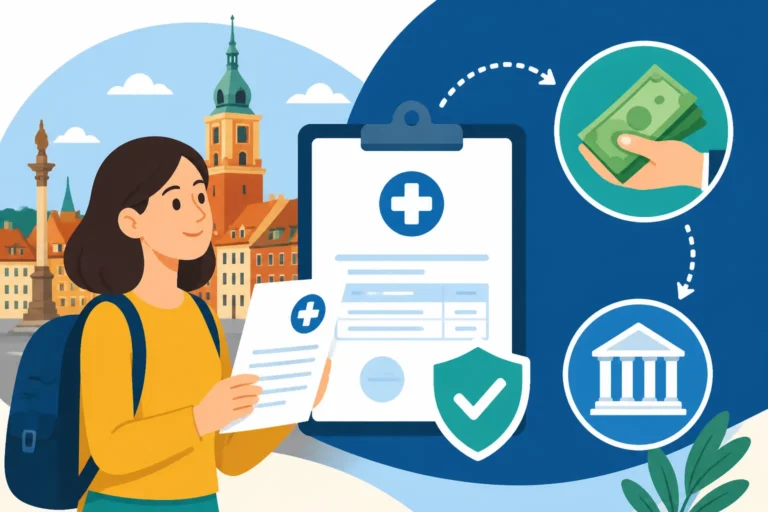
Imagine you are enjoying a crisp evening walk through Warsaw’s Old Town or hiking a scenic trail in the Tatra Mountains, and suddenly, the unthinkable happens: a sharp pain, a bad fall, or a sudden allergic reaction. The panic of a medical emergency is stressful enough, but when you are in a foreign country, the immediate fear of a massive, life-altering hospital bill often follows. This guide is designed to cut through the confusion and explain exactly who qualifies for free emergency care in Poland, how the billing system works for tourists, and what steps you must take to ensure you aren't left with an astronomical invoice after receiving life-saving treatment.
The Reality of Free Emergency Care in Poland
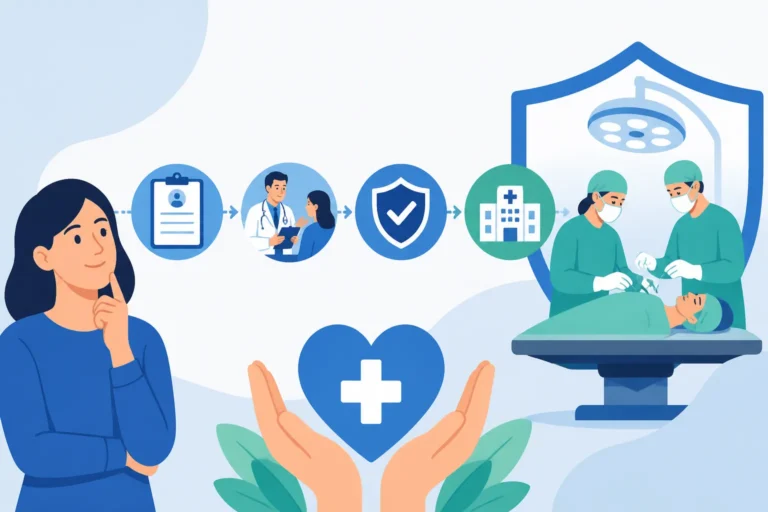
The question of whether emergency care is "free" in Poland is one of the most common queries I hear from newcomers and visitors, and the answer is rarely a simple yes or no. In Poland, the public healthcare system is managed by the National Health Fund, known as the NFZ. While the Polish constitution theoretically guarantees access to emergency life-saving treatment for anyone on Polish soil, the administrative reality of who ultimately "pays the bill" depends heavily on your citizenship, your insurance status, and the nature of the emergency itself.
EU Citizens and the Power of the EHIC
If you are a citizen of an EU or EFTA country, your experience will be significantly smoother thanks to the European Health Insurance Card (EHIC). When you present this card—known locally as the EKUZ—at a Polish hospital or to an ambulance crew, you are entitled to the same emergency care as a Polish citizen. This means that life-saving interventions, emergency surgeries, and stays in a public hospital's emergency ward are typically covered without you having to reach for your wallet.
However, many tourists make the mistake of thinking the EHIC covers everything. It is strictly for "necessary" and "unplanned" treatment. If you show up at a Polish emergency room (SOR) for a chronic condition that could have waited until you returned home, the NFZ might flag the claim. For those traveling from within Europe, it is essential to understand How to Use Your EHIC (EKUZ) Card in Poland as an EU Citizen to avoid common bureaucratic traps where a hospital might try to bill you privately because your card wasn't presented at the moment of admission.
Non-EU Tourists and the Risk of Self-Pay
For travelers coming from the United States, Canada, Australia, or other non-EU nations, the situation is more precarious. Unless your country has a specific bilateral healthcare agreement with Poland (which are rare and often limited in scope), you are technically liable for the costs of your medical care. Polish hospitals are required by law to stabilize you in a life-threatening situation regardless of your ability to pay, but "stabilization" is the keyword. Once the immediate threat to your life has passed, the hospital’s administration office will likely present you with a bill for the services rendered, the medications used, and the bed you occupied.
This is where the frustration sets in for many tourists. You might receive world-class care from highly skilled doctors, but the administrative follow-up can be a headache. Without a valid insurance policy, a single night in a Polish Szpital (hospital) can cost several thousand złoty. This is why most veteran expats suggest that non-EU visitors use a flexible travel medical insurance like SafetyWing to bridge the gap between "emergency stabilization" and "comprehensive recovery." Having a dedicated provider like SafetyWing ensures that once the Polish doctors have saved your life, the financial burden of the follow-up care doesn't fall squarely on your shoulders.
What Defines an Emergency in the Polish System
One of the biggest culture shocks for tourists is the definition of an "emergency." In many countries, people use the Emergency Room (SOR) for minor issues like a high fever or a deep cut. In Poland, the SOR is strictly for life-threatening conditions or sudden, severe trauma. If you arrive at a SOR with a non-life-threatening issue, you will be triaged at the bottom of the list. This isn't the hospital being "rude" or "unhelpful"; it’s how the system is designed to manage resources.
For those who need medical attention that isn't a "call an ambulance" situation, Poland offers a service called Nocna i Świąteczna Opieka Zdrowotna (Night and Holiday Healthcare). These are clinics that operate when regular family doctors are closed. Knowing the difference between these services can be the difference between a 10-hour wait at a hospital and a 30-minute visit to a clinic. You can find more detail on this in the guide on Emergency Medical Care in Poland: What Every Expat Needs to Know, which explains the hierarchy of care.
Understanding the Polish Emergency Infrastructure
Navigating a Polish hospital during a crisis can feel like walking into a maze of grey corridors and confusing signage. However, the system is actually quite robust once you understand the labels. The primary point of contact for any tourist in a medical crisis will be the Ratownictwo Medyczne (Emergency Medical Services) or the SOR (Szpitalny Oddział Ratunkowy). Understanding how these entities interact with tourists is vital for managing both your health and your expectations.
The SOR and the Triage System
The SOR is the heart of emergency medicine in Poland. When you walk into one, you will see a color-coded triage system. Red means immediate life-threat; yellow means urgent; green means stable. As a tourist, you must be prepared for the fact that if you are triaged as "green," you might wait for many hours. The staff are often overworked, and while their medical expertise is high, their "bedside manner" in English might be minimal.
If you are a tourist without a Polish PESEL number, the registration desk might seem confused at first. They are used to entering a 11-digit national ID for every patient. For visitors, they will use your passport number. It is critical to have your passport (or a very clear photo of it) with you. This documentation is the first step in the hospital determining how the billing will be handled. If you are using a provider like SafetyWing, this is also the moment where you should mention you have private travel medical coverage, as it may change which administrative path the hospital takes for your discharge papers.
Calling 112 and the Ambulance Service
In Poland, the universal emergency number is 112. The operators generally speak English, though you may occasionally need to wait a moment to be transferred to an English-speaking dispatcher. When you call, you need to be very specific about your location. Using landmarks is helpful if you don't know the exact street address.
The dispatchers will determine if an ambulance (Karetka) is necessary. It is important to note that in Poland, ambulances are only dispatched for situations that are truly life-threatening or involve significant loss of mobility. If you call an ambulance for a minor injury just because you don't have a car, you may be fined for "unjustified call-out." This is a shock to many, but it keeps the Emergency Numbers and Ratownictwo Medyczne in Poland focused on those who truly need it.
The Role of Public vs. Private Emergency Care
While most emergency care happens in public hospitals, Poland has a thriving private medical sector. Brands like LUX MED or Medicover have clinics all over the country. However, tourists should be aware that most private medical centers do not have full-scale emergency rooms or trauma centers. If you have a heart attack or a major car accident, the ambulance will almost always take you to a public NFZ hospital, as they are the only ones equipped with the necessary intensive care units and specialized trauma equipment.
Private insurance like SafetyWing is excellent for covering the costs incurred at these public facilities or for follow-up care at a Private Medical Subscriptions (Medicover, LUX MED) in Poland facility once you are stable. Don't assume that having private insurance means you will be taken to a "fancy" private hospital during a major emergency; in Poland, the public system handles the heavy lifting of emergency medicine, and they do it very well.
Costs and Documentation for Tourists
If you do not have an EHIC card or a valid insurance policy that the hospital recognizes, you will eventually have to deal with the bill. Poland is relatively affordable compared to Western Europe or the US, but medical costs add up quickly when you are paying out of pocket.
A Breakdown of Potential Costs
To give you a realistic idea of what you might face, consider the following estimates. A standard consultation in a SOR can start at 300-500 PLN just for the initial assessment. If you require diagnostic imaging like an MRI or CT scan, prices jump significantly. An MRI scan performed privately or as a non-covered emergency service can cost between 600 and 1,200 PLN depending on the complexity.
| Service Type | Estimated Cost (No Insurance) | Who Pays? |
|---|---|---|
| Ambulance Dispatch | 500 – 1,000 PLN | Patient (if non-EU/no insurance) |
| SOR Triage & Initial Exam | 300 – 600 PLN | Patient / Insurance |
| Overnight Hospital Stay | 1,000 – 2,500 PLN per night | Patient / Insurance |
| Minor Surgery (Local Anesthesia) | 2,000 – 5,000 PLN | Patient / Insurance |
| Major Trauma Surgery | 15,000+ PLN | Patient / Insurance |
For a more detailed look at these figures, I recommend checking out The Cost of Healthcare in Poland: A Complete Breakdown for Foreigners (2026). It provides a granular look at how the NFZ prices these services for those outside the system.
The Importance of the e-Recepta and Follow-up
Once you are discharged from emergency care, you will likely be given an Understanding the e-Recepta (E-Prescription) System in Poland code. This is an electronic prescription system. As a tourist, the doctor will give you a paper printout or a 4-digit code. You take this to any Apteka (pharmacy) along with your passport.
If you are a tourist, you will usually pay 100% of the medication cost, as the subsidies provided by the NFZ are only for those contributing to the Polish social security system (ZUS). Again, this is where having coverage like SafetyWing is beneficial, as you can often claim back these pharmacy costs later. Make sure you keep every receipt (Paragon) and every piece of paper the doctor gives you. Polish bureaucracy thrives on paper, and losing a discharge summary can make insurance claims nearly impossible.
Legal Obligations and Payment Deadlines
If you are treated and billed, the hospital will usually send an invoice to your home address or provide it to you upon discharge. Do not ignore these bills. Polish hospitals are increasingly proactive about recovering costs from foreign patients. If you have insurance, provide the hospital’s billing department with your policy details as soon as possible. They may be able to bill the insurer directly, saving you the hassle of paying thousands of złoty upfront and waiting for reimbursement.
If you find yourself in a situation where you cannot pay, some hospitals may offer a payment plan, but this is usually reserved for residents. For a tourist, the expectation is payment via card or bank transfer. If you're staying long-term or moving here, you might want to learn How to Open a Bank Account at a Polish Bank as a Foreigner to handle these types of local transfers more easily.
Practical Survival Tips for Tourists in Crisis
When you are in the middle of a medical crisis, your brain isn't thinking about bureaucracy—it’s thinking about survival. Here are the most practical, "boots-on-the-ground" tips I can give you after years of living in Poland and helping friends navigate the system.
Dealing with the Language Barrier
While many younger doctors in major cities like Krakow, Warsaw, and Wroclaw speak excellent English, the nursing and administrative staff may not. If you are alone, use a translation app on your phone. Type out "I am a tourist," "I have insurance," and "Where is the bill?" in Polish.
In a true emergency, the priority is your health, but as soon as you are stable, try to find a "Lekarz" (doctor) who speaks English. You can even search for How to Find an English-Speaking Doctor in Poland to find specialists if you need a follow-up outside the hospital. If you are in a smaller town, the language barrier will be significantly higher, so having a translated copy of your medical history or current medications is a lifesaver.
Documentation to Carry at All Times
I always tell my visiting friends to carry a "medical folder" or a digital equivalent. This should include:
- A copy of your passport.
- Your EHIC card (if EU) or your SafetyWing insurance certificate.
- A list of allergies (translated into Polish if possible).
- Emergency contact numbers.
If you are unconscious or unable to speak, the hospital staff will look for your ID. Having these documents easily accessible in your bag or a clear phone folder can speed up your registration significantly. If you are an expat or a long-term visitor, you should already have a PESEL Number and Why It Matters for Healthcare, but for a short-term tourist, the passport is your primary identity document.
Using Telemedicine for "Near-Emergencies"
Sometimes you feel terrible, but it’s not a "go to the hospital" emergency. In these cases, consider using a telemedicine service. Many Polish providers and international insurers like SafetyWing offer 24/7 access to doctors via video call. They can advise you on whether you actually need to go to the SOR or if you can wait until a clinic opens in the morning. This can save you from a traumatic and expensive night in a crowded waiting room. If the doctor determines you need a prescription, they can often issue an e-recepta that you can use at any local Understanding the Polish Pharmacy (Apteka) System and Opening Hours location.
Disclaimer
The information provided in this guide is for informational purposes only and does not constitute legal or medical advice. Healthcare regulations in Poland can change, and the specific costs or procedures may vary depending on the facility and the nature of your medical condition. Always consult with a qualified medical professional or your insurance provider regarding your specific situation.