Can I Use a Foreign Prescription at a Polish Pharmacy?
You've just landed in Poland, settled into your new apartment, and then it hits you: you're out of your crucial medication. Or perhaps you've fallen ill, visited a doctor from your home country online, and now you're clutching a prescription written in a language no Polish farmaceuta (pharmacist) seems to understand. The panic is real, and the administrative hurdles can feel insurmountable, making you wonder, "Can I even use this foreign prescription here?" This guide is here to untangle the often-frustrating reality of using non-Polish prescriptions at local pharmacies and provide you with actionable steps to ensure you get the medication you need without unnecessary stress.
The Harsh Reality: Foreign Prescriptions in Poland
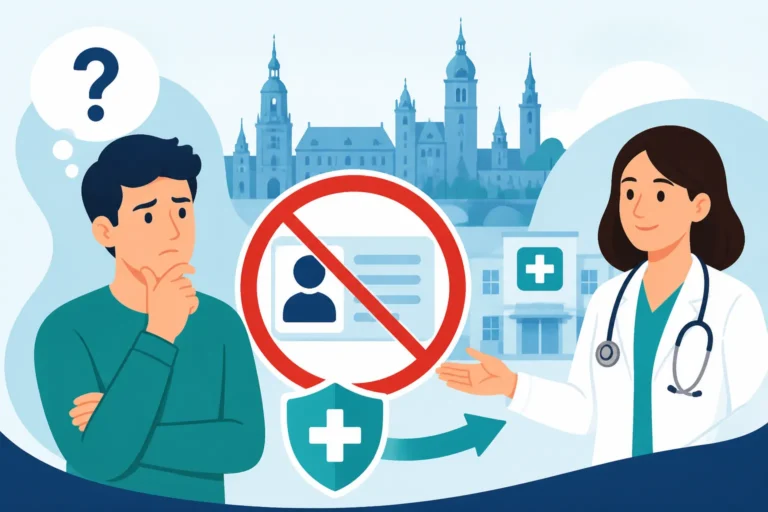
Let’s be brutally honest: walking into a Polish apteka with a prescription from outside Poland is often met with a shake of the head and a firm nie (no). It's not out of malice, but rather strict national regulations and safety protocols. The rules for prescriptions are different depending on where your prescription originated, and understanding this distinction is your first critical step.
The Tale of Two Worlds: EU vs. Non-EU Prescriptions
The biggest divide in Poland’s pharmacy system, especially for foreigners, is between prescriptions issued within the European Union (EU) and those from outside it. If you’ve arrived from another EU member state, there’s a glimmer of hope. Your prescription might be recognised, provided it meets specific criteria. However, if your prescription comes from, say, the United States, Canada, Australia, or any other non-EU country, the chances are incredibly slim, bordering on non-existent, that it will be accepted directly. This is a common source of frustration for many expats, who often assume a valid prescription is universally accepted. Sadly, it's not the case. The Polish healthcare system, like many others, prioritizes local medical oversight and adherence to its own pharmaceutical regulations.
Why Most Non-EU Prescriptions Are a No-Go
The primary reason non-EU prescriptions are generally rejected is a matter of legal and medical liability. A Polish pharmacist cannot verify the authenticity of a foreign doctor's license, nor can they be certain that the medication prescribed aligns with Polish pharmaceutical standards, dosages, or even if an equivalent product is available or legal here. Imagine the potential chaos and health risks if pharmacists were expected to accept prescriptions from hundreds of different healthcare systems worldwide without any oversight.
Furthermore, Poland has a sophisticated electronic prescription system called e-Recepta. When a Polish doctor issues a prescription, it’s entered into a national database, linked to your PESEL number or, for those without one, a unique identifier. This system ensures clarity, reduces errors, and allows for oversight. A paper prescription from outside this system, especially a non-EU one, simply cannot be integrated into this framework, making it untraceable and unverified by Polish standards. It's not just about language; it's about a complete lack of system integration and legal recognition. This is a tough pill to swallow for many, but it's the reality you'll face.
Deciphering EU Cross-Border Prescriptions
If you're an EU citizen or have a prescription issued by an EU doctor, you're in a slightly better position. There are regulations in place to facilitate cross-border healthcare within the EU, but even here, there are specific requirements you need to meet for your prescription to be accepted in a Polish apteka. It’s not a given, so don't just assume it will sail through.
What Makes an EU Prescription "Valid" in Poland
For a prescription issued in another EU country to be valid in Poland, it needs to contain a specific set of information. This isn't just about legibility; it's about compliance with EU cross-border healthcare directives. The prescription should ideally be in English or Polish, or accompanied by a certified translation, though many pharmacists might attempt to decipher clear English.
Here’s a checklist of what a "valid" EU prescription generally needs to include:
- Patient Details: Full name, date of birth, and contact information.
- Prescribing Doctor Details: Full name, professional qualification, direct contact details (email or phone), and the name of the EU country where they practice.
- Prescription Date: When the prescription was issued.
- Medication Details:
- Common name (international non-proprietary name – INN) rather than just the brand name. This is crucial as brand names vary widely between countries.
- Form (e.g., tablet, capsule, solution).
- Strength (e.g., 10 mg, 250 mg/5ml).
- Dosage regimen (how much, how often, for how long).
- Quantity (e.g., 30 tablets, 1 bottle).
- Doctor's Signature: A legible signature.
If any of these elements are missing, or if the prescription is handwritten and difficult to read, a Polish pharmacist has every right to refuse to dispense the medication. They are responsible for your safety and adherence to regulations, so they won't take chances. You can read more about Prescription Medications and Pharmacies in Poland: The Complete Guide for a deeper dive into the Polish system.
The Polish Apteka Experience with EU Scripts
Even with a perfectly compliant EU prescription, your experience at a Polish apteka can vary. Some pharmacists, especially in larger cities like Warsaw, Krakow, or Wrocław, who are accustomed to seeing expats, might be more understanding and willing to assist. In smaller towns, however, you might encounter more reluctance simply because they don't deal with foreign prescriptions frequently.
When you present your EU prescription:
- Be Patient and Polite: The pharmacist is trying to help, but they also have strict rules to follow.
- Have Your ID Ready: They will likely ask for your ID to verify your identity.
- Expect Questions: They might ask for clarification on the dosage or specific instructions. A translation app on your phone can be a lifesaver here if you don't speak Polish.
- Availability: The medication prescribed might not be available in Poland, or it might be sold under a different brand name. The pharmacist will check for the generic equivalent (INN).
- Cost: Be prepared to pay the full price out-of-pocket, unless you have specific EU health insurance (like the EHIC card for EU citizens for urgent care, though for prescriptions it varies) or private insurance that explicitly covers foreign prescriptions. Even if you have comprehensive coverage with a provider like SafetyWing, you might need to pay upfront and claim reimbursement later, so always keep your receipts.
It’s always a good idea to call a few pharmacies beforehand, particularly those listed as "24-hour pharmacies" (apteka całodobowa) or those in expat-heavy areas, to inquire about their policy on foreign prescriptions. This can save you a lot of running around.
When a Polish Doctor Is Your Only Hope (Non-EU & Complications)
For anyone with a non-EU prescription, or even an EU prescription that a Polish pharmacist won't accept, seeing a Polish doctor is not just an option; it's practically a necessity. There's almost no other way to legally obtain prescription medication in Poland. This can feel like a major hurdle, especially if you're not yet integrated into the Polish healthcare system.
The Inevitable Doctor's Visit
To get your medication, you'll need a Polish doctor to issue a Polish e-Recepta. This means booking an appointment with a General Practitioner (GP), known as a lekarz rodzinny or lekarz POZ here. If your situation is urgent and you don't yet have an assigned GP, you might need to visit a private clinic or an emergency department (though an emergency room should be reserved for actual emergencies).
When you see a Polish doctor, they will assess your condition, review your previous medical history (if you provide it), and then write a new prescription according to Polish regulations. This process ensures that the medication prescribed is appropriate for you under the local legal and medical framework. Don't expect them to simply copy your foreign prescription without question; they have a duty of care to evaluate your health independently. If you're struggling to find one, our guide on The Expat Guide to Finding a Family Doctor (Lekarz Rodzinny) in Poland might be helpful.
Preparing for Your Appointment: Documents and Expectations
To make your doctor's visit as smooth as possible, come prepared. This means bringing all relevant medical documentation you have, even if it's from abroad.
Here’s what you should have:
- Original Foreign Prescription: Even if it’s not accepted at the pharmacy, it provides crucial information for the Polish doctor.
- Doctor's Notes/Medical Records: Any summaries, diagnoses, or treatment plans from your previous doctor.
- List of Medications: Include the generic name (INN), dosage, and frequency of all your current medications.
- Translation: If your documents are not in English, consider getting key parts translated by a sworn translator, especially for complex conditions or medications. While not always mandatory, it can significantly speed up the process and reduce misunderstandings.
- Your PESEL Number: If you have one, this is vital for the e-Recepta system. If not, the clinic will usually issue a temporary ID for your prescription. Learn How to Get Your PESEL Number and Why It Matters for Healthcare.
- Proof of Insurance: Whether it's your NFZ coverage (if employed or registered) or private health insurance details. Even with private insurance like a Medicover or LUX MED subscription, you’ll still need a Polish doctor’s prescription. For those new to Poland and not yet covered by the public system, having travel insurance that covers initial doctor's visits, like SafetyWing, can be invaluable during this transitional period.
Remember, the Polish doctor will make their own medical judgment. They might prescribe a different equivalent medication if the exact one isn't available or if they believe a different approach is better based on local guidelines. Be open to their recommendations.
Understanding the e-Recepta System
Once the Polish doctor has assessed you and decided on your medication, they will issue an e-Recepta (e-prescription). This is the standard in Poland and it's incredibly efficient once you understand it. The doctor will typically give you a printout or send you an SMS with a 4-digit code.
To fill your e-Recepta:
- Head to Any Pharmacy: Take your 4-digit code and your PESEL number (or the ID used by the clinic for your temporary prescription).
- Present the Code: Tell the pharmacist your PESEL number and the 4-digit code. You don't need the paper printout; the SMS code is often enough.
- Confirm Identity: They will confirm your identity, usually by asking for your date of birth.
- Receive Medication: The pharmacist will dispense your medication.
The e-Recepta system is linked to your Internetowe Konto Pacjenta (IKP) Patient Account, where you can see all your active prescriptions, past medical history, and referrals. It's a fantastic tool for managing your health in Poland. For more details on how to fill it, check out How Do I Fill an e-Recepta at a Pharmacy in Poland?.
Practical Steps and Avoiding Pitfalls
Navigating a new healthcare system, especially when dealing with medication, can be daunting. But with a bit of foresight and knowing the right steps, you can significantly reduce potential stress.
Finding an English-Speaking Doctor or Clinic
One of the biggest obstacles for expats is the language barrier. Not every doctor in Poland speaks English, especially outside of major metropolitan areas. This is where private clinics truly shine. Chains like LUX MED, Medicover, Enel-Med, or Damian Medical Centre are prevalent in cities like Warsaw, Krakow, and Gdańsk. They often have English-speaking staff and doctors, and the entire process, from booking an appointment to seeing the doctor and receiving an e-Recepta, is usually much smoother for non-Polish speakers. While these services come with a cost, many expats find the peace of mind and convenience worth it, especially during the initial settling-in phase. These clinics can also be a godsend if you need to access specialist care quickly. If you're still looking for a doctor, our guide on How to Find an English-Speaking Doctor in Poland is a great resource.
If you are already registered with the public NFZ system, some przychodnie (public clinics) in larger cities also have English-speaking GPs, but it might take some calling around to find one. Don't be shy about asking when you register with a new lekarz POZ.
Costs, Coverage, and Temporary Solutions
The cost of medication in Poland varies. Some medications are fully reimbursed by the National Health Fund (NFZ), others are partially reimbursed, and some are paid for entirely out-of-pocket, even with NFZ coverage. This depends on whether the medication is on the national reimbursement list for your specific condition. If you are covered by the NFZ, your e-Recepta will automatically reflect the reimbursement level.
- NFZ Coverage: If you're employed and contributing to ZUS, you're usually covered by NFZ. However, there might be a waiting period for new residents. What Happens If I Get Sick Before My NFZ Registration Is Complete? is an important read here.
- Private Insurance/Subscriptions: If you have a private medical subscription (like those offered by LUX MED or Medicover), the doctor's visit will likely be covered, but the medication itself will still follow the NFZ reimbursement rules or be paid fully out-of-pocket.
- Travel Insurance: For short-term stays or immediately after arrival before securing local health insurance, a good travel insurance policy like SafetyWing can cover emergency doctor visits and potentially the cost of initial prescriptions. Always check your policy's specifics, especially regarding pre-existing conditions and prescription coverage. Remember, you might still need a Polish doctor to issue the prescription.
Proactive Planning for Long-Term Medication
For those on long-term or critical medication, planning ahead is paramount. Do not wait until you're down to your last few pills to start this process.
- Bring a Buffer Supply: Always arrive in Poland with at least a 1-2 month supply of your essential medications. This gives you ample time to find a doctor and navigate the local system without pressure.
- Generic Names are Key: Before you move, ask your doctor for the generic (INN) name of all your medications. This is universally recognised and makes it easier for Polish doctors and pharmacists to identify equivalents.
- Medical Summary: Get a detailed medical summary from your home country doctor, ideally in English, outlining your diagnoses, current treatment plan, and why these medications are necessary.
- Internetowe Konto Pacjenta (IKP): Once you have a PESEL and access to the Polish healthcare system, activate your IKP account. It's a central hub for all your medical information in Poland and helps immensely with repeat prescriptions. How to Set Up an Internetowe Konto Pacjenta (IKP) Patient Account will walk you through it.
- Build a Relationship with a GP: Once you've found a lekarz rodzinny you're comfortable with, stick with them. They'll get to know your medical history, making subsequent prescription renewals much simpler. This is part of The Complete Guide to Healthcare in Poland for Expats (2027).
Emergency Scenarios and Over-the-Counter Lifesavers
Sometimes, despite all the planning, you might find yourself in a bind, needing medication urgently. Knowing your options can make a critical difference.
What to Do in a Genuine Medical Emergency
If your need for medication is truly life-threatening or impacts an acute, severe condition, then you should seek emergency medical care. In Poland, you can call 112 for all emergencies or 999 for an ambulance (karetka). Head to the nearest hospital emergency room (Szpitalny Oddział Ratunkowy – SOR). While they are there for emergencies, they will stabilize you and ensure you get necessary acute medication. If you're a new resident and not yet registered with NFZ, you will likely be billed for these services, but life-saving care will not be withheld. Having travel insurance like SafetyWing for these initial periods is vital. For more details on what to expect, refer to Emergency Medical Care in Poland: What Every Expat Needs to Know.
For less critical but urgent situations, a private medical clinic (like those mentioned earlier) is usually your best bet for a rapid appointment to get an e-Recepta. Many offer same-day appointments, sometimes even walk-ins for minor issues.
Over-the-Counter Options: Your First Line of Defense
For common ailments and non-prescription needs, Polish pharmacies (apteka) are well-stocked. You might be surprised at what you can buy over-the-counter here without a prescription, though the specific strength or combination might differ from your home country.
Common over-the-counter medications include:
- Pain Relievers: Paracetamol (acetaminophen, often sold as Apap or Efferalgan) and Ibuprofen (often sold as Ibum or Nurofen).
- Cold and Flu Remedies: A wide array of syrups, lozenges, and multi-symptom cold medications (leki na przeziębienie i grypę).
- Allergy Medications: Antihistamines are available, though stronger ones might require a prescription.
- Digestive Aids: Medications for heartburn (zgaga), indigestion (niestrawność), and diarrhea (biegunka).
- Topical Creams: For minor cuts, burns, or skin irritations.
Don't hesitate to ask the pharmacist for advice. Many pharmacists, especially in bigger cities, have a good grasp of English and are very knowledgeable about what's available and suitable for your symptoms. If you can, try to describe your symptoms in Polish, or have a translation ready. They are often your first and best resource for minor health issues. Poland's pharmacy system, detailed in Understanding the Polish Pharmacy (Apteka) System and Opening Hours, is quite comprehensive, and pharmacists play a more significant role in advising patients than in some other countries.
| Prescription Origin | Generally Accepted? | Requires Polish Doctor? | Key Considerations |
|---|---|---|---|
| EU Country | Potentially | Often not if compliant | Must meet specific EU cross-border prescription criteria (INN name, doctor/patient details). Acceptance varies by pharmacy. Be prepared for full payment. |
| Non-EU Country | No | Yes | Almost always requires a visit to a Polish doctor to get an e-Recepta. |
| Online Doctor (Foreign) | No | Yes | Polish pharmacists cannot verify foreign online doctors. You'll need an in-person assessment by a Polish doctor. |
As a veteran expat, I've seen countless friends and fellow foreigners run into this wall. It’s a frustrating experience, especially when you're feeling unwell, but it's a critical aspect of integrating into life in Poland. The key is to be proactive, understand the rules, and know that a Polish doctor is your absolute best route to obtaining prescription medications here.
Disclaimer
The information provided in this guide is for general informational purposes only and does not constitute medical or legal advice. Regulations regarding foreign prescriptions and healthcare in Poland can change. Always consult with a qualified medical professional or legal expert for advice tailored to your specific situation.