How Do I Register with the NFZ If Employed by a Polish Company?
Oh, the infamous Polish healthcare system! If you're an expat who's just landed a fantastic job with a Polish company, you're probably navigating a whirlwind of new forms, acronyms, and processes. One of the biggest puzzles for many of us is figuring out how to get onto the public health system, the NFZ (Narodowy Fundusz Zdrowia), when your employer is supposed to handle it. It feels like it should be simple, but the administrative maze can be daunting. Don't worry, friend, this guide is here to demystify exactly how you register with the NFZ when you're employed by a Polish company, making sure you understand your rights and what to expect.
Navigating the Basics: NFZ, ZUS, and Your New Employer in Poland
Let's clear up some of the initial confusion that often trips up even the most seasoned expats. Understanding the relationship between ZUS, NFZ, and your employer is key to realizing that your role in NFZ registration is surprisingly minimal once you're employed.
The Intertwined World of ZUS and NFZ
First, let's talk about the two big acronyms you'll hear constantly: ZUS and NFZ. Many foreigners conflate them, and honestly, who can blame them? ZUS (Zakład Ubezpieczeń Społecznych) is the Polish Social Insurance Institution. Think of them as the taxman for social security and health contributions. They collect the money. NFZ (Narodowy Fundusz Zdrowia) is the National Health Fund. They're the ones who provide the public healthcare services, funded by those contributions ZUS collects.
When you're employed under a standard employment contract (umowa o pracę) in Poland, your employer is legally obligated to register you with ZUS. This registration automatically includes health insurance contributions (składka zdrowotna), which in turn grants you access to the NFZ. It's a bit like a package deal – you can't have one without the other. This automatic enrollment is a massive relief compared to other countries where you might have to actively seek out and register for public health insurance yourself. However, the lack of a clear "NFZ card" or an immediate confirmation can leave many expats feeling uncertain about their coverage status. We’ve all been there, wondering if we’re truly covered, especially when faced with the prospect of an unexpected illness. If you're curious about the nitty-gritty of these contributions, you can delve deeper into Understanding ZUS Health Contributions (Składka Zdrowotna) in Poland.
Why Your PESEL Number is the Golden Ticket
Before your employer can even think about registering you with ZUS (and by extension, the NFZ), you absolutely, unequivocally need a PESEL number. The PESEL is your national identification number, and it's practically required for everything official in Poland – from opening a bank account to registering your residence, and yes, for healthcare. Without it, your employer can only make temporary registrations or rely on your passport details, which often causes more headaches down the line.
If you haven't got your PESEL yet, make that your absolute priority. Most employers will prompt you for it during the onboarding process. Typically, you can get a PESEL by registering your residence (zameldowanie) or by submitting a specific application form to your local commune office (Urząd Gminy/Miasta). Your employer's HR department might even assist you with this, or you might have to take a trip to the local city hall yourself. Trust me, getting this done early will save you a world of pain and uncertainty. It's truly the foundation upon which your administrative life in Poland is built, especially when it comes to accessing healthcare. To fully understand its importance and how to obtain it, check out How to Get Your PESEL Number and Why It Matters for Healthcare.
Let's imagine a common scenario: You've started your job, but your PESEL is still pending. Your employer can proceed with ZUS registration using your passport number, but this often leads to complications later, like issues with accessing your online patient account (IKP) or even difficulties proving your insurance status at a doctor's office. It's always best to provide that PESEL as soon as you have it, allowing your employer to update your ZUS registration and ensure seamless NFZ coverage.
The Step-by-Step NFZ Registration Process (Mostly on Autopilot!)
Here's where the magic (or lack thereof, depending on your perspective) happens. Unlike some countries where you fill out forms for health insurance, in Poland, when you're employed, your role is more supervisory.
Your Employer's Role: The Unsung Hero
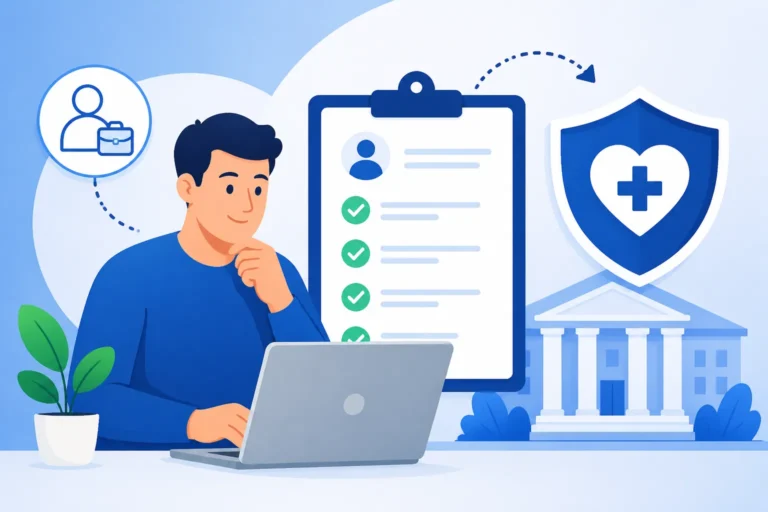
When you sign an employment contract (umowa o pracę) with a Polish company, your employer becomes your unsung hero in the NFZ registration process. They are legally responsible for registering you for social security and health insurance with ZUS. This is not optional; it's a mandatory part of being employed.
Here's how it generally works:
- Contract Signed: You sign your employment contract.
- Documents Provided: You provide your HR department with essential documents: your valid passport or ID card, and most importantly, your PESEL number. If you don't have a PESEL yet, they might use your passport number, but you must provide the PESEL as soon as you get it.
- ZUS Forms Submitted: Your HR or payroll department will prepare and submit the necessary ZUS forms on your behalf. The primary form for an employee is typically ZUS ZUA (Zgłoszenie do ubezpieczeń/zmiany danych osoby ubezpieczonej) – this registers you for all social and health insurance. If you're employed but already insured elsewhere (e.g., through another job or a different country's system, though less common for new arrivals), they might use ZUS ZZA (Zgłoszenie do ubezpieczenia zdrowotnego). This includes the health insurance component that gives you NFZ access.
- Monthly Contributions: Every month, your employer will deduct your portion of the ZUS contributions (including the health contribution) from your gross salary and pay it, along with their own employer contributions, directly to ZUS.
The key takeaway here is that you, the employee, don't typically file any forms directly with ZUS or the NFZ yourself. Your employer does it all for you as part of your employment. This system is designed to simplify things, though for an expat who's used to more direct involvement, it can feel a bit opaque. For a more general overview of how to get coverage, consider reading Registering with the NFZ in Poland: The Complete Expat Guide (2027).
Essential Documents You'll Need to Provide
While your employer handles the heavy lifting, you're responsible for providing them with accurate and timely information. The documents you'll absolutely need to give to your HR department include:
- Valid Passport or National ID Card: This is for identification purposes.
- PESEL Number: As discussed, this is critical. If you arrive in Poland and start work before you have one, provide your passport number, but push to get your PESEL as soon as possible and inform HR immediately.
- Employment Contract (Umowa o Pracę): This proves your employment status and forms the basis for your registration.
- Your Address in Poland: Even if you don't have zameldowanie (formal residence registration) yet, providing your current address is important for employer records and future correspondence.
It's a good idea to bring copies of these documents, but usually, HR will scan them or ask you to provide digital copies. Be prepared for potential language barriers; if your HR team doesn't speak English, consider having a Polish-speaking friend help you, or use a translation app to ensure you understand what's being asked. This diligence on your part ensures that your registration proceeds smoothly and you gain access to healthcare in Poland as quickly as possible. For those still in the planning stages or waiting for their NFZ to kick in, remember that private travel insurance options like SafetyWing can be a lifesaver, covering you for emergencies or unexpected health issues during this transition period.
Confirming Your NFZ Coverage: The Proof is in the Pudding
Once your employer has registered you with ZUS and started making contributions, you are officially covered by the NFZ. But how do you actually prove it or confirm it? Unlike some countries with physical health cards, Poland doesn't typically issue a specific "NFZ card" to employees.
Here's how you can confirm your coverage:
- ZUS PUE Portal: The most reliable way to verify your insurance status is through the ZUS PUE (Platforma Usług Elektronicznych) portal. This online platform allows you to access your personal ZUS account, where you can see all your contributions, including health insurance. You'll need to set up an account, which usually requires a "trusted profile" (Profil Zaufany) or an e-ID. It can be a bit tricky to set up initially, but it's incredibly useful for managing all your ZUS-related matters.
- Internetowe Konto Pacjenta (IKP): Once your NFZ coverage is active, you can access your online patient account, the IKP. This portal is fantastic – it shows your prescriptions, referrals, medical history, and confirms your active health insurance status. You can usually log in using your Profil Zaufany, e-ID, or even through your bank's online system. Having an active IKP is a strong indicator that your NFZ coverage is in place. You can learn more about this essential tool by checking out How to Set Up an Internetowe Konto Pacjenta (IKP) Patient Account.
- Druk RMUA (or similar ZUS confirmation): Historically, employers would provide a "druk RMUA" document, which was proof of insurance for a given month. While less common now as primary proof, you can still ask your HR or payroll department for a confirmation of your ZUS health insurance registration. This might be a specific ZUS document or a letter confirming your active contributions.
- Checking with Your GP/Clinic: Once you've chosen and registered with a General Practitioner (GP) – a step you'll take after NFZ registration – their system will often show if you're insured.
It's important to remember that there might be a slight delay, usually a few days or weeks, between your employer submitting the ZUS forms and your data appearing in the NFZ system or on your IKP. If you're worried about this interim period, especially if you have an urgent medical need, it’s always wise to have a backup. Private travel insurance like SafetyWing can offer peace of mind during this short waiting game, ensuring you're covered for unexpected medical issues. It’s a smart move for any new arrival. If you're wondering about typical waiting times, you might find this article helpful: How Long Does It Take to Get NFZ Coverage as a New Resident?.
Beyond Registration: What Comes Next and Common Hurdles
Getting registered with the NFZ through your employer is a huge step, but it's just the beginning. Now you need to know how to actually use the system and what other considerations might pop up.
Accessing Healthcare: Choosing Your GP (Lekarz Rodzinny)
Being registered with the NFZ means you have access to public healthcare, but it doesn't mean you can just walk into any clinic. Your next crucial step is to choose and register with a primary care physician, known as a Lekarz Rodzinny or Lekarz POZ (Podstawowa Opieka Zdrowotna – Basic Healthcare). This GP will be your first point of contact for most health issues, routine check-ups, and crucially, for referrals to specialists.
To register with a GP, you typically need to visit a public health clinic (przychodnia) or a private clinic that has a contract with the NFZ. You'll fill out a declaration form (deklaracja wyboru lekarza POZ) stating your choice. You'll need your PESEL number and proof of NFZ coverage (though often just providing your PESEL is enough for them to check the system). Many clinics have English-speaking staff or at least English forms available, especially in larger cities like Warsaw, Krakow, or Wroclaw. Without a registered GP, accessing non-emergency care can be a real struggle, so make this a priority soon after your NFZ coverage is confirmed. For a detailed guide on this step, look at The Expat Guide to Finding a Family Doctor (Lekarz Rodzinny) in Poland.
Adding Family Members to Your Coverage
Your NFZ coverage doesn't automatically extend to your family members. If you have a spouse, children, or even parents (under certain conditions) living with you in Poland who don't have their own employment-based NFZ coverage, you can add them to yours. This is a vital step and one that many expats overlook initially, leading to costly private healthcare bills for their loved ones.
The process involves your employer again. You need to inform your HR department that you wish to add family members to your health insurance. They will then fill out and submit a ZUS ZCNA form (Zgłoszenie danych o członkach rodziny dla celów ubezpieczenia zdrowotnego) to ZUS on your behalf. You'll need to provide your family members' PESEL numbers (or passport details if they don't have one yet) and basic personal information. Once added, they will have the same rights to public healthcare as you do. Ensure this is done promptly upon their arrival, as waiting can leave them without essential coverage. For all the details on this, refer to How to Register Family Members for Health Insurance in Poland.
The Dreaded Waiting Periods and Interim Solutions
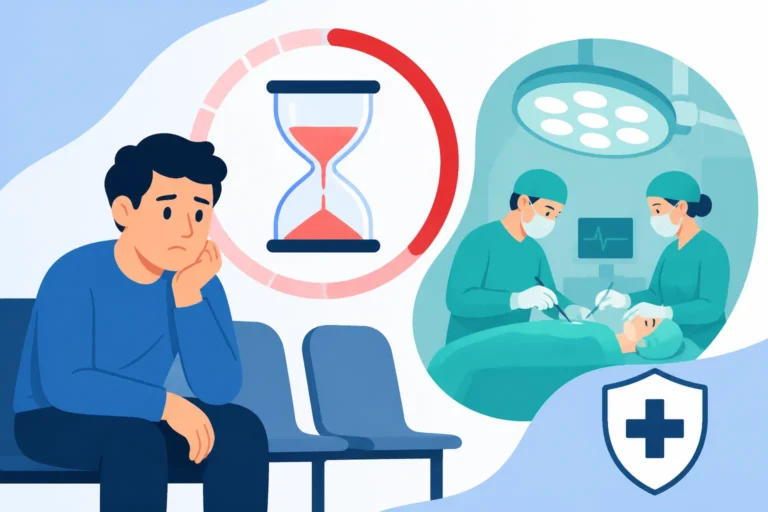
While your employment-based NFZ coverage usually starts immediately upon ZUS registration (meaning, no specific "waiting period" for basic coverage to kick in for an employed person), there are still nuances to be aware of. Sometimes, getting an appointment with a specialist through the public system can involve long waiting lists. This is a common frustration with NFZ, where specialized care can take weeks or even months.
For immediate access to specialists, specific procedures, or simply faster appointments, many expats choose to combine their NFZ coverage with private healthcare options. This could be a private medical subscription plan from companies like LUX MED or Medicover, or simply paying out-of-pocket for private consultations. These private options offer convenience, often English-speaking staff, and shorter waiting times.
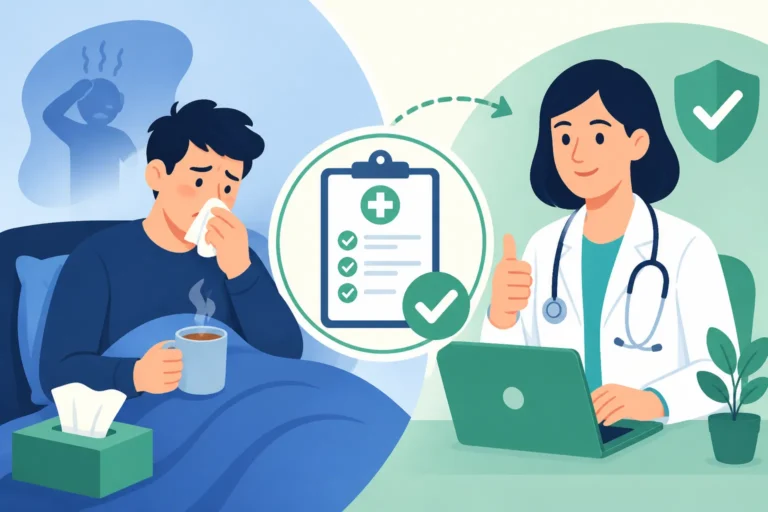
If you find yourself in a situation where you need medical attention before your NFZ registration is fully confirmed and active in the system, or during that brief period where your employer is processing the paperwork, what then? This is a crucial question. The truth is, if you get sick before your NFZ coverage is active, you might be treated as an uninsured patient, meaning you'll be billed for the services. In emergencies, you will always be treated, but the bill will follow. This is precisely why having a robust travel insurance policy for the initial weeks, such as one from SafetyWing, can be invaluable. It acts as a safety net, ensuring that you're not left with unexpected medical expenses while the Polish administrative wheels slowly turn. This article offers more insights: What Happens If I Get Sick Before My NFZ Registration Is Complete?. You can also consider the broader implications by looking at Understanding Health Insurance Waiting Periods for New Residents in Poland.
Navigating the System with Confidence: Tips for Expats
Even with NFZ coverage, navigating the Polish healthcare system can still present challenges. Here are some seasoned expat tips to help you move forward with confidence.
Language Barriers and Finding English-Speaking Support
This is probably one of the biggest hurdles for expats using the NFZ. While medical professionals are often highly skilled, not all will speak English fluently, especially outside of major metropolitan areas or in public clinics. Don't be shy about asking if a doctor or nurse speaks English. In larger cities like Warsaw, Krakow, or Gdańsk, you'll find more options for English-speaking doctors, particularly in private clinics that also contract with the NFZ.
- Bring a Polish Speaker: If you have a Polish friend or colleague who can accompany you to appointments, it can make a world of difference.
- Translation Apps: Keep a reliable translation app on your phone for quick phrases or understanding forms.
- Prepare Phrases: Learn basic medical phrases in Polish (e.g., "boli mnie…" – I have pain in…).
- Use Online Resources: Many Facebook groups for expats in Poland have recommendations for English-speaking doctors.
- Private Options: For initial consultations or if the language barrier becomes too frustrating, consider paying for a private doctor's visit at a clinic like LUX MED or Medicover. Many of these doctors also work in the public system, but you're paying for the convenience of English communication and quicker access. To specifically target this need, read How to Find an English-Speaking Doctor in Poland.
Keeping Your Documents in Order
Polish bureaucracy loves paperwork, even if it's digital now. Always keep digital copies of all your important documents: your employment contract, your PESEL confirmation, any ZUS forms your employer gives you, and screenshots of your active NFZ status from your IKP or ZUS PUE. This foresight can save you immense stress if you ever need to prove your insurance status. For instance, if you visit a hospital in an emergency and they can't immediately pull up your data, having your PESEL and an IKP confirmation ready can be incredibly helpful.
When to Consider Private Options Alongside NFZ
Many expats in Poland find a hybrid approach to healthcare works best. They rely on the NFZ for serious, long-term, or emergency care, but complement it with private options for routine check-ups, faster specialist access, or simply the convenience of English-speaking staff.
Private medical subscriptions (like those offered by LUX MED, Medicover, Enel-Med, etc.) are very popular among expats. For a monthly fee, these subscriptions offer access to a network of private clinics, often with shorter waiting times for specialists, a wider selection of English-speaking doctors, and generally a more comfortable patient experience. These aren't usually a full replacement for NFZ (which covers hospital stays and complex surgeries more comprehensively), but they are an excellent supplement for day-to-day healthcare.
Consider this table comparing NFZ coverage via employment with other options:
| Feature | NFZ (Employer-Sponsored) | Voluntary NFZ (Self-Registered) | Private Medical Subscription (e.g., LUX MED) | Private Health Insurance (e.g., SafetyWing) |
|---|---|---|---|---|
| Eligibility | Employed under Polish contract | Not employed, self-employed (initial stage), or other specific circumstances | Anyone can purchase | Anyone can purchase |
| Registration | Employer handles ZUS/NFZ registration | Direct application to NFZ branch | Purchase directly from provider | Purchase directly from provider |
| Cost | Deducted from salary (mandatory contribution) | Monthly premium paid by individual | Monthly subscription fee | Monthly/annual premium |
| Coverage Scope | Comprehensive public healthcare, hospital, emergency | Comprehensive public healthcare, hospital, emergency | Depends on plan: GP, specialists, diagnostics | Depends on plan: medical, travel, emergency |
| Waiting Times | Can be long for specialists, planned procedures | Can be long for specialists, planned procedures | Generally shorter, quicker access to specialists | Depends on provider, often quick |
| English-Speaking Doctors | Varies widely, more common in private clinics under NFZ | Varies widely | Common in larger cities, specific doctors | May offer telemedicine with English doctors |
| Emergency Care | Covered | Covered | Usually limited to clinic-based emergencies | Covered (may require upfront payment and reimbursement) |
| Flexibility | Tied to employment | Requires consistent self-payment | Choose plan level | Highly flexible, travel coverage |
Many expats choose the NFZ as their primary coverage because it's mandatory and comprehensive, but they invest in a private subscription for the convenience and speed. This ensures that whether it's a routine check-up or a serious medical event, you have avenues to care. For a deeper dive into these choices, check out Public vs Private Healthcare in Poland: Which Should Expats Choose?.
Navigating healthcare in a new country is never truly easy, and Poland is no exception. But by understanding the ZUS-NFZ link through your employment, getting your PESEL, and proactively managing your documentation, you'll be well on your way to accessing the care you need.
Disclaimer
The information provided in this guide is for general informational purposes only and does not constitute legal, financial, or medical advice. While we strive to provide accurate and up-to-date information, regulations and procedures in Poland can change rapidly. Always consult with official government sources, your employer's HR department, or a qualified professional for advice tailored to your specific situation.