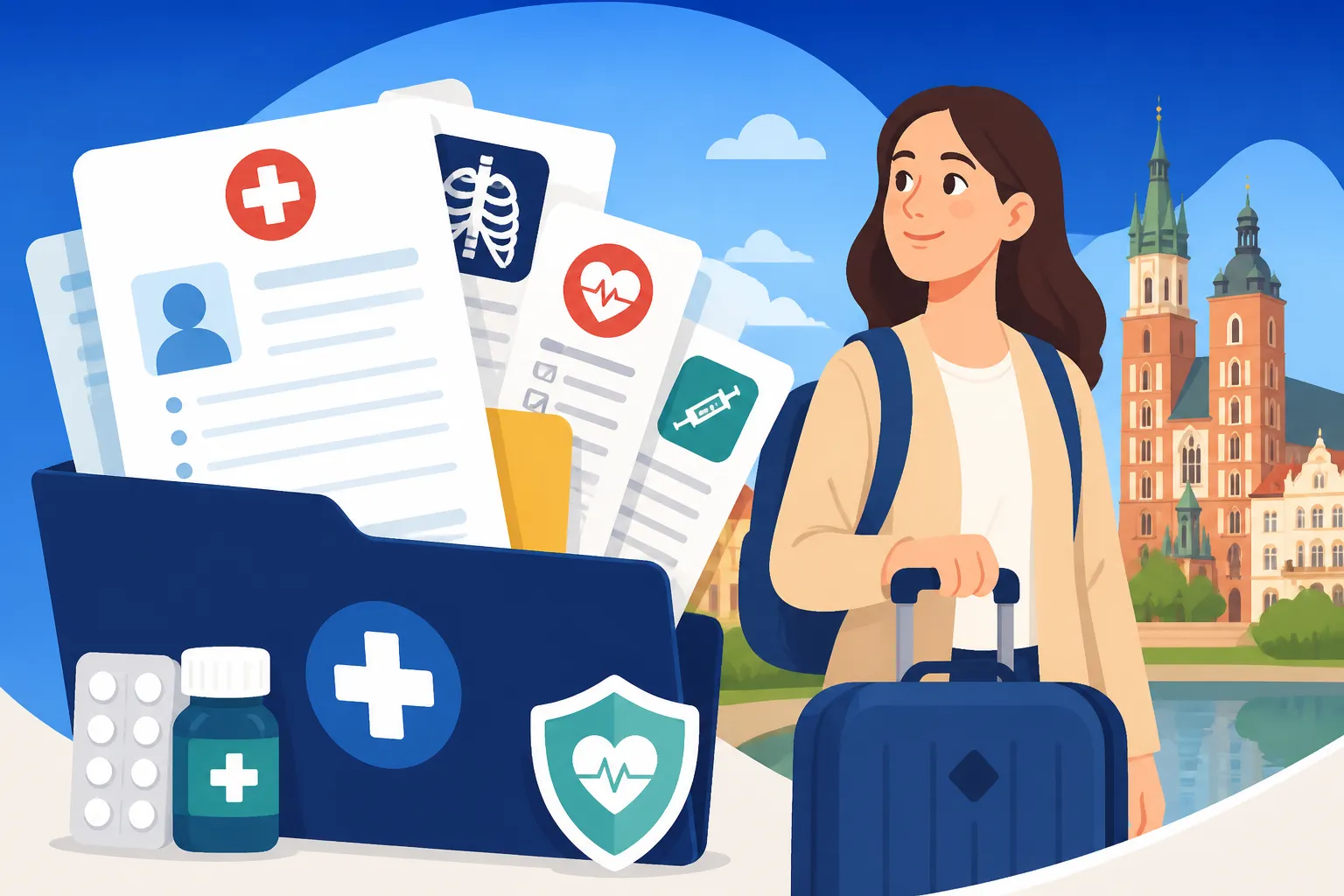
What Medical Documents Should I Bring When Moving to Poland?
Oh, the joys and anxieties of packing up your life and moving to a new country! One of the biggest silent stressors, especially when you're preparing for life in Poland, is figuring out what on earth you need to bring, particularly when it comes to something as personal and vital as your medical history. You spend hours agonising over what clothes to bring, what kitchen gadgets can make the cut, but then a cold dread creeps in: what if you get sick? What medical documents should you actually pack for your new life in Poland? This guide is here to cut through that anxiety and walk you through every essential piece of paper (and digital file) you’ll want to have on hand.
Why Medical Documents are Crucial for Expats in Poland
When you move to a new country, you're not just changing addresses; you're often stepping into an entirely new bureaucratic and healthcare system. Poland is no different. Imagine trying to explain a complex medical history or an ongoing condition to a new doctor who might not speak perfect English, or even worse, trying to get treatment in an emergency when no one knows your background. That’s where your medical documents become your silent advocates. They bridge language barriers and ensure continuity of care, which is absolutely priceless for your peace of mind.
Bridging the Information Gap
Let's be real, the Polish healthcare system, while robust, can be a maze for newcomers. Doctors here might use different diagnostic terms, medications, or even treatment protocols than what you're used to back home. Having a clear, concise record of your past diagnoses, treatments, and medication history acts as a universal translator. It allows a Polish doctor to quickly grasp your health status without relying solely on your potentially fragmented memory or a hurried, translated conversation. This is especially true if you're dealing with a chronic condition or have had significant medical procedures in the past. It saves time, reduces miscommunication, and ultimately, ensures you get the most appropriate care from day one.
Avoiding Bureaucratic Headaches
Beyond clinical care, your medical documents are often critical for administrative purposes. Whether you're registering with the National Health Fund (NFZ), applying for a specific type of visa, or simply trying to get a prescription refilled, you'll find that Polish institutions love their paperwork. Without the right documents, you might face delays in getting your health insurance sorted, or struggle to register with a local GP. The process of Registering with the NFZ in Poland: The Complete Expat Guide (2027) can be made significantly smoother if you have all your ducks in a row. Providing clear evidence of your medical needs or past health events can prevent countless trips to various offices and endless forms.
Essential Medical Documents to Pack
Now, let's get down to brass tacks. What exactly should you gather? Think of this list as your medical survival kit – a curated collection designed to make your transition as smooth as possible.
Personal Medical Records The Basics
This category covers the core of your health story. These are the documents that summarise who you are medically.
- Medical History Summary: Ask your family doctor back home to prepare a concise summary of your entire medical history. This should include any major illnesses, surgeries, allergies (especially drug allergies!), chronic conditions, and any ongoing treatments. A clear, bullet-point summary is ideal, especially if it highlights critical information that needs immediate attention. Trust me, trying to recall every detail under pressure is impossible, and this document will be your best friend.
- Recent Test Results: If you've had any significant blood tests, imaging (X-rays, MRIs, CT scans), or specialist reports in the past year or two, bring copies. This is particularly important if these results led to a diagnosis or ongoing treatment. For example, if you have a specific autoimmune condition, having the lab results that confirmed it will save Polish doctors from potentially repeating expensive and time-consuming tests.
- Specialist Reports: If you see any specialists regularly – a cardiologist, endocrinologist, psychiatrist, etc. – ask them for a letter summarising your condition, treatment plan, and any specific recommendations. These reports are invaluable for your new Polish specialists, helping them pick up right where your previous doctor left off. This can be crucial for accessing specialist care, as understanding How e-Skierowanie E-Referrals Work for Specialists in Poland often requires a clear medical history.
- Blood Type & Emergency Contacts: While your blood type might be on other documents, having it clearly stated on a separate card or in your summary is a smart move. Also, make sure you have a list of emergency contacts, both back home and any local contacts you might have established in Poland.
Vaccination History Especially for Families
Vaccinations are not just for kids, and proving your immunization status can be vital, especially if you have children or plan on getting certain jobs.
- Full Vaccination Record: This is non-negotiable, especially for children. Polish schools and nurseries will require proof of up-to-date vaccinations. For adults, it's good to have records of your standard immunizations (tetanus, MMR, etc.) and any specific travel vaccines you've had. If you plan on continuing your child's vaccination schedule in Poland, this document helps a local paediatrician integrate them into the Polish system, which has its own Understanding Vaccination Schedules and Requirements in Poland. Having this ready will save you from a lot of back-and-forth.
Prescription Medications and Related Documentation
Don't underestimate the complexity of transferring prescriptions across borders. Different countries have different rules, and what's readily available in your home country might be a controlled substance or simply not marketed in Poland.
- Current Prescription List: Get a detailed list of all medications you are currently taking. This should include the generic name, brand name (if applicable), dosage, frequency, and the reason for taking it.
- Doctor's Letter for Prescriptions: Have your doctor write a letter explaining your need for these medications, especially if you're bringing a supply with you. This can be important for customs and for local doctors who will need to issue new prescriptions. It helps them understand the context and rationale behind your current regimen.
- Empty Medication Boxes/Labels: Bring a few empty boxes or labels of your current medications. The packaging often includes valuable information like the active ingredients and dosage instructions, which can help a Polish pharmacist or doctor find an equivalent here.
- Medical Devices: If you use any medical devices (e.g., CPAP machine, insulin pump, hearing aids), bring relevant documentation, serial numbers, and ideally, a doctor’s note explaining their necessity. Also, research local providers for supplies or maintenance if needed.
Insurance Information Crucial for the Start
Your insurance is your safety net, especially during those initial weeks or months when you're still getting settled.
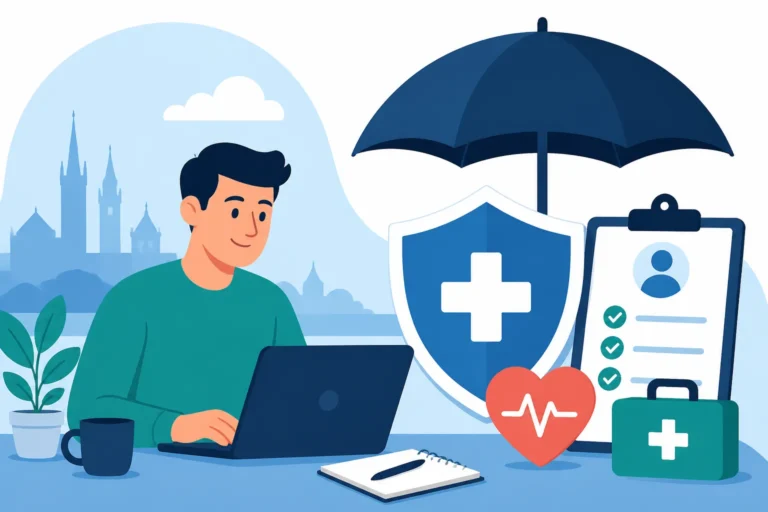
- Proof of Travel/International Health Insurance: Before you're fully covered by the Polish National Health Fund (NFZ) – and believe me, getting registered can take a bit of time – you'll want to ensure you have comprehensive international health insurance. Companies like SafetyWing offer flexible plans that cover you during your initial travels and even as you transition. Having proof of this coverage, along with policy numbers and emergency contact information, is vital. It’s your immediate fallback for unexpected medical needs. Understanding Health Insurance in Poland: Mandatory, Private and Subscription Options Explained is key, but don't arrive without any coverage.
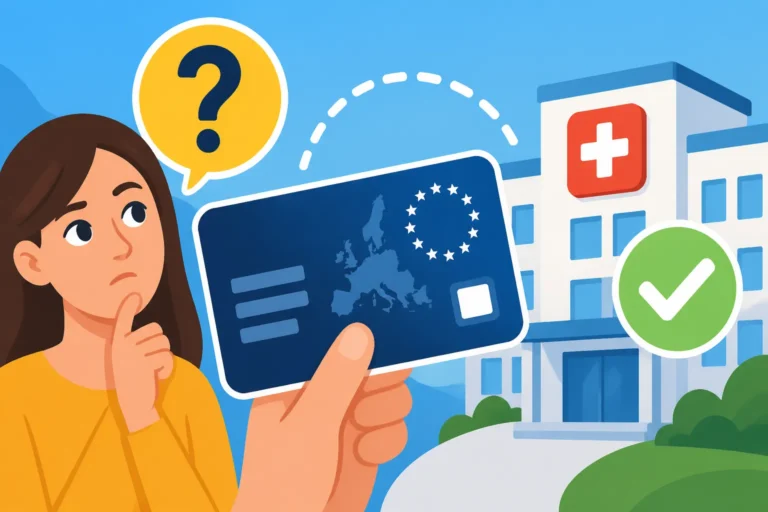
- European Health Insurance Card (EHIC): If you're an EU citizen, your EHIC (or EKUZ in Poland) is a must-have. While it’s not a substitute for comprehensive travel insurance or local registration, it provides access to medically necessary public healthcare on the same terms as Polish citizens. Remember, it’s for temporary stays or until you establish full residency and local insurance. You can learn more about How to Use Your EHIC (EKUZ) Card in Poland as an EU Citizen.
- Details of Any Polish Health Insurance: If your employer has already arranged private health insurance for you (e.g., through Medicover or LUX MED), make sure you have all the policy details, membership cards, and contact numbers. This will be your primary point of access for many services once you arrive. Understanding Private Medical Subscriptions (Medicover, LUX MED) in Poland can help you use these effectively.
Preparing Your Documents for Poland
Gathering the documents is only half the battle. How you prepare them can make a huge difference in how smoothly things go.
Translation and Notarisation When and Why
This is where many expats get tripped up. The Polish authorities are quite particular about official documents.
- When to Translate: For routine medical records, a clear, well-organised summary in English is often sufficient for most English-speaking doctors in larger cities like Warsaw or Krakow. However, for anything official – like documents required for a residence permit application (if it relates to a specific health condition), school enrolment for children, or legal processes involving your health – you will likely need a sworn (certified) translation into Polish. This means a translation done by a translator registered with the Polish Ministry of Justice. Don't cheap out on this; unofficial translations can cause more problems than they solve.
- When to Notarise: Notarisation is less common for medical documents unless they are part of a broader legal application where their authenticity needs to be absolutely guaranteed (e.g., a power of attorney for medical decisions, though this is rare for general records). For most standard medical documents, a sworn translation is usually enough. Always check with the specific institution requesting the document if they require notarisation in addition to translation.
Digital vs. Physical Copies Best Practices
In today's digital age, it's wise to have both.
- Physical Copies: Always keep original documents in a safe, accessible place, like a dedicated medical folder. For everyday use, have several photocopies ready. Some clinics or administrative offices might ask for a copy for their files, and you don't want to be caught scrambling for a copy shop when you're already stressed. Keep important documents (like insurance cards, blood type info, and a quick medical summary) in your wallet or purse.
- Digital Copies: Scan all your essential medical documents and save them to a secure cloud service (Google Drive, Dropbox, iCloud) or a password-protected USB drive. This acts as a fantastic backup in case physical copies are lost or damaged. You can also easily email them to a new doctor or clinic if needed. For an extra layer of security and convenience within the Polish system, you'll eventually want to set up your How to Set Up an Internetowe Konto Pacjenta IKP Patient Account, which centralises much of your Polish medical data online.
Navigating Polish Healthcare with Your Documents
Once you're on Polish soil, your carefully prepared documents will come into play almost immediately.
Initial Doctor Visits and Registrations
Your first priority after arriving and sorting out your residence (and ideally your PESEL number – remember How to Get Your PESEL Number and Why It Matters for Healthcare) is to register with a GP, or lekarz rodzinny, under the NFZ system or through your private insurance.
- First Appointment: Bring your medical history summary, vaccination records, and medication list to your first appointment. This gives your new GP a complete picture of your health. Be prepared to explain your current health needs and any conditions you want to continue managing. Finding an English-speaking doctor, especially in larger cities like Warsaw, Krakow, or Wrocław, is becoming easier. Resources like "How to Find an English-Speaking Doctor in Poland" can guide you.
- Registration at a Przychodnia: When you register with a przychodnia (clinic), you'll likely need to fill out a declaration of choice for your primary care doctor. Having your basic demographic and insurance information at hand will speed up this process.
Emergency Situations and Your Documents
No one wants to think about emergencies, but being prepared can be a lifesaver.
- Emergency Folder/Digital Access: Keep a small, easily accessible folder (physical or digital via your phone) with your most critical medical information: allergies, blood type, current medications, and emergency contacts. This is especially important for Emergency Medical Care in Poland: What Every Expat Needs to Know.
- Medical Alert Bracelets: If you have a severe allergy or a serious medical condition (e.g., diabetes, epilepsy), consider wearing a medical alert bracelet. This provides crucial information to first responders who might not have time to sift through your documents.
- Inform Loved Ones: Make sure your family, friends, or even close colleagues in Poland know where your important medical documents are and who to contact in an emergency.
Here’s a quick overview of what to bring:
| Document Category | Specific Documents | Purpose in Poland |
|---|---|---|
| Personal Medical History | Medical history summary (diagnoses, surgeries, allergies, chronic conditions) | Provides new doctors with a quick overview; aids in continuity of care. |
| Recent test results (blood, imaging, specialist reports) | Avoids duplicate testing; confirms existing diagnoses for Polish doctors. | |
| Specialist letters (for ongoing conditions) | Informs new specialists about your specific treatment plans and history. | |
| Blood type card, emergency contacts | Critical for emergency situations. | |
| Vaccination Records | Full vaccination history (children and adults) | Required for school/kindergarten enrolment; informs GP for local vaccination schedules. |
| Medication & Devices | Current prescription list (generic & brand name, dosage, reason) | Helps Polish doctors find equivalent medications; aids in prescription refills. |
| Doctor's letter for prescriptions (especially for controlled substances) | Justifies bringing medications across borders; informs new doctors. | |
| Empty medication boxes/labels | Helps pharmacists identify active ingredients and dosages for local equivalents. | |
| Medical device documentation (serial numbers, doctor's note) | Important for device maintenance, supplies, and explaining necessity to medical staff. | |
| Insurance Information | Travel/International health insurance details (policy number, emergency contacts) | Crucial for immediate coverage upon arrival before NFZ registration. (e.g., SafetyWing) |
| EHIC/EKUZ card (for EU citizens) | Access to public healthcare for medically necessary treatment on the same terms as Polish citizens (temporary). | |
| Polish private health insurance details (cards, policy numbers) | For seamless access to private clinics if arranged by employer (e.g., Medicover, LUX MED). |
Bringing the right medical documents with you when moving to Poland might seem like another item on an already overwhelming checklist, but it’s an act of self-care that will pay dividends. It provides a foundation of security, ensures you receive appropriate care, and helps you navigate the administrative side of healthcare in your new home without unnecessary stress. Think of these documents as your health passport, ensuring a smooth journey into the Polish healthcare landscape.
Disclaimer
The information provided in this article is intended for general informational purposes only and does not constitute medical, legal, or professional advice. While we strive to provide accurate and up-to-date information, regulations and healthcare practices in Poland can change rapidly. Always consult with qualified medical professionals, legal experts, or relevant Polish authorities for advice tailored to your specific situation. Reliance on any information in this article is solely at your own risk.