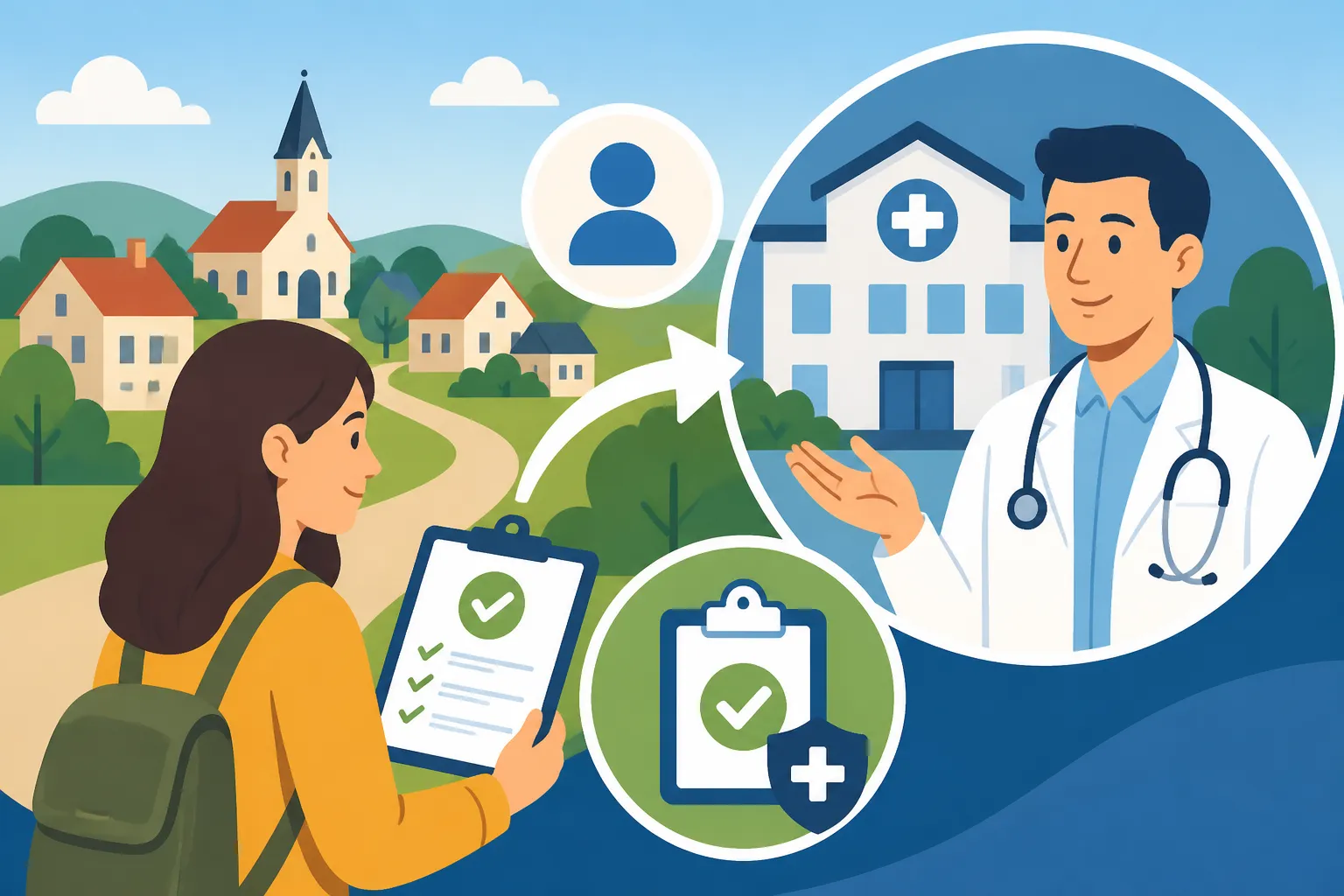
How Do I Register with a GP If I Live in a Small Town in Poland?
Moving to a small town in Poland offers a peaceful escape from the frantic pace of Warsaw or Krakow, but the charm of rural life often fades the moment you need to navigate the local healthcare system. Finding a family doctor in a village or a small gmina can feel like hitting an administrative wall, especially when English speakers are rare and the local clinic seems to operate on its own set of unwritten rules. This guide solves the mystery of rural registration, ensuring you get the medical coverage you deserve regardless of your location.
Understanding the Local Clinic System in Rural Poland
When you live in a smaller Polish municipality, your primary point of contact for anything health-related is the Przychodnia. This is the local outpatient clinic that provides what the government calls Podstawowa Opieka Zdrowotna (POZ), or Basic Health Care. In a big city, you might have twenty different clinics to choose from within a three-kilometer radius. In a small town, there is often only one, and it serves as the community hub for everything from pediatric vaccinations to blood pressure checks for the elderly.
The doctor you are looking for is called a Lekarz POZ or more commonly, a Lekarz Rodzinny (Family Doctor). This individual is your gatekeeper. Without their signature or an electronic referral from them, you cannot access specialist care like a dermatologist or a cardiologist within the public system. In rural areas, the relationship with this doctor is often more personal but also more formal. You aren't just a patient number; you are the "foreigner from the house on the hill," and navigating this social dynamic is just as important as the paperwork itself.
Before you even step foot in the clinic, you need to ensure your insurance status is active. Most expats are covered through their employment or self-employment via the National Health Fund. If you are still in the transition period of moving or waiting for your work contract to be processed, you might find yourself in a "gray zone" where you aren't yet in the system. During these gaps, many expats rely on SafetyWing to provide a bridge of coverage, ensuring that if an emergency happens before the local GP recognizes your NFZ status, you aren't left paying massive out-of-pocket bills at a private hospital.
The Role of the POZ in Your Community
The Przychodnia in a small town usually operates during standard business hours, roughly from 8:00 AM to 6:00 PM. Unlike the massive medical centers in the city, the staff here—the Pielęgniarka (nurse) and the Rejestratorka (receptionist)—are the true power brokers. In a small town, the receptionist often knows every patient by name. When you arrive as a newcomer, your first task is to prove that you are legally entitled to be there.
You should also be aware that rural clinics often have limited "specialist days." For example, a pediatrician might only visit on Tuesdays and Thursdays, or the lab for blood tests might only accept samples between 7:00 AM and 9:00 AM. This lack of flexibility can be frustrating if you are used to 24/7 city life, but it is the reality of the Navigating the Polish Healthcare System: An Expat's Roadmap (2027) that you must adapt to.
Finding the Nearest Clinic
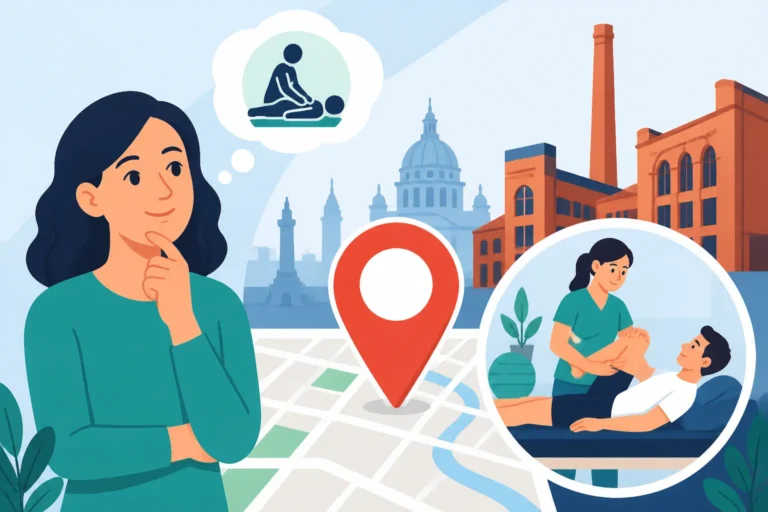
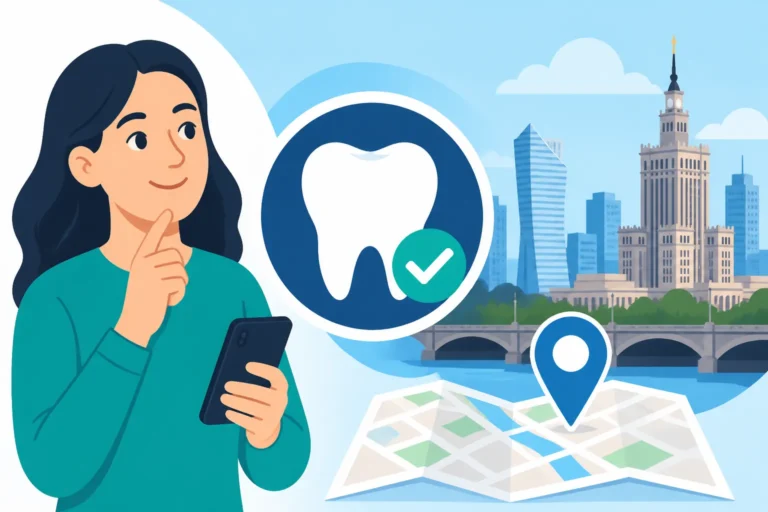
In a small town, the clinic is usually centrally located, often near the church or the local government office (Urząd Gminy). If you aren't sure where to go, you can search the NFZ website using the term "Gdzie się leczyć" (Where to be treated). This portal allows you to filter by location and see which clinics have contracts with the state. Even in the most remote parts of the Bieszczady mountains, there will be a designated POZ center responsible for your area.
If you find that the local village clinic is too small or lacks the facilities you need, you are legally allowed to register at a clinic in a neighboring larger town. There is no strict rule saying you must use the clinic closest to your house, though it is highly recommended for the sake of convenience and home visits, which are still a part of the Polish rural medical tradition for those too sick to travel.
The Step-by-Step Registration Process
The registration process in a small town is surprisingly paper-heavy. While Poland has made great strides in digitalization, the local Przychodnia in a town of 5,000 people often still loves its binders and stamps. To start, you need to walk into the clinic and ask for a Deklaracja wyboru lekarza. This is a declaration form where you officially "choose" your primary physician, nurse, and sometimes a midwife (for women).
You do not need an appointment to pick up this form or to submit it. However, the receptionist will likely want to see your documents on the spot to verify your eligibility. This is where many foreigners get stuck. If the system doesn't immediately show you as "green" (insured), the receptionist might be hesitant to take your declaration. This is why having a firm grasp on How Poland's National Health Fund (NFZ) Works: A Full Overview is crucial before you walk in the door.
Essential Documents for the Village Clinic
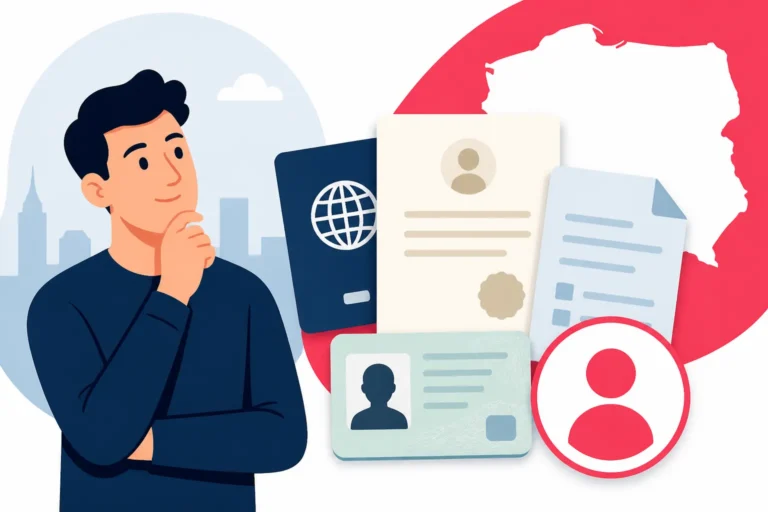
To register, you must have your PESEL number. In the city, sometimes you can get away with just a passport for a few days, but in a small town, the electronic system (e-WUŚ) is the only way they verify insurance. If you don't have a PESEL yet, your first stop shouldn't be the doctor; it should be the local town hall. You can read more about the requirements in our guide on What Documents Do I Need to Get a PESEL in Poland?.
Once you have your PESEL, bring the following to the clinic:
- Your Passport or ID card.
- Proof of health insurance (if the system shows you as "red"). This could be a printout from your employer (ZUS RCA) or proof of your Health Insurance in Poland: Mandatory, Private and Subscription Options Explained if you are paying voluntarily.
- The completed declaration form.
If you are a digital nomad or an expat who hasn't yet secured a local contract, remember that SafetyWing can serve as your primary safety net for medical emergencies, though it won't typically be used to register with a local NFZ doctor. The NFZ doctor is specifically for those paying into the Polish social security system (ZUS).
Filling Out the Deklaracja Form
The form is entirely in Polish. It will ask for your name, address of residence (which should match your zameldowanie or registered address), and your PESEL. You will then have to choose a specific doctor's name from a list of those working at the clinic. In a small town, there might only be two options: Dr. Kowalski or Dr. Nowak. If you don't know who to pick, ask the receptionist who has the shortest queue or who might speak a little bit of English.
Most clinics allow you to change your doctor twice a year for free. If you want to change it a third time, there is a small fee (usually around 80 PLN). This flexibility is helpful if you find that your first choice isn't a good fit for your needs. Once the form is signed and stamped, you are officially a patient of that clinic. You can then check our advice on The Expat Guide to Finding a Family Doctor (Lekarz Rodzinny) in Poland for tips on how to build a good relationship with your new physician.
Overcoming Language and Administrative Barriers
In a small Polish town, the chance of the receptionist or the older GP speaking fluent English is statistically low. This is the biggest hurdle for most expats. You might be met with a "Nie rozumiem" (I don't understand) and a shrug of the shoulders. Do not take this personally; it is simply a byproduct of the local environment. To succeed, you need to be proactive and use the tools available to you.
The first and most important tool is the IKP. This is the Internetowe Konto Pacjenta (IKP) Patient Account that every resident of Poland has access to. Through this portal, you can actually submit your doctor declaration online without ever talking to the receptionist. This bypasses the language barrier entirely. However, you still need to visit the clinic eventually for a check-up or to pick up prescriptions, so some level of communication is inevitable.
Dealing with Non-English Speaking Staff
If you are not yet confident in your Polish, the best strategy is to bring a "cheat sheet." Write down your symptoms or your request in simple Polish sentences. For example: "Chciałbym zapisać się do lekarza" (I would like to register with a doctor). If things get complicated, use a translation app on your phone. Most younger doctors in Poland have a decent grasp of medical English even in small towns, but the administrative staff might not.
Another reality of rural clinics is the "waiting room culture." In many small towns, people show up at 7:00 AM and sit in a hallway, regardless of whether they have a specific time slot. There is often a silent agreement among the patients about who is next. You must be bold—ask "Kto jest ostatni?" (Who is last in line?) when you enter. This confirms your place in the sequence. For those who find this social navigation too stressful, looking into Understanding Private Medical Subscriptions (Medicover, LUX MED) in Poland might be a better alternative, although these private centers are rarely located in small villages and would require a drive to the nearest city.
The Power of the e-Recepta System
One of the great things about the Polish system, even in rural areas, is the e-Recepta. Once you are registered with your GP, you don't always need to visit them in person to get a refill for chronic medication. You can often call the clinic or use your IKP to request a new code. This code is sent to your phone, and you can take it to any Prescription Medications and Pharmacies in Poland: The Complete Guide in the country. This is a lifesaver in small towns where the doctor might be on vacation or the clinic might have limited hours.
| Feature | Small Town GP (POZ) | Big City Medical Center |
|---|---|---|
| Language | Primarily Polish | Often English-speaking staff available |
| Registration | Often paper-based/In-person | Mostly via IKP or App |
| Wait Times | Can be long; often "first come, first served" | Usually strict appointment slots |
| Accessibility | Usually within walking distance | May require public transport/commute |
| Vibe | Personal, community-oriented | Corporate, efficient, anonymous |
| Home Visits | Common for elderly/very ill | Rare/Expensive |
Practical Tips for Rural Healthcare Access
Living in a small town means you have to be your own advocate. If you have a sudden fever at 8:00 PM on a Saturday, your local Przychodnia will be locked tight. You need to know about Nocna i Świąteczna Opieka Zdrowotna (Night and Holiday Healthcare). Every region has a designated hospital or clinic that takes over when the GPs go home. In a rural setting, this might be 20-30 kilometers away in the county seat (Powiat).
Familiarize yourself with the location of the nearest Emergency Medical Care in Poland: What Every Expat Know center. If you have a car, keep the tank full; if you don't, make sure you have the number of a local taxi driver or a neighbor you can rely on. Ambulances in Poland are for life-threatening situations only. For a high fever or a minor injury, you are expected to make your own way to the Night Care center.
Utilizing Private Alternatives
Many expats living in small towns choose a "hybrid" approach. They register with the local NFZ doctor for basic needs, referrals, and sick notes (the famous L4). For more complex issues or when they want to speak English, they drive to a nearby city to use a private clinic. You can find out more about the costs of these visits in our guide on How Much Does a Private Doctor Visit Cost in Warsaw?—the prices in smaller cities like Rzeszow or Lublin are usually 20-30% cheaper than in the capital.
If you are using SafetyWing, you have the flexibility to seek private care for unexpected illnesses or accidents without worrying about the local public system's bureaucracy. This is particularly useful if the local GP is fully booked or if you need a specialist immediately and don't want to wait the standard three months for an NFZ appointment.
Switching Your GP
If you move from one small town to another, or if you simply don't get along with the local doctor, the process of switching is simple. You just fill out a new declaration at the new clinic. Your medical records don't always follow you automatically in paper form, so it is a good idea to ask your old clinic for a copy of your history or at least a list of your recent vaccinations and chronic diagnoses. Most of this is now being centralized in the How to Set Up an Internetowe Konto Pacjenta (IKP) Patient Account, but having physical copies in a folder is a veteran expat move that saves a lot of headaches in rural Poland.
Living in a small Polish town is an adventure in culture and community. By taking the time to register correctly with your local GP, you ensure that you are part of that community’s safety net. It takes a bit of patience, a few Google Translate sessions, and perhaps a bit of standing in a cold hallway, but once you are in the system, the peace of mind is worth every bit of effort.
Important Disclaimer
This guide is for informational purposes only and does not constitute professional medical or legal advice. Healthcare regulations and NFZ procedures in Poland are subject to change. Always verify the latest requirements with your local clinic, the National Health Fund (NFZ), or a qualified legal professional before making decisions regarding your medical coverage or registration.