How Do I See a Doctor Outside of Business Hours in Poland?
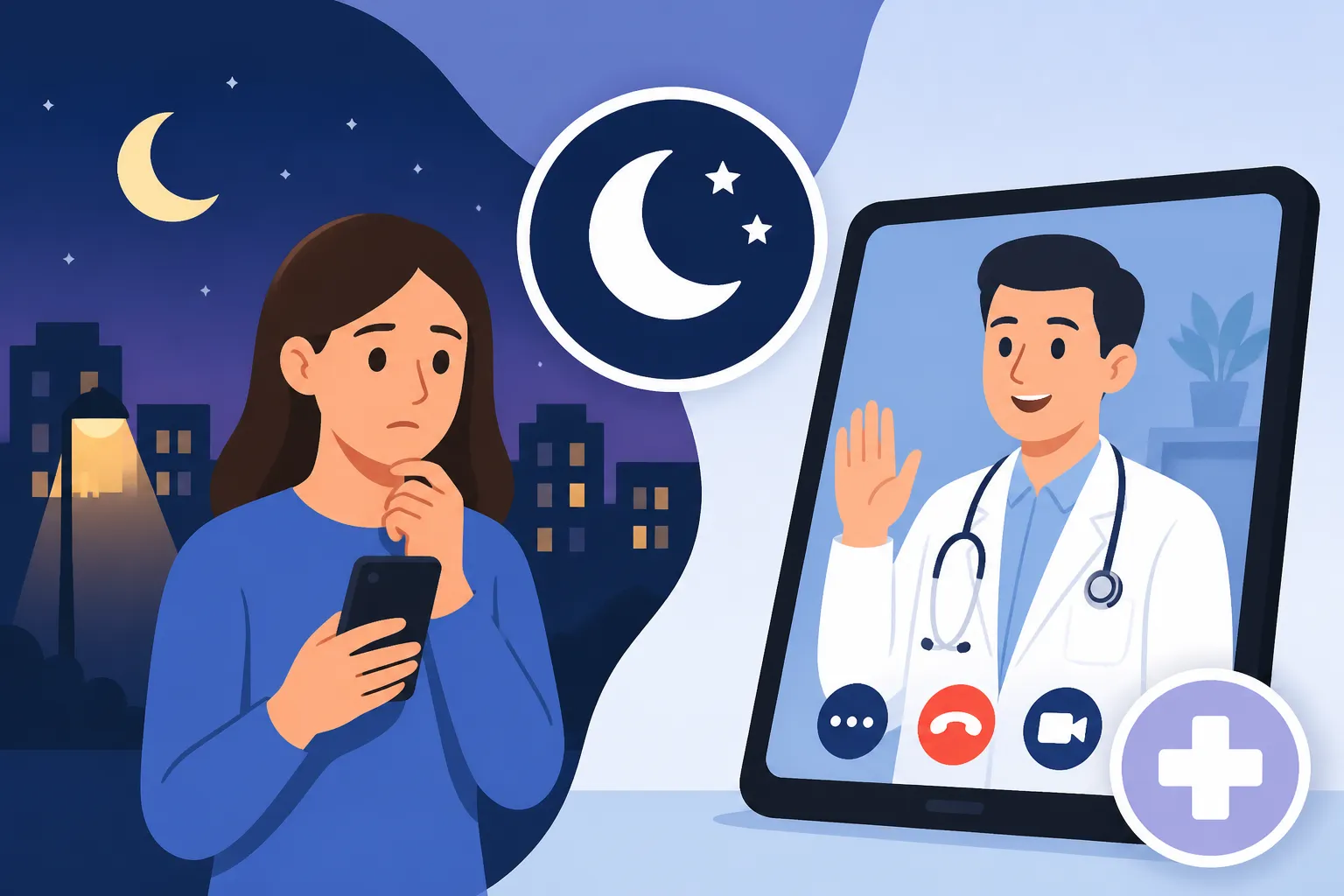
You are tucked into bed on a rainy Tuesday night in Wroclaw when a sudden, searing pain in your abdomen or a skyrocketing fever for your child makes it clear that waiting until 8:00 AM for your local clinic to open is not an option. Navigating the Polish medical system in the dark—both literally and figuratively—is one of the most stressful experiences a foreigner can face. This guide provides the exact roadmap for accessing "Nocna i Świąteczna Opieka Zdrowotna" (Night and Holiday Healthcare), the national medical hotline, and understanding when to bypass the local clinic for the emergency room.
The Lifeline for After-Hours Care: Nocna i Świąteczna Opieka Zdrowotna
In Poland, your primary care physician (Lekarz POZ) is typically available Monday through Friday, usually from 8:00 AM to 6:00 PM. Outside of these windows, the system shifts to a specific network called Nocna i Świąteczna Opieka Zdrowotna. This translates to "Night and Holiday Healthcare," and it is designed specifically for medical situations that are urgent but not life-threatening. Think of it as a bridge between a standard doctor's visit and the emergency room.
When to Use Night and Holiday Healthcare
The NiŚOZ services are available from 6:00 PM to 8:00 AM on weekdays, and 24 hours a day on Saturdays, Sundays, and public holidays. You should head to one of these clinics if you experience a sudden illness or a significant deterioration in a chronic condition, but you are not in immediate danger of losing your life. Examples include a high fever that won't break with over-the-counter meds, sudden back pain that prevents movement, or an ear infection that hits in the middle of the night.
It is important to remember that these clinics are not for routine check-ups, getting a referral for a non-urgent specialist, or renewing a long-term prescription that could wait until Monday. The doctors here are there to stabilize you and provide immediate relief. If you are a digital nomad or a new arrival who hasn't yet navigated the local bureaucracy, having a flexible plan like SafetyWing can provide peace of mind while you figure out which local clinic is closest to your Airbnb or new apartment.
What to Expect at the Clinic
When you arrive at a NiŚOZ point—often located within a larger hospital complex but in a separate wing—you will need to register at the desk. You do not need an appointment; it is a first-come, first-served system. You will likely see a general practitioner or a pediatrician. The wait times can vary wildly. On a Tuesday night at 11:00 PM, you might be seen in twenty minutes. On a Sunday afternoon during flu season, you might be waiting for three hours.
Understanding The Role of the Przychodnia (Clinic) in Poland is essential for knowing the difference between these temporary points and your permanent doctor. The doctor at the night clinic can issue an e-prescription or a short-term sick note, but they will almost always tell you to follow up with your family doctor during regular hours.
Using the National First Contact Teleplatform TPK
If you are unsure whether your symptoms require a physical visit to a doctor, Poland offers a very efficient national hotline called Teleplatforma Pierwszego Kontaktu (TPK). This service is a godsend for expats because it specifically offers support in English and several other languages, reducing the "language barrier panic" that often hits during a medical scare.
How the TPK Hotline Works
By calling 800 137 200, you reach a medical consultant who will triage your situation. This service operates during the same hours as the night clinics (6:00 PM to 8:00 AM and weekends/holidays). First, you will speak with a consultant who gathers your basic data—name, PESEL number (if you have one), and location. If you are a traveler using SafetyWing, you should mention your insurance status if asked, though the hotline itself is a public service.
After the initial screening, a nurse or a doctor will call you back. They can provide medical advice, and in many cases, they can even issue an e-Recepta (e-prescription) or an e-ZLA (electronic sick leave) if they determine that a physical examination is not strictly necessary. This is incredibly helpful for things like a sudden urinary tract infection or a recurring flare-up of a known condition where you just need the right medication to get through the night.
Navigating the Language Barrier
One of the biggest fears for foreigners is calling a government-run hotline and being met with a wall of Polish. The TPK is specifically designed to handle this. When the automated system picks up, listen for the prompts for English. The doctors working this line are generally accustomed to speaking with the international community, especially in major hubs like Warsaw, Krakow, or Wroclaw.
If you find yourself needing to explain a complex medical history, it helps to have your PESEL Number and Why It Matters for Healthcare ready, as this is the primary way they will find you in the national system. If you don't have a PESEL yet, don't worry—you can still use the service by providing your passport number.
Sorting the Emergency: When to Visit NiŚOZ vs. the SOR
A common mistake many foreigners make is heading straight to the Szpitalny Oddział Ratunkowy (SOR), which is the Hospital Emergency Ward, for issues that could be handled by a night clinic. The SOR is for life-threatening emergencies only. If you show up at a SOR with a sore throat or a minor rash, you will be given the lowest priority (usually marked with a blue or green "triage" band) and you could easily wait 8 to 12 hours to be seen.
Understanding the Triage System
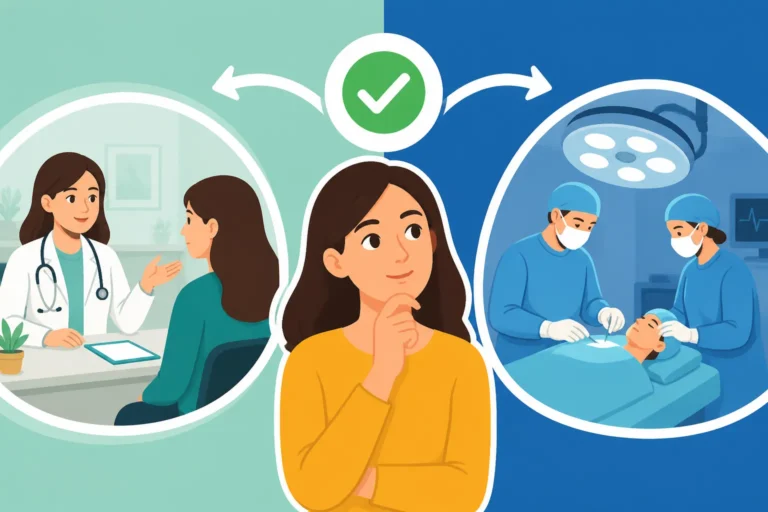
Polish emergency rooms use a color-coded triage system. Red is for immediate life-saving intervention, orange is very urgent, yellow is urgent, and green/blue are non-urgent. If you aren't in a life-threatening state, you will be bumped every time an ambulance arrives. This is why knowing the location of your nearest NiŚOZ is vital—they are much better equipped to handle "urgent but not emergency" cases quickly.
| Service Type | Availability | Best For | Location |
|---|---|---|---|
| Primary Care (POZ) | Mon-Fri, 8:00-18:00 | Chronic issues, referrals, routine check-ups | Local Clinic (Przychodnia) |
| Night/Holiday (NiŚOZ) | Weeknights & Weekends | Sudden illness, high fever, acute pain | Designated Clinics/Hospitals |
| Hotline (TPK) | Weeknights & Weekends | Medical advice, e-prescriptions, triage | Phone (800 137 200) |
| Emergency (SOR) | 24/7 | Accidents, chest pain, difficulty breathing | Main Hospitals |
| Ambulance | 24/7 | Immediate life threat | Call 999 or 112 |
If you are currently on a work visa or awaiting your residence permit, you might be worried about the cost of these visits. It is worth Understanding Public vs Private Healthcare in Poland to see how your mandatory ZUS contributions cover these services. For those not yet in the ZUS system, SafetyWing can cover the costs of emergency visits, provided the situation meets their policy requirements.
When to Call 112 or 999
If someone is unconscious, having a heart attack, or has suffered a severe injury, do not try to find a night clinic. Call 999 (the direct medical emergency number) or 112 (the general European emergency number). Dispatchers usually have someone on staff who speaks English. In these cases, the ambulance will take you to the nearest SOR. You can find more detail on this in the guide to Emergency Medical Care in Poland: What Every Expat Needs to Know.
Finding an Open Pharmacy (Apteka Całodobowa)
Getting a prescription from a night doctor is only half the battle. You then need to find a pharmacy that is actually open at 3:00 AM. Most pharmacies in Poland close by 8:00 PM or 9:00 PM, and many are closed entirely on Sundays (due to the Sunday trading ban). However, every major city and most medium-sized towns are required to have at least one "Apteka całodobowa"—a 24-hour pharmacy.
How to Locate 24/7 Pharmacies
The easiest way to find one is to look at the door of any closed pharmacy nearby. By law, they must post a notice indicating the address of the nearest 24-hour pharmacy. Alternatively, you can search "Apteka całodobowa [City Name]" in Google Maps. In cities like Warsaw, you will find several, but in smaller towns, you might have to drive to the next municipality.
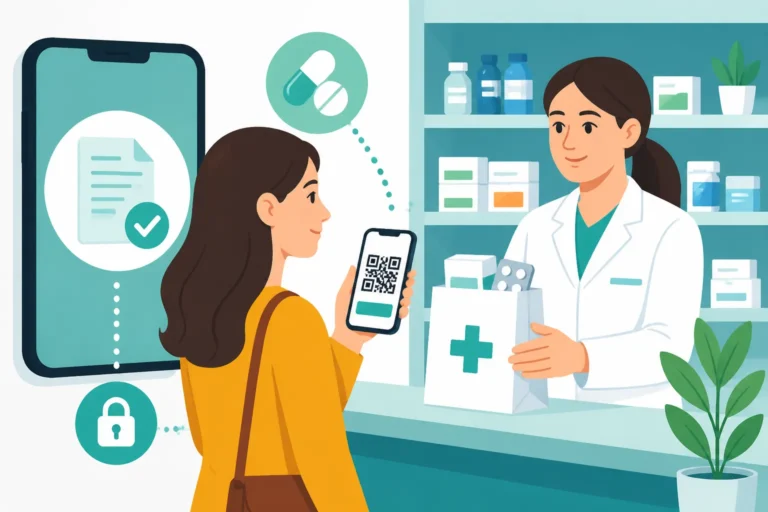
For a deeper dive into how medication pricing and the e-prescription system works, check out Understanding the Polish Pharmacy (Apteka) System and Opening Hours. Remember that at night, pharmacies often operate through a small window (okienko) rather than letting you into the shop. You ring a bell, the pharmacist appears, and you hand over your e-prescription code and PESEL.
The Night Surcharge
Note that some pharmacies may apply a small additional fee (usually a few zlotys) for dispensing medication during night hours. This is legal and standard. If you have been issued an e-prescription, ensure you have the 4-digit code sent via SMS or available in your Internetowe Konto Pacjenta (IKP). If you don't have the IKP set up yet, the doctor will give you a paper printout or a code verbally.
Preparation and Documentation for After-Hours Visits
Walking into a clinic at midnight is stressful enough without realizing you forgot your ID or proof of insurance. Even in the middle of the night, the administrative side of Polish healthcare remains firm.
Necessary Documents
You will need:
- Identity Document: Your passport or your residence card (Karta Pobytu).
- PESEL Number: If you have one, this is how they verify your NFZ (National Health Fund) coverage.
- Proof of Insurance: If you are employed in Poland, your PESEL should show you are active in the system. If you are a visitor or newly arrived, have your SafetyWing insurance certificate or your EHIC card (if you are an EU citizen).
- Medical History: A list of any medications you are currently taking.
If you are a new resident, it is highly recommended to read The Complete Guide to Healthcare in Poland for Expats (2027) to understand how these pieces fit together. If your insurance status is "in-between"—perhaps you just left a job or just arrived—be prepared that the clinic might ask you to sign a declaration (oświadczenie) stating that you have the right to healthcare.
Language Preparation
While many younger doctors speak excellent English, the administrative staff at the registration desk might not. It is incredibly helpful to have a translation app ready on your phone. Phrases like "Nagły przypadek" (Emergency), "Ból" (Pain), and "Gorączka" (Fever) are useful. If you are struggling, you can always ask "Czy ktoś mówi po angielsku?" (Does anyone speak English?).
If you are feeling overwhelmed by the public system, some expats opt for private subscriptions. However, even with a subscription, you should check Understanding Private Medical Subscriptions (Medicover, LUX MED) in Poland as many of their private clinics also have limited hours and may redirect you to the public NiŚOZ for night emergencies.
Summary Checklist for After-Hours Care
To ensure you get the care you need without unnecessary stress, keep this checklist in mind:
- Assess the severity: If it's life-threatening, call 112 or go to the SOR. If it's a sudden illness, go to NiŚOZ.
- Try the hotline first: Call 800 137 200 for advice and potential e-prescriptions in English.
- Locate your nearest NiŚOZ: Don't wait for an emergency to find out where it is. Map it out now.
- Bring your ID and PESEL: These are non-negotiable for registration.
- Check for a 24-hour pharmacy: Use Google Maps or the notice on the door of local pharmacies.
- Have backup insurance: If you aren't fully integrated into the NFZ yet, services like SafetyWing are a vital safety net for these unexpected nocturnal visits.
Staying healthy in a new country is a learning curve, and the Polish system—while bureaucratic—is actually quite robust once you know which "door" to knock on at 3:00 AM. By distinguishing between the SOR and the NiŚOZ, you'll save yourself hours of waiting and ensure that the most critical patients get the care they need while you get the treatment necessary to make it to sunrise.
Disclaimer
The information provided in this guide is for informational purposes only and does not constitute professional medical advice, diagnosis, or treatment. Healthcare regulations and facility locations in Poland can change. Always consult with a qualified healthcare provider or emergency services in the event of a medical crisis. The author is an expat sharing personal experiences and research, not a medical professional.