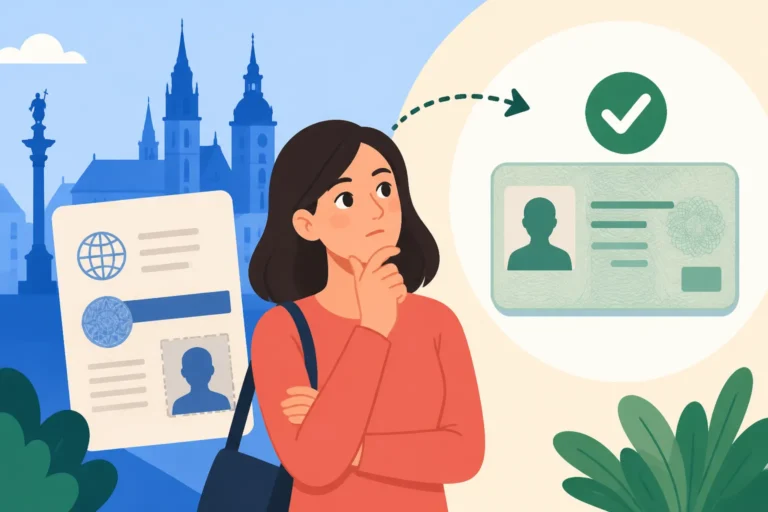
How Do I Get a Polish Residence Permit as a Student from Abroad?
Moving to Poland to study can be an incredibly exciting adventure, but let's be honest, the bureaucratic hurdles of obtaining a residence permit from outside the EU can feel like an Olympic sport you never trained for. The stacks of documents, the confusing websites, the dreaded Urząd Wojewódzki appointment wait times – it’s enough to make even the most determined student consider packing it all in. But don't despair! This guide is here to walk you through the labyrinthine process of securing your Polish student residence permit (the beloved Karta Pobytu) when you’re applying from abroad, offering realistic expectations and actionable advice every step of the way.
Understanding the Student Residence Permit in Poland
Before we dive into the nitty-gritty of paperwork and appointments, let's get a solid grasp of what this "student residence permit" actually is and why you need it. It’s more than just a fancy ID; it's your key to living, studying, and even working part-time legally in Poland.
What Exactly is a Karta Pobytu for Students?
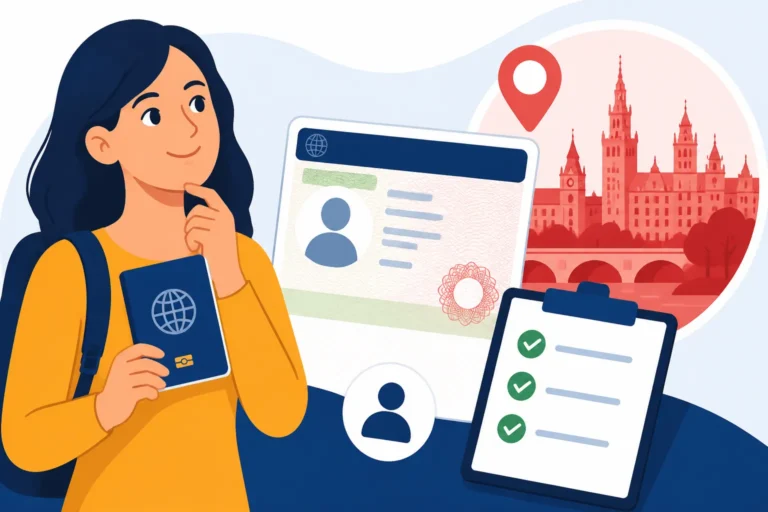
The Karta Pobytu, literally translated as "Residence Card," is the physical document proving your legal right to reside in Poland for a specified period. For students, this permit is typically issued for the duration of your studies, often for one year initially, renewable annually. It’s your official identification here, complete with your photo and biometric data, and it allows you to travel within the Schengen Area without needing a separate visa. Think of it as your official Polish identity that opens doors to everything from opening a bank account to accessing public services.
While you might initially enter Poland on a National (Type D) Visa, this visa is usually just a stepping stone. Once you're physically in Poland and settled, the Karta Pobytu becomes your primary long-term residence document. The application for it is made at the Urząd Wojewódzki (Voivodeship Office) corresponding to your place of residence. Many international students arrive on a D-type visa (often referred to as a "student visa") which allows entry and a short stay, during which they must apply for the Karta Pobytu to continue their studies long-term. This distinction is crucial: the visa gets you into the country, the Karta Pobytu allows you to stay and live here.
Who is Eligible to Apply from Abroad?
The student residence permit is primarily for non-EU/EEA citizens who plan to undertake full-time studies in Poland. The eligibility criteria are quite straightforward on paper, but ensuring you meet each one can require careful planning.
Firstly, and most importantly, you must have an acceptance letter from a recognized Polish higher education institution. This isn't just a preliminary offer; it needs to be a full, unconditional acceptance into a bachelor's, master's, or PhD program. Without this golden ticket, you literally have no basis for your student permit application. The university confirms your enrollment, the duration of your studies, and often assists with some initial guidance, though remember, the Urząd Wojewódzki is the ultimate authority on your permit.
Secondly, you need to prove you have sufficient financial means to cover your living expenses and tuition fees without relying on public funds. This is a common sticking point for many students. Poland wants to ensure you won't become a burden on their social system. The exact amount required can vary slightly from year to year, but generally, you're expected to show access to enough funds for yourself (and any accompanying family members, although bringing family on a student permit is a much more complex path). This usually involves recent bank statements showing a specific amount per month for living costs (currently around 776 PLN per month for a single person, though this is subject to change, plus the cost of your accommodation), tuition fees, and return travel tickets. Don't underestimate this requirement; it’s one of the first things officials scrutinize. They want to see that the money is genuinely yours and readily available, not just a temporary loan that will vanish after the bank statement is printed.
Lastly, you must have appropriate health insurance. This isn't just a formality; it's a non-negotiable requirement. While public healthcare in Poland is available to those contributing to the NFZ (National Health Fund), as a student from abroad, you’ll typically need private international health insurance to cover your initial period or if your home country doesn't have a reciprocal agreement. Some universities offer a basic insurance package, but it’s often minimal. Many expats choose comprehensive private providers like Cigna Global to ensure they are adequately covered for all eventualities. Remember, medical emergencies can be incredibly expensive, and you don’t want to be caught unprepared. You can learn more about specific requirements in our guide on Health Insurance in Poland: Mandatory, Private and Subscription Options Explained.
The Application Process: Step-by-Step for Overseas Students
Now for the part that requires a deep breath and a meticulous approach: the actual application process. It’s a multi-stage journey that often begins before you even step foot in Poland.
Securing Your Spot and Initial Visa
Your journey truly kicks off the moment you receive that coveted acceptance letter from a Polish university. This document is the cornerstone of your entire application. Make sure it explicitly states your full name, the program of study, the start and end dates of your academic year, and confirmation of your full-time enrollment. Without these details, you’ll likely face issues. If you haven't already applied, our guide on How to Apply to a Polish University as an International Student can help get you started.
For most non-EU/EEA students, the next step involves applying for a National (Type D) Visa at the Polish consulate or embassy in your home country or country of legal residence. This visa is what allows you to enter Poland legally to begin your studies and apply for the Karta Pobytu once you arrive. The specific requirements for the D-visa can vary slightly by embassy, but generally, you'll need:
- Your acceptance letter.
- Proof of sufficient funds (as discussed earlier).
- Proof of health insurance.
- A valid passport (with at least 6 months validity beyond your intended stay).
- Completed visa application form.
- Passport-sized photos.
- Flight reservations.
It’s crucial to initiate this visa application well in advance, as processing times can be lengthy, sometimes stretching to several weeks or even months depending on the consulate's workload. You can dive deeper into this initial step by reading Understanding the National (Type D) Visa for Poland. Once your visa is approved and stamped in your passport, you're all set to travel!
Gathering the Mountain of Documents
This is where the real paper chase begins. The Urząd Wojewódzki requires a comprehensive set of documents for your Karta Pobytu application. My advice? Start compiling these as early as possible. Don't wait until the last minute. It's not uncommon for expats to spend weeks, sometimes months, gathering everything. The key is to be overly prepared rather than under-prepared.
Here’s a detailed breakdown of what you'll typically need:
- Completed Application Form: This is usually available online via the local Urząd Wojewódzki website or the integrated portal cudzoziemca (foreigner's portal). Fill it out meticulously. Any errors can lead to delays or outright rejection.
- Passport: Your valid travel document, plus a photocopy of all pages with stamps and personal data.
- Photos: At least four recent, biometric-standard passport-sized photos. Make sure they meet Polish requirements (white background, looking straight, no head coverings unless for religious reasons).
- Proof of Enrollment/Acceptance: The original acceptance letter from your university, confirming your full-time student status, program, and duration of study.
- Proof of Payment of Tuition Fees: If applicable, provide receipts or bank statements showing you've paid tuition for at least one semester or the academic year.
- Proof of Sufficient Funds: Original bank statements (yours or your parents, with a declaration of financial support if it's your parents' account) covering the last few months, demonstrating you have enough money for living expenses and any outstanding tuition. Remember the 776 PLN per month plus accommodation costs.
- Proof of Accommodation: This can be a rental agreement (umowa najmu), a dormitory confirmation, or a letter from a host if you're staying with someone. It proves you have a place to live.
- Health Insurance: Proof of comprehensive health insurance coverage valid in Poland. As mentioned, many opt for private insurance. Make sure the policy clearly states its validity in Poland and the coverage amount.
- PESEL Number: While not strictly required for the initial application, having a PESEL (Polish National Identification Number) makes many administrative tasks much smoother. You can apply for one after arriving in Poland, often through your employer or municipality. Get a head start and understand How to Get Your PESEL Number and Why It Matters for Healthcare.
- Application Fee: A receipt proving you've paid the required application fee (typically around PLN 340 for the permit decision and PLN 100 for the card itself). This is paid into a specific bank account of the Urząd Wojewódzki.
Crucial Tip: Always bring original documents AND photocopies. The officials will check the originals and keep the copies. If you need any official documents translated, ensure it's done by a sworn translator (tłumacz przysięgły) registered in Poland. This is non-negotiable.
Submitting Your Application and Biometrics
Once you have your colossal pile of documents, it’s time for the actual submission. This typically happens at the Urząd Wojewódzki in the city where you reside and study. For instance, if you're studying in Krakow, you'd go to the Małopolski Urząd Wojewódzki.
Booking an appointment can be a challenge. Depending on the city, appointment slots can fill up extremely quickly. Some offices use online booking systems, while others might require you to queue physically very early in the morning. My advice? Be persistent. Check the booking portal frequently, as new slots might appear. You can find more detailed tips on How to Book an Appointment at the Urząd Wojewódzki for Immigration.
On the day of your appointment, arrive early. Bring all your documents, originals and copies, neatly organized. The official will review your application, ensure all documents are present, and ask you to provide your biometric data (fingerprints and a digital photo). This is a critical step. Don't be surprised if they ask for additional documents or clarifications. This is standard procedure, and it's best to be cooperative and prepared to provide whatever they request, even if it means another trip. They’ll usually give you a confirmation stamp in your passport, proving that your application is pending and you are legally allowed to stay in Poland during the processing period, even if your initial visa expires. This stamp is your temporary lifeline.
After Submission: Waiting, Decisions, and What's Next
The hard part of gathering documents and submitting is over, but now comes the test of patience. The processing times for Karta Pobytu applications can be notoriously long.
Navigating the Waiting Game
Polish immigration authorities are often overwhelmed, leading to significant waiting times. It’s not uncommon for applications to take anywhere from a few months to over a year to process. Yes, you read that right – over a year. This is where that stamp in your passport becomes incredibly important. As long as your application is formally accepted and you have that stamp, you are legally residing in Poland. You can continue your studies, and you even have the right to work part-time (which we'll get to shortly).
During this waiting period, you might receive letters (called wezwanie) from the Urząd Wojewódzki requesting additional documents or information. This is perfectly normal. Respond promptly and precisely to avoid further delays. If you don't understand the letter (they are almost always in Polish), seek help from your university's international office, a Polish friend, or a legal professional. Ignoring these requests is a sure way to get your application rejected.
You can often check the status of your application online via the Urząd Wojewódzki portal or by sending an email query. However, don't expect real-time updates. Patience is truly a virtue here.
The Moment of Decision: Approval and Card Collection
Eventually, the day will come when you receive a letter notifying you of the decision on your residence permit. Hopefully, it’s a positive one! If approved, the letter will instruct you on how to pay the fee for the physical Karta Pobytu (if you haven't already paid both fees upfront) and where and when to collect your card.
The Karta Pobytu is a credit card-sized document. Upon collection, double-check all the details – your name, date of birth, validity period, and especially your PESEL number (if applicable) – to ensure there are no errors. If there are, report them immediately. You might also be given a decision document (decyzja) outlining the specifics of your permit. Keep this safe with your card.
If, unfortunately, your application is rejected, the decision letter will state the reasons and outline your right to appeal. This can be disheartening, but it's not always the end of the road. Seek legal advice immediately if this happens. Common reasons for rejection include insufficient funds, incomplete documentation, or issues with your health insurance.
Life with Your Karta Pobytu: Rights and Responsibilities
Congratulations, you have your Karta Pobytu! This opens up a world of possibilities and responsibilities in Poland.
Working as a Student:
One of the most common questions from international students is about working rights. With a valid student Karta Pobytu, you are generally allowed to work part-time in Poland without needing a separate work permit. During the academic year, you can work up to 20 hours per week. During official university holidays (like summer break), you can work full-time. This is fantastic news for students looking to support themselves. If you're looking for job opportunities, you might want to check out The Expat Guide to Finding a Job in Poland (2027).
Travel:
Your Karta Pobytu allows you to travel freely within the Schengen Area for up to 90 days in any 180-day period. This means you can visit neighboring countries like Germany, Czech Republic, or Slovakia without needing additional visas. Just remember to carry your passport along with your Karta Pobytu when traveling internationally.
Registration of Residence (Zameldowanie):
Within 30 days of arriving in Poland (or receiving your Karta Pobytu), you are legally required to register your temporary residence (zameldowanie) at the local Urząd Gminy or Urząd Miasta. This is a simple process, usually requiring your Karta Pobytu, passport, and proof of address (e.g., your rental agreement). Our guide on Registering Your Residence (Zameldowanie) in Poland: The Complete Guide will walk you through it.
Health and Social Security:
As a student, once you have your permit and are actively studying, you may become eligible for public health insurance under the NFZ if your university registers you, or you can opt for voluntary contributions. However, many find private health insurance (like Cigna Global) offers better coverage and shorter wait times. It's vital to ensure continuous health coverage. Understand the various options in Public vs Private Healthcare in Poland: Which Should Expats Choose?. Once you're registered, you can also set up your online patient account by following the steps in How to Set Up an Internetowe Konto Pacjenta (IKP) Patient Account.
Renewal:
Remember, your Karta Pobytu has an expiry date. You must apply for its renewal well in advance, typically at least 3 months before it expires. The renewal process is very similar to the initial application, requiring updated documents, proof of continued studies, and sufficient funds. Don’t let it expire, as overstaying can lead to serious legal consequences.
Moving to Poland as an international student is a grand adventure, but it’s one that requires careful planning and a robust understanding of the immigration process. The bureaucratic steps can be daunting, but with this guide, you’re now better equipped to navigate them. Remember to stay organized, patient, and proactive, and soon you'll be enjoying all that Poland has to offer! If you're looking for assistance with the actual move, services like Sirelo can help connect you with moving companies to make the physical relocation smoother.
Key Aspects of the Student Karta Pobytu
Here's a quick summary table of essential elements for the student residence permit:
| Aspect | Details |
|---|---|
| Purpose | Legal proof of residence in Poland for non-EU/EEA students pursuing full-time studies. Allows entry/re-entry to Poland and travel within the Schengen Area. |
| Eligibility | Unconditional acceptance letter from a recognized Polish university, proof of sufficient funds for living and tuition, valid health insurance, and a legal place of residence in Poland. |
| Initial Entry | Often requires a National (Type D) Visa from a Polish embassy/consulate abroad. The Karta Pobytu application is then made after arrival in Poland. |
| Key Documents | Application form, passport (original + copies), biometric photos, university acceptance letter, proof of tuition payment, bank statements, rental agreement, health insurance, application fee receipt. |
| Application Venue | Urząd Wojewódzki (Voivodeship Office) in your region of residence. An appointment is usually required. |
| Processing Time | Highly variable, from a few months to over a year. A stamp in your passport confirms legal stay during processing. |
| Working Rights | Permitted to work up to 20 hours/week during the academic year and full-time during official university holidays, without a separate work permit. |
| Schengen Travel | Allows travel within the Schengen Area for up to 90 days in any 180-day period. Always carry both your Karta Pobytu and passport. |
| Renewal | Must be renewed before expiry. The process is similar to the initial application and should be started several months in advance. |
| Associated Costs | Application fee for decision (approx. PLN 340) and card issuance fee (approx. PLN 100). Additional costs for sworn translations, passport photos, and potentially legal assistance. |
| Important Advice | Be meticulously organized with documents, keep photocopies, respond promptly to Urząd requests, and seek assistance from your university or legal counsel if you encounter difficulties. Learn about How to Prepare Documents for a Karta Pobytu Application. |
Disclaimer
Please remember that immigration laws and procedures in Poland can change. While I strive to provide the most accurate and up-to-date information, this guide is for informational purposes only and does not constitute legal advice. Always consult with the official Polish immigration authorities (the Urząd Wojewódzki) or a qualified immigration lawyer for personalized advice regarding your specific situation.