Understanding Residence for Holders of the Pole’s Card (Karta Polaka)
Oh, the Karta Polaka! For many of us who’ve navigated the labyrinthine world of Polish immigration, this little card represents far more than just a piece of plastic; it’s often a tangible link to our heritage and, crucially, a simplified pathway to legal residence in Poland. If you’re a holder of the Pole's Card, you're in a unique and fortunate position, but even with this advantage, the journey to obtaining your Polish residence can still feel overwhelming and opaque. This guide is here to demystify the process, explain the invaluable benefits of your Karta Polaka, and walk you through securing your place in Poland.
The Karta Polaka: More Than Just a Card, It's a Bridge to Residence
Let's be real, the administrative side of moving to a new country, especially one with a distinct bureaucratic style like Poland, can be daunting. But for those with a Karta Polaka, you already hold a significant trump card. This isn't just about sentimentality or acknowledging your roots; it's a practical tool that fundamentally changes your immigration status and simplifies many of the hurdles other expats face.
What Exactly Is the Karta Polaka?
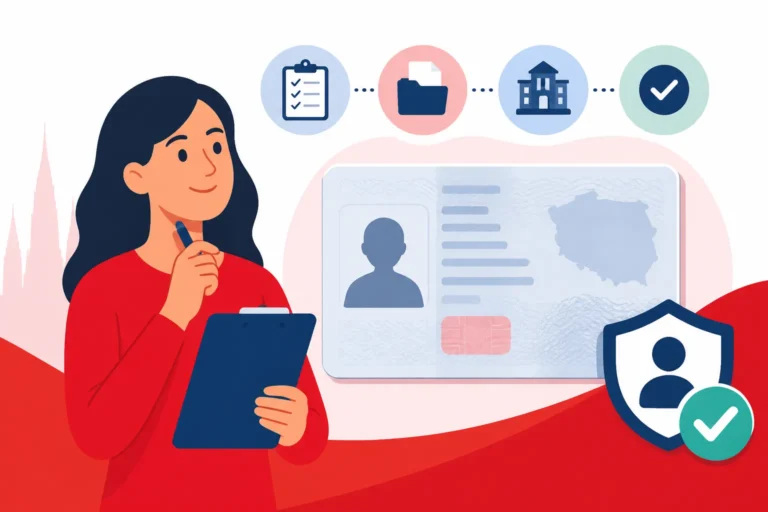
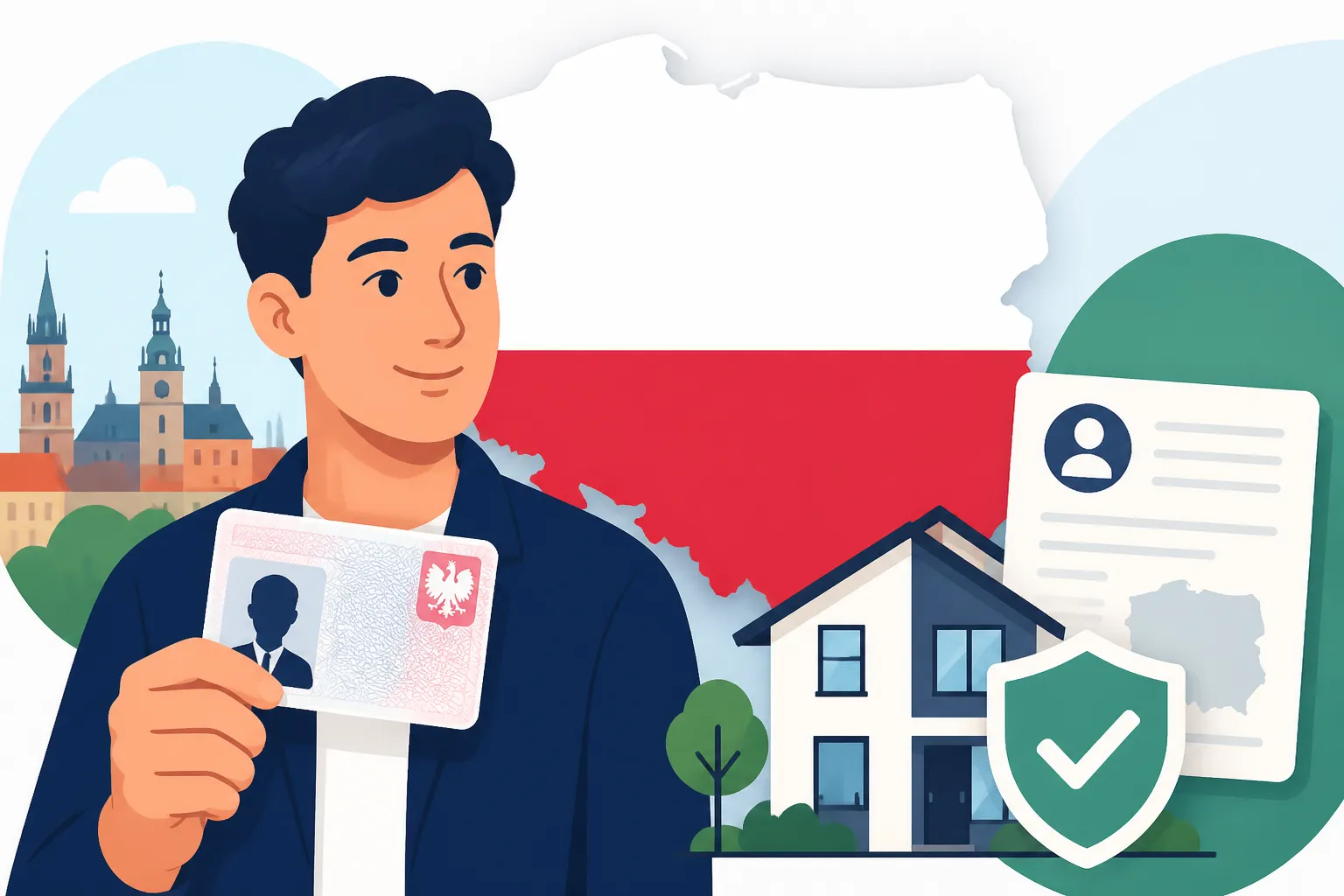
At its heart, the Karta Polaka, or Pole's Card, is an official document confirming your belonging to the Polish Nation outside of Poland. It’s designed for individuals of Polish origin living in former Soviet Union countries and other specific nations, to help them maintain their connection with Poland and access certain rights and privileges. It’s not a citizenship document, nor is it a visa or a residence permit in itself. Instead, think of it as a special status recognition that opens many doors, particularly when it comes to living and working here.
Many recipients have a deeply personal story attached to their Karta Polaka. Perhaps it’s a grandparent’s birth certificate, old family letters, or a certificate of active participation in Polish diaspora activities that helped prove their connection. The process of applying for the card itself often involves delving into family history, collecting documents, and attending interviews, all of which can be an emotional journey. It validates a part of your identity that might have been suppressed or challenged for generations. It’s a formal acknowledgment that, despite living abroad, your Polish heritage is recognized and valued by the Polish state. This recognition is not just symbolic; it carries substantial practical weight for anyone considering making Poland their home.
Key Rights and Privileges for Holders in Poland
So, what exactly does this precious card get you? Beyond the emotional connection, the Karta Polaka bestows a whole host of rights and privileges that make settling in Poland considerably smoother than for other non-EU citizens. The most significant, and the focus of this guide, is the vastly simplified path to obtaining a permanent residence permit, and eventually, Polish citizenship.
But it doesn't stop there. As a Karta Polaka holder, you are generally exempt from paying fees for national visas to Poland, which is a nice little financial saving right off the bat. More importantly, you gain the right to work in Poland without needing a separate work permit. This is a massive relief, as chasing down employers willing to sponsor a work permit can be one of the biggest headaches for non-EU job seekers. You also have the right to undertake economic activity on the same terms as Polish citizens, which is fantastic if you're thinking of starting your own business or becoming a freelancer. Education is also covered; you can study at public universities, schools, and even take doctoral courses without tuition fees, and in some cases, you might even be eligible for scholarships. You’re also entitled to emergency healthcare on the same terms as Polish citizens, which is a huge comfort, though we'll delve deeper into the full healthcare picture later. Plus, you get discounts on public transport and free entry to state museums. It’s truly a package designed to welcome you back into the Polish fold, offering a substantial head start on integration into Polish society.
The Residence Permit Pathway for Karta Polaka Holders
This is where the Karta Polaka truly shines as a practical asset for expats. While it doesn't grant automatic residency, it fast-tracks the entire process in a way that significantly reduces bureaucracy, stress, and waiting times. It’s not just a simpler application; it’s a different, more welcoming legal framework designed to bring you home.
Applying for a Temporary Residence Permit (Karta Pobytu) with Karta Polaka
For Karta Polaka holders, the path to a How to Apply for a Temporary Residence Permit (Karta Pobytu) in Poland is uniquely streamlined. You apply for a temporary residence permit specifically granted on the basis of having the Pole's Card and expressing your intent to settle permanently in Poland. This is critical because it means you don't need to justify your stay based on work, study, or family reunification, which are the typical, often more complex, grounds for a temporary permit. Your Karta Polaka is your primary justification.
The process usually involves submitting an application (often called a wniosek o udzielenie zezwolenia na pobyt stały – an application for permanent residence, even if it's initially for temporary residence based on Karta Polaka, as it's a direct path to permanent status) to the relevant Urząd Wojewódzki (Provincial Office) in the region where you intend to live. You'll need your Karta Polaka, your valid passport, and usually a birth certificate, marriage certificate (if applicable), and proof of your current address in Poland, or at least intent to reside there. The beauty of this route is that you bypass many of the income requirements, employment contracts, or university acceptance letters that are standard for other non-EU applicants. You'll still need to provide biometric data (fingerprints) and recent photographs. While the Urząd Wojewódzki can still be a source of delays and frustration – let’s be honest, that’s just part of the expat experience here – having a Karta Polaka puts you in a much stronger position for a swift and positive outcome. It's truly a game-changer compared to the regular, often agonizingly slow, Karta Pobytu process.
From Temporary to Permanent Residence (Pobyt Stały)
One of the most appealing aspects of using your Karta Polaka for residence is the direct and relatively quick path it provides to Permanent Residence in Poland: The Complete Pathway (2027). The initial temporary residence permit granted on the basis of Karta Polaka is typically valid for one year. During this year, you are expected to officially apply for permanent residence (Pobyt Stały). This isn't a complex, multi-year process like it is for many other foreigners.
The law is clear: a Karta Polaka holder who has a valid temporary residence permit issued on the basis of the Karta Polaka, and who declares an intention to settle permanently in Poland, can apply for a permanent residence permit. The key condition here is that you must submit the application for permanent residence during the validity period of your temporary residence permit based on Karta Polaka. Once granted, this permanent residence permit is valid for an indefinite period, though the Karta Pobytu (physical residence card) itself needs to be renewed every 10 years for administrative purposes (like updating your photo). Crucially, after one year of holding a permanent residence permit based on your Karta Polaka, you become eligible to apply for Polish citizenship, provided you have stable and regular income and a legal title to accommodation. This accelerated timeline from temporary residence to permanent status and then citizenship is unparalleled for non-EU citizens and truly underscores the value of the Karta Polaka.
Practicalities and Benefits: Life in Poland with a Karta Polaka Residence
Once you have your residence permit, your Karta Polaka continues to offer benefits that ease your integration into everyday Polish life. From earning a living to staying healthy, your special status provides a solid foundation.
Work, Study, and Business Opportunities
With your temporary or permanent residence permit secured via your Karta Polaka, the landscape for working, studying, and doing business in Poland opens up considerably. As mentioned, one of the primary benefits is the exemption from needing a work permit. This means you can seek employment just like a Polish citizen, making you a much more attractive candidate to potential employers, especially smaller companies that might shy away from the complexities of sponsoring foreign workers. You can accept any job offer that comes your way without additional paperwork. Whether you’re looking for a role in Krakow’s bustling tech scene or seeking opportunities in more traditional sectors, your path is clearer. Check out The Complete Guide to Working in Poland as a Foreigner (2027) for broader job market insights, but rest assured, your Karta Polaka significantly simplifies your individual journey.
For those planning to hit the books, the Karta Polaka also provides fantastic advantages. You can pursue higher education in Polish public universities without tuition fees. This can mean substantial savings, as international student fees can be quite high. Furthermore, you can apply for scholarships, including social scholarships and stypendium rektora (rector's scholarship for academic achievement), just like Polish students. This opens up a world of academic possibilities, from the historic Jagiellonian University in Kraków to the technical universities in Wrocław and Gdańsk. If you’re looking to dive into the academic world, exploring The Complete Guide to Studying at a Polish University (2027) will give you a broader overview of the system, with your Karta Polaka serving as your golden ticket to many opportunities. And for the entrepreneurial spirits among us, you also gain the right to run a business on the same terms as Polish citizens, which means easier registration and fewer legal hoops to jump through.
Accessing Healthcare and Social Benefits
Healthcare is a universal concern, and living in a foreign country often means grappling with a new system. Good news for Karta Polaka holders: your status simplifies access to Poland's public healthcare system. Once you are employed or become self-employed and start contributing to the Zakład Ubezpieczeń Społecznych (ZUS), you and your registered family members will be covered by the National Health Fund (NFZ). This means access to doctors, specialists, hospital care, and prescription reimbursements under the public system, much like any Polish citizen. You can learn more about How Poland's National Health Fund (NFZ) Works: A Full Overview to get a clearer picture.
However, it's worth noting that while NFZ coverage is comprehensive for essential services, public healthcare in Poland, like many public systems, can sometimes involve waiting times for specialist appointments or certain procedures. This is a common frustration for many expats, even those with full NFZ access. For those who prefer quicker access, more comfortable facilities, or English-speaking medical staff, private healthcare remains a popular option. Companies like Cigna Global offer a range of private health insurance plans that can complement or even replace public coverage, providing peace of mind and faster access to care. Many expats choose a hybrid approach, using the NFZ for routine matters but opting for private services when speed or language comfort is paramount. For a deeper dive into your options, check out Health Insurance in Poland: Mandatory, Private and Subscription Options Explained.
Financial Considerations and Integration
Making a financial life in a new country involves more than just earning money; it’s about managing it, understanding the costs, and taking advantage of available support. For Karta Polaka holders applying for permanent residence, there's often a significant one-time financial aid program available. This świadczenie na pokrycie kosztów osiedlenia się w Polsce (settlement cost coverage benefit) is typically a one-off payment to help with initial living expenses, such as rent deposits, furniture, or other costs associated with moving and settling in Poland. This can be a huge help during the initial, often expensive, phase of relocation. The exact amount and availability can vary, so it's always best to inquire about current programs at your Urząd Wojewódzki.
Understanding The Complete Guide to Cost of Living in Poland for Expats (2026) is crucial, regardless of your status, but Karta Polaka holders can leverage their status to better integrate financially. Opening a bank account, for example, is generally straightforward once you have your residence permit and PESEL number. Many Polish banks are welcoming to foreigners, offering online banking and English-speaking support. For guidance on getting started, refer to The Expat Guide to Opening a Bank Account in Poland. When you're making a big move, particularly internationally, logistical costs can add up quickly. Services like Sirelo can be invaluable for comparing quotes and finding reliable movers to help transport your belongings efficiently and cost-effectively to Poland, easing some of the financial burden of relocation. These financial advantages, coupled with the simplified administrative process, truly make the Karta Polaka a powerful tool for a smoother transition to life in Poland.
Navigating the Bureaucracy and Common Pitfalls
Even with the advantages of the Karta Polaka, dealing with Polish bureaucracy can still test your patience. It’s a rite of passage for most expats here, and while your card makes things easier, it doesn't eliminate all the hurdles. Knowing what to expect and how to prepare can make a world of difference.
Essential Documents and Their Preparation
The devil, as they say, is in the details, and with Polish officialdom, this couldn't be truer. Even with your Karta Polaka, meticulous document preparation is absolutely non-negotiable. For your residence permit application, you'll need:
- Application Form: Usually two copies of the Wniosek o udzielenie zezwolenia na pobyt stały (Application for Permanent Residence Permit).
- Karta Polaka: Original and a copy.
- Passport: Original for inspection, copies of all pages with stamps and visas. Ensure it's valid for well beyond your application period.
- Photographs: Usually 4 recent, biometric photos (35x45mm) taken within the last 6 months.
- Birth Certificate: Original and a sworn translation into Polish.
- Marriage Certificate (if applicable): Original and a sworn translation into Polish.
- Proof of Funds (if applying for the one-time settlement aid): Bank statements or similar documents showing you have enough money to support yourself until the benefit arrives, or if you choose not to apply for the aid, sufficient funds to show you can live here.
- Proof of Accommodation: A rental agreement (umowa najmu), confirmation of zameldowanie (address registration), or a notarized statement from the property owner. Even if you're staying with friends initially, a formal declaration of hospitality is useful.
- Proof of Administrative Fee Payment: A confirmation from the bank or post office that you've paid the processing fee for the residence permit.
The key here is sworn translations (tłumaczenie przysięgłe). Any document not originally in Polish must be translated by a Polish sworn translator. These aren’t cheap, and finding a reliable one can take time, so factor this into your budget and timeline. It's often helpful to gather all your core documents before you even arrive in Poland. My advice? Get them all translated in Poland, as sworn translators in Poland are usually recognized more readily. For a comprehensive list of what you might need, refer to How to Prepare Documents for a Karta Pobytu Application. Incomplete applications are the quickest way to face delays or rejection, so double-check everything, then check again!
Dealing with the Urząd Wojewódzki and Appointment Scheduling
Ah, the Urząd Wojewódzki. A place that evokes a mix of anticipation and dread for many foreigners. For Karta Polaka holders, the good news is that your status should, in theory, streamline your visits. However, the practical reality of scheduling appointments and navigating the office itself can still be a test of endurance. Appointments are often booked months in advance, and slots disappear quickly. Many urzęds now use online booking systems, which can be a lifeline, but they often require quick reflexes right when new slots are released.
Once you have your appointment (or have managed to submit documents via post, which is sometimes an option, albeit slower), be prepared for the visit itself. It’s not uncommon for appointments to be brief and purely transactional, or to involve a detailed interview about your intentions to settle permanently, your Polish heritage, and your plans for integration. Expect language barriers if your Polish isn't strong. While some officials speak English, it's not guaranteed. Bringing a Polish-speaking friend or a professional translator is highly recommended to avoid misunderstandings. Keep all original documents handy, even if you’ve already submitted copies, as they might want to see them again. The waiting times for a decision, even with Karta Polaka, can still stretch for several months, which is a common source of frustration. Trust me, I've sat in those waiting rooms many times. Being patient, polite, and thoroughly prepared is your best defense. For practical tips on scheduling, check out How to Book an Appointment at the Urząd Wojewódzki for Immigration.
When Things Go Sideways: Common Issues and Solutions
Even the best-laid plans can encounter bumps in the road, and immigration processes are no exception. Common issues for Karta Polaka holders, despite their advantageous position, can include:
- Missing or Incorrect Documents: This is the most frequent cause of delays. A single missing sworn translation, an improperly cropped photo, or an expired document can halt your application. Solution: Always submit everything they ask for, and then some. When in doubt, ask an official (preferably a Polish speaker) before submission, or consult a legal professional.
- Long Waiting Times: Even with Karta Polaka, processing times can be unpredictable. Solution: Be patient, but not passive. After a few months, if you haven't heard anything, you can formally inquire about the status of your application. Keep proof of your submission date.
- Language Barrier: Not understanding questions during an interview or correctly filling out forms can be challenging. Solution: Always bring someone who speaks fluent Polish if you’re not confident in your own abilities. Professional translators are available for hire for official visits.
- Changes in Circumstances: If you move address or change jobs during the application process, you must inform the Urząd immediately. Solution: Proactive communication is key. Don't wait for them to find out.
- Rejection of Application: While rare for Karta Polaka holders, it can happen, usually due to fundamental document errors or a failure to prove intent to settle. Solution: You have the right to appeal a negative decision to the Head of the Office for Foreigners (Szef Urzędu do Spraw Cudzoziemców) within a specified timeframe (usually 14 days). This is definitely a time to seek legal counsel specializing in immigration law.
Remember, while the process can be frustrating, most officials are simply following procedure. Your Karta Polaka is a strong argument for your residence, so stay calm, be prepared, and persist.
Moving to Poland with Your Karta Polaka: Logistics and Beyond
So, you’ve got your Karta Polaka and you’re navigating the residence permit process. Now comes the exciting (and slightly terrifying) part: actually moving and settling into life in Poland. Having your Karta Polaka streamlines the legal side, but the practicalities of setting up a new life still require careful planning.
Planning Your Relocation and Logistics
Moving country is always an immense undertaking, but with your Karta Polaka, you can focus more on the practical aspects of settling in and less on immigration hurdles. Your primary task will be getting yourself and your belongings to Poland. When it comes to moving your worldly possessions, especially internationally, it's a huge decision whether to bring everything or start fresh. If you have significant belongings to move, comparing international shipping companies is crucial. This is where services like Sirelo become incredibly useful, allowing you to easily compare quotes from various moving companies, ensuring you get the best deal and reliable service to transport your items to your new Polish home. This takes a lot of the guesswork out of an already stressful part of moving.
Once you arrive, securing temporary accommodation is usually the first step, unless you've already found a long-term rental or purchased property. Short-term rentals via platforms like Airbnb or Booking.com can provide a base while you hunt for something more permanent. Don't forget to factor in initial setup costs like deposits for rentals, furnishing a new place, and setting up utilities. For a broader overview of the initial steps for any expat, consider reading The Complete Guide to Moving to Poland: Your First 90 Days (2027), which will help you tick off all those crucial first tasks. You’ll need a local phone number pretty quickly, so getting a Polish SIM card should be high on your arrival checklist. Major providers like Play, Orange, and T-Mobile offer good options for prepaid or contract plans.
Settling In and Community Integration
With your legal status secured, the real work of making Poland your home begins. For many Karta Polaka holders, there's a unique aspect to this integration: connecting with your heritage while also adapting to modern Polish society. Finding your feet means establishing a local network. Poland has a thriving expat community in larger cities like Warsaw, Krakow, and Wroclaw, offering various groups and events to meet fellow foreigners and Poles alike.
Learning Polish, even if you have some ancestral knowledge, is perhaps the single most important step for true integration. While many young Poles speak English, navigating daily life, official matters, and truly connecting with the culture will require Polish language skills. Enrolling in a language course can be a great way to meet people and fast-track your learning. You can explore Learning Polish: A Complete Guide to Language Courses and Levels for options that suit your needs. Don't be afraid to practice, even if you make mistakes – Poles generally appreciate the effort! Embrace local traditions, explore the incredible history and natural beauty, and engage with your new community. Your Karta Polaka has given you an extraordinary entry into Poland; now it’s time to build a rich and fulfilling life here.
Here's a handy comparison of the benefits relating to residence for Karta Polaka holders versus the standard non-EU route:
| Feature | Karta Polaka Holder | Standard Non-EU Applicant (e.g., Work Visa) |
|---|---|---|
| Initial Residence Application | Direct application for Permanent Residence (Pobyt Stały) with a one-year temporary bridge. | Usually Temporary Residence (Karta Pobytu) based on specific purpose (work, study, family). |
| Primary Justification | Karta Polaka (Proof of Polish heritage and intent to settle permanently). | Work contract, university acceptance, marriage certificate, etc. |
| Work Permit Requirement | No work permit needed. | Requires a separate work permit (Zezwolenie na Pracę) and employer sponsorship. |
| Path to Permanent Residence | Eligible to apply for Pobyt Stały after one year of temporary residence based on Karta Polaka. | Typically requires 5 years of continuous legal temporary residence. |
| Path to Citizenship | Eligible after 1 year of holding Pobyt Stały (based on Karta Polaka) and meeting other criteria. | Typically requires 3 years of Pobyt Stały (after 5 years of temporary residence) and other criteria. |
| Application Complexity | Significantly simplified, fewer documents related to income/employment. | More complex, strict requirements for income, housing, and purpose of stay. |
| Financial Aid | Eligible for one-time settlement aid (Świadczenie na pokrycie kosztów osiedlenia się). | Generally no specific settlement aid. |
| Tuition Fees | Exempt from public university tuition fees. | Pay international student tuition fees (unless on specific scholarships). |
| Application Fees | May be exempt from visa fees; residence permit fees apply. | Visa and residence permit fees apply. |
Disclaimer
The information provided in this guide is for general informational purposes only and does not constitute legal or professional advice. While we strive to ensure the information is up-to-date and accurate, immigration laws and procedures in Poland can change frequently. It is always recommended to consult with the official Polish authorities (Urząd Wojewódzki) or a qualified immigration lawyer for advice tailored to your specific situation before making any decisions.