Understanding Naturalisation Requirements in Poland
Ah, the journey to becoming a Polish citizen through naturalisation. For many of us who've chosen this beautiful, often bewildering country as our home, it's the ultimate goal – a declaration of true belonging. But let's be honest, the process can feel like a trek through a bureaucratic wilderness, where every signpost is written in riddles and the path constantly shifts. You're not alone if the sheer volume of requirements and the opaque nature of the decision-making feels overwhelming. This comprehensive guide is here to cut through the confusion, offering a realistic, step-by-step look at what it truly takes to meet the naturalisation requirements in Poland, based on firsthand experience and official regulations.
What Exactly is Naturalisation in Poland?
When we talk about naturalisation in Poland, we're talking about the process of officially becoming a Polish citizen not because you were born here, or because your grandparents were Polish, but because you've chosen to make Poland your long-term home and have integrated into society. It’s a deliberate, often lengthy, journey that culminates in a profound change of status.
The Difference Between Citizenship by Naturalisation and Other Routes
It's crucial to understand that naturalisation is just one path to Polish citizenship, and it's distinct from others. For many, it's the most common route when they don't have direct Polish ancestry.
Citizenship by descent, for example, is about confirming your existing Polish heritage. If you have Polish parents, grandparents, or even great-grandparents who held Polish citizenship, you might be eligible to have your citizenship confirmed by a Voivode. This process, known as potwierdzenie obywatelstwa polskiego, is generally less about integration and more about proving a genealogical link and continuous citizenship through generations. It’s often quicker and has different requirements, focusing heavily on historical documents.
Then there's recognition as a Polish citizen (uznanie za obywatela polskiego), which applies to specific categories of foreigners who have a long-term connection to Poland, such as certain long-term residents, those married to Polish citizens for a specific period, or those with a Pole's Card (Karta Polaka) who have resided here for a set time. While it involves an application and meeting specific criteria, it's handled by the Voivode, whereas naturalisation is ultimately decided by the President of Poland. Naturalisation, or nadanie obywatelstwa polskiego, is a discretionary act by the President, making it somewhat more open-ended in its assessment, focusing on your overall integration and ties to the Republic. It’s the route for those of us who have truly embraced Poland as our permanent home and wish to solidify that commitment, rather than asserting a pre-existing claim.
Who is Eligible to Apply?
So, who can actually throw their hat into the naturalisation ring? Generally speaking, you need to be an adult (over 18 years old) with a solid, proven track record of living in Poland legally and continuously. This isn't a quick sprint; it's a marathon that requires years of consistent residency, a stable financial footing, and a genuine effort to integrate into Polish society.
The core eligibility often revolves around having a specific type of long-term residence permit, like a permanent residence permit (zezwolenie na pobyt stały) or an EU long-term resident permit (zezwolenie na pobyt rezydenta długoterminowego UE). If you're married to a Polish citizen, have a Pole's Card, or have refugee status, there might be slightly different, often shorter, residency requirements that apply to you. However, regardless of your specific situation, a clean criminal record, demonstrable stable income, secure housing, and a certain level of Polish language proficiency are non-negotiable. The Polish authorities want to see that you're not just existing here, but actively contributing and adhering to the country's laws and way of life. It’s about proving your commitment, not just your presence.
The Core Residency Requirements: Time is of the Essence (and paperwork)
When it comes to naturalisation in Poland, time spent in the country isn't just a number; it's a critical component, and how that time is accumulated, and under what legal basis, makes all the difference. This is where many expats can get tripped up, as the definitions can be quite strict.
Uninterrupted Stay and Legal Basis
The Polish law is very clear about "uninterrupted stay" (nieprzerwany pobyt). It doesn't just mean you've been physically present in Poland for X number of years. It specifically means that your stays outside of Poland during your qualifying period couldn't have been longer than 6 months at a time, and the total duration of all your absences could not exceed 10 months within the entire required residency period. Imagine you're trying to build a continuous chain of residency; each link represents a day in Poland, and a long absence snaps that chain. Even if you've been here for years, a series of trips that add up could disqualify you. This is a point of considerable frustration for many expats, especially those with jobs requiring international travel or family living abroad. It forces a meticulous tracking of time spent both in and out of the country.
The legal basis for your stay is equally paramount. You can't just have been living in Poland; you must have been living here legally, with appropriate permits throughout. The most common paths to naturalisation require a minimum of three years of uninterrupted stay in Poland on the basis of a permanent residence permit or a long-term EU resident permit immediately before filing your application. This means you must first secure one of these more stable permits, which themselves often require several years of prior temporary residency. For those who are married to a Polish citizen, the requirement for uninterrupted stay on a permanent or long-term EU resident permit is reduced to two years, provided you have been married for at least three years at the time of application. Without these specific, higher-tier permits, your application for naturalisation through the standard administrative route will simply not progress. The path to a Permanent Residence in Poland: The Complete Pathway (2027) is often the first major hurdle before even thinking about naturalisation. It's a pyramid scheme of permits, each building upon the last.
Demonstrating Stable and Regular Income & Accommodation
Beyond just being here for the required time, the authorities want to see that you are a self-sufficient and responsible member of society. This means proving you have a "stable and regular source of income" and a "legal title to occupy residential premises." It's not enough to scrape by; you need to show financial stability over a sustained period.
For income, what exactly counts? Typically, this means a steady employment contract (umowa o pracę), income from a registered business activity (like a Jednoosobowa Działalność Gospodarcza or JDG), or a pension. If you're employed, you'll need to provide your employment contracts, payslips, and crucially, your annual tax returns (PIT forms) for the preceding years. These PIT forms are gold – they're the official proof to the tax office (Urząd Skarbowy) that you've been declaring your earnings and paying your taxes diligently. For those of us running our own businesses, the process of proving income can be a bit more complex, requiring tax declarations like PIT-36L or PIT-28, along with proof of ZUS contributions. The key is consistency and legality. They don't want to see erratic income; they want to see a pattern of reliable earnings.
When it comes to accommodation, you also need to provide concrete evidence that you have a place to live and a legal right to be there. This typically involves submitting your rental agreement (umowa najmu), especially if it's a long-term one. If you own property, you'll provide a copy of the deed (akt notarialny). Crucially, you'll also need to prove your address registration, known as zameldowanie. This isn't just a formality; it’s the official record of your primary residence in Poland. Landlords are sometimes hesitant about zameldowanie, but it's a vital piece of the puzzle for official processes like this. The consistency of your zameldowanie across your residency period helps demonstrate your stable ties to a specific location in Poland. Both income and accommodation documents are scrutinised to ensure you're not a burden on the state and that you're genuinely rooted in the country.
Language and Integration: Proving Your Polish Connection
Naturalisation isn't just about ticking boxes on paper; it's about demonstrating a genuine connection and integration into Polish society. And nothing speaks to integration more powerfully than the ability to communicate in the local language.
The Polish Language Requirement
The requirement to demonstrate Polish language proficiency is a significant hurdle for many, but it's understandable. To become a citizen, you need to be able to function effectively in daily life, understand public information, and engage with the community. For naturalisation, this usually means proving at least a B1 level of proficiency in Polish.
How do you prove this? The most common and universally accepted method is to pass a state-certified Polish language exam at the B1 level. These exams are held periodically throughout the year by institutions accredited by the State Commission for the Certification of Proficiency in Polish as a Foreign Language. They test all four key language skills: listening, reading, writing, and speaking. Trust me, these exams are no walk in the park; they require dedicated study and practice, often over many months or even years. Many expats find themselves enrolling in intensive Learning Polish: A Complete Guide to Language Courses and Levels to prepare. If you happened to complete a university degree in Polish Philology in Poland or abroad, or if you hold a school-leaving certificate from a Polish school in Poland or abroad, these might also be accepted as proof, but for most, the B1 certificate is the way to go. It's a tangible demonstration that you've put in the effort to truly connect with the language and culture of your adopted home.
Ties to the Polish State and Society
Beyond simply speaking the language, the authorities want to see evidence of your deeper ties to the Polish state and society. This isn't about being Polish by birth; it's about being Polish by choice and commitment. They'll look for signs that you understand and respect the Polish constitutional order, that you abide by its laws, and that you are an active and responsible member of the community.
A crucial element here is a clean record. You will need to provide a criminal record certificate from the National Criminal Register (Krajowy Rejestr Karny, or KRK). Any serious criminal history will likely be a non-starter. This certificate proves that you are not a threat to public order or security. Furthermore, while not explicitly stated as a "test," your application and any potential interview with the Voivode's office might subtly assess your understanding of Polish culture, history, and values. Are you just living here, or are you truly part of here? Have you participated in local community events? Do you have Polish friends and family? Are you raising your children in Polish schools? These are all indicators of genuine integration. They want to ensure that you appreciate the fundamental principles of the Republic of Poland and won't undermine them. This sense of belonging is a qualitative aspect that complements all the quantitative requirements, truly showing that Poland has become your home, not just a place to reside.
The Application Process: Step-by-Step Through the Bureaucracy
Alright, you've met the residency requirements, you've mastered the Polish language (at least to B1!), and you've got your ducks in a row. Now comes the grand administrative challenge: the application itself. This is where patience truly becomes a virtue.
Gathering Your Documents (and your patience)
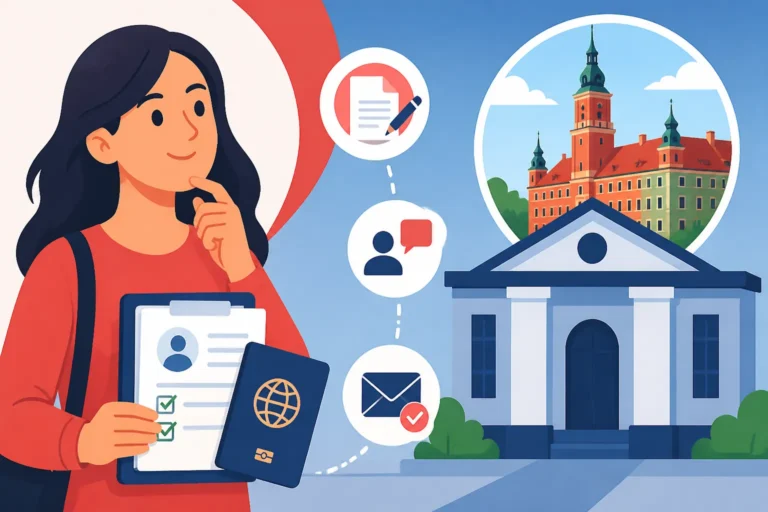
The application for naturalisation, known as Wniosek o nadanie obywatelstwa polskiego, is a hefty document, and it requires an equally hefty pile of supporting evidence. Think of it as building a fortress of paperwork, brick by painstakingly translated brick. Here’s a rundown of what you’ll typically need:
- Application Form: The official form, meticulously filled out in Polish. Double-check every field, as even small errors can cause delays.
- Biometric Photographs: Recent, biometric-standard photos, just like for a passport. Don't cheap out on these; specific requirements are strictly enforced.
- Original Civil Status Documents: Your birth certificate is a must. If you’re married, your marriage certificate is also required. If you have children, their birth certificates too. If any of these documents were issued outside of Poland, they must be submitted with sworn translations into Polish. This is where a service like Sirelo could come in handy if you're dealing with a complex international move and need to ensure all your official records arrive safely and are properly handled.
- Proof of Identity: A copy of your valid foreign passport or ID card.
- Residence Permits: Copies of all your previous and current residence permits (Karta Pobytu), including your permanent residence permit or EU long-term resident status, demonstrating your uninterrupted legal stay. This is critical for proving your eligibility. If you’re not sure about the nuances of these, checking out How to Get a Temporary Residence Permit (Karta Pobytu) in Poland (2027) or Permanent Residence in Poland: The Complete Pathway (2027) can provide clarity.
- Proof of Income: As mentioned, employment contracts, payslips, annual tax returns (PITs), and bank statements showing consistent earnings.
- Proof of Accommodation: Rental agreement, property deed, and your zameldowanie certificate.
- Polish Language Certificate: Your original B1 level certificate from a state-certified exam.
- Criminal Record Check: The certificate from the National Criminal Register (KRK) confirming you have no criminal record in Poland. You might also need similar documents from your home country if you haven’t lived in Poland long enough.
- Statement of Legal Title to Property: This is often a separate document confirming your right to occupy your residence.
- Confirmation of Administrative Fee Payment: There’s a state fee for the application, which needs to be paid to the appropriate Voivodeship Office bank account.
- CV/Autobiography: Sometimes requested, detailing your life in Poland, education, work, and why you wish to become a Polish citizen.
- Any other documents: Depending on your specific situation (e.g., Karta Polaka, refugee status, specific contributions to Poland), you might need additional documents.
It's absolutely vital that all non-Polish documents are accompanied by a sworn translation done by a certified Polish sworn translator (tłumacz przysięgły). No regular translation will do. Preparing this dossier is a monumental task, and it's where most people feel the full weight of Polish bureaucracy. My advice? Start early, be meticulous, and don't hesitate to seek professional legal advice if you're unsure about anything.
Submitting Your Application and What to Expect
Once your fortress of paperwork is complete, you'll submit your application to the Voivodeship Office (Urząd Wojewódzki) responsible for your place of residence. In many cities, you'll need to book an appointment well in advance, and these slots can be incredibly difficult to get. If you’re in a major city, you know the drill – often involves refreshing booking portals at midnight. For practical tips, consider checking out How to Book an Appointment at the Urząd Wojewódzki for Immigration.
After submission, the waiting game begins. And oh, what a game it is. Processing times for naturalisation applications are notoriously long, often stretching for well over a year, sometimes even two or three. The Voivode's office will first assess your application, verify all documents, and might even call you for an interview. This interview is usually in Polish and is an opportunity for them to gauge your language skills, your integration, and your commitment to Poland. It's not a formal exam, but rather a conversation to understand your motivations and verify the information in your application. They might ask about Polish holidays, political figures, or simply why you want to become a citizen.
Once the Voivode's office has completed its assessment, they will prepare an opinion on your application and forward the entire dossier to the Chancellery of the President of Poland. Yes, the ultimate decision rests with the President. This means that even if you meet all the formal requirements, the President's decision is discretionary. While most applications that meet the criteria are approved, it's not a guaranteed outcome. You'll receive a notification from the President's Chancellery once a decision has been made. The uncertainty during this long wait can be incredibly frustrating, but it's part of the process.
Potential Pitfalls and Common Reasons for Rejection
The road to Polish citizenship is fraught with potential pitfalls, and countless hopeful applicants have faced rejections. Understanding the common reasons can help you avoid them:
- Incomplete Documentation: This is perhaps the most frequent reason. Even a missing sworn translation, an outdated certificate, or a poorly filled-out form can lead to your application being returned or rejected. The devil truly is in the details here.
- Failure to Meet Residency Requirements: Miscalculating your "uninterrupted stay" or not having the correct type of residence permit for the required duration (e.g., trying to apply with only a temporary residence permit when a permanent one is needed) is a guaranteed rejection.
- Insufficient Proof of Stable Income or Accommodation: If your income is deemed too low or inconsistent, or if you can't provide solid proof of a legal place to live for the required period, your application will be questioned. They want to see self-sufficiency.
- Lack of Demonstrable Polish Language Proficiency: While a B1 certificate is mandatory, if your interview reveals a significant discrepancy between your certificate and your actual ability to communicate, it could raise red flags.
- Criminal Record: Any serious conviction in Poland or abroad will almost certainly lead to a rejection. They're looking for law-abiding citizens.
- Misunderstanding "Uninterrupted Stay": As mentioned earlier, long absences from Poland, even for valid reasons, can break the continuity of your stay, making you ineligible.
- The Discretionary Nature of the President's Decision: This is the big one. Even if you tick every box, the President can, for various reasons, decide not to grant citizenship. This is rare for applications that are otherwise perfect but underlines the subjective element. They are looking for genuine, well-integrated individuals, and if they feel that connection isn't strong enough, the decision might not go your way.
Remember, preparation is your best defense against these pitfalls. Take the time, get professional help if needed, and be absolutely meticulous with every single document.
Special Circumstances and Considerations
While the core requirements for naturalisation are broad, there are specific situations that can alter the path or introduce different considerations. It's important to know if any of these apply to your unique journey.
Children and Citizenship
If you are naturalising, what happens to your children? The good news is that minor children (under 18) of an applicant can generally acquire Polish citizenship along with their parent. This isn't automatic, but it's a streamlined process linked to your own application.
For a child to be granted Polish citizenship, one of their parents (or both) must be applying for naturalisation. The child's consent is usually required if they are 16 years of age or older. If both parents are applying, they typically apply together for the child. If only one parent is naturalising, that parent can apply for the child, but they'll need the written consent of the other parent (if they are still alive and have parental rights). This consent also needs a sworn translation if given abroad. The child's application is usually submitted simultaneously with the parent's, using a slightly different form and requiring the child's birth certificate and sometimes their school documents if they attend a Polish school. The aim is to ensure that families can stay together under the same citizenship status, reflecting the child's integration into the Polish environment alongside their parents.
The Role of the President of Poland
As mentioned, the ultimate decision on granting Polish citizenship by naturalisation rests with the President of Poland. This is a crucial distinction from other immigration processes handled at the Voivodeship level. While the Voivode's office meticulously reviews your application and provides an opinion, the final say is a presidential prerogative, making it a discretionary decision.
This means that while meeting all the formal criteria (residency, language, income, etc.) is absolutely essential and significantly increases your chances, it does not guarantee citizenship. In very rare and exceptional circumstances, the President can even grant citizenship to individuals who haven't met all the formal requirements, typically for those who have rendered outstanding services to Poland or who have compelling humanitarian reasons. However, relying on this "exceptional" route is highly speculative and not a practical path for most applicants. For the vast majority of us, the path is to diligently meet every single requirement, ensure every document is perfect, and demonstrate undeniable integration, leaving little room for subjective refusal. The President's decision is final and not subject to appeal in the same way an administrative decision from the Voivode might be, highlighting the weight of this step.
Dual Citizenship in Poland
One of the significant advantages for those seeking Polish citizenship through naturalisation is Poland's stance on dual citizenship. Unlike some countries that require you to renounce your previous nationality, Poland generally permits its citizens to hold citizenship in another country. This comes as a huge relief to many expats, as it means they don't have to sever ties with their country of origin to fully embrace their new Polish identity.
However, there's a crucial nuance: while Poland tolerates dual citizenship, it doesn't recognise it in all contexts. This means that when you are on Polish territory, the Polish state considers you solely as a Polish citizen. You are expected to use your Polish passport for travel, carry your Polish ID, and fulfill all the rights and responsibilities of a Polish citizen. You cannot invoke your foreign citizenship to avoid obligations or claim different rights within Poland. For example, if you encounter legal issues in Poland, your foreign embassy cannot intervene on your behalf in the same way they would for a non-citizen. This is a pragmatic approach that allows individuals to maintain their heritage while fully integrating into Polish society. It removes a significant psychological and practical barrier for many, allowing a smoother transition into their new life. Understanding these nuances is key, and if you want to dive deeper, our guide on Understanding Dual Citizenship Rules in Poland offers more insight.
After Naturalisation: What Changes?
Congratulations, you've received that coveted letter from the President's Chancellery! It's a moment of immense pride and relief, but the journey isn't quite over. There are a few important steps to take to fully embrace your new status and enjoy the benefits of being a Polish citizen.
The Ceremony and Receiving Your Documents
Once the President grants you Polish citizenship, you'll receive a formal document confirming this. Depending on the Voivodeship, there might be a small, optional ceremony at the Urząd Wojewódzki where you officially receive your citizenship certificate from the Voivode. It's often a moving experience, a formal welcome into the Polish nation.
After you have this official confirmation, the next practical steps involve acquiring your Polish identification documents. First, you'll need to register your foreign birth certificate with the Polish civil registry office (Urząd Stanu Cywilnego) to obtain a Polish birth certificate, if you don't already have one. This is a foundational document. With your Polish birth certificate and citizenship certificate in hand, you can then apply for your PESEL number if you don't already have one, or update your existing PESEL record. The PESEL is your national identification number, essential for almost everything in Poland, from healthcare to banking. Our guide How to Get Your PESEL Number and Why It Matters for Healthcare explains its importance fully. Finally, you can apply for your Polish ID card (dowód osobisty) at the local municipal office (Urząd Gminy/Miasta) and, of course, your shiny new Polish passport. These documents are your tangible proof of citizenship and your keys to fully exercising your rights as a Polish citizen.
Rights and Responsibilities of a Polish Citizen
Becoming a Polish citizen opens up a world of new rights and, naturally, some new responsibilities. The most significant changes are often felt in the spheres of political participation and travel.
As a Polish citizen, you gain full political rights. This means you can vote in all elections – local, national, and European Parliament – and you can even stand for public office. You no longer need specific permits to work or live anywhere within Poland or indeed across the entire European Union and Schengen Area. The freedom of movement for a Polish citizen is immense, simplifying travel and residency across 27 EU member states. Your access to public services, from healthcare to education, becomes seamless, without the administrative hurdles often faced by non-EU foreigners. While you likely already contributed to the social security system (ZUS) and paid taxes as a resident, as a citizen, these are now fundamental responsibilities tied directly to your national identity. Military service in Poland is currently voluntary for most, but as a male citizen, you would technically be eligible for conscription in specific, extreme circumstances, though this is rare. Ultimately, becoming a Polish citizen is about fully integrating into the fabric of the state, with all the protections, opportunities, and duties that come with it. It’s a complete embrace of your chosen home.
Comparative Overview of Naturalisation Requirements
To help summarise the typical pathways, here's a general overview of the core requirements for naturalisation in Poland. Keep in mind that individual circumstances can always lead to slight variations, so always refer to the latest official guidelines from the Polish government.
| Requirement | General Path (e.g., long-term resident) | Spouse of Polish Citizen | With Karta Polaka / Refugee Status |
|---|---|---|---|
| Age | 18+ years old | 18+ years old | 18+ years old |
| Type of Residence Permit | Permanent Residence Permit or EU Long-Term Resident Permit | Permanent Residence Permit or EU Long-Term Resident Permit | Permanent Residence Permit or EU Long-Term Resident Permit |
| Uninterrupted Stay | At least 3 years on required permit immediately preceding application | At least 2 years on required permit immediately preceding application | At least 2 years on required permit immediately preceding application |
| Marriage to Polish Citizen | Not applicable | Married to a Polish citizen for at least 3 years at time of application | Not applicable |
| Polish Language | B1 level certificate (state-certified exam or equivalent) | B1 level certificate (state-certified exam or equivalent) | B1 level certificate (state-certified exam or equivalent) |
| Stable Income | Yes, verifiable through tax returns (PIT), employment contracts, etc. | Yes, verifiable through tax returns (PIT), employment contracts, etc. | Yes, verifiable through tax returns (PIT), employment contracts, etc. |
| Legal Accommodation | Yes, verifiable through rental contract, property deed, zameldowanie | Yes, verifiable through rental contract, property deed, zameldowanie | Yes, verifiable through rental contract, property deed, zameldowanie |
| Criminal Record | Clean record (KRK certificate) | Clean record (KRK certificate) | Clean record (KRK certificate) |
| Application Authority | Urząd Wojewódzki (Voivode then forwards to President) | Urząd Wojewódzki (Voivode then forwards to President) | Urząd Wojewódzki (Voivode then forwards to President) |
| Final Decision Maker | President of Poland (discretionary) | President of Poland (discretionary) | President of Poland (discretionary) |
| Dual Citizenship | Permitted (but viewed as solely Polish citizen on Polish territory) | Permitted (but viewed as solely Polish citizen on Polish territory) | Permitted (but viewed as solely Polish citizen on Polish territory) |
Note: The "uninterrupted stay" rules apply equally to all categories, meaning absences generally cannot exceed 6 months at a time, and total absences cannot exceed 10 months within the entire qualifying period.
Disclaimer
The information provided in this guide is for general informational purposes only and does not constitute legal advice. While we strive to provide accurate and up-to-date information, immigration laws and procedures in Poland can change frequently. It is always recommended to consult with a qualified legal professional specializing in Polish immigration law or to directly contact the relevant Polish authorities (e.g., the local Urząd Wojewódzki or the Ministry of Interior and Administration) for advice specific to your individual circumstances. We are not responsible for any actions taken based on the information in this guide.