Understanding the National (Type D) Visa for Poland
Ah, the National (Type D) Visa for Poland! For many non-EU citizens, this piece of paper, or rather, the stamp in your passport, is the golden ticket to building a new life here. But let’s be honest, getting your head around which visa you need, what documents to gather, and how to even begin the application process can feel like trying to solve a Rubik's Cube blindfolded. This guide is here to untangle the complexities of the Polish National (Type D) Visa, explaining exactly what it is, who needs it, and how you can successfully navigate the application to start your journey in Poland.
What Exactly is a National (Type D) Visa for Poland?
When you first start looking into moving to Poland, you'll inevitably stumble upon a confusing array of visa types. It's enough to make your head spin! But for anyone planning to stay in Poland for more than 90 days within a 180-day period, the National (Type D) Visa is almost certainly what you'll need. It's fundamentally different from the shorter-term Schengen visa, and understanding this distinction is your first crucial step.
Differentiating the D-Visa from a Schengen Visa
Let’s clear this up right away. The Schengen visa (Type C) is primarily for short stays – tourism, business trips, or visiting family for a maximum of 90 days within any 180-day period. Think of it as a short-term visitor pass for the Schengen Area. It’s fantastic for exploring Europe, but it won’t cut it if you’re planning to pack your bags and set up a new home in Kraków or Warsaw.
The National (Type D) Visa, on the other hand, is designed for long-term stays in Poland. While it’s issued by Poland, it also allows you to travel throughout the entire Schengen Area for up to 90 days within any 180-day period, just like a Schengen visa. However, its main purpose is to grant you the right to reside in Poland for a longer duration, usually from 91 days up to a year. It's essentially your entry permit for a substantial period, paving the way for potential further residence permits. This is the one you chase if you're serious about making Poland your base.
Understanding the Purpose and Validity
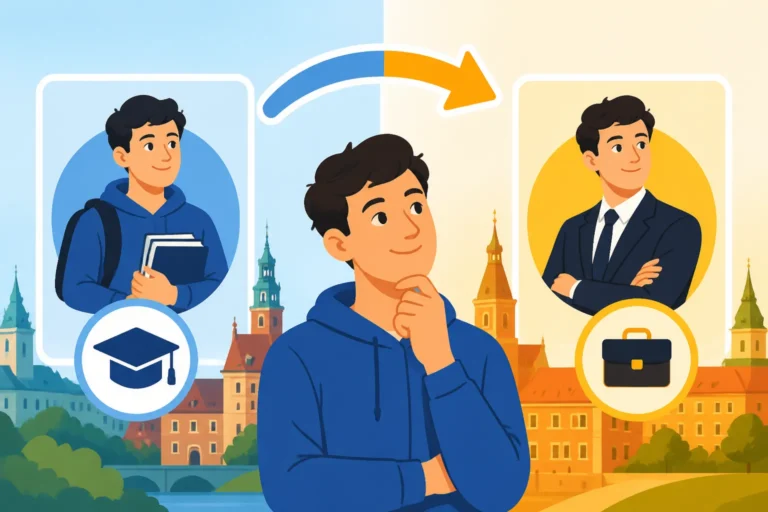
The D-Visa is specifically for individuals whose primary intention is to reside in Poland for an extended time. This could be for work, study, family reunification, or even establishing a business. It’s not just a travel document; it's a statement of your intent to be a temporary resident.
Typically, a National Visa is issued for a period of up to one year. This maximum validity is important to remember because while it grants you entry and the right to stay for that period, it's often seen as a bridge. For many, the ultimate goal is to transition from this initial D-Visa to a more stable Temporary Residence Permit (Karta Pobytu) in Poland. The D-Visa gives you that crucial first year to get settled, understand the local bureaucracy, and then apply for a longer-term permit from within Poland. This makes the whole process smoother than having to leave the country and reapply.
Who Needs a D-Visa?
If you’re a citizen of a non-EU/EEA country and Switzerland, you will almost certainly need a National (Type D) Visa to live and work in Poland for longer than three months. This applies to a huge range of scenarios:
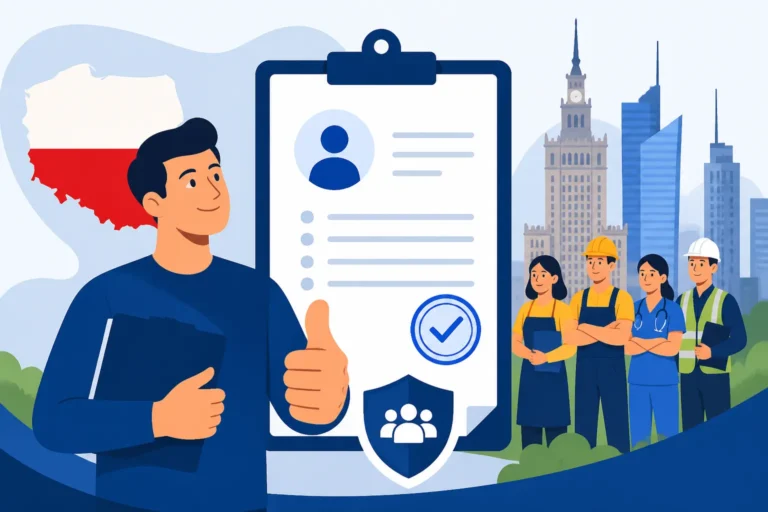
- Work: You’ve landed a job offer with a Polish company and need to start employment. This is one of the most common reasons. You'll likely also need a How to Get a Work Permit (Zezwolenie na Pracę) in Poland or an equivalent.
- Study: You've been accepted into a Polish university or educational institution for a program lasting more than 90 days. Understanding Residence Permits for Students in Poland is crucial here.
- Family Reunification: You’re joining a spouse, parent, or child who is already legally residing in Poland. This falls under the wider umbrella of How to Apply for Family Reunification in Poland.
- Other Purposes: This could include scientific research, cultural exchange programs, or even certain types of volunteer work that require a longer stay. Each purpose will have its own specific set of requirements, but the D-Visa is the foundational document.
It's a common misconception that if you have a job offer, you automatically don't need a visa. Not true! The job offer and subsequent work permit are just reasons for applying for the D-Visa. The visa itself is still required for legal entry and stay if you're from a non-EU country. Always check the specific requirements for your nationality, as visa regulations can change.
Essential Documents and Eligibility Criteria
Okay, now that you know what it is and who needs it, let's talk about the dreaded paperwork. This is where most expats experience their first significant dose of Polish bureaucracy, and believe me, it can be frustrating. The key is meticulous preparation. Every single document must be correct, up-to-date, and presented exactly as requested. Don't underestimate the power of a single missing signature or an uncertified copy to derail your entire application.
The Standard Application Package
No matter your reason for coming to Poland, there’s a core set of documents that almost every D-Visa applicant will need to provide. Think of this as your foundational stack, to which you'll add purpose-specific papers later.
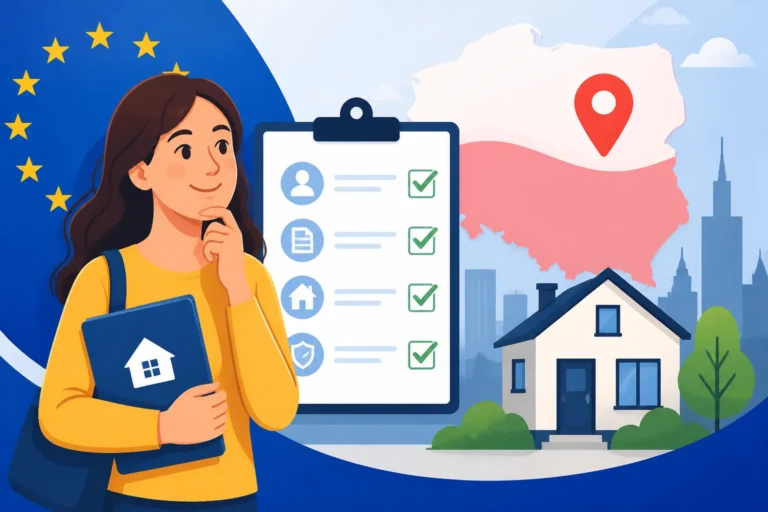
Here’s a general checklist:
- Valid Passport: This is non-negotiable. It must be valid for at least three months beyond your intended stay in Poland, have at least two blank pages, and have been issued within the last 10 years. Don't forget copies of all relevant pages!
- Completed and Signed Visa Application Form: This form is usually available online through the E-Konsulat system or at the embassy/consulate. Fill it out accurately and completely. Any discrepancies can cause issues.
- Biometric Photograph: One or two recent (taken within the last 6 months) passport-sized photos, meeting strict Schengen standards (white background, no shadows, neutral expression, etc.). It’s often best to get these done by a professional who is familiar with visa photo requirements.
- Travel Medical Insurance: This is absolutely critical. You need proof of travel medical insurance that covers the entire period of your intended stay in the Schengen area, with a minimum coverage of €30,000 for medical emergencies, hospitalization, and repatriation. This insurance must be valid in all Schengen states. For many, securing this often means looking at international providers. Cigna Global, for example, is a well-known option that offers comprehensive plans suitable for expat needs and visa applications, ensuring you meet the stringent coverage requirements. Don't skimp on this; it's there for your protection and a non-negotiable part of the application. For more detailed information, consult What Health Insurance Do I Need for a Polish Residence Permit?.
- Proof of Accommodation: This can be a rental agreement, a confirmation from your employer or university that they're providing housing, or even an invitation letter from family where you'll be staying, accompanied by proof of their address. The visa office needs to know you won't be sleeping on a park bench.
- Proof of Sufficient Funds: You need to demonstrate you can support yourself financially during your stay without becoming a burden on the Polish state. This can be bank statements for the last three to six months, a sponsorship letter, or proof of scholarship/salary. The specific amount required can vary, so always check the latest regulations on the consular website.
- Visa Fee: There is a non-refundable fee for processing the visa. The exact amount can vary depending on your nationality and the current exchange rates, so check the consulate's website.
- Copies of Previous Visas/Stamps: If you've travelled to the Schengen area or other countries before, provide copies.
Important Note on Translations and Notarizations: Many documents originating outside Poland will need to be translated into Polish by a certified sworn translator (tłumacz przysięgły). It's crucial to use a sworn translator as regular translations often aren't accepted. Some documents might also need to be apostilled or legalized in your home country. Always verify these requirements with the specific Polish consulate or embassy you’ll be applying through, as they can sometimes differ slightly.
Proof of Purpose: Work, Study, and Family Sponsorship
Beyond the standard documents, you’ll need to provide solid evidence for why you need a D-Visa. This is where your application gets tailored to your specific situation.
For Work Visas:
If you're coming to Poland for employment, your application needs to clearly show that you have a job waiting for you. This typically includes:
- Original Work Permit (Zezwolenie na Pracę) or an equivalent document: This is usually obtained by your employer in Poland before you apply for your visa. It's proof that a Polish authority has approved your employment. Without this, your visa application for work purposes is dead in the water.
- Employment Contract: A signed copy of your contract with the Polish company, detailing your role, salary, and employment terms.
- Invitation Letter from Employer: A formal letter confirming your employment, position, and duration of work.
For Student Visas:
Students have their own specific set of requirements to prove their educational intent:
- Acceptance Letter from a Polish University or Educational Institution: This must be an official letter confirming your enrolment in a full-time study program.
- Proof of Tuition Fee Payment: Evidence that you have paid or can pay your tuition fees.
- Proof of Scholarship or Funding: If you have a scholarship, provide documentation.
- Academic Transcripts and Diplomas: Copies of your educational qualifications.
For Family Reunification Visas:
If you're joining family in Poland, you’ll need to prove your relationship and your family member's legal status:
- Marriage Certificate or Birth Certificate(s): To prove your familial relationship with the person you are joining.
- Proof of Legal Residence of the Family Member in Poland: Your family member's Polish residence permit (Karta Pobytu) or other legal status documents.
- Invitation Letter from the Family Member: A formal letter stating they are inviting you to live with them and will provide accommodation and support.
- Proof of Funds of the Family Member: The inviting family member might need to show they have sufficient funds to support you, particularly if you won't be working.
It's a lot, I know. Each category has its nuances, and the consulates are very particular. Don't be afraid to reach out to the specific Polish embassy or consulate you'll be applying to for their exact, up-to-date checklist.
Financial Stability and Health Coverage
I touched on these briefly, but they deserve a bit more attention because they are absolute deal-breakers if not correctly handled. Poland, like any country, wants to ensure that you won't become a public charge.
Financial Stability:
The amount you need to show varies, but typically, you must prove you have enough funds to cover your living expenses for your entire stay or for at least the first few months, along with funds for your return journey. For students, this often includes tuition fees. For example, some consulates might require you to show roughly PLN 776 per month (as of recent checks) plus the cost of your return ticket. This isn't a fixed rule, so always verify the precise figures with the relevant Polish authority. Presenting bank statements from the last three to six months is usually sufficient, but sometimes a letter from your bank confirming your balance and account activity is preferred. If someone else is sponsoring you, they will need to provide their bank statements and a formal, notarized sponsorship letter.
Health Coverage:
As mentioned, comprehensive medical travel insurance is a must for the visa application itself. This is not the same as registering with the Polish National Health Fund (NFZ). Once you arrive and (if applicable) start working, your employer will register you for social security (ZUS), which includes health insurance contributions to the NFZ. If you're self-employed, you'll manage your own ZUS contributions. Until that NFZ coverage kicks in, or if you're not eligible for NFZ, having robust private health insurance like those offered by Cigna Global is not just a visa requirement, but a smart personal choice. Healthcare in any new country can be daunting, and having good coverage removes a huge layer of stress. You can dive deeper into this topic in articles like Health Insurance in Poland: Mandatory, Private and Subscription Options Explained.
Navigating the D-Visa Application Process
Alright, you've gathered your formidable stack of documents. Now comes the actual application. This is where patience is not just a virtue, but a necessity. The process can feel opaque and slow, especially if you're used to more digitally streamlined systems. But trust me, once you understand the steps, it becomes much more manageable.
The Initial Steps: Forms, Appointments, and Fees
Most Polish D-Visa applications begin online. You’ll typically use the Polish Ministry of Foreign Affairs' e-Konsulat system to fill out your application form.
- Fill out the E-Konsulat Form: Go to the official e-Konsulat website. Select your country of residence and the type of visa (National – Type D). Carefully fill in all your personal details, travel plans, and purpose of stay. Double-check every field for accuracy. Print the completed form, as it will need to be signed and submitted with your other documents.
- Book an Appointment: After filling out the form, the system usually allows you to book an appointment at the Polish embassy or consulate closest to you. These appointments can sometimes be scarce, so book as soon as you're reasonably sure you have all your documents ready. Don't show up without an appointment; you'll be turned away. For specific advice on booking, you might find tips in resources like How to Book an Appointment at the Urząd Wojewódzki for Immigration, even though it refers to a different office, the principles of booking are similar.
- Pay the Visa Fee: The visa fee is usually paid at the consulate during your appointment, though some may require advance payment. Have the exact amount in local currency (or as specified by the consulate) ready. Remember, it's non-refundable, even if your application is rejected.
It's common to find that appointment slots are booked solid for weeks or even months in advance, particularly in countries with high demand. This is one of those frustrating realities of the process. My advice? Start the e-Konsulat form and look for appointments as soon as possible, even if you're still working on getting some documents. It gives you a timeline to work towards.
Consular Interview and Biometrics Collection
Your appointment at the consulate isn't just a document drop-off. It’s a formal meeting, and often includes an interview and the collection of your biometric data.
- The Interview: A consular officer will review your application and documents and may ask you questions about your purpose of travel, your financial situation, your ties to your home country, and your plans in Poland. Be honest, direct, and confident. They want to ensure your intentions are legitimate and that you meet all the criteria. Don't be alarmed if the questions seem probing; it's standard procedure to prevent visa fraud.
- Biometrics: You'll have your fingerprints taken (usually all ten fingers) and a digital photograph. This data is stored in the Visa Information System (VIS) and is a standard part of visa applications for most countries today. If you've previously applied for a Schengen visa and had biometrics taken within the last 59 months, you might be exempt from providing them again, but it's always best to assume you'll need to.
Be punctual for your appointment, dress smartly, and bring all your original documents, plus copies (including translations and notarizations). Having everything organized in folders will not only impress the consular officer but also make your life a lot easier.
Processing Times and What to Expect
Once you've submitted everything and completed your interview, it's a waiting game. The processing time for a National (Type D) Visa can vary significantly depending on the consulate, the time of year (peak seasons are often slower), and the complexity of your case.
- Typical Waiting Period: Generally, you can expect to wait anywhere from 2 to 15 working days for a decision. However, this is an optimistic estimate. In some consulates, especially those with high volumes or for more complex cases, it can stretch to several weeks or even a couple of months.
- Tracking Your Application: Some consulates offer an online tracking system, but not all. You might just have to wait for them to contact you.
- What Happens Next: If approved, you’ll be notified to pick up your passport with the shiny new D-Visa sticker inside. If rejected, you'll receive a refusal letter stating the reasons. Don't despair if this happens; you usually have the right to appeal the decision. It's often due to a missing document or insufficient proof rather than an outright rejection of your eligibility.
The uncertainty of the waiting period can be incredibly stressful, especially when you have flights booked or job start dates looming. My advice is to apply well in advance of your intended travel date, keeping a buffer for potential delays or appeals. It’s far better to have your visa sorted early than to be scrambling at the last minute.
Living in Poland with a National Visa: Rights and Responsibilities
Congratulations, you've got your D-Visa! That feeling of relief is immense, but the journey isn't over. Now you're in Poland, and there are new rules and possibilities to understand. This visa grants you certain freedoms, but also comes with responsibilities and an understanding of the next steps in securing your long-term legal status.
Travel and Mobility within the Schengen Area
One of the great perks of a Polish National Visa is that it’s not just for Poland. Because Poland is part of the Schengen Area, your D-Visa allows you to travel to other Schengen countries for short periods, specifically up to 90 days within any 180-day period.
- Exploring Europe: This means you can take weekend trips to Berlin, enjoy a holiday in Italy, or visit friends in France without needing additional visas for those countries. It's a fantastic benefit for expats who want to explore Europe while living in Poland.
- Primary Residence: However, it's crucial to remember that Poland is your primary destination and the country that issued your visa. The Schengen travel privilege is for short stays in other member states. You cannot use your Polish D-Visa to try and reside in another Schengen country for an extended period. The authorities are quite clear on the distinction, and misuse can lead to serious complications, including visa revocation or future entry bans. For a deeper dive into these rules, check out Understanding Schengen Rules and the 90/180 Limit for Poland.
Working, Studying, and Other Activities
Your D-Visa's purpose dictates what you're legally allowed to do in Poland.
- Working: If your D-Visa was issued for work purposes, it's tied to your work permit and specific employer. You are generally allowed to work only for the employer and in the position specified in your work permit. Changing jobs or employers often requires a new work permit and, potentially, an update to your visa or residence permit. Don't just switch jobs without checking; it could jeopardize your legal status.
- Studying: If you're on a student D-Visa, your primary activity must be studying. There are often restrictions on how many hours you can work part-time, if at all, depending on your nationality and the specifics of your visa. Always verify the current rules.
- Family Reunification: If you're here to join family, your rights regarding work or study might be different. Some family reunification visas allow immediate work, while others might require additional permits.
It’s vital to adhere to the conditions of your visa. Violating these conditions – for example, working without authorization on a student visa – can lead to fines, deportation, and make it incredibly difficult to get future visas for Poland or other Schengen countries. When moving, remember to plan for more than just the visa. Companies like Sirelo can assist with the logistics of international relocation, ensuring your belongings arrive smoothly so you can focus on getting settled and understanding these new responsibilities.
The Path from D-Visa to Temporary Residence
For most non-EU citizens, the National (Type D) Visa is merely the first step towards a longer stay. Since it's typically valid for a maximum of one year, you’ll likely need to apply for a Temporary Residence Permit (Karta Pobytu) if you wish to remain in Poland beyond that initial year.
- Applying from Within Poland: The great advantage of the D-Visa is that it allows you to apply for your Karta Pobytu from within Poland, usually at the local Urząd Wojewódzki (Voivodeship Office). This saves you the hassle and expense of returning to your home country to apply for another visa.
- Why a Karta Pobytu? The Karta Pobytu offers more long-term stability. It can be issued for up to three years (depending on your situation) and is designed to reflect your ongoing legal basis for residing in Poland (e.g., continuous employment, study, family ties). It also grants you a physical residence card, which is a significant identification document in Poland.
- When to Apply: You should apply for your Karta Pobytu well before your D-Visa expires. The processing times for residence permits can be notoriously long (we’re talking months, sometimes even over a year!), so it’s crucial to submit your application early. Once you’ve submitted a complete and correct application, you’ll usually receive a stamp in your passport that allows you to legally stay in Poland while your application is being processed, even if your D-Visa expires in the meantime. Check out our comprehensive guide on How to Get a Temporary Residence Permit (Karta Pobytu) in Poland for all the details.
- PESEL Number: As you transition to longer-term residence, you’ll also likely need to get your PESEL number. This national identification number is vital for everything from healthcare to banking and is often obtained as part of your residence permit process. Read more about How to Get Your PESEL Number and Why It Matters for Healthcare.
This transition is a significant administrative hurdle, but by being proactive and understanding the requirements, you can navigate it successfully.
Overcoming Common Hurdles and Seeking Support
Let's face it, bureaucracy is rarely smooth sailing, especially in a new country and a foreign language. The Polish visa and residence permit system can throw some curveballs. But don't despair! Many expats have been through it, and there are ways to manage the common frustrations.
Addressing Application Refusals or Delays
It’s disheartening to receive a refusal or to face interminable delays. Here’s how to approach it:
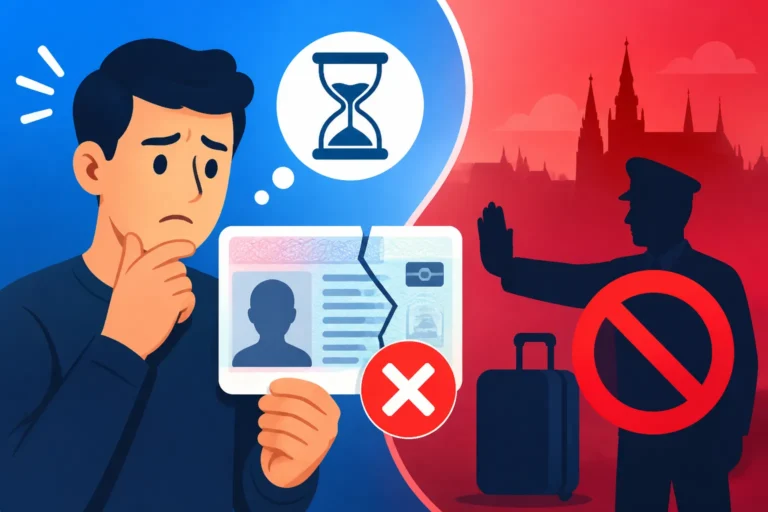
- Refusals: If your D-Visa application is refused, the consular office must provide you with a written explanation for the refusal. Carefully read this letter. Often, refusals are due to:
- Missing or Incorrect Documents: A crucial document was omitted, expired, or not translated/notarized correctly.
- Insufficient Proof of Funds: You didn't convince them you could support yourself.
- Unclear Purpose of Stay: Your intentions for being in Poland weren't sufficiently clear or convincing.
- Doubts about Return: For some visa types, they might suspect you won't return to your home country.
You usually have the right to appeal the decision within a specific timeframe (often 7-14 days). The appeal process involves submitting a letter explaining why you believe the decision should be overturned, usually with additional supporting documents to address the reasons for refusal. Sometimes, it’s best to get legal advice from an immigration lawyer at this stage.
- Delays: These are incredibly common. Sometimes, it's just the volume of applications. Other times, the consulate might be waiting for additional information or verification. If your application is significantly delayed beyond the stated processing times, you can try to:
- Contact the Consulate: Send a polite email or try to call. Be prepared for slow responses or generic answers, but it’s worth a try.
- Check Online Systems: If there's a tracking system, check it regularly.
- Seek Employer/University Support: If you're coming for work or study, your employer or university’s international office might have experience dealing with delays and could have a contact or a way to inquire.
Patience, a polite but persistent attitude, and meticulous record-keeping of all communication are your best allies.
Tips for Gathering Documents and Preparing for Interviews
Preparation is everything. It minimizes stress and maximizes your chances of success.
- Start Early, REALLY Early: I can't stress this enough. Documents from your home country, especially official ones, can take time to obtain, apostille, and translate. Give yourself months, not weeks.
- Create a Master Checklist: Get the exact, up-to-date checklist from the specific consulate you're applying to and tick off every single item. Then make your own checklist with sub-items (e.g., "Passport: copy, original, 3 months validity").
- Organize Everything: Use folders, dividers, and paper clips. Label everything clearly. Presenting a messy, unorganized stack of papers is a bad first impression.
- Copies, Copies, Copies: Always bring originals AND copies of everything. Some consulates might keep copies, or just want to see the original and take the copy.
- Practice Your Interview: Think about potential questions (Why Poland? What are your plans? How will you support yourself? What if your job falls through?) and formulate concise, honest answers. Don't memorize a script, but be clear in your head.
- Be Truthful: Never provide false information or fake documents. The consequences are severe.
- Understand Your Purpose: Be crystal clear about why you are applying for a D-Visa. If you're working, know your job description. If you're studying, know your course details.
Finding Reliable Information and Assistance
The world of visas and immigration can feel like a minefield, with conflicting information everywhere.
- Official Sources First: Always prioritize information from official sources: the website of the Polish Ministry of Foreign Affairs, the Polish embassy or consulate in your home country, or the Urząd Wojewódzki in Poland.
- Expat Forums and Groups: These can be invaluable for practical tips and shared experiences. Search for expat groups on social media (Facebook is popular) for your specific city or country in Poland. Just remember to verify any advice with official sources, as rules can change.
- Immigration Lawyers/Consultants: For complex cases, or if you simply feel overwhelmed, consider hiring a Polish immigration lawyer or a reputable immigration consultant. They can guide you through the process, ensure all documents are correct, and even communicate with the authorities on your behalf. While an investment, it can save you immense stress and potential delays.
- Your Employer/University: If you're coming for work or study, leverage the resources of your employer or university. Many companies have HR or relocation departments that assist with visa applications. Universities often have international student offices. These are usually the first lines of support that understand the specifics of your situation.
Navigating the Polish D-Visa application is a marathon, not a sprint. It requires patience, meticulous planning, and a good understanding of the bureaucracy. But with the right preparation and attitude, you’ll get through it and be ready to embrace your new life in Poland. Whether it’s finding an English-Speaking Doctor in Poland or simply knowing how to renew your permit, a well-prepared start makes all the difference.
Disclaimer
This article is for general informational purposes only and does not constitute professional advice. Laws, prices and regulations vary by location and change over time. Consult a qualified professional for guidance on your specific situation.