How to Get a Temporary Residence Permit (Karta Pobytu) in Poland (2027)
Navigating the labyrinthine corridors of Polish immigration offices can feel like a quest straight out of a fantasy novel, often fraught with confusing forms, long waits, and the ever-present language barrier. If you're an expat or a tourist looking to make Poland your more permanent home, understanding the Temporary Residence Permit, affectionately known as the Karta Pobytu, is absolutely essential. This comprehensive guide is here to demystify the entire process, from eligibility to approval, helping you gather your documents, tackle the bureaucracy, and ultimately secure your place in this beautiful country.
Understanding the Karta Pobytu: Your Polish Temporary Residence Permit
Moving to a new country, especially one with a distinct administrative system like Poland, comes with its fair share of acronyms and jargon. One of the most important terms you'll quickly become familiar with is the Karta Pobytu. Don't let the official-sounding name intimidate you; it's simply your gateway to a longer, more settled life here.
What Exactly is a Karta Pobytu?
At its core, a Karta Pobytu (Residence Card) is a document issued by the Polish authorities that confirms your legal right to reside in Poland for a specified period, typically ranging from one to three years. Think of it as your official ID card as a non-Polish resident, providing proof of your temporary residence status. It’s not just a fancy card; it's your key to accessing various public services, from healthcare to banking, and allows you to travel freely within the Schengen Area without requiring additional visas.
For many expats, especially those from outside the European Union, the Karta Pobytu is the most common and vital document needed to establish a life here beyond a short-term visa. It’s the official recognition that you have a legitimate reason to be in Poland – be it for work, study, family reunification, or running a business. Without it, your ability to integrate and function in day-to-day life is severely limited, often leaving you feeling like you're perpetually on the outside looking in. This little plastic card, embossed with your photo and personal details, becomes a tangible symbol of your new journey in Poland.
Who Needs a Temporary Residence Permit in Poland?
Generally speaking, if you are a non-EU/EEA/Switzerland citizen and you intend to stay in Poland for longer than 90 days within any 180-day period, you will need a Temporary Residence Permit. This applies to a wide range of individuals with various purposes for their stay:
- Workers: If you’ve landed a job with a Polish employer, you’ll almost certainly need a Karta Pobytu based on employment. This often goes hand-in-hand with a work permit or a "single permit" (jednolite zezwolenie), which combines both the work authorization and residence permit. You can delve deeper into the specifics by reading about How to Get a Work Permit (Zezwolenie na Pracę) in Poland.
- Students: International students enrolling in Polish universities for long-term programs (like bachelor's, master's, or PhDs) are prime candidates for a student residence permit. It’s a crucial step after getting accepted to your dream university. If you're planning to come to Poland for your studies, you’ll definitely want to check out The Complete Guide to Studying at a Polish University (2027).
- Family Members: If your spouse, parent, or child is already legally residing in Poland, you might be eligible for a Karta Pobytu based on family reunification. This pathway is designed to keep families together, but it does come with its own set of specific requirements regarding the sponsor’s status and financial means. A comprehensive overview can be found in Family Reunification in Poland: A Complete Guide for Expats.
- Business Owners/Self-Employed: If you're setting up a business (like a Jednoosobowa Działalność Gospodarcza or JDG) or engaging in other forms of economic activity in Poland, a temporary residence permit based on business activity is your route.
- Other Circumstances: There are also permits for scientific research, internships, volunteering, and even for those who are victims of human trafficking or seeking protection. The reasons are varied, but the core requirement remains: if you're staying long-term and you're not an EU citizen, you need this card.
It's important to note that EU/EEA/Switzerland citizens technically don't need a Karta Pobytu in the same way. They have the right to free movement and can reside in Poland for more than three months without a permit, although they might need to register their stay if they plan to remain longer. This guide, however, is primarily for our non-EU friends who truly need to navigate this process.
Key Differences from Permanent Residence or EU Long-Term Status
While all these permits allow you to live in Poland, they are not created equal. It's vital to understand the hierarchy and the distinct implications of each status. The Karta Pobytu we're discussing here is specifically for temporary residence (Pobyt Czasowy).
- Temporary Residence Permit (Karta Pobytu / Pobyt Czasowy): This is for a limited duration, typically 1-3 years. It's tied to a specific purpose (work, study, family) and needs to be renewed if your circumstances continue or if you wish to remain in Poland. It essentially says, "You're allowed to be here for now, for this reason."
- Permanent Residence Permit (Pobyt Stały): This is a much more stable status, usually granted after a period of continuous temporary residence (often five years) and fulfilling other criteria, such as stable income, Polish language proficiency, and proof of integration. It has indefinite validity and signifies a much stronger connection to Poland. The path to this is an entirely different journey, which you can read about in Permanent Residence in Poland: The Complete Pathway (2027).
- EU Long-Term Resident Status (Rezydent Długoterminowy UE): This is similar to permanent residence but grants you slightly more flexibility within the broader European Union. It also typically requires five years of legal and continuous residence in Poland and proof of resources and language.
The key takeaway is that a Karta Pobytu is the first major step for many non-EU citizens on their journey to making Poland their long-term home. It's a stepping stone, not the final destination, but it provides crucial stability and access during your initial years.
Eligibility for a Temporary Residence Permit: Do You Qualify?
Before you even think about filling out forms, you need to understand if you genuinely meet the criteria for a Temporary Residence Permit. The Polish authorities aren't just handing these out; they want to see a clear, legitimate reason for your extended stay, along with assurances that you won't become a burden on the state.
Common Grounds for Application: Work, Study, Family, Business
The grounds for applying for a Karta Pobytu are quite specific, and your application will hinge on clearly demonstrating one of these established reasons:
- Employment: This is perhaps the most common reason for expats. If you have a job offer or an existing employment contract with a Polish company, you can apply for a permit based on work. This typically involves your employer initiating the process for a work permit first, or applying for the "single permit" (zezwolenie na pobyt czasowy i pracę). Your job has to be legitimate, and your salary must meet certain thresholds, often tied to the regional average or minimum wage, to prove you can support yourself. Remember, your employer plays a huge role here, so make sure they are on board and understand their responsibilities. If you’re trying to land a job, then The Expat Guide to Finding a Job in Poland (2027) is an excellent resource.
- Study: Poland has become an increasingly popular destination for international students. If you’ve been accepted into a full-time study program at a recognized Polish educational institution, you can apply for a student residence permit. You'll need proof of enrollment, confirmation of tuition payment, and, importantly, proof that you have sufficient funds to cover your living expenses and return journey.
- Family Reunification: If you're joining a family member who is already a legal resident or citizen of Poland, this is your path. This covers spouses, minor children, and sometimes dependent parents. The key here is proving the relationship (marriage certificates, birth certificates) and that your family member can financially support you and provide accommodation. The process can be quite detailed, and all documents must be meticulously prepared and translated.
- Business Activity: For entrepreneurs and self-employed individuals, a permit based on business activity (such as running a Jednoosobowa Działalność Gospodarcza or Sp. z o.o.) is available. This usually requires demonstrating the viability of your business, having a business plan, sufficient funds for investment, and proving that your business generates income that can support you. Sometimes, there are requirements to show that your business contributes to the Polish economy, perhaps by employing Polish citizens or achieving a certain level of revenue.
It’s absolutely crucial that you fit into one of these categories and can provide strong, verifiable evidence to support your claim. Don't try to stretch the truth or invent a reason; the immigration officers are very thorough.
Proving Your Financial Stability and Accommodation
Regardless of your primary reason for applying, two universal requirements stand out: demonstrating financial stability and securing legal accommodation. The Polish authorities want assurance that you won't become a public charge and that you have a stable place to live.
- Financial Stability: This means proving you have enough money to support yourself (and any dependents you're bringing) without relying on state benefits. The exact amount can vary and is subject to change, so it's vital to check the most current official figures. For example, as of recent guidelines, a single person might need to demonstrate having around PLN 776 per month for themselves, plus additional amounts for each dependent, after covering accommodation costs. You'll typically prove this with bank statements, proof of income (employment contract, salary slips), scholarships, or sponsorship letters. For family reunification, the sponsor's income will be scrutinized.
- Accommodation: You need to show you have a place to live. This can be a rental agreement (umowa najmu), a deed of ownership if you've bought property, or a declaration from a family member stating they will provide you with accommodation. The rental agreement needs to be a proper legal document, often registered, and it's always a good idea to have it translated into Polish if the original is in another language. A common document requested is a 'Proof of Address' or Zameldowanie, but often the rental contract is enough at the initial stage. Check out How to Sign a Rental Contract (Umowa Najmu) in Poland for more details on securing your housing.
Remember, this isn't just a formality. The immigration office will rigorously check these aspects, and any doubts could lead to delays or even rejection.
The Importance of Legal Stay and Purpose
One foundational principle of applying for a Karta Pobytu is that you must maintain a legal stay in Poland throughout the application process. This means you must have entered Poland legally and not overstayed any previous visas or permitted stays. If your current visa or visa-free period is about to expire, you must submit your Karta Pobytu application before it runs out. Submitting an application while still legally in Poland generally grants you an extended legal stay until a decision is made, even if your initial visa expires. However, if you apply after your legal stay has ended, your application will likely be rejected on procedural grounds.
Furthermore, your stated purpose for residence must be genuine and consistent. For instance, if you apply based on work, you should indeed be working. If you apply as a student, you should be actively pursuing your studies. Any inconsistencies or changes in your situation that are not promptly reported to the Urząd Wojewódzki (Voivodeship Office) could jeopardize your application or lead to its revocation later. The authorities are looking for genuine residents, not those seeking to exploit the system. This also ties into the need for having proper health insurance, as you'll often need to prove you have it for the duration of your intended stay. Cigna Global is one of the many reputable providers that offer expat health insurance plans suitable for Poland, which can be a real lifesaver when navigating the public healthcare system. Having comprehensive health coverage not only fulfills a permit requirement but also gives you peace of mind.
The Application Process: Step-by-Step Navigation Through the Bureaucracy
Alright, you've checked your eligibility, gathered your courage, and you're ready to dive into the administrative deep end. Applying for a Karta Pobytu is less of a sprint and more of a marathon, involving meticulous preparation and a good deal of patience.
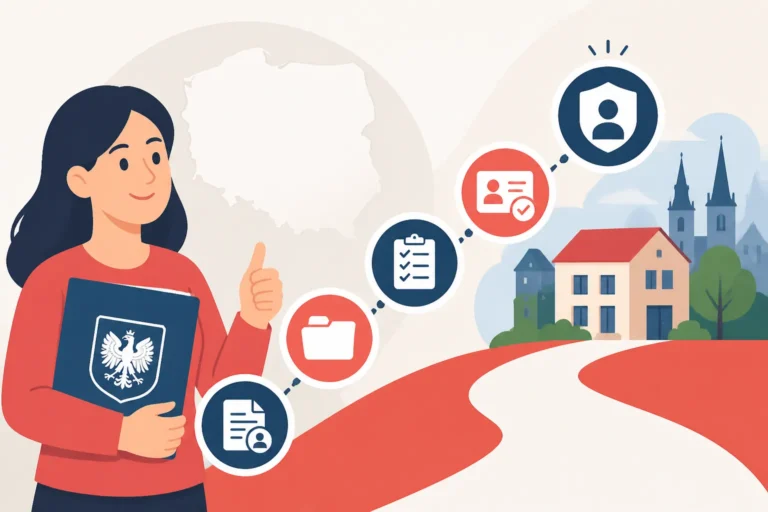
Gathering Your Mountain of Documents: The Checklist
This is where the real work begins. The sheer volume of required documents can feel overwhelming, but a systematic approach is your best friend. The exact list will depend on your reason for applying (work, study, family, etc.), but there's a common core.
General Documents (always required):
- Application Form: Usually two copies of a completed application form (Wniosek o udzielenie zezwolenia na pobyt czasowy), available from the Urząd Wojewódzki website or in person. Fill this out meticulously, ideally in Polish or with the help of a Polish speaker.
- Passport Photos: Four up-to-date biometric passport-style photos, usually 3.5×4.5 cm, meeting specific criteria (white background, looking straight ahead, no head coverings unless for religious reasons).
- Valid Travel Document: Your passport or other recognized travel document. You'll need original for inspection and photocopies of all pages with stamps or visas.
- Proof of Fees Paid: Confirmation of payment for the application fee and the card issuance fee. This is usually paid to a specific bank account of the Urząd Wojewódzki.
- Proof of Health Insurance: Documentation proving you have health insurance coverage in Poland. This can be confirmation of NFZ (National Health Fund) coverage if you're employed, or a private health insurance policy. Make sure your private insurance (like Cigna Global) explicitly covers the costs of treatment in Poland and is valid for the duration of your requested permit. What Health Insurance Do I Need for a Polish Residence Permit? will clarify this further.
- Proof of Financial Means: Bank statements, employment contracts, scholarship letters, etc., showing you have sufficient funds to live in Poland.
- Proof of Accommodation: A rental agreement (umowa najmu), confirmation of hotel booking (for initial stages), or an official letter from the property owner.
Specific Documents (depending on your purpose):
- For Work:
- Work Permit (Zezwolenie na pracę) or an employer's declaration of intent to hire (Oświadczenie o powierzeniu wykonywania pracy cudzoziemcowi), if applicable.
- Employment contract (Umowa o pracę or Umowa zlecenie).
- Proof of ZUS contributions (social security) paid by your employer.
- Information from the Starosta (local employment office) about the labor market test (if required), which basically states that no Polish citizen could be found for your position.
- For Study:
- Certificate of enrollment from your university.
- Proof of tuition fee payment.
- Confirmation of scholarship (if applicable).
- For Family Reunification:
- Marriage certificate (for spouses), birth certificate (for children). These must be official, sometimes apostilled and always translated.
- Proof of residence and financial means of the family member already in Poland.
This is not an exhaustive list, and it's absolutely critical to check the specific requirements on your local Urząd Wojewódzki website, as they can vary slightly between regions and are updated frequently. My advice? Print out the checklist from their site and tick off every single item. Double-check everything.
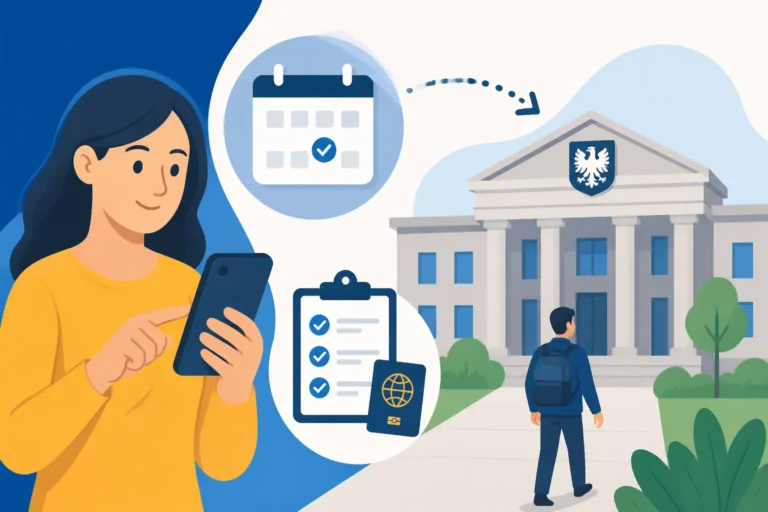
Booking That Elusive Appointment at the Urząd Wojewódzki
Once your documents are meticulously compiled, the next hurdle is often the most frustrating: booking an appointment at the Urząd Wojewódzki. These offices, particularly in larger cities like Warsaw, Krakow, or Wroclaw, are notorious for their limited appointment slots and high demand.
- Online Systems: Most Urząd Wojewódzki branches use an online booking system (e.g., e-rezerwacja or system kolejkowy) to schedule appointments for submitting Karta Pobytu applications. These slots often disappear within minutes of being released. My top tip: check the booking portal religiously. Some offices release new slots weekly, others daily at a specific time (e.g., midnight or 8 AM). Be prepared to be logged in and refreshing the page right when new slots become available.
- Phone or Email: Less common now, but some offices might still allow booking by phone or email for specific cases. This is usually listed on their website if available.
- In-Person (Rare): In some smaller towns or for specific urgent situations, you might be able to submit documents without a pre-booked appointment, but this is increasingly rare and usually involves very long queues. It’s always safer to book online.
The struggle to get an appointment is a very real source of stress for many expats. I remember spending weeks refreshing the page, feeling a mix of desperation and mild obsession. Don't give up! Many people eventually get one, but it requires persistence. You might also find it useful to read How to Book an Appointment at the Urząd Wojewódzki for Immigration.
The Biometrics and Interview: What to Expect on D-Day
Once you've finally secured and attended your appointment, the process moves forward. This initial visit is where you officially submit all your documents, pay the application fee, and often undergo biometrics collection.
- Document Submission: A clerk will review your documents. Be prepared for them to ask for clarification or point out missing items. If anything is missing, you'll usually be given a deadline (e.g., 7 or 14 days) to submit the additional paperwork. It's a good idea to have all originals with you, even if you're only submitting photocopies, as they might need to verify them on the spot.
- Biometrics Collection: This typically involves having your fingerprints scanned and your photo taken (even if you provided your own, they often take one for their system). This data is then linked to your application and will eventually appear on your Karta Pobytu.
- The Interview: While not every applicant undergoes a formal interview, it’s a possibility, especially for more complex cases or if the officer has questions. The interview usually covers the details of your application, your reasons for staying in Poland, your plans, and your knowledge of Polish laws and society. It might be conducted in Polish, or in English if the officer is able. If you don't speak Polish, and no English-speaking officer is available, you may be asked to bring a sworn translator. This is usually a less intimidating conversation than it sounds, mostly to clarify information.
- Stamping Your Passport: Crucially, if your application is formally accepted and complete, the officer will usually place a stamp in your passport. This stamp, often on the last page, confirms that you have a pending Karta Pobytu application and that your stay in Poland is legal while your application is being processed. This is hugely important because it means you can legally remain in Poland even if your current visa or visa-free period expires. Do not lose this stamp!
This first appointment is a major milestone. Once it's done, you enter the waiting game, but at least you're legally "in the system."
Key Documents Required for Your Karta Pobytu Application
Let's break down the documents further, as this is often where applicants trip up. Precision and completeness are paramount. Forget something, and you're looking at delays.
General Requirements: Passport, Photos, Application Form
These are your absolute basics, the foundation of every Karta Pobytu application.
- Valid Travel Document: Your passport. You'll need the original for inspection at your appointment, and usually two full sets of photocopies of all pages. Yes, that means even the blank ones. Make sure your passport is valid for at least the entire duration of the permit you're applying for, plus a few extra months. If your passport expires soon, renew it before you apply, as getting a new one mid-process can add a layer of complexity.
- Passport Photos: Four recent (no older than 6 months), biometric photos. They need to be 3.5×4.5 cm, sharp focus, plain white background, facing straight, neutral expression, mouth closed, no strong shadows, and your head should occupy 70-80% of the photo. If you wear glasses, make sure your eyes are clearly visible and there's no glare. For religious head coverings, ensure your face is fully visible. Don't underestimate these requirements; they're strict for a reason.
- Application Form (Wniosek o udzielenie zezwolenia na pobyt czasowy): You'll need two copies, fully completed. These forms can be complex, and mistakes are common. It's highly recommended to fill them out meticulously. If your Polish isn't up to par, seek help from a Polish friend, colleague, or a professional agency. Some fields might seem redundant or confusing, but answer everything to the best of your ability. Leaving fields blank can lead to delays.
- Proof of Stamp Duty/Application Fees: There are usually two fees: one for the application itself and another for the issuance of the Karta Pobytu card once approved. The application fee is typically around PLN 340-440 (depending on the type of permit), and the card issuance fee is PLN 100. These must be paid into the specific bank account of the Urząd Wojewódzki (often listed on their website), and you'll need the confirmation of payment (the original bank transfer confirmation or receipt) as proof.
Specific Documents Based on Your Purpose: Employment, Study, Family
Beyond the general documents, your application will primarily revolve around the evidence supporting your specific reason for seeking residence.
- For Employment-Based Permits:
- Work Permit / Employer Declaration: This is key. Your employer should either secure a work permit (Type A usually) for you, or issue an oświadczenie o powierzeniu wykonywania pracy cudzoziemcowi (declaration of entrusting work to a foreigner) for certain nationalities, or cooperate with you on a "single permit" application. The single permit simplifies things by combining work authorization and residence in one application.
- Employment Contract: The signed contract between you and your Polish employer. This should clearly state your position, salary, working hours, and duration of employment.
- ZUS Contributions: Proof from your employer (or ZUS directly) that social security contributions are being paid on your behalf. This shows you are legally employed and contributing to the system.
- Labor Market Test Results: In many cases, for a non-EU citizen to be employed, the local Starosta (district head) must confirm that there are no suitable Polish or EU candidates for the position. Your employer usually handles this, and you'll need the resulting document.
- PESEL number: While not always strictly required at the initial application stage for Karta Pobytu, having a PESEL number definitely smooths the process for many things, including ZUS contributions. It's Poland's national identification number. It's worth understanding How to Get Your PESEL Number and Why It Matters for Healthcare.
- For Study-Based Permits:
- University Acceptance Letter/Certificate of Enrollment: Official document from your Polish university confirming your admission and enrollment in a full-time study program.
- Proof of Tuition Fee Payment: Receipts or bank statements showing that you have paid your tuition fees (at least for the current semester/year).
- Scholarship Confirmation: If you are on a scholarship, official letters detailing its value and duration.
- Proof of Funds for Living Expenses: Bank statements demonstrating you have sufficient funds to cover your living costs throughout your stay.
- For Family Reunification Permits:
- Relationship Documents: Original marriage certificate, birth certificate, etc. These must be official, often apostilled in your home country, and then translated into Polish by a sworn translator.
- Sponsor's Documents: The Polish resident family member (the "sponsor") will need to provide their Karta Pobytu or Polish ID, proof of their financial stability, and proof of their accommodation in Poland.
- Sponsor's Declaration: A signed declaration from the sponsor confirming their willingness to support and house the applicant.
This table provides a simplified overview of common document categories:
| Document Category | General (All Applicants) | Employment-Based | Study-Based | Family Reunification |
|---|---|---|---|---|
| Application Forms | 2x completed Wniosek |
Included | Included | Included |
| Passport Photos | 4x biometric (3.5×4.5cm) | Included | Included | Included |
| Travel Document | Original + copies (all pages) | Included | Included | Included |
| Application Fees | Proof of payment | Included | Included | Included |
| Health Insurance | Valid policy/NFZ proof | Included | Included | Included |
| Financial Means | Bank statements, income proof | Employment contract, ZUS proof | Scholarship, bank statements | Sponsor's income proof |
| Accommodation | Rental agreement/owner declaration | Included | Included | Sponsor's accommodation |
| Specific Purpose | N/A | Work Permit, Labour Market Test | Enrollment, tuition proof | Marriage/Birth Certificates |
Navigating Translations, Copies, and Certifications
A common pitfall for expats is the nuance of document preparation:
- Sworn Translations: Any document in a foreign language (e.g., birth certificate, marriage certificate, foreign university diploma) must be translated into Polish by a sworn translator (tłumacz przysięgły) officially recognized by the Polish Ministry of Justice. Do not use unofficial translation services or Google Translate; these will be rejected. You can find sworn translators online through the Ministry's list.
- Copies vs. Originals: Always bring originals for verification, even if you are submitting photocopies. Most Urząd Wojewódzki offices require copies of all documents, which they will then stamp as "conformed to the original" after seeing your original. Some crucial documents might need certified copies (e.g., by a notary) in specific cases, but usually, simple photocopies are sufficient if you have the original for them to check.
- Apostille/Legalization: For documents issued in certain countries (especially those not part of the Hague Apostille Convention), you might need to get your documents legalized or apostilled in your home country before coming to Poland. This verifies the authenticity of the document's origin. Check if your country is a signatory to the Apostille Convention.
My personal advice? Start collecting documents early. Contact your university, employer, or family members well in advance. Gather everything, make copies, then get the necessary translations. It's a lengthy process, and delays here can snowball.
Understanding the Processing Times and Potential Delays
The waiting game for a Karta Pobytu decision is perhaps the most challenging part of the entire process. It’s a test of patience, and expectations need to be realistic.
Realistic Expectations: The Long Wait is Real
The legal processing time for a temporary residence permit in Poland is typically 60 days from the date a complete application is formally submitted. However, this is often a theoretical best-case scenario. In reality, especially in larger cities like Warsaw, Krakow, or Gdansk, processing times can be significantly longer – ranging from 3 months to well over a year, and sometimes even longer in exceptional circumstances.
Why the delays?
- High Volume of Applications: Poland has seen a massive increase in foreign residents, leading to an overwhelming workload for immigration offices.
- Staff Shortages: The offices are often understaffed relative to demand.
- Complexity of Cases: Each application is unique, and some require more scrutiny or additional checks with other government bodies.
- Missing Documents: If your application is incomplete, the clock effectively stops until you submit the missing items, adding weeks or months to the process.
I’ve seen friends anxiously check their application status daily for months on end. It’s a frustrating experience, but it’s crucial to understand that it’s the norm, not the exception. The "official" status of your application is usually available online through a tracking system specific to your Urząd Wojewódzki, but updates can be infrequent. You might wonder, How Long Does It Take to Get a Karta Pobytu in Poland? – and the honest answer is: it varies wildly.
What to Do During the Waiting Period: Legal Stay and Status
As mentioned, if you submitted your application while legally present in Poland and it was formally accepted, your passport will have a stamp indicating your ongoing legal stay. This is your lifeline during the waiting period.
- Legal Stay: This stamp allows you to remain in Poland legally until a decision on your permit is made, even if your previous visa or visa-free period has expired. It effectively extends your right to reside.
- Travel Restrictions: While you can stay in Poland, the stamp generally does not allow you to travel outside of Poland and re-enter the Schengen Area. If you leave the Schengen zone (e.g., visit your home country), you usually cannot re-enter Poland without a valid visa or until your Karta Pobytu is issued. If you need to travel urgently, contact the Urząd Wojewódzki to inquire about specific travel documents (like a temporary travel permit), but these are usually granted only in exceptional circumstances.
- Work/Study: If your Karta Pobytu application is based on work or study, you are generally allowed to continue your work or studies while the application is pending, as long as your application was submitted legally and is complete. Your employer should also be aware of this situation.
- Patience and Follow-Up: This is the time for deep breaths. Don't call the office every day; it won't speed things up. However, if you haven't heard anything for a very long time (e.g., 6+ months without any communication), a polite inquiry (preferably in Polish) about the status of your application, citing your case number, might be appropriate.
Dealing with Requests for Additional Documents
It's very common to receive letters (or sometimes emails) from the Urząd Wojewódzki requesting additional documents or clarifications. Do not panic! This is a normal part of the process and doesn't necessarily mean your application is in trouble.
- Be Prompt: Respond to these requests as quickly as possible. The letter will usually specify a deadline (e.g., 7 or 14 days). Missing this deadline can lead to your application being left without consideration or even outright rejected.
- Understand the Request: If the request is in Polish and you don't understand it, get it translated immediately. Misinterpreting what they need is a major issue.
- Submit Exactly What's Asked: Provide precisely what they've requested, and nothing more, unless you believe other relevant documents would help clarify. If you're unsure, it's better to consult with an expert or a Polish speaker.
- Proof of Submission: Always keep a copy of anything you send to the Urząd Wojewódzki and get proof of postage/delivery (e.g., registered mail receipt). If you submit in person, ask for a confirmation stamp.
Think of these requests as an opportunity to strengthen your case and ensure everything is perfect. It's a sign that your application is actively being reviewed.
What Happens After Approval: Receiving Your Karta Pobytu
After enduring the long wait, the day finally arrives when you receive that coveted letter (or email) informing you that your application has been approved! This is a moment of huge relief and accomplishment.
Collecting Your Residence Card: The Moment of Truth
Once your application is approved, you'll receive a decision letter (decyzja). This letter will inform you of the positive outcome and often provide instructions on how to pay the final Karta Pobytu issuance fee (if you haven't already) and how to collect your physical card.
- Payment of Card Fee: The fee for the card itself is usually PLN 100. This must be paid to the Urząd Wojewódzki's bank account, and you'll need the proof of payment when you go to collect the card.
- Booking Collection: In many offices, you'll need to book another appointment specifically for card collection, similar to the initial submission appointment. Again, be prepared for potential queues or limited slots.
- The Physical Card: The Karta Pobytu is a credit-card-sized plastic card containing your personal details, photo, fingerprints (biometric data), and information about your residence status (e.g., "Pobyt Czasowy"). It will also state the validity period. This card is your official proof of residence in Poland and should be carried with you, especially for interactions with authorities or travel.
Finally holding that Karta Pobytu in your hand is a genuinely satisfying moment, a testament to your perseverance through Polish bureaucracy. It's a symbol of your new stability in Poland.
Rights and Obligations as a Temporary Resident
With your Karta Pobytu, you gain certain rights and, naturally, assume certain obligations.
- Rights:
- Legal Residence: You have the legal right to reside in Poland for the period stated on your card.
- Work/Study: If your permit is based on work or study, you have the right to engage in that activity.
- Schengen Travel: You can travel freely within the Schengen Area for up to 90 days in any 180-day period without a separate visa. This is a huge perk!
- Access to Services: You can access public services, open bank accounts (if you haven't already), sign contracts, and generally participate more fully in Polish life.
- PESEL Number: While not strictly tied to the Karta Pobytu, having one makes life much easier. If you don't have a PESEL number, obtaining one should be high on your list after getting your Karta Pobytu.
- Obligations:
- Adhere to Laws: You must respect and abide by Polish laws and regulations.
- Maintain Purpose: You must continue to fulfill the purpose for which your permit was granted (e.g., continue working, studying, or maintaining family ties).
- Report Changes: Crucially, you are legally obligated to report any significant changes to your situation to the Urząd Wojewódzki within 15 days. This includes changes in address, marital status, employer, or if you cease to fulfill the purpose of your permit (e.g., you lose your job, drop out of university). Failure to do so can lead to revocation of your permit.
- Renew on Time: Your Karta Pobytu has an expiry date. You must apply for a renewal well in advance of its expiry.
Renewing or Changing Your Karta Pobytu
Your temporary residence permit isn't permanent, so you'll eventually need to think about renewal or changing your status.
- Renewal: If your circumstances remain the same (e.g., you're still working for the same employer, still studying), you can apply for a renewal of your Karta Pobytu. The process is very similar to the initial application – gathering documents, submitting forms, fees, and waiting. It's vital to apply at least 45 days before your current card expires, but ideally much earlier (2-3 months) to account for potential delays. As with the initial application, submitting before expiry usually grants you legal stay during processing. You can find more detail on How to Renew Your Polish Residence Card.
- Changing Purpose: If your circumstances change significantly (e.g., you switch from a student permit to a work permit, or from a work permit to family reunification), you will likely need to apply for a new Karta Pobytu based on your new purpose. This is generally treated as a fresh application. The process will be similar, but the required documents will align with your new reason for residence.
Plan ahead, keep track of your expiry dates, and be proactive. The Polish administration rewards preparedness.
Common Pitfalls and How to Avoid Them
Even with the best intentions, it's easy to stumble on the administrative hurdles. Being aware of these common pitfalls can save you a lot of grief and time.
Incomplete Applications: The Bureaucratic Black Hole
This is arguably the most common reason for delays and rejections. Submitting an application with missing documents or incorrectly filled forms is a direct ticket to the "bureaucratic black hole."
- The Danger: An incomplete application will not be considered formally submitted until all deficiencies are corrected. The processing clock only starts ticking once the application is complete and formally registered. This means weeks or months can pass where your application isn't even truly being processed, all while your original visa might be ticking down.
- The Fix:
- Use the Official Checklist: Always, always, always use the most up-to-date checklist from your specific Urząd Wojewódzki's website for your type of permit. Print it and check every item.
- Double-Check Forms: Fill out all forms meticulously. If you’re unsure, ask. Get a Polish speaker to review them.
- Organize: Present your documents clearly, perhaps in a folder, in the order specified on the checklist.
- Copies and Originals: Have both ready.
- Translations: Ensure all foreign documents have certified sworn translations.
Being thorough might seem tedious, but it's the single most important thing you can do to ensure a smooth (or smoother) process.
Language Barriers and Seeking Assistance
Unless you're fluent in Polish, the language barrier can be a significant obstacle. Forms are in Polish, official communication is in Polish, and many clerks at the Urząd may not speak English.
- The Danger: Misunderstanding a document request, incorrectly filling out a form, or failing to communicate effectively during an appointment can lead to costly errors and delays.
- The Fix:
- Google Translate is a Friend, Not a Sole Guide: Use it for initial understanding, but never for official translations.
- Learn Basic Polish: Even a few phrases can help build rapport.
- Bring a Polish Speaker: If possible, bring a Polish-speaking friend, colleague, or professional assistant to your appointments. They can help translate questions and ensure clarity.
- Professional Agencies: If you're really struggling or your case is complex, consider hiring an immigration consultant or legal firm specializing in expat residence permits. They can help with document preparation, translations, and even attend appointments with you. While there's a cost, it can be a worthwhile investment to avoid lengthy delays and frustration.
Managing Changes in Circumstances During Processing
Life happens, and your situation might change while your Karta Pobytu application is pending. This is particularly crucial for employment-based permits.
- The Danger: If you change jobs, lose your job, get married, change your address, or drop out of university during the processing period, and you don't report it, your permit could be rejected or revoked later. The Urząd makes decisions based on the information provided, and if that information becomes outdated without notification, it's a problem.
- The Fix:
- Report Immediately: As per your obligations as an applicant, you must inform the Urząd Wojewódzki of any significant changes within 15 days. This usually involves submitting a written statement and updated documents.
- Understand Implications: For work permits, if you lose your job or change employers, you'll likely need to either withdraw your current application and submit a new one, or significantly amend it with new employer details and a new work permit. This usually resets the clock.
- Seek Advice: If your situation changes, immediately seek advice from an immigration expert or your employer's HR department. This is not the time to try and navigate it alone.
Being proactive and transparent about changes will always serve you better than trying to hide them or hoping the Urząd doesn't notice.
Post-Karta Pobytu Life: Settling in and Future Steps
Congratulations! You've successfully navigated the Karta Pobytu process. Now that you have your precious card, it's time to fully embrace life in Poland and consider what comes next.
Travel Considerations with Your New Card
One of the biggest advantages of your Karta Pobytu is the freedom it grants you to travel within the Schengen Area.
- Schengen Freedom: Your Karta Pobytu (along with your passport) allows you to travel to other Schengen countries for short stays (up to 90 days in any 180-day period) without requiring additional visas. This is fantastic for weekend trips to Berlin, Vienna, Prague, or exploring other parts of Europe. Always carry both your Karta Pobytu and your passport when travelling internationally.
- Beyond Schengen: For travel to countries outside the Schengen Area, you will still need to check the specific visa requirements for your nationality for each destination. Your Karta Pobytu does not automatically grant you visa-free access to non-Schengen countries.
- Re-entry to Poland: When re-entering Poland from outside the Schengen Area, present both your passport and your Karta Pobytu to the border control officers. This proves your right to re-enter.
Enjoy this new-found freedom, but always stay informed about travel regulations!
Integrating into Polish Society and Services
Your Karta Pobytu is a crucial step towards feeling truly settled. With it, many aspects of daily life become simpler.
- Healthcare: If your health insurance is tied to your employment in Poland, your Karta Pobytu (and PESEL number) will streamline access to the public healthcare system (NFZ). Even with private insurance like Cigna Global, having your official residence card makes registration and appointments at private clinics smoother. Understanding Navigating the Polish Healthcare System: An Expat's Roadmap (2027) is highly recommended.
- Banking: While many banks might allow you to open an account with just a passport and sometimes an employer's letter, having a Karta Pobytu solidifies your status and can simplify financial dealings, including loans or mortgages down the line.
- Public Transport and Discounts: In some cities, having your Karta Pobytu and a local city card (e.g., Warsaw City Card) might entitle you to certain discounts or makes the process of getting a personalized transport pass easier.
- Cultural Integration: Now that your legal status is secure, you can focus more on learning Polish, joining local communities, and exploring all that Poland has to offer without the constant worry of expiring visas. Consider taking a Polish language course – it will significantly enhance your experience and integration.
For those planning a bigger move or needing help with relocation, companies like Sirelo offer services that can make your transition smoother, especially once your residence is secured. From finding movers to getting settled, having reliable support can make all the difference.
Pathways to Permanent Residence and Citizenship
The Karta Pobytu is often the first chapter in a longer immigration story. For many, the ultimate goal is to obtain a more permanent status in Poland.
- Permanent Residence (Pobyt Stały): After typically five years of continuous legal temporary residence in Poland, you may become eligible to apply for a Permanent Residence Permit. This requires demonstrating stable and regular income, having a Polish language certificate (usually B1 level), and proving a stable accommodation. It's a significant step towards long-term stability. The exact rules and requirements can be found in a detailed guide like Permanent Residence in Poland: The Complete Pathway (2027).
- EU Long-Term Resident Status: Similar to permanent residence, this status also typically requires five years of continuous legal residence and provides some benefits for mobility within the EU.
- Polish Citizenship: This is the ultimate level of integration. Pathways to Polish citizenship include naturalization (after a certain period of continuous residence, usually several years of permanent residence, good conduct, stable income, and advanced Polish language skills), marriage to a Polish citizen, or by descent. Each route has specific, stringent requirements.
Your Karta Pobytu is more than just a piece of plastic; it's a testament to your commitment to building a life in Poland. Approach the process with patience, diligence, and a positive attitude, and you'll soon be enjoying all the benefits of calling this vibrant country home.
Disclaimer
The information provided in this guide is for general informational purposes only and does not constitute legal advice. While we strive to keep the information up-to-date and accurate, Polish immigration laws and procedures are subject to change without notice. Always consult official government websites (such as the Urząd Wojewódzki or the Office for Foreigners), a qualified immigration lawyer, or an authorized immigration consultant for the most current and specific advice regarding your individual situation. Reliance on any information provided in this guide is solely at your own risk.