What Are the Best Neighbourhoods for Expats in Warsaw?
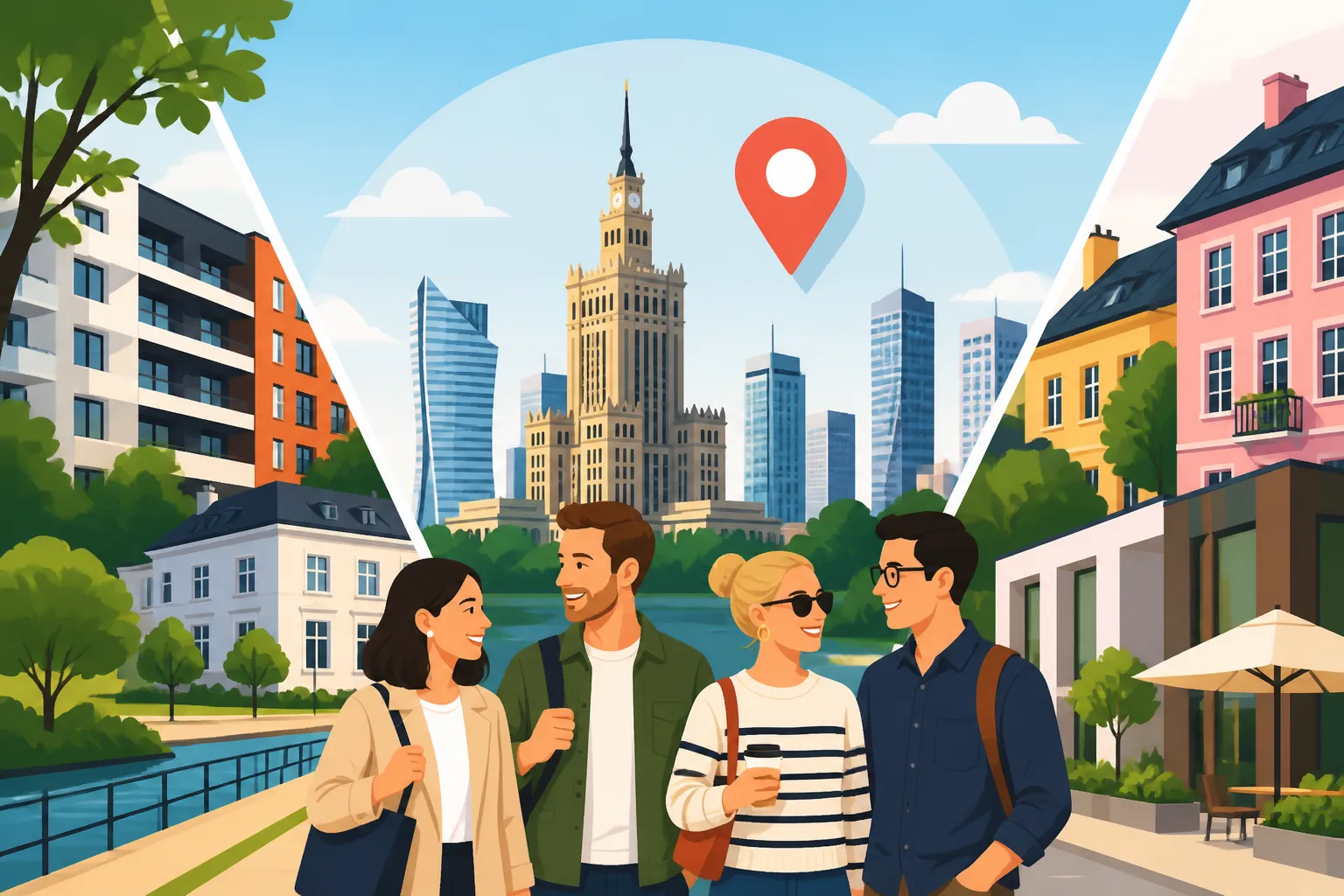
Navigating Warsaw's sprawling districts to find a place that truly feels like home can be utterly daunting for any expat. It’s not just about finding an apartment; it’s about finding a neighborhood that fits your lifestyle, your family's needs, and your commute. This guide will cut through the noise, offering an insider's perspective on Warsaw’s best neighborhoods for foreign residents, balancing the charm of Polish life with the practicalities we all face when moving abroad.
Understanding Warsaw's Vibe: Finding Your Fit
Warsaw is a city of contrasts, a blend of historical resilience and modern dynamism, and its neighborhoods reflect this beautifully. What suits one expat might be completely wrong for another, and that's perfectly normal. Before we dive into specific areas, let's think about the kind of life you envision here. Do you crave the buzz of the city center, the leafy tranquility of a historic district, or the modern conveniences of a purpose-built community?
Central Living: Bustle and Connectivity
If you thrive on being in the thick of it all, with everything just a stone's throw away, central Warsaw will likely call to you. This is where the city truly lives and breathes, offering unparalleled access to cultural venues, vibrant nightlife, and a network of public transport that can get you almost anywhere.
Śródmieście, the very heart of the city, is often the first stop for many new arrivals. It’s incredibly well-connected, with multiple metro lines, trams, and buses crisscrossing the district. You’ll find everything from sleek modern high-rises to charming, renovated pre-war buildings. While the convenience is undeniable – think quick access to offices, countless restaurants, and museums – it does come with a trade-off. Rents here tend to be the highest, and living spaces can sometimes be smaller. It’s ideal for single professionals, couples without children, or those who simply cannot fathom a long commute. The constant energy is palpable, and while exciting, it's not always the quietest retreat. You might find yourself missing expansive green spaces right outside your door, though parks like Łazienki Królewskie are usually just a short ride away.
Just a little east, nestled along the Vistula River, you’ll find Powiśle. This area strikes a wonderful balance, offering the advantages of central living without the intense concrete jungle feel. Powiśle has transformed dramatically over the years, from a slightly neglected area to one of Warsaw's most desirable addresses. It's famous for its beautiful riverfront boulevards, perfect for evening strolls or morning runs, and the Copernicus Science Centre, a fantastic spot for families. The architecture is a mix of beautifully restored tenement houses, modern apartment blocks, and post-industrial spaces repurposed into trendy cafes and art galleries. It's chic, green, and surprisingly peaceful given its proximity to the city center. However, this popularity means it's also one of the more expensive areas, but for many, the quality of life, the river proximity, and the unique cultural vibe are well worth the investment.
Bohemian Charms and Artistic Flair
For those who lean towards a more alternative, perhaps even slightly gritty, but undeniably authentic Warsaw experience, certain neighborhoods offer a distinct bohemian character. These areas often have a rich history, a thriving arts scene, and a strong sense of community that draws creative types and those seeking something a bit less polished.
Praga Północ, on the east bank of the Vistula, is often described as Warsaw’s bohemian quarter. For decades, it was seen as the "other side of the river," often overlooked and even a bit rough around the edges. However, that’s precisely what has preserved its unique character. Unlike the left bank, much of Praga survived WWII relatively intact, meaning you'll find charming pre-war architecture, cobblestone streets, and a tangible sense of history. It's buzzing with independent art galleries, underground music venues, and quirky cafes. The former factory complexes have been beautifully revitalized, now housing trendy restaurants and creative businesses. This area appeals to younger expats, artists, and anyone looking for an authentic, less gentrified experience. While it's rapidly developing, some parts still retain a raw, urban feel, which some love and others find challenging. Public transport connections are improving, with new metro stations making it much more accessible.
While much of Mokotów feels established and upscale, pockets still exude a charming, slightly bohemian flair, especially around areas with older, smaller buildings and numerous independent shops and cafes. Districts like Stary Mokotów, with its leafy streets and historic villas, offer a blend of old-world charm and modern convenience. It’s less "gritty" than Praga but offers a sophisticated, artistic atmosphere where you can spend hours hopping between bookstores, small galleries, and cozy coffee shops. The vibe is decidedly more relaxed and residential compared to Śródmieście, but still very much a part of the urban fabric.
Green Havens and Family-Friendly Retreats
If peace, quiet, and ample green space are high on your priority list, especially if you have a family, Warsaw has some truly lovely suburban-feeling districts that are still well-connected to the city. These areas offer larger apartments, houses with gardens, and excellent infrastructure for children.
Żoliborz is often hailed as one of Warsaw’s most charming and livable districts. It's a tranquil oasis, characterized by its winding, tree-lined streets, historic villas, and a strong sense of local community. The architecture is a mix of pre-war modernist buildings and more contemporary apartment blocks, all surrounded by lush parks and green squares. It’s remarkably peaceful, feeling almost like a small town within the bustling city, yet it’s only a few metro stops away from the very center. Żoliborz attracts families, academics, and those who appreciate a slower pace of life while still enjoying urban amenities. You'll find excellent local schools, playgrounds, and community events here. It's an ideal place if you value quiet evenings, morning jogs in the park, and a friendly neighborhood atmosphere. The downside, if any, is that it can feel a little too quiet for some, and housing here, particularly the beautiful older homes, commands a premium.
Further south, Ursynów offers a different kind of family-friendly environment. It's a much newer district, largely developed in the post-communist era, characterized by modern apartment complexes, broad avenues, and vast green spaces. Ursynów is incredibly popular with young families due to its abundance of playgrounds, kindergartens, and schools, including several international options. It’s more spacious and spread out than older districts, meaning less congestion and more room to breathe. While it might lack the historic charm of Żoliborz, it compensates with modern infrastructure, convenient shopping centers, and excellent metro connectivity to the city center. For those who prioritize modern living, larger living spaces, and a clear focus on family amenities, Ursynów is a very strong contender. The commute can be a bit longer than from central districts, but the metro makes it quite manageable.
Diving Deeper into Popular Expat Neighbourhoods
Now, let's zoom in on some specific neighborhoods that consistently rank high on expat wish lists, exploring what makes them so appealing and what you should consider before moving in.
Mokotów: The All-Rounder's Paradise
Mokotów is often the go-to recommendation for expats, and for good reason. It’s a vast district, offering a wide array of living experiences, from bustling urban areas to serene, leafy corners. It genuinely feels like a city within a city, with everything you could possibly need.
The district is highly regarded for its excellent balance of residential comfort, green spaces, and urban amenities. You’ll find a mix of older, charming tenement houses, elegant pre-war villas (especially in areas like Stary Mokotów or Sielce), and modern, well-maintained apartment blocks. What makes Mokotów shine for expats is its comprehensive infrastructure:
- Education: A plethora of schools, both Polish public and highly-rated international schools, are located within or very close to Mokotów, making it attractive for families.
- Green Spaces: The district boasts numerous beautiful parks, such as Pole Mokotowskie (a massive, beloved park perfect for walking, cycling, and picnics) and Królikarnia Park, offering plenty of opportunities for outdoor activities.
- Amenities: From high-street shopping in Galeria Mokotów to a countless number of independent cafes, restaurants, and boutiques, you'll never be short of options. There are also private medical clinics, including those of Medicover and LUX MED, which many expats find invaluable for ease of access to English-speaking doctors.
- Transport: Mokotów is incredibly well-connected by tram, bus, and metro (the M1 line runs right through it). This means even if you live in a quieter part, you can quickly reach the city center or other districts.
The sheer variety means that rents can fluctuate significantly depending on the specific micro-location and the age of the building. Generally, Mokotów offers competitive pricing compared to Śródmieście for more space, but it's still considered a desirable and thus pricier area. If you're wondering How Much Does It Cost to Rent an Apartment in Warsaw in 2026?, Mokotów offers a wide range, from mid-range flats to luxury penthouses, reflecting its diverse offerings.
Wilanów: Modern Living with Space to Breathe
Further south from Mokotów lies Wilanów, a district that has seen incredible development in recent decades, primarily centered around Miasteczko Wilanów. This area is almost entirely new, built with modern urban planning principles, featuring contemporary apartment buildings, wide streets, and thoughtfully designed public spaces.
Wilanów is particularly popular with expat families and those seeking a more suburban, spacious feel without being too far removed from the city. Here's why:
- Family-Oriented: It’s a haven for families, with numerous kindergartens, playgrounds, and, crucially, several top-tier international schools like the American School of Warsaw or the British School, making school runs a breeze.
- Modern Infrastructure: The area is replete with modern amenities, including supermarkets, fitness clubs, cafes, and restaurants, often housed within the ground floors of apartment buildings, creating a very convenient living experience.
- Green & Spacious: While the architecture is predominantly modern, there's an emphasis on green spaces, with numerous parks and recreational areas. The historic Wilanów Palace and its beautiful gardens provide a magnificent backdrop and a wonderful place for weekend outings.
- Community: Miasteczko Wilanów, in particular, has developed a strong, multicultural community, making it easier for new expats to connect and find support.
The main consideration for Wilanów is its distance from the city center. While buses connect it well to metro stations, and a tram line is planned, commuting to Śródmieście can take longer than from other districts. For some, this trade-off is entirely worth it for the peace, modern comfort, and family-focused environment. It's a great choice if you prefer a quieter lifestyle with excellent facilities for children and a ready-made expat community.
Ochota & Wola: Practicality Meets Development
These two districts, located to the west of Śródmieście, represent a blend of practicality, rapid development, and increasingly, a modern, business-oriented vibe. They are excellent choices for expats looking for good value, strong transport links, and a dynamic urban environment.
Ochota is an older, more established district that offers fantastic transport connections and a wealth of green spaces. It's home to the Medical University of Warsaw and part of the Warsaw University of Technology, giving it a lively, intellectual atmosphere in some parts.
- Connectivity: Ochota is a major transport hub, with excellent tram and bus connections, and quick access to the city center. The main train station (Warszawa Centralna) and the airport are also relatively close.
- Green Spaces: Parks like Park Szczęśliwicki (known for its all-year-round artificial ski slope and beautiful lake) provide ample recreational opportunities.
- Residential Feel: It offers a more residential feel than Śródmieście, with a mix of pre-war buildings and post-war housing estates. Rents here tend to be more affordable than in Mokotów or Powiśle, while still providing excellent quality of life.
Wola has arguably seen the most dramatic transformation in Warsaw over the last decade. Once an industrial area, it's now a booming business district, home to numerous skyscrapers and corporate offices. This rapid development has brought with it a wave of modern apartment buildings, retail, and entertainment options.
- Business Hub: If you work in the financial, IT, or corporate sector, living in Wola can mean a very short, if not walkable, commute. Many international companies have their offices here.
- Modern Living: The district is full of brand-new apartment complexes, often with amenities like gyms, security, and underground parking.
- Connectivity: Wola is incredibly well-served by public transport, including new metro lines (M2) that connect it directly to Praga and the city center.
- Growing Amenities: While still developing its "soul" in some parts, Wola is quickly gaining more cafes, restaurants, and cultural venues, including the Warsaw Uprising Museum, one of the city's most poignant and important attractions.
Both Ochota and Wola offer excellent options for expats who prioritize convenience, modern amenities, and good transport. Wola might appeal more to younger professionals, while Ochota could be a great fit for those looking for a slightly more established residential feel with easy access to everything.
The Practicalities: What Expats Really Need
Beyond the aesthetic appeal and vibe of a neighborhood, there are critical practical considerations that can make or break your expat experience. Let’s face it, charm is great, but getting to work on time and accessing decent healthcare are non-negotiables!
Transport and Commute Considerations
Warsaw's public transport system is generally excellent, efficient, and affordable, encompassing metro, tram, and bus networks. However, the sheer size of the city means that commute times can vary significantly depending on where you choose to live and work. Getting familiar with The Expat Guide to Public Transport in Poland is essential before you commit to a district.
When choosing a neighborhood, think about your daily journey:
- Work: Where is your office located? Is it near a metro line? Trams and buses are extensive, but metro offers the fastest, most predictable travel times, especially during peak hours.
- Schools: If you have children, how long will their school commute be? Are there direct connections? Remember that Polish winters can be harsh, and waiting for multiple connections might not be ideal.
- Social Life: How easy is it to get to your favorite restaurants, cultural venues, or expat meet-ups?
- Future Planning: Even if you don't have a car initially, consider parking availability if you plan to get one down the line. Some older districts have very limited street parking.
For instance, living in Ursynów means a longer journey to the city center than from Żoliborz or Mokotów, but the M1 metro line ensures it's a direct and relatively quick trip. In areas like Praga Północ, the expansion of the M2 metro line has significantly reduced travel times, making it a much more viable option than it once was.
Schools, Healthcare, and Daily Amenities
These are the backbone of daily expat life. You need to know that your family will be taken care of, and that essential services are readily accessible.
- Education: As mentioned, districts like Mokotów and Wilanów are popular due to their proximity to several highly-regarded international schools. However, many expats also successfully integrate their children into Polish public schools, especially in districts with a good reputation like Żoliborz or some parts of Bielany. Understanding the local school system is crucial.
- Healthcare: Access to quality healthcare is often a top concern. While Poland has a public healthcare system (NFZ), many expats opt for private medical subscriptions through providers like LUX MED or Medicover, which offer English-speaking doctors and shorter wait times. These clinics are widespread in Warsaw, particularly concentrated in business districts and affluent residential areas like Mokotów, Wilanów, and Śródmieście. Knowing The Complete Guide to Healthcare in Poland for Expats (2027) will give you a full picture, and exploring Understanding Private Medical Subscriptions (Medicover, LUX MED) in Poland is highly recommended. Finding an English-speaking doctor can be a challenge in the public system, but private options make it much easier. You'll want to check if there’s a clinic nearby in your chosen neighborhood.
- Daily Needs: Grocery stores, pharmacies, bakeries, and local markets are abundant throughout Warsaw. Most neighborhoods will have at least one large supermarket (like Biedronka, Lidl, or Carrefour) and numerous smaller, independent shops. Green spaces for relaxation or exercise are also important. Every district has its local parks, but the size and quality vary.
Cost of Living and Rental Market Nuances
Warsaw offers a relatively affordable cost of living compared to Western European capitals, but within the city, prices can differ dramatically. This is particularly true for housing.
- Rental Prices: Central districts like Śródmieście and desirable areas like Powiśle or Stary Mokotów will command the highest rents. Wola, due to its new developments and business appeal, is also becoming quite expensive. Districts further out, like Ursynów, Bielany, or parts of Ochota and Praga, often offer more spacious accommodations for a lower price. It's worth researching How Much Does It Cost to Rent an Apartment in Warsaw in 2026? for current averages. Remember that advertised prices often don't include utility bills and administrative fees (czynsz).
- Hidden Costs: When signing a rental agreement, be aware of the czynsz (administration fee) which covers building maintenance, sometimes heating, and rubbish collection, but rarely electricity or internet. Also, you'll almost always pay a deposit, typically one or two months' rent. Ensure you fully understand your How to Sign a Rental Contract (Umowa Najmu) in Poland before committing.
- PESEL & Bank Account: You'll also need a PESEL number, which is a Polish national identification number, for many administrative tasks, including renting an apartment or setting up utilities. Make sure to understand How Do I Get a PESEL Before Renting an Apartment in Poland? as it's often a prerequisite.
To give you a better idea, here’s a quick comparison of some popular expat neighborhoods:
| Neighborhood | Vibe & Ideal For | Avg. 2-Room Apartment Rent (PLN/month, illustrative) | Pros | Cons |
|---|---|---|---|---|
| Śródmieście | City buzz, professionals, singles | 4,000 – 7,000+ | Unbeatable connectivity, cultural hub, nightlife | High rent, smaller spaces, noisy, less green |
| Mokotów | Balanced, families, professionals | 3,500 – 6,000 | Green, good schools, private clinics, excellent transport | Can be pricey, vast district (needs specific area research) |
| Wilanów | Modern, families, quiet | 3,000 – 5,500 | Spacious, modern amenities, international schools, community | Further from center, public transport developing (more bus reliance) |
| Żoliborz | Quaint, quiet, families, academics | 3,000 – 5,000 | Historic charm, very green, peaceful, strong community | Can be too quiet, fewer large amenities, older infrastructure |
| Praga Północ | Bohemian, artsy, younger expats | 2,800 – 4,500 | Authentic, growing arts scene, unique character, more affordable | Still gentrifying, can feel raw in parts, less polished |
| Ochota | Practical, good value, transport hub | 2,800 – 4,500 | Excellent transport, good parks, affordable, university vibe | Less "trendy" feel, can be busy around major roads |
Note: These are illustrative rental prices for a standard 2-room (1-bedroom) apartment and can vary wildly based on size, exact location, furnishing, and condition.
Settling In: Beyond the Apartment
Once you've zeroed in on your ideal neighborhood and secured your pad, the real work of settling in begins. It’s about building a life, not just inhabiting a space.
Connecting with Other Expats and Local Culture
One of the biggest challenges for expats is building a social circle from scratch. Luckily, Warsaw has a vibrant and diverse expat community, and many neighborhoods facilitate connection. Look for expat groups on social media platforms (Facebook is big here for expat groups in Warsaw) or platforms like Meetup. Many communities, especially in Mokotów and Wilanów, have established networks.
Don't shy away from engaging with local culture either! Attending local events, taking a Polish language class, or simply frequenting your neighborhood piekarnia (bakery) or warzywniak (greengrocer) can lead to unexpected connections. Poles are generally very welcoming, especially once you show an effort to engage with their language and culture.
Digital Connectivity and Communication
In today's world, staying connected is paramount. Once you’re settled, sorting out your mobile phone and home internet is usually high on the list. Poland has a very competitive telecommunications market with several major players like Orange, Play, Plus, and T-Mobile. You'll find that How to Choose a Mobile and Internet Provider in Poland can be a bit of a maze, but there are excellent options for both mobile data and fibre optic internet. For initial connectivity, especially when you're still figuring things out, an eSIM from a provider like Airalo can be a lifesaver, giving you instant data access upon arrival without needing a local SIM card immediately. It's a real game-changer for those first few days of navigation.
Moving Services and Logistics
The actual move can be one of the most stressful parts of relocating. Whether you're moving from another city in Poland or across continents, coordinating logistics requires careful planning. For international moves, services that connect you with reliable movers can be incredibly helpful. Companies like Sirelo offer comparison services for international moving companies, which can take a lot of the guesswork and stress out of finding someone trustworthy to handle your precious belongings. Remember, The Complete Guide to Moving to Poland: Your First 90 Days (2027) offers a full rundown of everything you'll face immediately after arrival. It's more than just finding an apartment; it's about setting up all the practical elements of your new life.
Warsaw truly offers a neighborhood for every expat. Whether you dream of historic charm, bustling city life, or tranquil suburban comfort, you’ll find your niche. Take your time, visit potential areas, and speak to other expats to gather their insights. Your ideal Warsaw home is waiting for you!
Disclaimer
The information provided in this guide is for general informational purposes only and does not constitute professional advice. While we strive to keep the content accurate and up-to-date, circumstances and regulations in Poland can change. Always consult with relevant professionals (e.g., real estate agents, legal advisors, immigration specialists) for advice tailored to your specific situation.