How Do I Set Up Electricity After Moving Into a Polish Apartment?
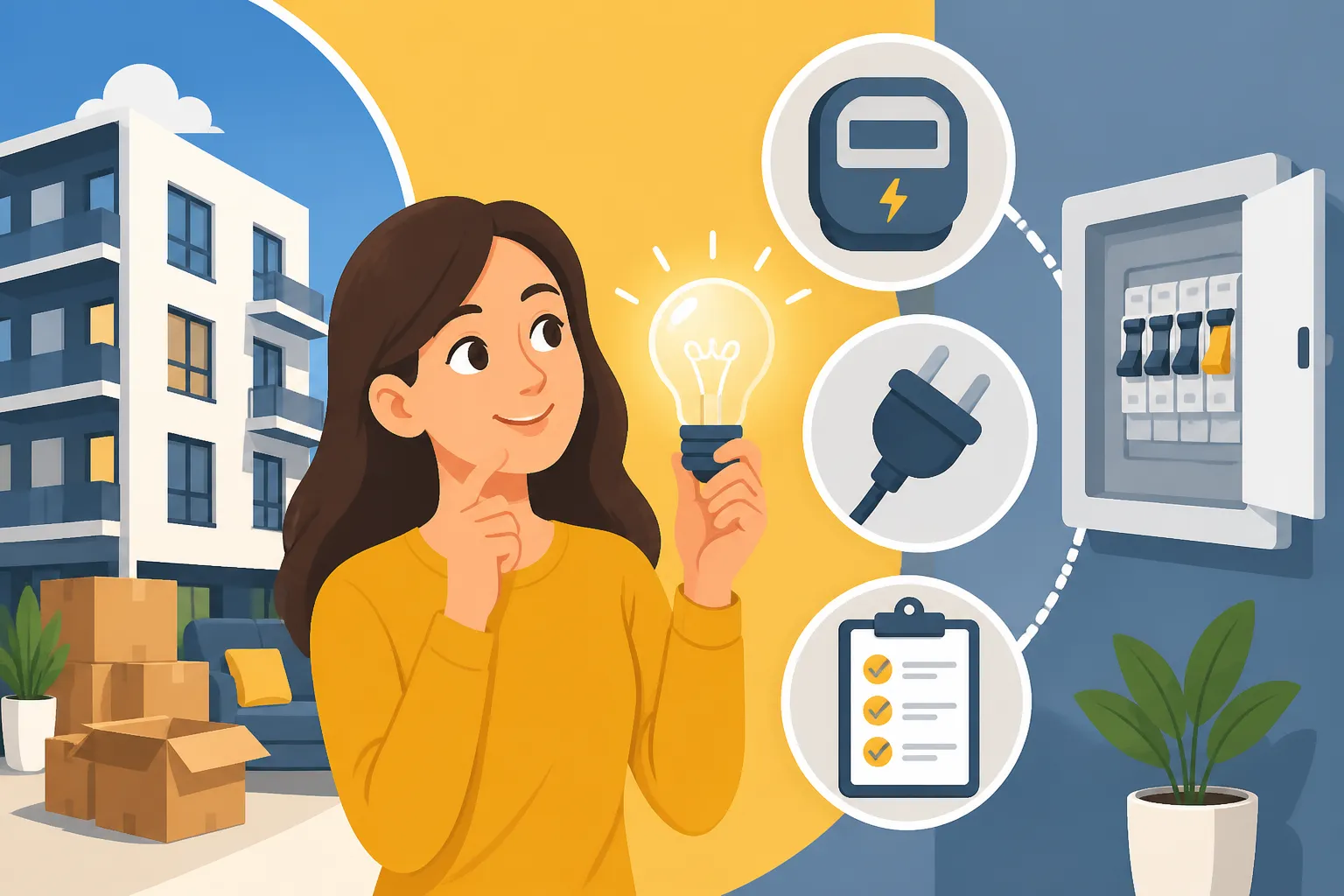
Okay, so you've landed in your new apartment in Poland! The boxes are piling up, maybe you've had your first Żabka experience, and you're starting to feel settled. But then you flip a light switch, or try to boil water for that much-needed cup of tea, and… nothing. Or maybe it's working now, but you have no idea whose name the bill is in, or how to even get a bill. Trust me, I've been there, staring blankly at utility contracts written in Polish, feeling a knot form in my stomach. Getting your electricity sorted might seem like a daunting task, but this guide will walk you through everything you need to know, from understanding the local providers to deciphering your first bill.
Understanding the Polish Electricity Landscape
One of the first things you'll realize when tackling utilities in Poland is that it’s not always a straightforward one-size-fits-all situation. Unlike some countries where a single company handles everything, here you’ll encounter regional differences and a few key players. Understanding this landscape will save you a lot of headaches down the line.
Inheriting an Existing Contract vs. Starting Fresh
When you move into a new place in Poland, there are usually two scenarios regarding electricity: either there’s an existing contract in the landlord’s name (or a previous tenant's name) that you'll need to transfer, or the electricity has been completely disconnected, meaning you’ll have to initiate a brand new contract. Both situations come with their own set of procedures and paperwork.
If the electricity is still connected and registered to your landlord, congratulations, that's often the simpler route! You and your landlord will typically fill out a transfer form (an Umowa kompleksowa or Umowa sprzedaży energii elektrycznej with a protokół zdawczo-odbiorczy attached, detailing the meter reading). This form essentially switches the existing contract from their name to yours. This is a common practice, especially in rental apartments, as it avoids the hassle of disconnection and reconnection. Be absolutely sure to get the last meter reading on the day you take over the apartment – seriously, take a photo! This protects you from being charged for the previous occupant's usage. Your landlord should be your primary guide here, as they know which provider serves the building.
On the other hand, if the electricity has been cut off, or if you’re moving into a newly built place, you’re looking at setting up a new account from scratch. This involves choosing a provider, signing a new contract, and sometimes waiting for a technician to come out and connect everything. This process can take a bit longer, so it’s wise to start early, especially if you’re renovating or need power for specific tasks. Don’t wait until the last minute, or you might find yourself in the dark for a few days, which is precisely what we want to avoid!
Key Electricity Providers in Poland
Poland's electricity market is dominated by several large, state-owned energy groups, each typically responsible for a specific region. You usually don't have a huge choice of providers, as your location will largely determine who your distributor (and often supplier) is. The main players you'll likely encounter include:
- PGE Polska Grupa Energetyczna: This is the largest energy company in Poland, serving a significant portion of the country, particularly central and eastern regions. If you're in Warsaw or many areas eastward, PGE will likely be your provider.
- Tauron Polska Energia: Dominating the southern parts of Poland, including cities like Krakow and Katowice, Tauron is another major player.
- Enea: If you're residing in the western and northwestern areas, such as Poznań or Szczecin, Enea will be your go-to.
- Energa: Serving the northern regions, including the Baltic coast cities like Gdańsk, Gdynia, and Sopot.
- innogy Stoen Energia (now largely E.ON): Primarily serving the city of Warsaw itself, though PGE handles surrounding areas. If you live within the city limits of Warsaw, you're probably dealing with E.ON.
It's crucial to identify which provider operates in your specific area. Your landlord or the building administrator (spółdzielnia/wspólnota mieszkaniowa) will know this right away. You can’t just pick any provider; you're often bound by the regional distributor. Sometimes, there are alternative sellers, but for simplicity and usually for the best rates, sticking with the main regional provider is the way to go for most expats. Don't forget, when you're settling into your new place, ensuring you have a reliable internet and mobile service is key to staying connected while navigating these administrative tasks.
Understanding Meter Readings (Liczniki)
The electricity meter, or licznik, is how your consumption is tracked. In Poland, you'll typically encounter two main types: traditional analog meters and digital meters. Digital meters are becoming increasingly common, sometimes even smart meters that can be read remotely, but many older buildings still use analog ones.
For analog meters, you'll see a series of numbers. You only need to note the white numbers, ignoring any red numbers or decimals (these usually represent fractions of a kilowatt-hour). If you have a two-tariff meter (which differentiates between day and night usage), you'll see two separate readings, often marked 'T1' for day and 'T2' for night/off-peak. Make sure to read both. Digital meters are usually more straightforward, displaying the current reading clearly on an LCD screen, often cycling through different tariff readings automatically. Again, note down the T1 and T2 if applicable.
When you're transferring a contract, or signing a new one, getting an accurate initial meter reading is absolutely critical. This is the starting point for your billing cycle. If you don't provide one, the company might estimate your usage, which could lead to discrepancies. Make it a habit to regularly check your meter readings against your bills, especially if you suspect an issue. You can often submit readings online through your provider’s customer portal, via phone, or sometimes by simply noting it on your payment slip. This transparency helps you monitor your consumption and avoid surprises.
Step-by-Step Guide to Setting Up Your Electricity Account
Now that you have a grasp of the basics, let's dive into the practical steps of getting that electricity flowing smoothly in your name. This process, while bureaucratic, is manageable with a bit of patience and preparation.
Gathering Your Essential Documents
Before you even think about contacting the electricity provider, you need to arm yourself with the right paperwork. Polish bureaucracy loves its documents, and having everything in order will speed up the process significantly. Here's what you'll typically need:
- Proof of Identity: Your passport or your Polish ID card (dowód osobisty) if you're an EU citizen. Make sure it's valid!
- PESEL Number: This is your national identification number in Poland. For most administrative tasks, including setting up utilities, a PESEL is almost universally required. If you don't have one yet, it's wise to prioritize getting it sorted. You can learn more about how to get your PESEL number and why it matters for healthcare. While the guide links to healthcare, the PESEL is foundational for almost all aspects of life in Poland, from banking to utilities.
- Proof of Residence/Occupancy: This is usually your rental agreement (umowa najmu). Make sure it’s signed and specifies your exact apartment address. The electricity company needs to know you have a legal right to be at the property. Sometimes, a formal registration of residence (zameldowanie) might also be helpful or required, so understanding Registering Your Residence (Zameldowanie) in Poland: The Complete Guide can be useful.
- Previous Tenant's Details (if transferring): If you're taking over an existing contract, you'll need the previous account holder's details (their name and existing customer number). Your landlord should provide this.
- Meter Reading: As discussed, the current, accurate reading from the electricity meter on the day you take possession of the apartment. Take a photo as proof!
It's always a good idea to have both original documents and photocopies handy. Sometimes they only need to see the original, other times they'll keep a copy for their records. Being over-prepared is always better than having to make another trip.
Contacting Your Chosen Provider
Once your documents are in hand, it's time to reach out to the electricity provider for your area. While visiting a local customer service office (Punkt Obsługi Klienta or POK) is often the most reliable way to get things done, particularly if your Polish isn't fluent, many providers also offer online portals and phone helplines.
For PGE, Tauron, Enea, Energa, or E.ON, their websites are a good starting point. Look for sections like "Obsługa Klienta" (Customer Service) or "Formularze" (Forms). You'll often find downloadable forms for transferring a contract (cesja umowy) or establishing a new one (zawarcie umowy). Filling these out in advance can save time at the office.
If you decide to go in person, be prepared for a wait, especially during peak hours. Bring all your documents, and if your Polish is limited, consider bringing a Polish-speaking friend or using a translation app. Many larger cities will have some English-speaking staff, but it's not guaranteed. Be patient, polite, and persistent. Remember, the goal is to leave with a signed contract or at least a clear understanding of the next steps. They might ask for your bank details for direct debit payments, which brings us to the importance of having a local bank account, as detailed in How to Open a Bank Account at a Polish Bank as a Foreigner.
Navigating the Contract Signing Process
The contract itself will be in Polish, so it's vital to understand its key terms before signing. Don't be shy about asking for clarification. Here are some critical points to look for:
- Contract Type: Ensure it specifies whether it’s a transfer (cesja) or a new agreement (nowa umowa).
- Your Details: Double-check that your name, PESEL, and address are correct.
- Meter Number: This unique identifier links the contract to your specific meter.
- Tariff Plan (Taryfa): Most residential customers will be on a G11 tariff (single rate for all hours). If you have a two-tariff meter and want to take advantage of cheaper night rates, you might opt for G12 or G12w (weekend rates). Discuss this with the representative.
- Contract Duration: Most standard contracts are for an indefinite period (na czas nieokreślony), but sometimes fixed-term options exist.
- Initial Meter Reading: This should be clearly stated and match the reading you provided.
- Costs: Understand the charges for the electricity itself and any distribution fees.
Once everything is clear, you'll sign the agreement. You should receive a copy of the signed contract and a customer number (numer klienta) or account number (numer konta). Keep these safe, as you’ll need them for future communication and bill payments. If you're setting up a new connection, they might schedule a technician visit. This typically happens within a few business days, but can sometimes take longer.
Managing Your Electricity Account and Bills in Poland
The hard part is over – the lights are on, and you’re officially a Polish electricity customer! Now comes the ongoing task of understanding your bills, making payments, and knowing what to do when you eventually move on.
Decoding Your Monthly Electricity Bill
Polish utility bills can look like a maze of numbers and Polish terminology. But once you know what you’re looking for, it becomes much easier to manage. Here's a breakdown of common terms and sections you'll find on your bill:
- Dane odbiorcy: Your details (name, address, customer number).
- Numer konta: Your unique account number for payments.
- Data wystawienia: Date the bill was issued.
- Termin płatności: Payment deadline. Don't miss this!
- Numer faktury: Invoice number.
- Zużycie energii elektrycznej: Electricity consumption (in kWh). This shows how much you’ve used.
- Taryfa: Your chosen tariff plan (e.g., G11).
- Opłata za energię czynną: Charge for the actual electricity consumed. This is the core cost.
- Opłata przesyłowa zmienna/stała: Variable/fixed distribution fee (for transmitting electricity through the network).
- Opłata handlowa: Commercial fee (often a fixed monthly charge).
- VAT/PTU: Value Added Tax, currently 23% on electricity.
- Suma do zapłaty: Total amount due.
You'll usually receive bills monthly or bimonthly. Some providers still send paper bills by post, but many are moving towards electronic billing (e-faktura). Make sure to sign up for e-billing if available, it's more convenient and environmentally friendly. It's also worth noting that some providers, like PGE or Tauron, offer online customer portals where you can view your bills, submit meter readings, and manage your account. Understanding The Complete Guide to Cost of Living in Poland for Expats might help put your electricity costs into perspective within your overall budget.
Here’s a simplified table of typical electricity bill components:
| Bill Component | Polish Term | Description |
|---|---|---|
| Customer Details | Dane odbiorcy | Your name, address, and customer ID. |
| Account Number | Numer konta | Unique identifier for your payments. |
| Issue Date | Data wystawienia | When the bill was generated. |
| Payment Due Date | Termin płatności | The last day you can pay without penalty. |
| Total Consumption | Zużycie energii elektrycznej | Amount of electricity used in kilowatt-hours (kWh). |
| Energy Charge | Opłata za energię czynną | Cost for the actual electricity you consumed. |
| Fixed Distribution Fee | Opłata przesyłowa stała | A fixed charge for maintaining the electricity grid. |
| Variable Distribution Fee | Opłata przesyłowa zmienna | Charge based on your consumption for using the distribution network. |
| Commercial Fee | Opłata handlowa | A fixed fee covering administrative and commercial services. |
| VAT (Tax) | VAT (PTU) | Value Added Tax, usually 23% on the total. |
| Total Amount Due | Suma do zapłaty | The final amount you need to pay. |
Payment Methods and Deadlines
Paying your electricity bill in Poland is generally quite straightforward, with several convenient options. The most common methods are:
- Bank Transfer: This is probably the most popular method. Each bill will have a unique bank account number (numer konta) and a payment title (tytułem płatności or tytuł przelewu) which usually includes your customer number or invoice number. It's critical to include the correct payment title so your payment is attributed to your account. You can do this through your online banking (e.g., PKO BP, Santander, mBank) or at a physical bank branch. Check out How to Open a Bank Account at a Polish Bank as a Foreigner for more details on setting up local banking.
- Direct Debit (Polecenie zapłaty): Many providers offer the option to set up direct debit payments from your bank account. This is incredibly convenient as it automates payments and ensures you never miss a deadline. You'll need to fill out a form with your bank details and submit it to the electricity provider.
- Post Office (Poczta Polska) or Payment Points (Punkty Płatności): You can pay your bill in cash at any post office or at designated payment points found in many grocery stores or kiosks. Just hand over your bill, and they'll process the payment. Be aware there's usually a small service fee for this.
- Online Customer Portal: If your provider offers an online portal, you can often pay directly through it using a payment card or a quick bank transfer system like BLIK.
Missing a payment deadline can result in late fees and, eventually, even disconnection of service. If you anticipate a problem, contact your provider immediately. They might be able to offer a payment extension or installment plan.
Moving Out: Transferring or Terminating Your Contract
When the time comes to move to a new apartment or leave Poland entirely, you'll need to sort out your electricity contract. This is just as important as setting it up to avoid being billed for someone else's usage or incurring termination fees.
If you're moving to another place within the same provider's service area and want to transfer your contract to a new address, contact them to inquire about this possibility. Often, they can facilitate an internal transfer.
If a new tenant is moving into your old apartment, the ideal scenario is to transfer the contract to their name. This involves you, the new tenant, and sometimes the landlord, filling out a transfer form (the protokół zdawczo-odbiorczy) with the final meter reading on the day you hand over the keys. This way, your responsibility for the electricity ends precisely when theirs begins.
If there's no new tenant immediately, or if you're leaving Poland, you'll need to terminate your contract (wypowiedzenie umowy). This usually requires giving written notice, typically one or two months in advance, depending on your contract terms. Check your initial agreement for the notice period. You'll need to provide a final meter reading and a forwarding address (or bank account for any refund) for your final bill. Send the termination notice by registered mail (list polecony) to have proof of submission. Don't forget to take photos of your final meter readings as proof. And when you're packing up, remember that reliable international movers, like those you might find through resources like Sirelo, can make the logistics of leaving Poland much smoother, though they won't handle your electricity contract directly.
Getting your electricity sorted in Poland might require a bit of legwork and navigating some Polish forms, but with this guide, you're well-equipped. Remember to be patient, keep all your documents organized, and don’t hesitate to ask for help if you hit a language barrier. Before you know it, you'll be enjoying reliable power in your Polish home!
Disclaimer
The information provided in this guide is for general informational purposes only and does not constitute legal, financial, or professional advice. While we strive to keep the information up-to-date and accurate, regulations and procedures in Poland can change. Always consult official sources, relevant government agencies, or professional advisors for specific guidance pertaining to your individual situation.