How to Enrol Your Child in a Polish Public School
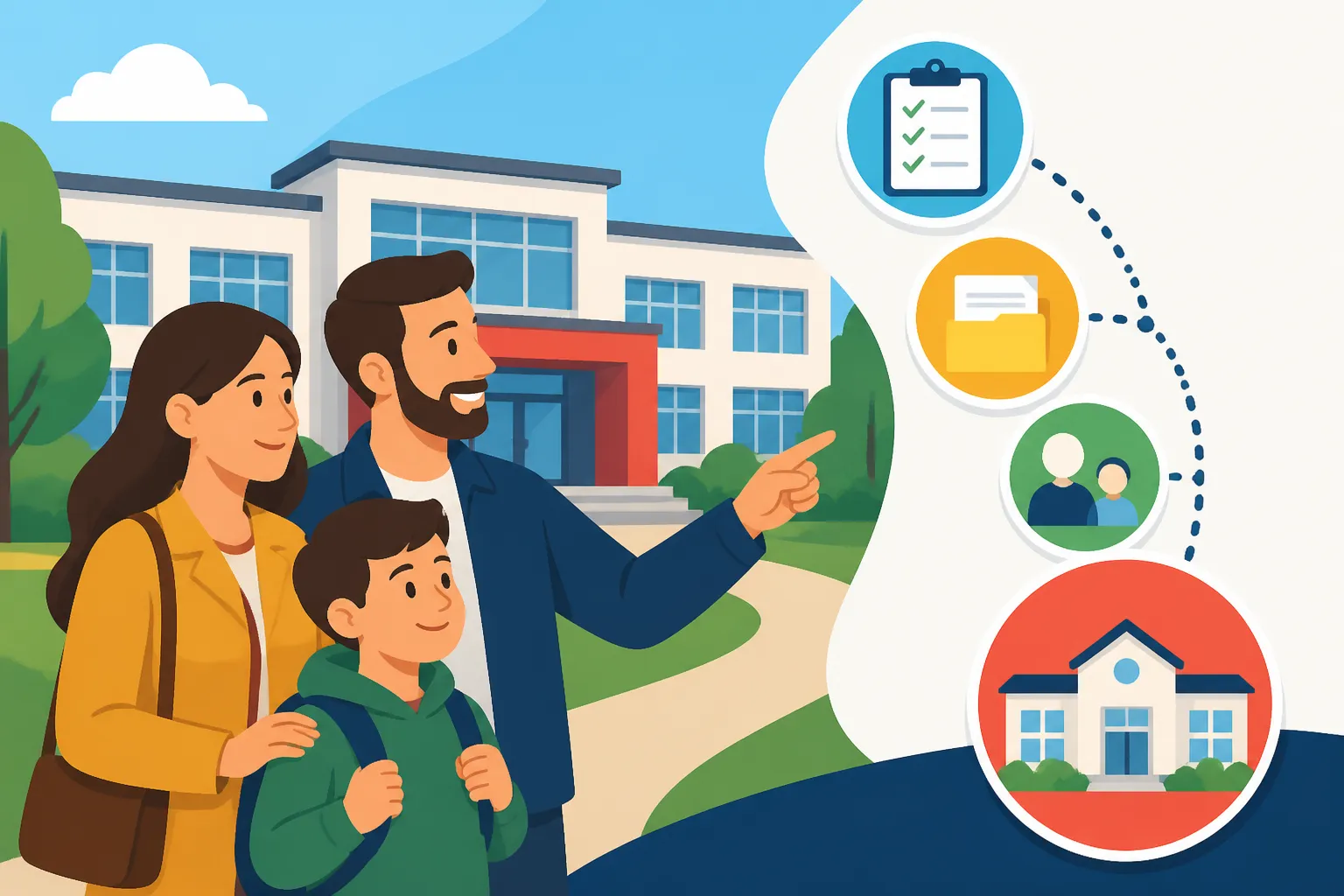
Moving your family to a new country like Poland brings a whirlwind of excitement and, let’s be honest, a fair share of logistical headaches. One of the biggest anxieties for expat parents is undoubtedly figuring out the local school system and how to successfully get their children enrolled. This isn't just about filling out a form; it's about navigating an unfamiliar bureaucratic maze, often in a language that's not your own, and ensuring your kids have a smooth transition. This guide will meticulously walk you through the entire process of enrolling your child in a Polish public school, offering practical advice and empathetic insights from someone who's been there.
Understanding the Landscape of Polish Public Schools
Poland’s public education system is comprehensive and free for residents, a huge draw for many expat families. However, it operates differently from many Western systems, and understanding its structure is your first step towards a successful enrollment. Forget the notion of simply picking any school you fancy; there's a method to the madness.
Age and Educational Stages
The Polish education system is generally divided into several stages, much like other European countries, but with its own specific nomenclature and age ranges. It’s crucial to understand where your child fits in.
- Przedszkole (Preschool/Kindergarten): This stage is for children aged 3 to 6. While not strictly mandatory, the final year (age 6) is obligatory as a preparatory year before primary school, often referred to as "zerówka." Children attending zerówka are introduced to basic literacy, numeracy, and social skills to ease their transition. Finding a place in a public przedszkole can be competitive, especially in larger cities like Warsaw or Krakow, often requiring applications months in advance. Many expat parents find themselves looking into private options for younger children due to availability or language considerations.
- Szkoła Podstawowa (Primary School): This is the mandatory stage for children aged 7 to 15, lasting eight years (grades 1-8). It's a single, continuous cycle. The curriculum is broad, covering everything from Polish language and mathematics to history, science, arts, and physical education. Grades 1-3 are generally taught by one main teacher, focusing on integrated learning and foundational skills, while from grade 4 onwards, specialized subject teachers take over, and students move between classrooms. This shift can be a significant adjustment for children coming from systems where a single teacher remains for longer.
- Szkoła Ponadpodstawowa (Upper Secondary School): After completing szkoła podstawowa, students aged 15/16 go on to a secondary school for either three, four, or five years, depending on their chosen path. This includes Liceum Ogólnokształcące (general high school, typically 4 years, preparing for university), Technikum (technical high school, 5 years, vocational training with a diploma allowing university entry), and Branżowa Szkoła I stopnia (vocational school, 3 years, leading directly to a trade). While less relevant for younger children, it's good to know the full progression. For those eyeing Polish universities later, integrating into the public system early can be a significant advantage in terms of language and cultural understanding.
Catchment Areas and School Choice (Rejonizacja)
This is perhaps one of the most important aspects for expat parents to grasp: rejonizacja, or the catchment area system. In Poland, children have a guaranteed spot in their local public primary school – the one assigned to their official residential address (zameldowanie). This means if you live on a specific street, your child is automatically eligible for the szkoła podstawowa serving that street.
For przedszkole (kindergarten), the rules are slightly different. While there are no strict catchment areas, priority is often given to children residing within the municipality (gmina/dzielnica) and, within that, sometimes to those living closest to the institution. For liceum or technikum, students can apply to any school, and admission is based on their grades from szkoła podstawowa and exam results.
So, what does this mean for you? It means your choice of residential location directly impacts which primary school your child attends. If you have a specific school in mind, you need to ensure your registered address falls within its catchment zone. This can be tricky, as popular schools in desirable neighbourhoods in cities like Gdańsk or Wrocław often mean higher housing costs. You'll need to contact your local Urząd Gminy or Urząd Miasta (municipality or city office) to find out which schools serve your area. They often have online maps or lists available, but sometimes a good old-fashioned phone call (or an in-person visit with a Polish speaker) is necessary. Don't be shy about asking your potential landlord or real estate agent which szkoła podstawowa is associated with an address; they usually know.
Essential Preparations: Documents and Legalities
The Polish administrative system loves its paperwork, and school enrollment is no exception. Before you even think about setting foot in a school building, you’ll need to get your ducks in a row concerning crucial documents. Many expats find this stage to be the most frustrating, often feeling like they’re running in circles, but patience and meticulous organization are your best friends here.
The Almighty PESEL and Proof of Address
Firstly, for your child to be officially enrolled in the Polish education system, they will almost certainly need a PESEL number. The PESEL is Poland’s national identification number, and it’s critical for virtually all administrative procedures, including healthcare, banking, and, yes, school. You can learn more about this vital number in our guide: How to Get Your PESEL Number and Why It Matters for Healthcare.
Along with the PESEL, proof of address is paramount. For public school enrollment, you’ll need to prove your legal residence within the school's catchment area. This is typically done through a zameldowanie (temporary or permanent registration of residence). Getting your zameldowanie is often tied to your rental agreement or property ownership. It’s a foundational step, and without it, most public schools simply won't proceed with enrollment unless there are exceptional circumstances or you're enrolling in a przedszkole outside strict catchment rules.
You'll need a valid rental contract (umowa najmu) or proof of ownership, your passport/ID, and sometimes your visa or residence permit. The zameldowanie process itself takes place at your local Urząd Gminy or Urząd Miasta. It's a good idea to bring a Polish-speaking friend or translator along, as not all officials will speak English. For a detailed walkthrough of this process, check out: Registering Your Residence (Zameldowanie) in Poland: The Complete Guide.
Translating and Validating Foreign School Records
This step can be a real hurdle, depending on your child’s previous educational background. If your child is enrolling in szkoła podstawowa (primary school) and has already completed grades abroad, the school will need to see their previous academic records. These records, such as report cards, transcripts, or certificates, must be translated into Polish by a sworn translator (tłumacz przysięgły). This isn't a task for just any bilingual person; it needs to be an officially recognized translator whose stamp makes the translation legally binding in Poland.
Finding a sworn translator is relatively easy in major cities; a quick online search for "tłumacz przysięgły angielski" (or your language) in Warsaw, Krakow, or Gdańsk will yield many results. Be prepared for the cost, which varies depending on the volume and complexity of documents. It's often priced per page or per character. Don't leave this until the last minute, as sworn translators can have busy schedules.
In some cases, particularly for older children entering secondary school, the Polish education authorities might require nostryfikacja – the official recognition and validation of a foreign educational certificate or diploma. This is a more complex process handled by the local Kuratorium Oświaty (Board of Education) or sometimes the school itself, confirming that the foreign education is equivalent to the Polish standard. For most primary school enrollments, especially for younger kids, a sworn translation of the latest report card is usually sufficient to determine grade placement. However, always confirm this directly with the school you are applying to. They will be the ultimate authority on what specific documents they need for your child's age and previous schooling.
Navigating the Enrollment Process Itself
Once you've got your essential documents squared away, it's time to tackle the actual enrollment. This stage involves direct interaction with the schools, and depending on where you are in Poland, the experience can range from surprisingly smooth to utterly baffling. Remember, public schools are generally under the purview of local municipalities, so processes can vary slightly from city to city, or even dzielnica (district) to dzielnica.
Finding the Right School and Initial Contact
As we discussed, for szkoła podstawowa (primary school), the "right" school is typically your catchment area school. You can usually find this information on your Urząd Miasta/Gminy website or by contacting them directly. For example, the City of Warsaw website has a dedicated education portal where you can input your address to find your assigned school.
Once you identify your local school, the next step is crucial: make contact. Don't just show up with your child and a stack of papers. Most schools appreciate an initial phone call or email (if available) to inform them of your intention to enroll. If you don't speak Polish, this is where having a Polish-speaking friend, colleague, or even hiring a local assistant for an hour can be invaluable. Explain that you are an expat, your child is new to Poland, and you wish to enroll them. Ask about the specific enrollment procedures, required documents, and deadlines. It's also a good idea to inquire about any support systems they might have for non-Polish speaking students.
When you do make contact, be prepared for questions about your child's age, their previous schooling, and their Polish language proficiency. Public schools are obliged to accept children residing in their catchment area, but understanding expectations beforehand can save a lot of stress. Some schools, especially those in more expat-heavy areas, might have more experience with international students and be better equipped to guide you through the specifics.
The Application Form and Required Attachments
The actual enrollment application for public schools typically involves filling out a standardized form provided by the school. This form will ask for basic information about your child (name, PESEL, date of birth, address) and parents/guardians (names, PESEL, contact details). It will also likely ask about previous education, any special needs, and health information.
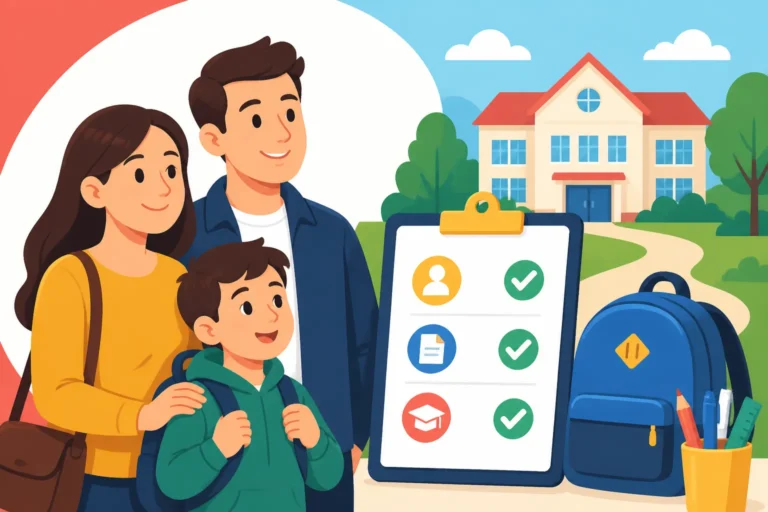
Beyond the application form itself, you'll need to prepare a "package" of documents. While this can vary slightly, a general list includes:
- Your child’s birth certificate (with a sworn Polish translation if not in Polish).
- Proof of PESEL number for both the child and at least one parent (e.g., a printout from the Urząd Gminy or a valid ID card if the PESEL is on it).
- Proof of residence (zameldowanie) in the school’s catchment area.
- Your child's previous school records (report cards, certificates) with sworn Polish translations.
- Your child's medical records/vaccination card (often with sworn translation, or at least key vaccination dates translated). The school nurse will need this.
- Your passport/ID and your child's passport/ID.
- Sometimes, a photo of your child (like a passport photo).
Always make several copies of everything. Seriously, keep copies of everything for your own records, and be ready to provide them to the school. The school secretary, or sekretariat, is your main point of contact for submitting these documents. Be patient, as they often deal with a large volume of paperwork. If you're looking for help with your big move and getting your documents organized, services like Sirelo can be a great resource for managing international relocation logistics, ensuring all your paperwork travels safely with you.
Dealing with Placement Tests and Interviews
For children entering szkoła podstawowa at a grade level beyond the first, some schools might administer a placement test, particularly in Polish language and mathematics. This isn't usually a high-stakes exam designed to reject students but rather a tool to assess your child's current academic level and ensure they are placed in the most appropriate grade. It also helps the school identify areas where your child might need additional support.
Don't panic if your child doesn't speak Polish. The school is aware they are dealing with an expat child, and the test's primary purpose is assessment. It might even be conducted verbally or with visual aids if language is a significant barrier. Be honest about your child's Polish proficiency. Schools are generally supportive of newcomers.
Interviews, if they happen, are more common for przedszkole (kindergarten) admissions, especially if spaces are limited, or for special programs. For primary school, it's more likely to be an informal chat with a teacher or the principal to get to know your child a little, understand their needs, and explain the school's expectations and offerings. This is your opportunity to ask any remaining questions you have about the school's approach to integrating foreign students, curriculum, or daily routines.
Beyond Enrollment: Integration and Support for Your Child
Getting through the enrollment process is a huge achievement, but the journey doesn’t end there. Integrating your child into a new school environment, especially one where the primary language is different, requires ongoing support and understanding. Polish public schools do have systems in place, but your active involvement will make a significant difference.
Language Support and Zajęcia Wyrównawcze (Catch-up Classes)
One of the biggest concerns for expat parents is naturally the language barrier. Most Polish public schools will have provisions for non-Polish speaking students, though the level and availability of support can vary. The most common form of support is Polish as a Foreign Language (PFL) classes or preparatory classes (oddziały przygotowawcze). These classes are designed to help new students quickly acquire foundational Polish language skills to participate effectively in regular lessons.
For students with academic gaps or those struggling to keep up due to the language barrier, schools also offer zajęcia wyrównawcze (catch-up classes). These are supplementary lessons, often in small groups or one-on-one, focused on specific subjects where a student might be falling behind. This could be Polish language, but also mathematics, history, or other subjects where a lack of Polish proficiency hinders understanding. Don't hesitate to ask the school about these options during enrollment or once your child has started. Regular communication with your child's teachers will help identify if and when such support is needed.
It’s important to manage expectations. Learning a new language to academic proficiency takes time. Your child might experience a "silent period" where they observe and absorb before confidently speaking. Encourage them, celebrate small victories, and create a supportive environment at home. Consider supplementing school efforts with external Polish language courses or apps. Learning Polish: A Complete Guide to Language Courses and Levels can offer insights into different options available for children and adults alike. While your child is settling in, reliable connectivity is key for online resources or keeping in touch with home – services like Airalo can offer convenient eSIM data plans.
Parental Involvement and School Communication
Parental involvement in Polish schools is highly valued, and establishing good communication with your child's teachers is essential. The primary channels for communication include:
- Dziennik Elektroniczny (Electronic Journal/E-Journal): Most schools now use an online platform (like Librus or Vulcan) where teachers post grades, attendance, homework assignments, announcements, and messages to parents. This is often the most important tool for staying informed. You'll typically receive login details shortly after enrollment. Familiarize yourself with this platform – it will be your lifeline!
- Rodzice Spotkania (Parent Meetings): Schools regularly hold parent meetings, usually a few times a year. These are opportunities to meet all your child's teachers, understand the curriculum, and discuss general classroom dynamics. There will also be indywidualne rozmowy (individual consultations) where you can speak one-on-one with specific teachers about your child's progress. Again, bring a translator if you don't speak Polish.
- Rada Rodziców (Parents' Council): This is an elected body of parents that acts as a liaison between parents and school administration, often involved in school events, fundraising, and decision-making. Getting involved, even in a small way, can help you understand the school culture and meet other parents.
Don't be afraid to initiate communication. If you have concerns, schedule a meeting. Polish teachers are generally dedicated and appreciate parents who show interest in their child's education. Remember, they are your partners in helping your child adapt.
The Daily School Life and Extracurriculars
A typical school day in Poland starts fairly early, often between 8:00 AM and 8:30 AM. Classes usually last 45 minutes, followed by short breaks. Lunch is typically brought from home or purchased at the school canteen (stołówka), though the quality and availability of hot meals can vary. Public transport is widely used by students in bigger cities, and understanding local routes will be crucial for independent children. Our guide on The Expat Guide to Public Transport in Poland can help you navigate this.
After school, extracurricular activities (zajęcia pozalekcyjne) are available, but often less extensive in public schools compared to private ones. These might include sports clubs, art classes, or academic clubs. They are a fantastic way for your child to make friends and integrate. Ask the school secretary or teachers about what's on offer.
The school calendar follows a typical European pattern, with the academic year starting in early September and ending in late June. There are usually two main holiday breaks: a winter break (ferie zimowe), which is staggered regionally across Poland, and a longer summer holiday. You can usually find the detailed academic calendar on your regional Kuratorium Oświaty website or the school's own website.
Common Challenges and Practical Advice
Even with the best preparation, navigating a foreign education system inevitably comes with challenges. It's important to acknowledge these potential hurdles and arm yourself with strategies to overcome them.
Bureaucracy and Language Barriers at the Urząd
You'll quickly learn that Polish bureaucracy, especially at the Urząd Miasta or Urząd Gminy (city/municipality office), can be a test of patience. From securing your PESEL to registering your zameldowanie, or even just getting information about school districts, expect delays, multiple visits, and the strong possibility that not every official will speak English.
My best advice here is to:
- Bring a Polish speaker: Seriously, this is non-negotiable for critical visits. Even a friend who can translate the gist of things is better than nothing.
- Be organized: Have all your documents, originals and copies, neatly organized in a folder.
- Be polite and patient: A smile and a calm demeanor go a long way, even when you're feeling frustrated.
- Confirm everything: Don't leave an Urząd without absolute clarity on what's next, what documents are still needed, and who to contact.
It's a marathon, not a sprint, and sometimes a simple task can become an unexpected epic. But persist, because the outcome – your child in school – is worth it. For more on navigating official documents, our guide How to Get Proof of Address and Zameldowanie Documents in Poland can be a useful resource.
Financial Considerations and Hidden Costs
While public education in Poland is free, there are always supplementary costs to consider. These can include:
- School supplies: Textbooks are often provided or available for a nominal fee in primary schools, but notebooks, pens, art supplies, and specialized items (like sports uniforms) are usually parents' responsibility.
- Lunch: If your child eats at the school canteen, you'll pay a monthly fee for meals. This is typically quite affordable.
- Extracurricular activities: While some school clubs are free, others might have a small fee.
- Parent's Council fees: The Rada Rodziców often collects an annual voluntary contribution from parents, which goes towards school improvements, events, or student awards.
- School trips: Occasional excursions, theater visits, or longer "green school" (zielona szkoła) trips involve additional costs.
These aren't "hidden" in the sense of being secret, but they are expenses that can add up and should be factored into your budget. For a broader perspective on living costs, you might find our guide The Complete Guide to Cost of Living in Poland for Expats (2026) helpful.
Building a Support Network and Community
Moving to a new country and enrolling your child in a foreign school can feel isolating. Building a support network is incredibly important for both you and your child.
- Connect with other expat parents: Online groups on Facebook, local expat forums, or international community events are excellent ways to find other parents who are going through similar experiences. They can offer advice, share tips, and simply provide a listening ear.
- Engage with Polish parents: While language can be a barrier, making an effort to connect with Polish parents at school events or parent meetings can be very rewarding. They can offer insights into the local culture, help translate, and even form lasting friendships.
- Utilize school resources: Don't forget that the school staff – teachers, the school psychologist, or the administrative office – are there to help. They might be able to connect you with other expat families or provide information on local support services.
Remember, you're not alone in this journey. Thousands of expat families have successfully navigated the Polish education system, and with patience, persistence, and a bit of help, your child will thrive. For a complete picture of the education system, refer to Schools and Education in Poland: A Complete Guide for Expat Families.
Here’s a quick overview of the key documents you'll likely need:
| Document Category | Specific Items | Requirement | Notes |
|---|---|---|---|
| Child's ID & Status | Birth Certificate | Original + Sworn Polish Translation | Essential for legal identification. |
| Child's Passport/ID Card | Copy | Proof of identity and nationality. | |
| PESEL Number (Child) | Proof of assignment (e.g., official printout) | Crucial for all public services in Poland. | |
| Parent's ID & Status | Parent's Passport/ID Card | Copy | Identification of legal guardian(s). |
| PESEL Number (Parent) | Proof of assignment (e.g., official printout) | Required for contact and formal processes. | |
| Residence Proof | Zameldowanie (Temporary/Permanent Registration) | Official Confirmation from Urząd Gminy/Miasta | Absolute must for public school eligibility within catchment. |
| Rental Agreement / Property Ownership Document | Copy | Supports zameldowanie, proves address. | |
| Educational Records | Previous School Report Cards/Transcripts | Original + Sworn Polish Translation | Helps determine appropriate grade placement and identifies academic background. |
| School Certificates/Diplomas (if applicable) | Original + Sworn Polish Translation | More critical for secondary school, but good to have for primary if applicable. | |
| Health Records | Vaccination Card/Health Records | Original + Sworn Polish Translation (or key info translated) | Required by school nurse, ensures compliance with Polish health regulations. |
| Photos | Passport-style photo of the child | Varies by school | Some schools request this for internal records/student ID. |
Disclaimer
The information provided in this guide is intended for general informational purposes only and does not constitute legal or professional advice. While we strive to keep the content accurate and up-to-date, regulations and procedures in Poland can change rapidly. It is always recommended to consult official government sources, legal professionals, or the specific educational institution directly for the most current and personalized advice regarding your child's enrollment in a Polish public school. We do not assume any responsibility for actions taken based on the information provided herein.