What Health Services Are Free for Children Under the NFZ?
Moving to Poland with children brings a host of exciting opportunities, but let’s be honest, the thought of navigating a new healthcare system for your little ones can feel like a monumental task. You worry about understanding the system, the language barrier, and most importantly, making sure your kids get the best possible care without breaking the bank. This comprehensive guide is designed to demystify what health services are provided completely free of charge for children under Poland's National Health Fund (NFZ), offering practical insights and reassurance for expat parents like you.
Understanding the National Health Fund (NFZ) for Children in Poland
When you first arrive in Poland, one of the biggest initial hurdles is figuring out how healthcare works. For families, this concern is amplified. The National Health Fund, or NFZ (Narodowy Fundusz Zdrowia), is Poland's public healthcare system. It's the backbone of medical care for most residents, and thankfully, it extends robust coverage to children. However, understanding the nuances of who is covered and how to access services is absolutely critical for expat parents.
Who is Eligible for NFZ Coverage?
The good news is that children in Poland generally benefit from NFZ coverage through their parents or legal guardians. This means that as long as at least one parent is insured under the NFZ, their children automatically gain access to free public healthcare services. This typically includes:
- Children of employed individuals: If you are working legally in Poland and your employer pays social security contributions (ZUS), you are insured, and your children are covered through you. This usually applies until they turn 18, or up to 26 if they are still pursuing education.
- Children of self-employed individuals (JDG): For those running their own business in Poland and paying ZUS contributions, your children are also covered under your insurance.
- Children of individuals voluntarily insured: If you're not employed or self-employed but have opted for voluntary NFZ insurance, your children will be covered too.
- Children of EU/EEA citizens: If you're from another EU/EEA country and are temporarily staying in Poland, your child can access medically necessary care using your European Health Insurance Card (EHIC). However, for long-term residency, registering with the Polish NFZ is essential.
It's a huge relief to know that your child doesn't need a separate insurance policy or an individual registration process if you're already paying into the system. They are simply linked to your coverage. This linkage is usually confirmed when you register yourself with the NFZ, a process often tied to obtaining your PESEL number. If you're unsure about your own eligibility or how to get things started, our guide on Registering with the NFZ in Poland: The Complete Expat Guide (2027) can walk you through it.
The Role of the Primary Care Pediatrician (Lekarz POZ)
Once your child is covered by the NFZ, the first and most crucial step is to choose and register them with a primary care pediatrician, known as a Lekarz POZ (Lekarz Podstawowej Opieki Zdrowotnej) who specializes in children. Think of this pediatrician as your child's main doctor, the gatekeeper to most of the public healthcare system. This isn't just a suggestion; it’s a fundamental part of how Polish public healthcare operates for kids.
Your pediatrician will be responsible for everything from routine check-ups and monitoring your child's development to diagnosing illnesses, issuing prescriptions, and providing referrals to specialists. You will typically register with a pediatrician at a local clinic, or przychodnia. The relationship you build with your child's Lekarz POZ is invaluable, as they will be your primary point of contact for all non-emergency health matters. For more detailed advice on this, you might find our guide on The Expat Guide to Finding a Family Doctor (Lekarz Rodzinny) in Poland useful, even though it focuses on family doctors, the principles for pediatricians are very similar.
Navigating the Przychodnia System
The przychodnia is your local outpatient clinic, and it's where your child will receive most of their primary medical care. While it might seem a bit overwhelming at first, especially if you're used to a different system, the przychodnia is generally well-equipped for children's needs. This is where your chosen pediatrician will practice, and it’s also the hub for vaccinations, basic diagnostics, and sometimes even minor procedures.
Making appointments at a przychodnia can typically be done in a few ways: in person at the reception desk, over the phone, or increasingly, through online patient portals like Internetowe Konto Pacjenta (IKP). While online booking is becoming more prevalent, don't be surprised if for urgent matters or initial registrations, an in-person visit or phone call is preferred. Remember that for non-urgent matters, appointments might not always be immediate, so planning ahead for routine check-ups is wise. Understanding the Role of the Przychodnia (Clinic) in Poland can give you a broader perspective on how these local clinics function.
When your child needs a specialist, your pediatrician at the przychodnia will issue an electronic referral (e-skierowanie). This digital system makes it much smoother than traditional paper referrals, and it's essential for accessing specialist consultations or hospital care through the NFZ. Similarly, most prescriptions are now handled electronically as e-recepta. This means your doctor sends the prescription directly to your online patient account (IKP), and you just need to show your PESEL number and a generated code at any pharmacy.
Core Free Health Services for Children Under NFZ
It's wonderful to know that the NFZ provides a comprehensive range of free services for children, covering everything from regular check-ups to life-saving emergency care. These services are designed to support your child's health and development from infancy through adolescence, ensuring they have access to necessary medical attention throughout their growth.
Routine Check-ups and Preventative Care
One of the most reassuring aspects of NFZ for children is the robust schedule of preventative care and routine check-ups. From the moment your child is born, the system prioritizes regular monitoring of their health and development. These visits are completely free and are essential for catching any potential issues early.
- Well-Baby/Child Check-ups: These are scheduled visits with your pediatrician (Lekarz POZ) that follow a specific national calendar. For infants, these are frequent, gradually becoming less so as they grow older. During these check-ups, the pediatrician will:
- Monitor growth (weight, height, head circumference).
- Assess developmental milestones (motor skills, speech, cognitive development).
- Perform physical examinations to check for any abnormalities.
- Provide advice on nutrition, sleep, safety, and general child-rearing.
- Screenings: Throughout childhood, various screenings are included. These often include:
- Vision and Hearing Tests: Essential for detecting problems that could affect learning and development.
- Dental Health Screenings: While extensive dental treatment under NFZ for children has limitations (more on that later), basic dental check-ups and preventative advice are often integrated into overall health assessments or available at school dental clinics.
- Posture and Spine Checks: Especially important as children enter school age, to identify any early signs of scoliosis or other postural issues.
These preventative measures are truly invaluable for giving your child the best start in life, and they are all covered under the NFZ.
Vaccinations: Mandatory and Recommended Schedules
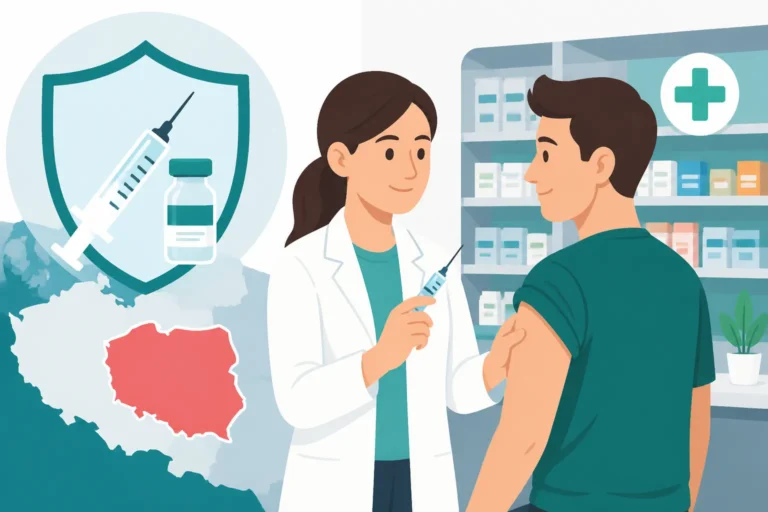
Vaccinations are a cornerstone of public health in Poland, and the NFZ ensures that all children have access to a full schedule of mandatory vaccinations free of charge. This is a huge benefit and something you won't have to worry about financially. The vaccination schedule is quite strict and is carefully managed by your child’s pediatrician at the przychodnia.
- Mandatory Vaccinations: These include protection against diseases such as:
- Tuberculosis (BCG)
- Hepatitis B
- Diphtheria, Tetanus, and Pertussis (DTaP)
- Polio
- Haemophilus influenzae type b (Hib)
- Measles, Mumps, and Rubella (MMR)
- Pneumococcal disease
- Rotavirus (for infants born after 2017)
These are administered according to a nationally standardized calendar, typically at your local przychodnia. It's a system that works incredibly well, and the medical staff are generally very experienced in dealing with young children. Our post on Understanding Vaccination Schedules and Requirements in Poland offers a deeper dive into what you can expect.
- Recommended Vaccinations: There are also several recommended vaccinations that are not mandatory but can offer additional protection, such as against tick-borne encephalitis or meningococcal disease. These are generally not covered by the NFZ, meaning you would need to pay for them privately. Your pediatrician can discuss these options with you if you're interested.
Specialist Referrals and Hospital Stays
When your child needs care beyond what a pediatrician can provide, the NFZ system includes access to a wide array of specialist doctors and hospital services. This is where the e-skierowanie (e-referral) system comes into play.
- Specialist Consultations: If your child's pediatrician determines that a specialist opinion is needed, they will issue an e-referral. This could be for a pediatric dermatologist, allergist, orthopedist, ophthalmologist, ENT specialist, or many others. These consultations are free of charge. The main challenge here, as with many public systems, can be the waiting times for non-urgent appointments. In larger cities, for instance, securing an appointment with a pediatric allergist might mean waiting a few weeks or even months in the public system.
- Diagnostic Tests: All necessary diagnostic tests ordered by your pediatrician or a specialist (e.g., blood tests, urine tests, X-rays, ultrasounds) are covered by the NFZ when provided in public facilities.
- Hospital Care: Should your child require hospitalization for illness, surgery, or complex diagnostic procedures, public hospital stays are fully covered. This includes accommodation, meals, medical procedures, medications administered during the stay, and follow-up care. Polish hospitals often have dedicated pediatric wards, and staff are generally compassionate and professional, even if English proficiency isn't always guaranteed outside of major international cities. In a severe emergency, knowing that the full scope of hospital care is covered under NFZ is a huge comfort.
Dental Care, Emergency Services, and Other Key Benefits
Beyond the general medical care, the NFZ also extends its coverage to other vital areas of children's health, including some dental services, essential emergency care, and crucial rehabilitative support. It's important to understand the scope of these benefits to plan for your child's needs effectively.
NFZ-Covered Dental Treatments for Kids
Dental health is a critical part of a child's overall well-being, and while the NFZ does offer some free dental services for children, it's generally more limited than what many expats might be used to from their home countries. Most parents, in practice, supplement NFZ dental care with private visits for broader options or specific aesthetic treatments.
For children, the NFZ typically covers:
- Regular Check-ups and Preventative Care: This includes basic examinations, fluoride applications, and dental sealants (lakowanie) for permanent molars (usually up to 8 years of age) to prevent cavities. These preventative measures are crucial and readily available.
- Basic Fillings: The NFZ covers specific types of fillings. For front teeth, tooth-colored composite fillings are usually available. For molars, however, you might find that only amalgam (silver) fillings are covered. Some clinics might offer white composite fillings for molars as well, but this is less common or might have age restrictions (e.g., up to 18 years for specific tooth types).
- Extractions: If a baby tooth needs to be extracted or a permanent tooth is beyond saving, extractions are covered.
- Some Orthodontic Treatment: This is usually limited to early interventions for very specific conditions and for children up to a certain age (often 12-13 years old). Comprehensive orthodontic care (braces for cosmetic reasons, etc.) is almost always a private expense.
Many expat parents choose private dental clinics for their children, particularly for more advanced white fillings on molars, broader orthodontic options, or simply for a more "kid-friendly" environment that might not be as common in public dental offices. Always check directly with a dental clinic if they have an NFZ contract and what specific services for children are covered before assuming anything.
Emergency Medical Care for Children
This is perhaps the most reassuring aspect of the Polish healthcare system: emergency medical care for children, especially in life-threatening situations, is always free and accessible, regardless of your or your child's insurance status or nationality. If your child has a serious accident or falls critically ill, they will receive immediate care without questions about payment.
- When to Call 112 or 999: For any immediate, severe emergency, do not hesitate to call the universal emergency number 112 (which connects you to all emergency services including ambulance, police, fire) or directly to the ambulance service at 999. They will dispatch an ambulance (karetka) immediately.
- Hospital Emergency Departments: For less severe but urgent situations that cannot wait for a pediatrician, you can take your child to a Szpitalny Oddział Ratunkowy (SOR – Hospital Emergency Department) or Izba Przyjęć (Admission Room) at a local hospital. These departments are designed to handle acute conditions. Be prepared for potentially long waiting times if the situation isn't life-threatening, as priority is always given to the most critical cases.
- After-Hours Primary Care: For sudden illnesses outside of your przychodnia's opening hours that aren't emergencies but require medical attention (e.g., high fever, severe cough), there are designated Nocna i Świąteczna Opieka Zdrowotna (Night and Holiday Healthcare) clinics. These are typically staffed by doctors who can examine your child, provide basic treatment, or refer them to a hospital if necessary. This service is also covered by NFZ. You can usually find information about the nearest one by asking your regular przychodnia or searching online. For more information on general emergencies, see our guide on Emergency Medical Care in Poland: What Every Expat Needs to Know.
Rehabilitation and Mental Health Support
The NFZ also recognizes the importance of rehabilitation and mental health support for children, offering various services, typically accessed through a referral from your pediatrician or a specialist.
- Physical Rehabilitation (Rehabilitacja): If your child needs physical therapy due to an injury, developmental delay, or chronic condition, the NFZ covers rehabilitation services. These are provided by qualified physiotherapists in specialized clinics. Again, a referral (e-skierowanie) is mandatory, and waiting lists can sometimes apply, depending on the specific facility and the urgency of the case.
- Mental Health Services: There's growing awareness and provision for children's mental health. With a referral, children can access psychological consultations, therapy sessions, and child psychiatry services through the NFZ. This is crucial for addressing issues like anxiety, depression, behavioral challenges, or developmental disorders. While the public system offers these services, accessing them quickly can be challenging due to high demand and limited specialists. Many expat parents opt for private psychologists or therapists, especially if they are looking for English-speaking practitioners or quicker access.
- Speech Therapy (Logopedia): For children experiencing speech or language difficulties, speech therapy sessions are also covered under the NFZ with a referral.
Common Challenges and Important Considerations for Expat Parents
Navigating any new system comes with its unique set of challenges, and Polish healthcare is no exception, especially for expat parents. Being prepared for these potential hurdles can make your experience much smoother and less stressful.
Language Barriers and Finding English-Speaking Doctors
One of the most frequently cited frustrations for expats in Poland is the language barrier, and this can be particularly concerning when it comes to your child's health. While medical professionals are highly trained, not all of them, especially outside of major cities, will be fluent in English.
- The Reality in Przychodnias: In public przychodnias, particularly in smaller towns or older clinics, you might find that your child's pediatrician or the administrative staff speak little to no English. This can make explaining symptoms, understanding diagnoses, or filling out forms incredibly difficult.
- Solutions:
- Bring a Polish Speaker: If you have a Polish friend, colleague, or family member, ask if they can accompany you to important appointments. This can make a world of difference.
- Translation Apps: While not perfect, having a reliable translation app on your phone can help with basic communication.
- Learn Basic Polish Medical Phrases: Even a few key phrases can go a long way in showing effort and aiding understanding.
- Seek English-Speaking Clinics: In larger cities like Warsaw, Krakow, or Gdansk, there are more public przychodnias and hospitals where staff might have better English proficiency. It's worth asking around in expat groups or calling ahead.
- Consider Private Options: Many private clinics, such as Medicover or LUX MED, specifically cater to the international community and have a much higher percentage of English-speaking doctors and staff. While not free under NFZ, these can be a lifesaver for peace of mind. Our guide on How to Find an English-Speaking Doctor in Poland offers more tips.
Waiting Times and Alternative Solutions
The NFZ provides excellent, free care, but the trade-off, as in many public systems worldwide, can often be significant waiting times for non-urgent specialist appointments or certain diagnostic procedures. This can be particularly frustrating when you're worried about your child.
- Specialist Waiting Lists: While emergency care is immediate, getting an appointment with a pediatric allergist, orthopedist, or even for certain therapies can sometimes involve waiting weeks or even months in the public system. The most urgent cases are always prioritized, but for less critical issues, patience is often required.
- Alternative Solutions:
- Private Healthcare Subscriptions: Many expat families opt for private medical subscriptions with providers like LUX MED or Medicover. These operate on a membership model (you pay a monthly fee) and offer quicker access to specialists, often with English-speaking doctors, and generally shorter waiting times. They are not covered by the NFZ but can complement public services by handling routine and non-urgent specialist care efficiently. Our article Understanding Private Medical Subscriptions (Medicover, LUX MED) in Poland has more details.
- One-Off Private Appointments: For a specific, non-urgent specialist consultation where you don't want to wait, you can always pay for a private appointment. This typically costs anywhere from 150 to 350 PLN for a specialist, depending on the city and the doctor's experience.
- Temporary/Travel Insurance: If you're a new arrival and still in the process of setting up your NFZ coverage, or if you're traveling frequently, having robust travel medical insurance can bridge potential gaps. Companies like SafetyWing offer flexible travel and medical insurance plans that can cover unforeseen medical issues while you're sorting out your long-term residency and public health insurance. It’s a good safety net for those initial weeks or for periods of international travel outside of Poland.
Registration Hurdles and Necessary Documentation
While children are automatically covered through an insured parent, there are still initial administrative steps for you, the parent, that directly impact your child's access to NFZ services. This mostly revolves around ensuring your own eligibility and getting your documentation in order.
- PESEL Number: The PESEL number is your universal identification number in Poland, and it's absolutely fundamental for accessing healthcare services, including those for your child. You'll need it for your own NFZ registration, for receiving e-prescriptions, and for registering your child with a pediatrician. Without a PESEL, things can become very difficult. Getting your PESEL number is usually one of the first things you should do upon arrival. Learn more about its importance in How to Get Your PESEL Number and Why It Matters for Healthcare.
- Proof of Insurance: To ensure your child is linked to your NFZ coverage, you'll need to demonstrate your own active insurance. This usually means showing confirmation from your employer (e.g., a ZUS RCA report), or proof of your self-employment contributions.
- Registering with a Przychodnia: Once you have your PESEL and proof of insurance, you'll need to go to your chosen przychodnia to formally register yourself and your child with a specific pediatrician. This involves filling out forms (often in Polish), and it's best to do this in person. Bring your passport, PESEL document, and any employment or self-employment contracts.
The bureaucratic dance can feel tedious, but once these initial steps are completed, accessing free healthcare for your children through the NFZ becomes much smoother and less daunting.
Overview of Free NFZ Services for Children
| Service Category | Specific Services Covered (Free) | Access Method | Common Challenges / Notes |
|---|---|---|---|
| Primary Care (Lekarz POZ) | Routine well-child check-ups, developmental assessments, general health advice, basic illness diagnosis, e-prescriptions, e-referrals | Registration with a chosen pediatrician at a local przychodnia. | Potential language barrier with staff; need to register child under insured parent. |
| Vaccinations | All mandatory vaccinations according to the Polish schedule (e.g., DTaP, MMR, Polio, Hep B, Pneumococcal, Rotavirus). | Administered at the registered przychodnia by a pediatrician/nurse. | Strict schedule; recommended (non-mandatory) vaccines are usually private. |
| Specialist Consultations | Pediatric specialists (e.g., allergist, dermatologist, orthopedist, ophthalmologist, ENT) with referral. | E-referral from Lekarz POZ required. | Significant waiting times for non-urgent appointments in the public system. |
| Diagnostic Tests | Blood tests, urine tests, X-rays, ultrasounds, other necessary diagnostics ordered by an NFZ doctor. | E-referral from Lekarz POZ or specialist. | Generally efficient, but some specialized tests might have queues. |
| Hospital Care | Hospital stays, surgeries, treatments, medications, meals, and emergency admissions in public hospitals. | Via referral from Lekarz POZ or direct admission via SOR for emergencies. | Language barrier can be more pronounced; emergency rooms may have long waits for non-life-threatening conditions. |
| Emergency Services | Ambulance transport, immediate medical intervention, urgent care at Hospital Emergency Departments (SOR) and Night & Holiday Clinics. | Call 112/999 or walk-in to SOR/Nocna i Świąteczna Opieka Zdrowotna. | Prioritization by severity means non-critical cases may wait; after-hours clinics handle less severe urgent issues. |
| Dental Care | Basic examinations, fluoride, sealants (lakowanie), amalgam fillings (often only for molars), some white fillings (front teeth only), extractions, limited early orthodontics. | Access through NFZ-contracted dental clinics. | Limited scope compared to private care; many parents opt for private for better quality/broader options, especially for aesthetic fillings. |
| Rehabilitation & Mental Health | Physical therapy, psychological consultations, child psychiatry, speech therapy (all with referral). | E-referral from Lekarz POZ or specialist. | Long waiting lists for specialists and therapists; finding English-speaking practitioners for mental health can be challenging in the public system. |
Remember, while the NFZ offers a comprehensive safety net, understanding its structure, overcoming initial administrative hurdles, and being prepared for potential waiting times will significantly enhance your experience as an expat parent in Poland.
Disclaimer
The information provided in this guide is for general informational purposes only and does not constitute medical or legal advice. While we strive to keep the information up-to-date and accurate, healthcare regulations and procedures in Poland can change. Always consult with a qualified medical professional, a legal expert, or the National Health Fund (NFZ) directly for advice tailored to your specific situation. We are not responsible for any actions taken based on the information presented here.