What Documents Do I Need for a Polish Residence Permit?
Navigating the labyrinthine halls of the Urząd Wojewódzki (Voivodeship Office) in Poland to apply for a residence permit can feel like a quest straight out of a medieval fantasy, but with less glory and more paperwork. The sheer volume of documents required, coupled with the often-opaque instructions and the dreaded "missing one tiny piece of paper" scenario, can easily overwhelm even the most seasoned expat. This guide is here to demystify the process, breaking down exactly what documents you’ll need for your Polish residence permit, how to prepare them, and what specific hurdles you might encounter.
The Foundation: Core Documents Everyone Needs
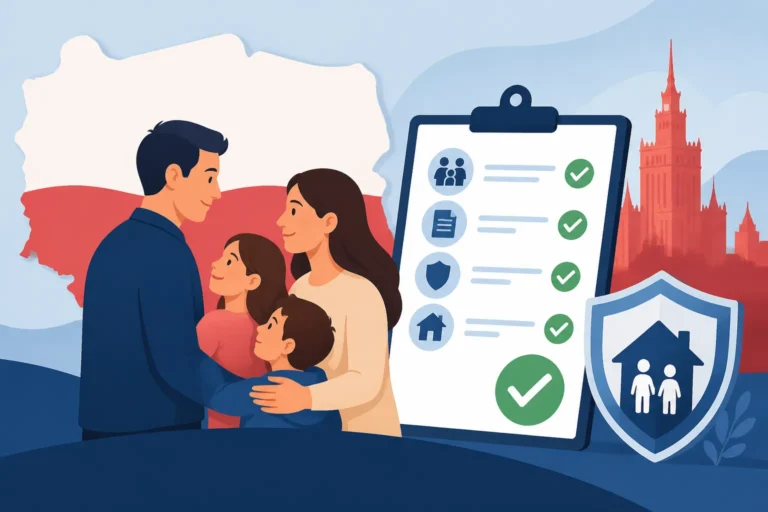
Regardless of your specific reason for wanting to stay in Poland – be it work, study, or family reunification – there’s a bedrock of essential documents that every applicant must present. Think of these as your basic entry tickets to the Karta Pobytu application process. Missing any of these will almost certainly result in your application being returned, a request for supplementary documents, or simply prolonged agony. And believe me, when dealing with Polish administration, every delay feels like an eternity.
The Application Form Itself
First and foremost, you need the official application form for a temporary residence permit. This isn't just a simple one-pager; it's a multi-page behemoth that asks for everything from your great-grandmother's maiden name (okay, maybe not that far back, but sometimes it feels like it) to your shoe size. You typically fill out the "Wniosek o udzielenie zezwolenia na pobyt czasowy" (Application for a Temporary Residence Permit). It's crucial that you fill this out completely and accurately, in Polish. If your Polish isn't up to scratch, enlist the help of a trusted Polish speaker or a professional translator. Do not guess, as errors can cause significant delays.
Make sure you sign every page where indicated, and double-check all dates and personal information against your passport. It’s also wise to make a copy of the completed form for your own records before submission – you never know when you might need to refer back to it, especially if there are discrepancies later on. The official form can usually be downloaded from your local Urząd Wojewódzki website, but sometimes they change, so always ensure you have the absolute latest version.
Passport, Photos, and Biometrics
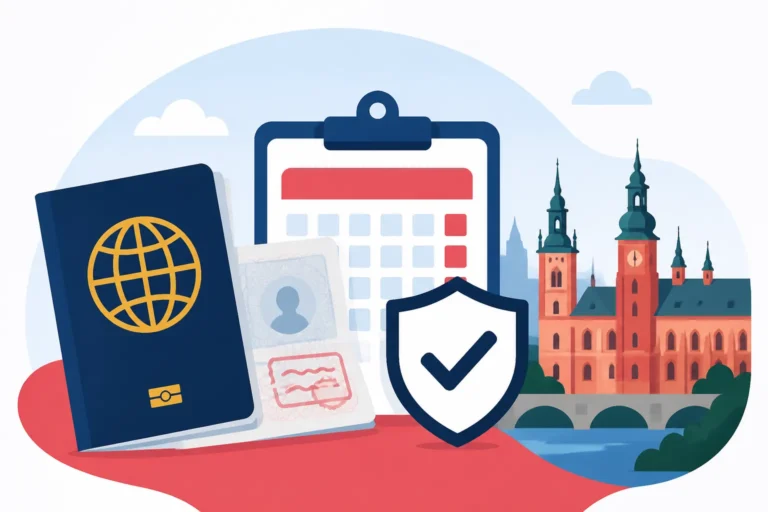
Your travel document, usually your passport, is the cornerstone of your identity here. You'll need photocopies of all pages of your valid travel document that contain personal data, visas, stamps, and any other official markings. The original passport will need to be presented for verification when you submit your application and potentially again when you collect your residence card. Always keep your original passport safe, but be prepared to show it.
Alongside your passport, you’ll need several biometric photographs. These aren't your typical selfies! They must adhere to very specific guidelines: 35x45mm, clear background, looking straight ahead, no hats (unless for religious reasons), and neutral expression. You usually need four current colour photographs. Many photography studios in Poland are familiar with these requirements, so simply tell them it’s for a "Karta Pobytu" or "dokumenty do urzędu," and they'll know exactly what to do. The Urząd is very strict on photo quality and adherence to guidelines, so don't try to cut corners with a DIY photo booth shot.
Proof of Funds and Accommodation
This is where things can get a bit tricky, and it’s a common stumbling block for many. Poland wants to know that you can support yourself financially and have a roof over your head without becoming a burden on the state. For proof of funds, you generally need to show bank statements (translated into Polish by a sworn translator if they're from a foreign bank) that demonstrate sufficient means to cover your living expenses and return travel. The exact amount can vary but is usually pegged to a certain multiple of the social assistance threshold. You'll also need to prove how this income will be regular, whether it's through employment, a scholarship, or another stable source.
For accommodation, you need to provide legal proof of where you live. This could be a rental agreement (umowa najmu) – ideally a najem okazjonalny which is often preferred by landlords – a notarized statement from the property owner, or documents proving you own property in Poland. A simple informal agreement won't cut it. The address on your application must match your proof of accommodation exactly. Make sure your rental contract is properly executed and, if necessary, registered. This is also where you might be asked for a statement confirming that the owner or primary tenant agrees to you residing there. Sometimes, you might even need to present a copy of the Land and Mortgage Register (Księgi Wieczyste) for the property, especially if you’re buying.
Documents Tailored to Your Purpose of Stay
Once you have your core documents in order, you’ll need to delve into the specifics based on why you’re applying for a residence permit. This is where the application process truly branches out, catering to workers, students, family members, and entrepreneurs alike.
For Work: Employment Contracts and Labour Market Tests
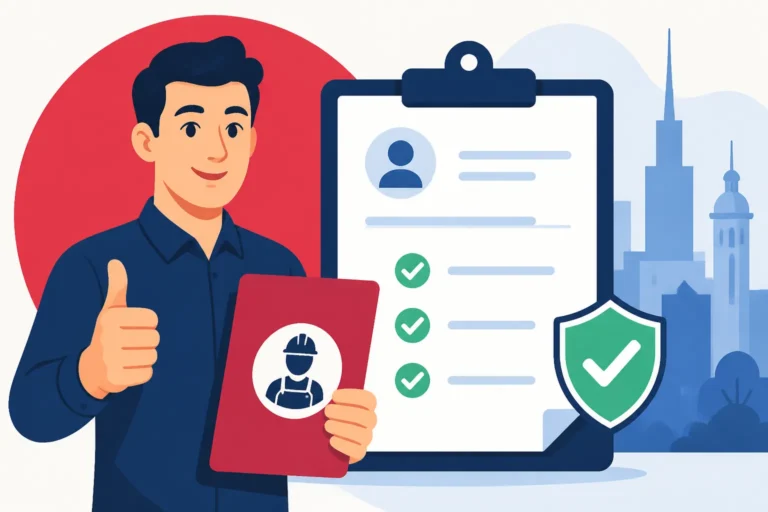
If your intention to reside in Poland is employment-based, this section is critical. The primary document here is your employment contract (umowa o pracę or a valid umowa zlecenie for certain cases), signed by both you and your employer. This contract needs to clearly state your position, salary, working hours, and the duration of employment. Crucially, your employer will also need to secure a work permit (Zezwolenie na Pracę) for you, or your permit application will be processed as a "Single Permit" (Jednolite Zezwolenie) combining both residence and work aspects.
Often, for non-EU/EEA citizens, the employer also needs to perform a "labour market test" (test rynku pracy). This means they have to demonstrate that no Polish or EU citizen could fill your position. While this test is often waived for certain in-demand professions (like IT specialists), it's a common requirement. Your employer will usually handle this process with the local labour office (Powiatowy Urząd Pracy), and you'll need the document confirming the result of this test. Moreover, your employer will need to provide a statement confirming they intend to employ you, detailing your job responsibilities and anticipated earnings, and confirming their legal standing and ability to employ foreigners.
For Study: Acceptance Letters and Academic Records
Students have a distinct set of requirements. You’ll need an official acceptance letter from a Polish educational institution – be it a university, a language school, or another approved learning body. This letter should specify the course of study, its duration, and confirm your enrolment. If you’ve been awarded a scholarship, you'll need proof of that as well.
Beyond the acceptance letter, you might be asked for proof of previous academic achievements, such as diplomas or transcripts from your last educational institution, often requiring a sworn translation into Polish. As with employment, proof of sufficient funds is paramount. This could be bank statements, a letter from a sponsor, or evidence of a scholarship that covers your tuition fees and living expenses. Universities like Jagiellonian University or the University of Warsaw often have very clear guidelines on their international student portals regarding the documents needed for visa and residence permit applications. Ensure you review these specific university requirements in addition to the general Urząd requirements.
For Family Reunification: Marriage Certificates and Relationship Proof
Bringing your family to Poland, or joining a family member already here, involves demonstrating the legitimacy of your relationship. If you're joining a spouse, your official marriage certificate is paramount. If married abroad, it typically needs to be apostilled or legalized and then translated into Polish by a sworn translator. You might also need to officially register your foreign marriage in Poland – a process known as transkrypcja aktu małżeństwa.
For children, birth certificates (again, translated and possibly apostilled) are essential. You'll also need to prove the financial stability and accommodation of the family member you are joining, as they will be your sponsor. This often means providing their residence permit, income statements, and rental contract. The Urząd often scrutinizes family reunification applications quite closely, so be prepared to provide extensive documentation proving your relationship is genuine, which might include shared utility bills, photographs, and correspondence. This can be a very emotional and frustrating part of the process, but patience and thoroughness are key.
For Self-Employment: Business Registration and Financial Projections
For those looking to run their own business, typically as a Sole Proprietorship (Jednoosobowa Działalność Gospodarcza, or JDG), the documentation focuses on the viability and legality of your venture. You’ll need proof of your business registration in Poland – usually an extract from the CEIDG (Centralna Ewidencja i Informacja o Działalności Gospodarczej) register.
Beyond registration, you’ll need to demonstrate the financial health and potential of your business. This often involves providing a business plan, financial projections (for at least the next year), and proof of initial capital investment. The Urząd wants to see that your JDG is not just a nominal activity but a legitimate, income-generating enterprise that can support you. This can be particularly challenging for new businesses without an established track record, so thorough planning and realistic projections are crucial. You'll also need to show how your business will generate sufficient income, possibly through invoices, contracts with clients, or proof of services rendered.
Common Pitfalls and Essential Preparation Tips
The Polish residence permit application process is notorious for its bureaucratic hurdles. Even with all the correct documents, small oversights can lead to significant delays. Understanding common pitfalls and preparing thoroughly can save you a lot of stress.
Sworn Translations and Legalizations
A huge number of documents submitted will need to be translated into Polish by a tłumacz przysięgły (sworn translator). This is not just any translator; it has to be one officially recognized by the Polish Ministry of Justice. Translations done by non-sworn translators will almost certainly be rejected. Always budget for this, as sworn translations can add up, and they take time. Similarly, some documents, especially those from outside the EU/EEA, may need to be apostilled or legalized in your home country before being translated. This verifies the authenticity of the originating document itself. Always check the specific requirements for documents issued in your country.
For instance, a birth certificate from India might need to be legalized by the Polish embassy in India, then sent to Poland for sworn translation. Make sure to factor in the time and cost for these steps. When considering moving services, brands like Sirelo can sometimes connect you with reputable local service providers, including sworn translators, which can be a huge relief in navigating this particular bureaucratic minefield.
The PESEL Number and Health Insurance
While not always strictly a pre-requisite for submitting the Karta Pobytu application itself, having a PESEL number is almost essential for daily life in Poland, and often requested during the processing of your permit. A PESEL is your national identification number, and you'll need it for everything from registering with a doctor to opening a bank account. You can apply for one after registering your temporary address (zameldowanie).
Health insurance is another non-negotiable. You must prove you have valid health insurance covering your stay in Poland. For employees, this is usually covered by ZUS contributions. For students, the self-employed, or those on other permits, you might need to register for voluntary NFZ insurance or, more commonly, secure private health insurance. Options like Cigna Global offer comprehensive international health insurance plans that are often accepted for residence permit applications and provide peace of mind in a foreign healthcare system. Always have a copy of your insurance policy, clearly stating the coverage and its validity period.
Here’s a quick overview of key documents and their specific requirements:
| Document Type | General Requirement | Specifics/Notes |
|---|---|---|
| Application Form | Official "Wniosek o udzielenie zezwolenia na pobyt czasowy" | Fully completed in Polish, signed on all designated pages, latest version from Urząd website. |
| Passport | Valid travel document | Original for verification, photocopies of all relevant pages (personal data, visas, stamps). |
| Biometric Photos | 4 current colour photographs | 35x45mm, clear background, neutral expression, adhere to strict guidelines. |
| Proof of Funds | Bank statements, income certificates, scholarship letter | Must show sufficient means for living expenses and return travel. Sworn translation if foreign currency/bank. |
| Proof of Accommodation | Rental agreement, notarized owner statement, property deed | Must be a legal document, match application address. Najem okazjonalny often preferred for rentals. |
| Work Permit/Contract | (For Workers) Employer's Work Permit (Zezwolenie) or Single Permit application proof | Valid employment contract (umowa o pracę/zlecenie), employer declaration, labour market test result (if applicable). |
| Acceptance Letter | (For Students) University/school acceptance | Official letter detailing course, duration, and enrolment. Proof of scholarship/funds. |
| Marriage/Birth Cert. | (For Family) Official certificates | Apostilled/legalized, sworn translated. Proof of sponsor's residence/funds. |
| Business Registration | (For Self-Employed) CEIDG extract | Business plan, financial projections, proof of capital for JDG. |
| Health Insurance | Proof of valid health insurance | NFZ coverage, private policy (e.g., from Cigna Global), or EHIC for EU citizens (for initial period). |
| PESEL Number | National identification number (highly recommended) | While not always strictly required for submission, you'll need it shortly after, and it helps with many processes. |
Booking Your Appointment and Submission
Once your formidable stack of documents is ready, you'll need to submit them. This almost always requires booking an appointment at your local Urząd Wojewódzki. Be warned: these appointments can be incredibly difficult to secure, often requiring you to log on precisely when new slots are released (which can be erratic) and to be very, very fast. In major cities like Warsaw or Krakow, booking an appointment at the Urząd Wojewódzki for immigration can be a source of immense frustration. Don't be surprised if it takes multiple attempts over several weeks.
When you go to your appointment, bring all originals and at least two sets of photocopies of every single document. It’s not uncommon for them to ask for extra copies on the spot, and if you don't have them, you might be sent away to a nearby photocopy shop, losing valuable time and potentially your appointment slot. Ensure everything is neatly organized, ideally in folders, and be prepared for a potentially long wait, even with an appointment.
Finally, remember that the initial application is just the first step. You'll likely be called back for fingerprinting (biometrics) and possibly asked to provide supplementary documents if anything is unclear or missing. Staying organized and keeping meticulous records of all communication with the Urząd is vital throughout this often-protracted process. It’s a marathon, not a sprint, but with careful preparation, you will get there.
Disclaimer
The information provided in this guide is intended for general informational purposes only and does not constitute legal advice. Immigration laws and procedures in Poland can change frequently and vary depending on individual circumstances and nationality. While we strive to provide accurate and up-to-date information, we strongly recommend consulting with a qualified immigration lawyer or specialist in Poland for personalized advice regarding your specific residence permit application.