How Do I Get My Teaching Degree Recognised in Poland?
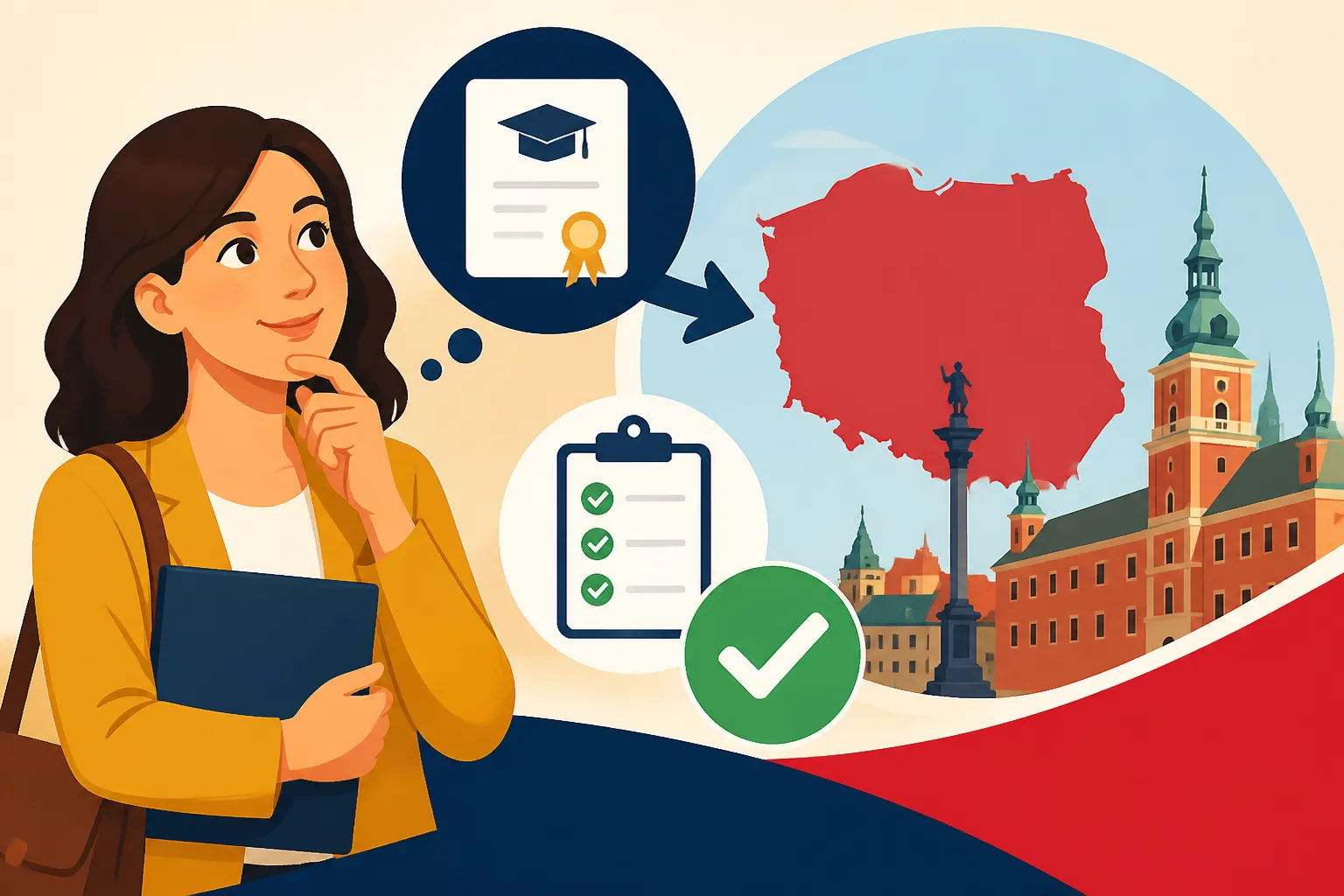
One of the most bewildering aspects of moving to Poland for many expats is navigating the bureaucratic maze, especially when it comes to professional qualifications. If you’re a qualified teacher from abroad and dream of bringing your skills to Polish classrooms, you're likely wrestling with the question of how to get your teaching degree recognised here. This guide will walk you through the often-confusing process of nostryfikacja and other vital steps to get your teaching credentials accepted in Poland.
The Initial Hurdles: Understanding Nostryfikacja and Accreditation
Before you even think about submitting documents, it's crucial to understand the fundamental difference in how Poland views foreign qualifications, especially for regulated professions like teaching. It’s not simply a matter of translating your diploma; there’s a specific legal process involved.
What is Nostryfikacja and Why is it Necessary?
Nostryfikacja is the formal recognition of a foreign higher education diploma as its Polish equivalent. For many professions, particularly those in the public sector or regulated fields such as medicine, law, and yes, teaching in public schools, this process is legally mandatory. Without it, your foreign teaching degree, no matter how prestigious back home, might not hold the same weight in Poland.
The need for nostryfikacja stems from ensuring that professionals working within Poland meet specific national standards and curriculum requirements. For teachers, this often means demonstrating not just subject matter expertise but also pedagogical training that aligns with the Polish educational system. It’s about guaranteeing that you have the foundational knowledge and skills to effectively teach within their established framework, protecting both students and the integrity of the education system. This can be a frustratingly slow process, often feeling like a hurdle designed to test your patience rather than your competence, but it's a non-negotiable step for certain career paths.
General Requirements for Academic Degree Recognition
The nostryfikacja process is typically managed by Polish universities that offer equivalent or similar study programs. They are the gatekeepers, so to speak, for assessing whether your foreign degree matches up. Generally, they will compare your curriculum, the number of ECTS credits you accumulated, the scope of your final thesis, and the learning outcomes of your studies against their own programs.
You'll need a comprehensive set of documents, usually including your original diploma, transcripts detailing all subjects studied and grades received, a curriculum description (often called a 'sylabus' or course description), and proof of any practical training or internships. These documents usually need to be officially translated into Polish by a sworn (certified) translator. The university then has up to 90 days (excluding document collection time) to make a decision. Keep in mind that for a teaching qualification, merely having your academic degree recognized is often just the first step.
Specific Pathways for Teaching Qualifications
Teaching in Poland isn't a "one size fits all" scenario when it comes to foreign qualifications. The path you take and the hoops you jump through largely depend on where you intend to teach. Public schools have a much more stringent set of requirements than private or international institutions.
Teaching in Public vs. Private Schools: Different Rules of Engagement
This is perhaps the most critical distinction for any expat teacher in Poland. If your dream is to work in a Polish public school, immersing yourself fully in the national curriculum and system, then nostryfikacja of your academic degree is just the beginning. You will also need to demonstrate pedagogical qualifications that meet Polish standards, often requiring specific post-graduate studies in Poland or proof of equivalent training. Furthermore, a strong command of the Polish language is almost always mandatory, both for classroom instruction and for navigating administrative duties and communicating with parents. Public school teaching is a regulated profession, and the requirements are strict.
On the other hand, if you're aiming for international schools or private language academies, the requirements are often far more flexible. These institutions typically follow international curricula (like IB, British, or American systems) and often conduct classes entirely in English or another foreign language. They are more interested in your international experience, relevant certifications (like PGCE, CELTA, or a state teaching license from your home country), and your ability to teach in their target language. While they appreciate any form of Polish recognition, it's rarely a deal-breaker. Many expats find their niche in these schools precisely because they bypass the complexities of Polish public sector recognition. For more insights on the general job market, check out The Expat Guide to Finding a Job in Poland (2027).
The Role of Kuratorium Oświaty Educational Superintendency
For those determined to teach in a Polish public school, the Kuratorium Oświaty (Educational Superintendency) plays a pivotal role. This regional educational authority is responsible for overseeing public education within its voivodeship (province). After your academic degree has been nostryfikowane by a university, you will likely need to approach the Kuratorium Oświaty to have your professional pedagogical qualifications recognized.
This often involves submitting proof of your teaching practice, pedagogical modules completed during your studies, and any teacher training certifications. The Kuratorium will assess if your training aligns with the specific requirements for teaching in Polish public schools, including the number of pedagogical hours and the scope of practical experience. This can be a very detailed and sometimes frustrating process, as they might require additional documentation or even supplementary training if they deem your foreign qualifications insufficient by Polish standards. It's their job to ensure that anyone stepping into a Polish public classroom meets the strict criteria set forth by the Ministry of Education.
Nostryfikacja for Your Academic Degree
Let's zoom in on the academic nostryfikacja process itself. This is handled by a Polish university that offers a degree program similar to the one you completed abroad. The first step is to identify such a university. You'll need to contact their relevant faculty or the Dean's office (often the Dziekanat for students or a dedicated international office) and inquire about their specific nostryfikacja procedure. Each university can have slightly different internal rules, so don't assume one university's process is identical to another's.
Once you have identified the appropriate university and faculty, you will typically need to submit an application along with a comprehensive portfolio of documents. This includes your original diploma and transcripts, course syllabi, a detailed description of your study programme, and often proof of your research or final project. Remember, these must be translated by a sworn translator. The university committee will then compare your education to their own programs. If they find significant differences in the curriculum, they might require you to complete additional courses, exams, or internships to bridge the gap. This can add considerable time and cost to the process, but it's often a necessary step to bring your qualification in line with Polish standards. A deeper dive into general degree recognition can be found in our guide: How to Get Your Foreign Degree Recognised (Nostryfikacja) in Poland.
Practical Steps and Overcoming Obstacles
Navigating the Polish administrative system, especially for something as complex as degree recognition, requires patience, meticulous organisation, and often a thick skin. It’s not always straightforward, but with the right approach, it’s achievable.
Gathering Your Documents and Certifications
This step cannot be stressed enough: organisation is key. Before you even set foot in an office, compile every single document related to your teaching degree and professional qualifications. This includes:
- Your original degree certificate(s) and any accompanying diplomas.
- Official academic transcripts detailing every course, grade, and credit hour.
- Course descriptions or syllabi for all relevant subjects, especially pedagogical ones. The more detailed, the better, as this helps the Polish institution compare curricula.
- Proof of practical teaching experience, internships, or student teaching, including hours completed and evaluations.
- Any national or state-issued teaching licenses or certifications from your home country.
- A valid passport or ID and your PESEL number if you have one (essential for most official procedures, see: How to Get Your PESEL Number and Why It Matters for Healthcare).
- A certified Polish translation of all these documents by a sworn translator (tłumacz przysięgły). This is absolutely non-negotiable for official applications.
Make multiple copies of everything, both in original language and translated versions. Keep a digital backup too. You’ll be surprised how many times you’ll need to present these.
Language Requirements and Bridging the Gap
For public schools, the Polish language requirement is significant. You need to be able to communicate effectively with students, parents, and colleagues, and often teach your subject in Polish. While some schools might have special programs for foreign language teachers, generally, a B2 or C1 level of Polish is expected. If your Polish isn't up to par, you'll need to invest time and effort in improving it.
There are many fantastic resources available, from local language schools in cities like Warsaw or Krakow to online platforms. For instance, iTalki can be a great resource for finding Polish tutors for one-on-one lessons, helping you focus on the specific vocabulary and communication skills needed for a classroom environment. Regularly practising with native speakers can make a huge difference. Don't underestimate this hurdle; it's often more challenging than the nostryfikacja itself for public school positions. Our guide How to Enrol in a Polish Language Course provides more details on options.
Navigating the Application Process and Potential Delays
The application process for nostryfikacja and subsequent Kuratorium Oświaty approval can be a lengthy journey. Expect delays. Universities and state offices in Poland, while often staffed by helpful individuals, operate at their own pace, and communication can sometimes be challenging, especially if you're not fluent in Polish.
Start by contacting the chosen university's Dean's office or international department to get their specific checklist and application forms. Once you submit your documents, follow up regularly, but politely. Sometimes, a gentle nudge or clarification is all that's needed. If you're required to take supplementary courses or exams, understand the schedule and commit to them. Patience truly is a virtue here. Many expats find it helpful to engage a local administrative assistant or a legal firm specialising in immigration and education matters, particularly if the language barrier becomes too significant. For understanding the broader work permit context, see How to Get a Work Permit (Zezwolenie na Pracę) in Poland.
After Recognition: Finding Your Teaching Niche
Once you've successfully navigated the nostryfikacja process and, if applicable, received approval from the Kuratorium Oświaty, you're officially ready to enter the Polish teaching job market. But even then, where you land will depend on your qualifications and language skills.
Public School Applications vs. International School Opportunities
With your teaching degree recognized for public schools, you can begin applying directly to Polish public primary schools (szkoła podstawowa) or high schools (liceum) through the typical hiring channels, which might include school websites, local government job boards, or directly contacting school principals. These roles often require not just your teaching qualification but also strong Polish language skills and an understanding of the national curriculum. Competition can be high, especially in larger cities, and networking within the local education community can be beneficial.
However, even with nostryfikacja, many expats, particularly those whose primary language of instruction is English or another foreign language, often find abundant opportunities in international schools. These schools are typically less concerned with Polish nostryfikacja and more interested in globally recognized teaching certifications and international experience. They offer competitive salaries and a diverse, multicultural environment. Popular international school chains like the International School of Warsaw, the American School of Warsaw, or the British International School of Cracow are constantly looking for qualified, English-speaking teachers. These schools generally advertise on international education job boards or their own websites. Consider our guide: How to Find English-Speaking Jobs in Poland.
Continuous Professional Development and Further Qualifications
The world of education is constantly evolving, and Poland is no exception. Even after your degree is recognized, continuous professional development is highly valued. This could involve participating in Polish educational conferences, taking additional courses in specific pedagogical methods, or pursuing a post-graduate diploma in a specialized area. For those aiming for leadership roles, further qualifications like a master's degree in educational management (if you don't already have one) or school administration might be beneficial.
Staying updated with Polish educational reforms and curriculum changes is also crucial, especially for public school teachers. This not only enhances your teaching practice but also demonstrates your commitment to your profession and to contributing to the Polish educational landscape. Even if you're working in an international school, pursuing additional certifications or specializations can open doors to new roles and responsibilities. As an expat in Poland, understanding your financial obligations, including taxes, is also part of your professional responsibility. Resources like Taxes for Expats can provide clarity on your income tax obligations and help you navigate the Polish tax system effectively, ensuring you're compliant while focusing on your teaching career. For more detailed information, you can consult Understanding Income Tax (PIT) in Poland: The Full Expat Guide.
Here's a quick comparison of the main requirements for teaching in different school types:
| Feature | Public Schools (Polish System) | Private/International Schools (English/Other Language) |
|---|---|---|
| Degree Recognition | Mandatory Nostryfikacja of academic degree by a Polish university. | Typically not required, focus on home country accreditation. |
| Pedagogical Approval | Mandatory approval from Kuratorium Oświaty (Educational Superintendency). | Focus on internationally recognized teaching certifications (PGCE, state license). |
| Language Requirement | High proficiency in Polish (B2/C1 minimum) for instruction and communication. | English proficiency (or other language of instruction) required. Polish usually not mandatory. |
| Curriculum | Adherence to Polish national curriculum. | Follows international curricula (IB, British, American, etc.). |
| Job Market Entry | Apply directly to schools, local education boards. Often requires networking. | International job boards, school websites. Strong international network. |
| Visa/Permit | The Complete Guide to Polish Residence Permits for Expats (2027) and work permit generally required. | Work permit and relevant visa required. International schools often assist. |
| Typical Salary | Varies by experience and location, generally lower than international schools. | Generally higher, competitive with international standards. |
| Additional Training | May require supplementary courses or exams to bridge curriculum gaps. | Often value additional certifications or experience in specific curricula. |
Disclaimer
The information provided in this guide is intended for general informational purposes only and does not constitute legal, financial, or professional advice. While we strive to keep the content up-to-date and accurate, regulations and procedures in Poland can change frequently. It is always recommended to consult with official authorities, legal professionals, or educational experts for advice tailored to your specific situation. We do not assume any liability for decisions made based on this information.