How to Enrol in a Polish Language Course
Stepping into life in Poland is an adventure, isn't it? But, let's be honest, the moment you try to do anything beyond ordering a coffee, you quickly realise that Polish, with its formidable cases and tongue-twisting sounds, isn't just a quaint local dialect – it's often a crucial key to truly unlocking your experience here. This guide is all about helping you navigate the sometimes-daunting world of finding and enrolling in a Polish language course, taking you from bewildered newbie to confident student.
Why Learning Polish Isn't Just a "Nice-to-Have"
When you first arrive in Poland, especially in bigger cities like Warsaw, Krakow, or Wrocław, it's easy to get by with English. Most younger people, particularly in the service industry or international companies, speak it pretty well. You might think, "Why bother with Polish, then?" Trust me, as someone who's been here a while, that convenience quickly turns into a barrier when you step outside the expat bubble. Learning Polish isn't just about showing respect for your host country; it's about integration, daily convenience, and even your peace of mind.
Breaking Down Communication Barriers
Imagine trying to explain a complex medical symptom to a doctor who only speaks Polish, or trying to understand the nuances of a lease agreement. Even simple tasks like calling a utility company or understanding the local news can become incredibly frustrating. While many clinics in larger cities offer English-speaking doctors, having some Polish skills means you're not solely reliant on finding one, which can be a lifesaver in an emergency or in smaller towns. Being able to communicate effectively doesn't just make daily life smoother; it also deepens your understanding of Polish culture and people. You'll find yourself able to engage in conversations beyond basic pleasantries, truly connecting with your neighbours, colleagues, and the wider community. It also helps immensely when you need to deal with local bureaucracy, like applying for a residence permit or dealing with the Urząd Wojewódzki.
Enhancing Your Career Prospects and Social Life
Let's talk career. While there are plenty of English-speaking jobs in Poland, particularly in the IT and outsourcing sectors, having Polish on your CV opens up a whole new world of opportunities. Many roles, especially those with management responsibilities or requiring interaction with Polish clients, will prefer or even require Polish language skills. It shows dedication, adaptability, and a willingness to fully commit to your life here. Even if your current job doesn't demand it, those extra language skills can be a significant advantage for promotions or future roles. Beyond work, your social life will flourish. You'll be able to join local clubs, participate in community events, and truly understand the humour and colloquialisms that make Polish conversations so rich. This isn't just about making Polish friends (though that's a huge bonus!); it's about feeling less like a visitor and more like a part of the fabric of society.
Understanding Your Learning Style and Goals
Before you jump into the first course you find, take a moment to reflect on how you learn best and what you want to achieve. Are you a social butterfly who thrives in a group setting, or do you prefer the focused attention of a private tutor? Do you need Polish for everyday survival, or are you aiming for fluency to impress your in-laws? Different strokes for different folks, as they say, and knowing yourself will save you time, money, and a lot of frustration.
Assessing Your Current Level and Pace
If you've already dabbled in Polish, even just a few phrases, you might not be a complete beginner. Many schools offer placement tests to help you find the right level, from A1 (beginner) all the way up to C2 (proficient). Be honest with yourself about your current abilities. Overestimating your level can lead to feeling overwhelmed and demotivated, while underestimating it can mean you're bored.
Consider also your ideal learning pace. Do you want to dive in headfirst with an intensive course, dedicating several hours a day, several days a week? This can be great for rapid progress, especially if you have a tight deadline, like needing to pass a language exam for a Polish residence permit. Or do you prefer a slower, more relaxed pace, perhaps once or twice a week, allowing you to absorb information gradually while balancing work and life? Many expats find that two to three times a week for a couple of hours hits a good balance – enough to make progress without burning out. Think about how much time you can realistically commit outside of class for homework and revision, because consistency is truly key with Polish.
Defining Your Specific Language Objectives
What exactly do you want to achieve by learning Polish? Is it to:
- Handle daily transactions (shopping, ordering food, asking for directions)?
- Communicate effectively at work (participating in meetings, writing emails)?
- Understand legal or administrative documents (like when you're dealing with Taxes for Expats or trying to figure out how to file your annual PIT return in Poland)?
- Pass a certified language exam for citizenship or a specific job?
- Simply enjoy conversations with Polish friends and neighbours?
Having clear objectives will help you choose a course that aligns with your needs. A general beginner's course might be perfect for daily life, but if you need Polish for a specific professional context, you might look for courses that offer business Polish or have a stronger emphasis on formal communication. Some schools even offer specialised modules for specific industries. Don't be afraid to talk to course providers about their curriculum and how it can help you achieve your personal goals. Knowing why you're learning will keep you motivated when the going gets tough – and with Polish, it often will!
Types of Polish Language Courses Available
The good news is that Poland, and especially its major cities, offers a fantastic range of options for learning Polish. Whether you prefer a traditional classroom setting, one-on-one attention, or the flexibility of online learning, there's likely something out there that fits your style and budget.
Traditional Language Schools and Group Classes
This is often the first option people consider, and for good reason. Traditional language schools provide a structured learning environment, often with set curricula, textbooks, and qualified teachers. Group classes offer the benefit of interacting with fellow students, which can be incredibly motivating. You'll practice speaking with others, do role-plays, and learn from each other's mistakes. Many language schools cater specifically to foreigners and expats, so they're often attuned to the challenges English speakers face with Polish grammar and pronunciation.
Pros:
- Structured curriculum: Clear progression, good for beginners.
- Social interaction: Meet other expats, practice with peers.
- Qualified teachers: Experienced in teaching Polish as a foreign language.
- Immersion: Most classes are taught entirely in Polish from day one, even for beginners.
- Resources: Access to textbooks, supplementary materials, and sometimes cultural events.
Cons:
- Less flexibility: Fixed schedules and locations.
- Pace: The class moves at the pace of the group, which can be too slow or too fast for some.
- Cost: Can be more expensive than some other options, especially for intensive courses.
Some well-known language schools across Poland include Polonicum (University of Warsaw), Prolog School in Krakow, Varia Polish Language Center (also in Krakow), or Leonadrdo School in Warsaw. They often offer various formats, from intensive summer courses to evening classes. If you're looking for a Polish language course in Krakow, these are great places to start researching.
Private Tutors and One-on-One Sessions
If you have specific learning needs, a tricky schedule, or simply prefer personalised attention, a private tutor might be your best bet. One-on-one sessions allow the tutor to tailor the lessons entirely to your pace, interests, and goals. This means you can spend more time on grammar points you struggle with, focus on vocabulary relevant to your work, or practice conversational Polish extensively. You can find private tutors through language schools, online platforms, or by asking for recommendations in expat groups.
Pros:
- Personalised learning: Lessons are adapted to your needs and pace.
- Flexibility: Easier to schedule around your work and personal commitments.
- Targeted improvement: Focus on your weaknesses or specific goals.
- Faster progress: Dedicated attention can lead to quicker advancements.
Cons:
- Higher cost per hour: Generally more expensive than group classes.
- Less peer interaction: You miss out on the group dynamic and peer practice.
- Finding the right fit: It might take a few tries to find a tutor whose teaching style clicks with yours.
Platforms like iTalki are fantastic resources for finding private tutors, not just in Poland but worldwide. You can browse profiles, read reviews, and even take trial lessons with different tutors to see who you connect with best. Many Polish tutors on these platforms are experienced with expat learners and can offer flexible scheduling and competitive rates.
Online Courses and Language Learning Apps
In our increasingly digital world, online learning has become an incredibly popular and accessible way to pick up a new language. This category ranges from structured online courses offered by language schools to self-study apps and comprehensive language platforms. They offer unparalleled flexibility, allowing you to learn from anywhere, often at your own pace.
Pros:
- Ultimate flexibility: Learn anytime, anywhere, at your own speed.
- Cost-effective: Many apps are free or subscription-based, often cheaper than in-person classes.
- Variety of resources: Access to videos, audio, exercises, and interactive tools.
- Supplement to other methods: Great for reviewing vocabulary or practicing between classes.
Cons:
- Lack of direct interaction: May not offer enough speaking practice (unless combined with tutoring).
- Requires self-discipline: Easy to procrastinate without a fixed schedule.
- Quality varies: Some free resources might not be as comprehensive or accurate.
- No immediate feedback: Apps can't correct pronunciation or nuanced grammatical errors in real-time like a human teacher.
Popular apps like Duolingo, Memrise, or Babbel can be excellent for building vocabulary and basic grammar. For more structured online courses, many of the traditional language schools mentioned earlier also offer virtual classrooms. These combine the benefits of a structured curriculum with the flexibility of online access, often including live video lessons and interactive exercises. This is particularly useful if you live in a smaller town where in-person options are limited, or if your work schedule is unpredictable.
Choosing the Right Course and Institution
So, you've reflected on your learning style and goals, and you know the general types of courses out there. Now comes the exciting part: making a choice! This can feel a bit overwhelming with so many options, but by considering a few key factors, you can narrow down your choices and find the perfect fit for your Polish language journey.
Factors to Consider: Budget, Location, Schedule, and Teaching Methodology
When it comes to picking a course, it's not just about what sounds good; it's about what genuinely works for your life here in Poland.
- Budget: Polish language course costs can vary widely. Group classes usually cost less per hour than private tutoring. Online apps can be very cheap or even free, but they won't replace human interaction. Decide what you're willing to invest. Keep in mind that some employers might offer subsidies for language learning, especially if it's relevant to your job.
- Location & Commute: If you're considering in-person classes, how far is the school from your home or work? A long commute, especially in cities like Warsaw or Krakow during peak hours, can quickly become a deterrent. Are there good public transport links? Convenience is a huge motivator for consistency.
- Schedule: Do they offer classes in the evenings, on weekends, or during lunch breaks? Does it clash with your work hours or other commitments? Be realistic about what you can commit to long-term. An intensive course might sound appealing, but if you're already working full-time, it could lead to burnout.
- Teaching Methodology: This is often overlooked but crucial. Do they use a communicative approach, focusing on speaking and interaction from day one? Or is it more grammar-heavy and textbook-driven? Some people thrive with lots of drills, while others need constant conversation practice. Ask about their typical lesson structure, the materials they use, and if they incorporate cultural elements. A good school will often have a clear methodology they can explain to you. Don't hesitate to ask if you can observe a class or talk to current students.
Reading Reviews and Seeking Recommendations
Word of mouth is golden in the expat community. Join local expat Facebook groups, forums, or ask colleagues and friends who have already started learning Polish. They can offer invaluable insights into specific schools, teachers, or online platforms. What was their experience like? What did they love, and what did they dislike?
Online reviews are also a good starting point, but take them with a pinch of salt. Look for patterns in feedback: do multiple people mention the same excellent teacher, or recurring issues with administration? Pay attention to reviews that detail the teaching style, class size, and overall atmosphere. A well-rounded review will often touch upon the quality of instructors, the materials used, student support, and the administrative process for enrollment. A school that prides itself on teaching excellence will often have very transparent information about its courses and instructors. For example, if you're trying to find an English-speaking GP in Krakow, you'd probably ask in local expat groups – it's the same principle for language schools!
Trial Classes and Interviews
Many reputable language schools offer trial classes or introductory sessions. Take advantage of these! It's the best way to experience the school's atmosphere, meet potential teachers, and see if the teaching style resonates with you. During a trial class, pay attention to:
- Teacher's energy and clarity: Do you feel comfortable asking questions? Is the teacher engaging?
- Class size: Is it too big or too small for your preference?
- Student interaction: Do students participate actively? Is there a good dynamic?
- Curriculum sample: Does the lesson structure feel effective for you?
If you're considering a private tutor, most, like those found on iTalki, offer discounted trial lessons. This is your chance to discuss your goals, assess their teaching methods, and gauge their personality. Don't be afraid to interview a few tutors before committing. Remember, this is an investment in your integration and daily life in Poland.
The Enrollment Process: Step-by-Step
Once you've zeroed in on the perfect Polish language course, the next step is actually signing up. While the exact process might vary slightly between institutions, there are some common steps and documents you'll typically need. Don't let the Polish bureaucracy intimidate you – it's usually quite straightforward for language courses!
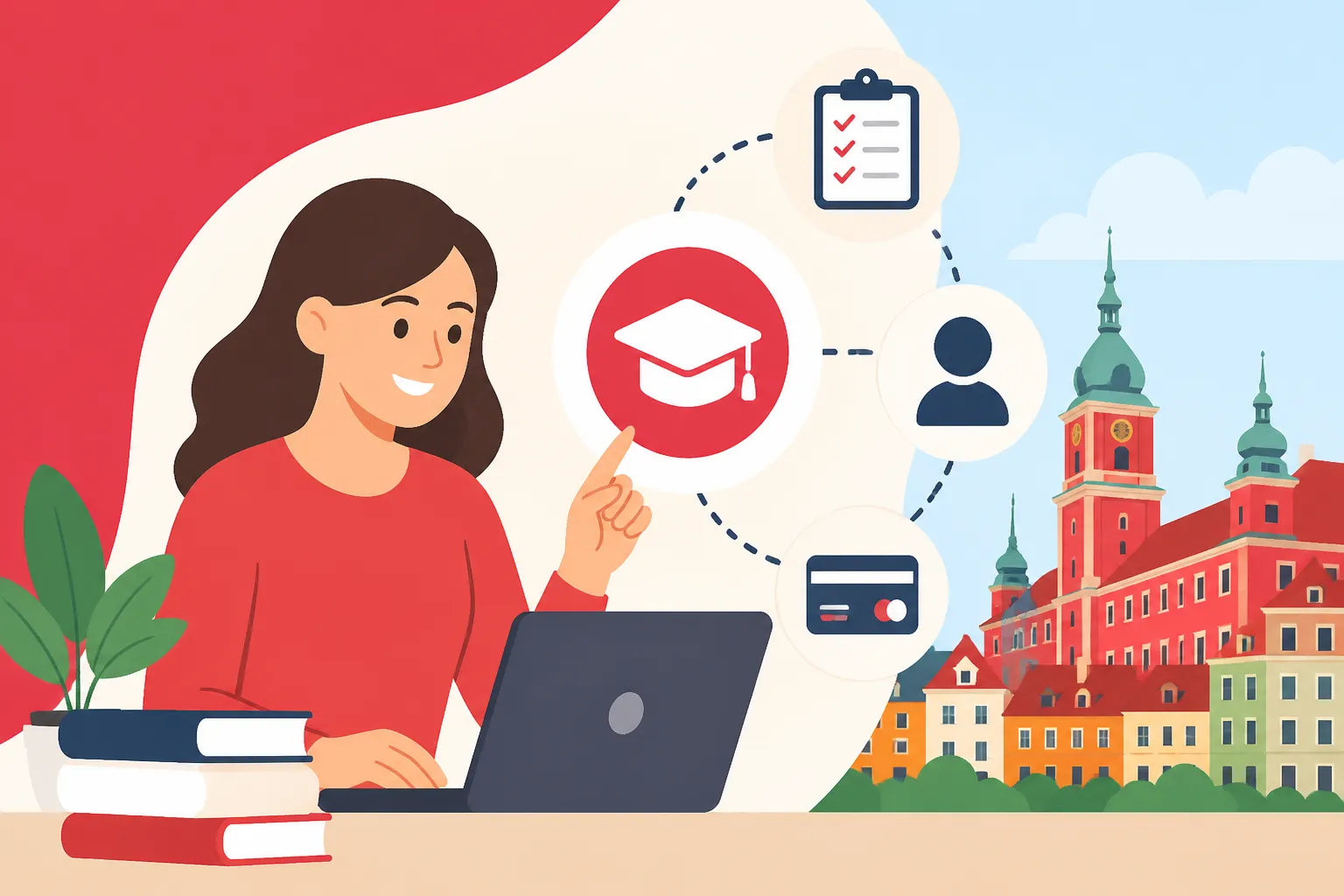
Required Documents and Information
For most language courses, especially at private schools, the documentation required is minimal, certainly less than what you might need for things like getting your PESEL number or dealing with the Urząd Wojewódzki for residency.
Typically, you'll need:
- Personal Identification: Your passport or national ID card. For EU citizens, your ID card is usually sufficient. For non-EU citizens, your passport with a valid visa or residence permit (e.g., Karta Pobytu) will be required to confirm your legal stay in Poland.
- Contact Information: Your current address in Poland, phone number, and email address.
- Payment Information: Details for bank transfer, card payment, or cash.
- Placement Test (if applicable): If you're not a complete beginner, the school will likely ask you to take a short placement test (online or in-person) to determine your current level and place you in the appropriate class. This helps ensure you're challenged but not overwhelmed.
Some schools might also ask for your PESEL number, but this is usually not a strict requirement just for a language course, especially if you're a fresh arrival. If you're enrolling in a course that might eventually lead to a Polish language certificate for a residence permit, make sure the school is accredited and recognised for issuing such certificates.
Understanding Payment Schedules and Course Fees
Course fees are typically paid upfront, either for the entire course or in instalments for longer programmes. Make sure you understand the school's payment policy regarding refunds, withdrawals, or missed classes.
Here's a general overview of payment structures:
- Full upfront payment: Often comes with a small discount.
- Instalments: Common for longer, multi-month courses, allowing you to pay in 2-3 chunks.
- Deposit: Some schools might require a non-refundable deposit to secure your spot, with the remainder due before the course begins.
- Additional costs: Factor in textbooks and materials, which are sometimes included in the fee but often sold separately.
A typical cost of a Polish language course can vary significantly. For a standard group course (e.g., 2 classes per week for 2-3 months), you might expect to pay anywhere from 800 PLN to 1500 PLN, depending on the city and school reputation. Private lessons usually range from 70 PLN to 150 PLN per hour. Online apps can be a few tens of zlotys per month. It's always a good idea to compare prices and what's included in the fee.
What to Expect After Enrollment
Once you've submitted your documents and paid your fees, you should receive a confirmation of enrollment. This will usually include:
- Your class schedule: Days, times, and classroom number (if applicable).
- Teacher's name: So you know who to look for on your first day.
- Textbook information: Details on which book to buy, or if it will be provided.
- School policies: Information on attendance, holidays, and what to do if you miss a class.
Some schools might also invite you to a welcome event or provide access to an online student portal where you can find resources, check your progress, and communicate with your teacher and classmates. My advice? Mark your first class on your calendar, double-check the location, and don't be afraid to introduce yourself to your teacher and fellow students. The first step is always the hardest, but once you're in that classroom, you're on your way!
Making the Most of Your Polish Language Journey
Enrolling in a course is a fantastic first step, but it's just that – a step. To truly make progress and start feeling confident in Polish, you need to commit beyond the classroom walls. Think of your language journey as a marathon, not a sprint, and incorporate Polish into your daily life as much as possible.
Tips for Effective Learning and Retention
Learning Polish, especially with its complex grammar and unfamiliar sounds, requires dedication and smart strategies.
- Consistency is king: Even 15-20 minutes of daily practice is more effective than one long, infrequent session. Review vocabulary, listen to Polish audio, or try to form simple sentences.
- Embrace mistakes: You will make errors. A lot of them. It's part of the learning process! Don't let fear of imperfection hold you back from speaking. Poles are generally very appreciative of foreigners who try to speak their language, and they'll be patient.
- Active recall: Instead of just rereading notes, test yourself. Flashcards, quizzing a friend, or trying to explain a new concept in Polish are great ways to solidify knowledge.
- Break it down: Polish grammar can be intimidating. Focus on one new concept at a time rather than trying to grasp everything at once. Small victories build confidence.
- Set realistic goals: Don't expect to be fluent in a few months. Celebrate your progress, no matter how small. Being able to order food confidently, asking for directions, or understanding a simple joke are all significant achievements.
- Utilise all resources: Beyond your textbook, explore online exercises, YouTube channels, and language exchange apps. Don't forget that if you're working in Poland, understanding things like Umowa o Pracę vs Umowa Zlecenie vs Umowa o Dzieło can be an excellent practical motivation for learning relevant vocabulary.
Integrating Polish into Your Daily Life Beyond the Classroom
The classroom provides the foundation, but real fluency comes from using Polish in the wild.
- Change your phone/computer language: Immerse yourself in Polish interfaces. You already know where everything is, so it's a low-stakes way to pick up new vocabulary.
- Listen to Polish media: Start with podcasts for learners, then move to Polish radio, TV shows (with subtitles, initially), or even Polish music. Even if you don't understand every word, your ear will get used to the sounds and rhythm of the language.
- Read Polish: Begin with children's books, simple news articles, or even product labels at the supermarket. Gradually challenge yourself with more complex texts.
- Speak, speak, speak! This is the hardest but most crucial step. Order your coffee in Polish, ask for directions, chat with shopkeepers. If you have Polish friends or colleagues, ask them to speak Polish with you and correct your mistakes. You might be surprised how much your attempt is appreciated. Don't be shy about asking for an e-Recepta at the apteka in Polish, even if you stumble a bit!
- Join local groups or clubs: Whether it's a hiking group, a book club, or a sports team, finding shared interests with Polish speakers will naturally lead to more opportunities to use the language in a relaxed, authentic context.
- Don't forget administrative Polish: Even if you can get by with English, try to understand basic instructions when dealing with banks, offices, or utility companies. Learning how to navigate the Polish tax office (Urząd Skarbowy) will be significantly less stressful if you grasp some of the key terms.
| Aspect | Group Classes (Traditional School) | Private Tutor | Online/Apps (Self-Study) |
|---|---|---|---|
| Cost (per hour est.) | Mid-range (e.g., 30-60 PLN, varies by school/city) | Higher (e.g., 70-150 PLN) | Low to Free (e.g., 0-50 PLN for premium apps/online courses) |
| Flexibility | Low (fixed schedule, location) | High (can often set own schedule, location) | Very High (learn anytime, anywhere) |
| Personalisation | Low (teacher caters to group average) | Very High (tailored to individual needs) | Low (generic content, some customisation features) |
| Speaking Practice | Medium (with teacher & peers) | High (dedicated time with native speaker) | Low (unless paired with online tutoring/language exchange) |
| Structure | High (clear curriculum, regular assessments) | High (tutor sets structure with student input) | Varies (some structured courses, many are supplementary) |
| Social Aspect | High (meet other expats, build community) | Low (one-on-one) | Low (can connect with other users, but less direct) |
| Ideal For | Beginners, those who like structure, social learners | Specific goals, quick progress, difficult schedules | Supplementary learning, vocabulary, review, budget-conscious |
Remember that the best approach often involves combining methods. Perhaps a group class for structured learning, supplemented with an app for vocabulary review, and occasional iTalki sessions for targeted conversation practice. Your journey to mastering Polish will have its ups and downs, but every word you learn is another step towards making Poland truly feel like home.
Disclaimer
The information provided in this guide is intended for general informational purposes only and does not constitute legal, financial, or professional advice. While we strive to ensure accuracy, regulations and procedures in Poland can change frequently. We recommend consulting with official sources, language schools, or qualified professionals for the most up-to-date and specific information pertaining to your individual situation.