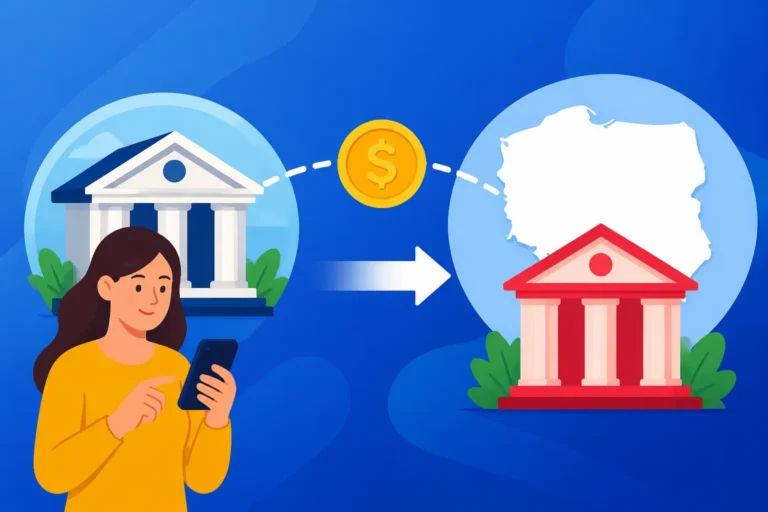
How Do I Claim a Tax Refund (Zwrot Podatku) in Poland?
Ah, the zwrot podatku! If you've been living and working in Poland for any length of time, you've probably heard this term whispered with a mix of hope and trepidation. The thought of getting money back from the Polish tax office – the Urząd Skarbowy – can feel like finding a mythical creature, especially when you're still grappling with the language and bureaucratic quirks. But trust me, it's very real, and often, expats are indeed owed money back. This guide will cut through the fog and show you exactly how to claim your tax refund in Poland, making sense of a process that can, at times, feel intentionally opaque.
Understanding the Basics of Zwrot Podatku Tax Refund
Let's start at the very beginning, shall we? Because before you can even think about getting money back, you need to understand what that money is and why it might be sitting with the tax authorities. It's not magic, it's just how the system works.
What Exactly is a Polish Tax Refund?
Simply put, a zwrot podatku (pronounced 'zvrot pod-AT-koo') is a tax refund, meaning you've paid more income tax throughout the year than you actually owed. In Poland, like many countries, employers deduct an estimated amount of income tax from your salary each month. This is called an advance payment. Sometimes these estimates are a little high, or your personal circumstances change, or you become eligible for certain deductions that weren't factored into those monthly payments.
The annual tax declaration, known as the PIT (Personal Income Tax) form, is where everything gets reconciled. You submit this form, detailing all your income, expenses, and any applicable reliefs, and the Urząd Skarbowy (Tax Office) calculates your actual tax liability. If the total of your monthly advance payments exceeds this final calculated liability, then bingo! You're due a refund. It's really that simple in theory, even if the execution feels like navigating a maze.
Who is Eligible for a Tax Refund in Poland?
Most expats living and working legally in Poland are eligible to claim a tax refund, provided they have overpaid their taxes. This primarily applies to individuals considered Polish tax residents. You're typically deemed a Polish tax resident if you spend more than 183 days in Poland in a given tax year, or if Poland is where your "centre of vital interests" (personal and economic ties) is located. Even if you don't meet the 183-day rule, if your family lives here and you have a permanent job, you're likely a resident for tax purposes.
Non-residents might also be eligible, particularly if they are residents of an EU/EEA country and derive at least 75% of their total annual income from Poland. In such cases, they can often claim the same deductions and reliefs as Polish residents. For tax purposes, you'll need either a PESEL number (the national identification number) or, less commonly for individuals, a NIP number (tax identification number). If you haven't sorted this out yet, it's crucial – you can't file your taxes without one. For a deeper dive into the world of Polish tax identification, check out our guide on How to Get a PESEL and NIP Number in Poland.
Key Deductions and Reliefs That Can Lead to a Refund
Now, this is where it gets interesting, and where you can really see that zwrot podatku taking shape. Poland offers various tax reliefs and deductions that can significantly reduce your tax liability, and thus increase your chances of a refund. Knowing these is half the battle.
The Good News: Common Deductions for Expats
Navigating the Polish tax system can feel like learning a new language entirely, and in many ways, it is. But there are silver linings! Several common deductions can put more money back in your pocket. These are often the biggest drivers of a refund.
One of the most impactful for many expat families is the Child Tax Relief (Ulga na Dziecko). If you have children, this relief can be substantial, allowing you to deduct a specific amount per child from your tax. The exact amount depends on the number of children and your income level, but it can make a huge difference to your final tax bill. The conditions can be a bit specific, including income thresholds for single parents or those with only one child, so always check the latest regulations. This relief is typically claimed on the PIT/O attachment to your main PIT form.
Then there's the Internet Tax Relief (Ulga Internetowa), which allows you to deduct expenses for internet access. There's a catch, though: you can only claim this for two consecutive years, and you need to keep proof of payment, like invoices, in your name. It's a small deduction, capping at PLN 760 per year, but every bit helps, right? Make sure those invoices are actually for your internet service.
Donations also count! If you've been feeling generous and donated to a qualifying Polish public benefit organization (OPP) or certain religious institutions, you can deduct these amounts. Again, you'll need proof of the donation, such as a bank transfer confirmation.
While less common for new arrivals, the Rehabilitation Relief (Ulga Rehabilitacyjna) is available for individuals with disabilities or those supporting a disabled family member, covering various expenses related to rehabilitation and assistive devices. If you or a family member falls into this category, it's definitely worth exploring. Older mortgage holders might also still benefit from some residual Mortgage Interest Relief (Ulga odsetkowa) if their mortgage was taken out before specific dates, but for most recent expat property owners, this won't apply.
It's crucial to remember that each of these reliefs comes with its own set of rules, conditions, and documentation requirements. The Polish tax office isn't known for its leniency, so accurate record-keeping is your best friend. For a comprehensive overview of your tax obligations as a foreigner, our guide The Complete Guide to Taxes in Poland for Expats (2027) is a must-read.
Leveraging Foreign Income and Double Taxation Treaties
Many expats in Poland have a more complex income situation than just a single Polish salary. Perhaps you have investment income from your home country, rental income from a property abroad, or you've worked for a period outside Poland in the same tax year. This is where the concept of double taxation treaties becomes vitally important. Poland has a wide network of such treaties designed to prevent you from paying tax on the same income twice.
As a Polish tax resident, you are generally taxed on your worldwide income. This means income earned anywhere on the globe is, in principle, subject to Polish tax. However, the good news is that Poland has signed Double Taxation Treaties (DTTs) with many countries. These treaties outline how income earned in one country by a resident of another country should be taxed, and crucially, how to avoid being taxed twice. The exact method of avoiding double taxation typically involves either the "exemption with progression" method or the "proportional deduction" (or ordinary credit) method. The specific method applicable to you depends on the treaty Poland has with your home country.
Under the exemption with progression method, foreign income that is exempt from Polish tax is still considered when determining the tax rate applicable to your Polish-source income. Essentially, it pushes you into a higher tax bracket for your Polish income, even if the foreign income itself isn't taxed in Poland. The proportional deduction method, on the other hand, allows you to credit the tax paid abroad against your Polish tax liability on that same income, up to the amount of Polish tax that would have been due. This can be complex, and getting it wrong can cost you. Therefore, understanding your tax residency rules is paramount, as detailed in our guide Tax Residency in Poland: A Definitive Guide for Expats (2027). Navigating these rules often requires professional advice. Services like Taxes for Expats can be invaluable for ensuring you correctly declare all your income and claim any reliefs available under DTTs.
The Step-by-Step Process to Claim Your Refund
Okay, enough theory. Let's get down to the brass tacks: how do you actually do this? The process, while bureaucratic, is manageable once you know the steps. Think of it as a treasure hunt, and your refund is the gold!
Preparing Your Annual Tax Declaration (PIT)
The cornerstone of claiming any tax refund in Poland is your annual tax declaration, or PIT form. This is the document where you tell the tax office everything about your income and deductions for the past year.
For most employed expats, the form you'll be dealing with is PIT-37. This is used by individuals whose income comes solely from Polish employers and other similar sources. If you're self-employed (running a JDG, for instance) and/or have foreign income (which many expats do), you'll likely use PIT-36. And if you're self-employed under the flat tax regime, it's usually PIT-36L. Understanding which form applies to your situation is the first crucial step. Our detailed walkthrough Understanding Income Tax (PIT) in Poland: The Full Expat Guide can help clarify this.
Before you can even touch these forms, you need to gather your documents. The most important one from your employer is the PIT-11. This is the summary of your income and the advance tax payments deducted by your employer throughout the year. Your employer is legally obligated to provide this to you, usually by the end of February following the tax year. Beyond the PIT-11, you'll need all the proofs for your deductions – those internet invoices, donation confirmations, bank statements showing child allowance eligibility, and so on. Keep these meticulously organised!
The Polish tax office has made strides in digitalising the process, which is a huge relief. The e-Urząd Skarbowy online portal offers a pre-filled PIT form called Twój e-PIT (Your e-PIT). This is usually available from February 15th each year. Twój e-PIT will have most of your employer-reported income already filled in, including your PIT-11 data. You should always review this pre-filled form very carefully. Add any deductions you're eligible for (like the child tax relief or internet relief), ensure all your income sources are correctly declared (especially any foreign income if you're a tax resident), and double-check your bank account details for the refund. This online system is a game-changer for speeding up the refund process. For more on navigating this online service, check out How Do I Register for the e-Urząd Skarbowy in Poland?.
Remember the deadline: your annual tax declaration must typically be submitted by April 30th of the year following the tax year. Missing this deadline can result in penalties, so mark your calendar!
Submitting Your Declaration and Awaiting the Refund
Once you've meticulously prepared and reviewed your PIT form, it's time to hit that submit button. And trust me, doing it online is the way to go.
The best and fastest method is indeed online submission through the e-Urząd Skarbowy portal. After you've made all your adjustments and confirmed the data, you can submit your PIT electronically. The system will then generate an UPO (Urzędowe Potwierdzenie Odbioru) – an official confirmation of receipt. This UPO is your proof that you've submitted your declaration on time and it's been accepted. Download it, save it, and even print it if you're old school like me. It's an important document.
Once your declaration is successfully submitted, the waiting game begins. The good news is that online submissions significantly speed up the refund process. For PITs submitted electronically, the tax office has up to 45 days from the date of submission to process your refund. If you opt for the traditional paper submission (which I strongly advise against unless absolutely necessary due to specific, complex situations), the timeline extends to a much more frustrating 3 months. So, online is definitely your friend here.
How will you receive your money? By bank transfer, of course. This is why it's absolutely crucial that the bank account details you provide on your PIT form are correct and belong to you. Ideally, this should be a Polish bank account. If you don't have one, or if you're planning to leave Poland, you might need to make arrangements for international transfers. This is where services like Wise (formerly TransferWise) come in handy, allowing you to receive funds in PLN and then transfer them to your home currency account with good exchange rates. For advice on choosing a local bank, you can read our guide Which Bank Is Best for Expats in Poland?.
What if There's a Problem or Delay?
The best-laid plans of expats and tax offices sometimes go awry. It's not uncommon for things to get a little delayed or for you to simply wonder what on earth is happening. Don't panic, but do be prepared to follow up.
First things first: you can check the status of your refund through your Internetowe Konto Pacjenta (IKP) portal (if linked to e-Urząd Skarbowy) or by logging directly into the e-Urząd Skarbowy with your PESEL or NIP and the amount of income from your previous year's PIT. This allows you to see if your declaration has been processed and if a refund has been issued. If you're really stuck, you can try to contact your local Urząd Skarbowy directly, though this can be challenging if your Polish isn't up to snuff. They're often not equipped for English-speaking enquiries, so consider bringing a Polish friend or an interpreter.
Common reasons for delays can include simple human error (yours or theirs!), missing documents (they might send a letter, typically in Polish, requesting further clarification), or if the refund amount is particularly large, it might trigger additional review. The Polish tax system, while improving, can still move at its own pace. Patience is often a virtue, but persistence doesn't hurt either.
If you find yourself in a really complex situation, or if the language barrier becomes an insurmountable hurdle, don't be afraid to seek professional help. Tax advisors in Poland specialise in helping foreigners navigate these waters. While it costs money, it can save you significant time, stress, and potential headaches down the line. For example, some expats use specialised services like Taxes for Expats for comprehensive advice, especially if their tax situation is particularly intricate, involving assets or income in multiple countries. They can help ensure your declaration is spot-on and properly submitted, which is key to a smooth refund process. Remember, getting your annual PIT right is fundamental, and you can learn more about it in Filing Your Annual Tax Return (PIT) in Poland: The Complete Walkthrough (2027).
Practical Tips and Common Expat Scenarios
Beyond the mechanics, there are some practical realities and specific situations that frequently crop up for expats trying to claim their zwrot podatku. A little foresight can go a long way.
Maintaining Accurate Records is Crucial
I cannot stress this enough: keep every single document related to your income, taxes, and potential deductions. This isn't just a suggestion; it's a golden rule for navigating any tax system, and especially Poland's. The Urząd Skarbowy can, and sometimes does, request documentation to verify claims, even years after you've filed.
My advice? Create a dedicated folder – both physical and digital – for your tax documents each year. This should include your annual PIT-11 forms from employers, any other income statements, and all receipts or invoices that support your deductions (internet bills, donation confirmations, etc.). It’s also wise to keep copies of the submitted PIT forms and your UPO confirmations. The general rule of thumb is to retain these records for at least 5 years from the end of the tax year they pertain to, as this is typically the period the tax office has to audit or question your declaration. Imagine trying to find an internet bill from 2021 in 2026 if you haven't kept good records – a headache you don't need!
Navigating Language Barriers and Bureaucracy
This is probably one of the biggest frustrations for many expats in Poland. While some larger city tax offices may have staff with basic English skills, it's far from guaranteed. Most official correspondence will be in Polish, and any queries or follow-ups you need to make will likely require communication in Polish.
If your Polish isn't fluent, you have a few options. The easiest for a straightforward query might be to ask a Polish-speaking friend or colleague to help you make a call or interpret a letter. For more complex interactions, like attending an appointment at the Urząd Skarbowy, hiring a professional tax advisor or a translator is a wise investment. They can ensure accurate communication and prevent misunderstandings that could lead to delays or issues with your refund.
Don't rely solely on online translation tools for official documents, as nuances can be lost, and tax terminology is complex even for native speakers. While they're great for general understanding, for anything formal, professional human translation or interpretation is best. Remember, dealing with Polish bureaucracy often requires a blend of patience, politeness, and persistence.
Refunds for Those Leaving Poland
What if you're an expat who's leaving Poland permanently? This adds another layer of complexity, but you're still entitled to any refund due. You'll need to file a final tax settlement for the period you worked or resided in Poland during your departure year. This is just like a regular PIT, but it covers a partial year.
The key challenge here is ensuring you have a bank account capable of receiving the refund. If you've closed your Polish bank account, or if you're not planning to keep it open for long, you'll need an alternative. This is where international money transfer services can be a lifeline. You can often provide the tax office with details for a service like Wise, which can receive PLN funds and then transfer them to your bank account in your home country, converting them at competitive rates. Make sure to confirm this arrangement with Wise and your Urząd Skarbowy well in advance. Losing out on a refund because you didn't have a receiving account would be a real shame after all that effort!
It's also essential to consider the impact on your tax residency. If you leave Poland mid-year, you might cease to be a Polish tax resident for that year, which can affect how your income is taxed and what deductions you can claim. Consulting with a tax professional, potentially using a service like Taxes for Expats, is highly recommended to ensure a smooth tax exit and that you don't accidentally run into issues with double taxation in your new country of residence.
Quick Look: Common Tax Deductions in Poland
Here's a handy overview of some common deductions that could lead to your zwrot podatku:
| Deduction/Relief | Eligible For | Conditions/Notes |
|---|---|---|
| Child Tax Relief | Parents/Guardians of children (minors) | Amount depends on number of children. Income thresholds apply for single parents or those with 1 child. Requires PESEL for children, birth certificates (for first-time claim), and evidence of parental responsibility. Can be substantial. |
| Internet Tax Relief | Individuals with internet service expenses | Max PLN 760 per year. Can only be claimed for two consecutive years. Requires proof of payment (invoices in claimant's name). |
| Donations | Individuals who donate to qualifying institutions | Can deduct up to 6% of income for donations to Polish public benefit organisations (OPP) or religious institutions. Requires proof of transfer (e.g., bank statement). |
| Rehabilitation Relief | Persons with disabilities or their supporters | Covers expenses for rehabilitation, assistive devices, medicines (if co-financed by the individual), and adapted transport. Strict conditions and documentation apply (e.g., medical certificates, invoices). |
| Bad Debt Relief | Creditors (e.g., individuals who lent money) | Allows you to reduce your taxable income if a debtor hasn't paid you within a certain timeframe. Complex rules apply, generally for business-related income or very specific situations. |
| PIT-0 Relief | Young people under 26 / Returners from abroad (Ulga na powrót) | PIT-0 for Youth: Exempts income up to PLN 85,528 for those under 26. Ulga na powrót: Tax exemption for up to four consecutive years for those returning to Poland and meeting specific criteria. Requires careful planning and understanding of eligibility. Consult What Tax Relief (Ulga) Can New Residents Claim in Poland? for more details. |
Remember, this is a simplified overview. Tax laws change, and specific situations can be nuanced. Always refer to the most current regulations or seek professional advice for your unique circumstances.
Disclaimer
The information provided in this guide is for general informational purposes only and does not constitute professional tax, legal, or financial advice. While we strive to provide accurate and up-to-date information, tax laws in Poland can be complex and are subject to frequent changes. Therefore, it is essential to consult with a qualified tax advisor or the Polish Tax Office (Urząd Skarbowy) for advice tailored to your specific situation. Reliance on any information in this guide is solely at your own risk.