Are Prescription Medications Expensive in Poland?
One of the most stressful moments after landing in Warsaw or Krakow is standing in a pharmacy line, clutching a crumpled foreign prescription and wondering if you are about to drop half your monthly rent on a box of pills. This guide dives deep into the realities of Polish drug pricing, the reimbursement system, and how to navigate the local "Apteka" without breaking the bank.
Understanding the Polish Pharmacy (Apteka) System
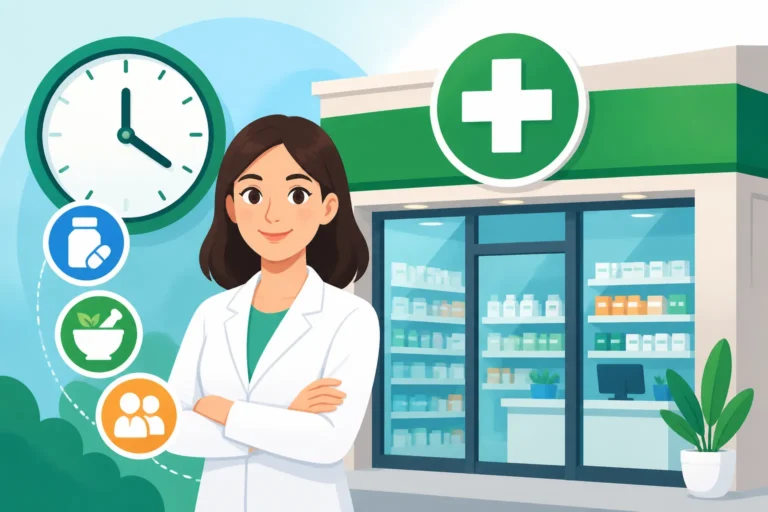
When you first walk into a Polish city, you will notice the neon green crosses everywhere. These are "Aptekas." Unlike in the UK or the US, where you might find a massive pharmacy section inside a grocery store, in Poland, pharmacies are strictly regulated standalone entities. You can find basic painkillers like Ibuprofen or Paracetamol in a "Drogeria" like Rossmann or even at a Zabka convenience store, but for anything stronger or specific, you must visit an official pharmacy.
The culture here is one of professional consultation. Pharmacists in Poland are highly trained and often act as a first line of defense for minor ailments. However, they are also bound by very strict laws regarding what they can and cannot dispense without a prescription. If you are coming from a country where you can buy antibiotics over the counter, you are in for a shock. In Poland, almost anything beyond a basic cold remedy requires a doctor’s signature.
If you find yourself in a situation where you have just arrived and haven't yet set up your local healthcare, you might worry about the initial costs. While the prices are generally lower than in North America, those without any coverage can still face high out-of-pocket expenses for specialized biological drugs or brand-name statins. For digital nomads or those in their first month of relocation, having a plan like SafetyWing can provide peace of mind for emergency medical situations where you might need immediate prescriptions following a clinic visit.
The Distinction Between Rx and OTC
The Polish system draws a hard line between "Leki na receptę" (Prescription drugs) and "Leki bez recepty" (Over-the-counter). The OTC market is quite broad, covering everything from high-dose Vitamin D to specialized herbal tinctures. The pricing for OTC products is not regulated, meaning an Apteka in the center of Warsaw might charge 25% more for the same cough syrup than a small-town pharmacy in Podlasie.
For prescription drugs, the situation is different. Prices for "refunded" medications—those subsidized by the state—are fixed nationwide. This means you don’t need to "shop around" for the best deal on your chronic medication once you have a valid Polish prescription. To fully grasp how these prescriptions are handled, it is worth reading about Prescription Medications and Pharmacies in Poland: The Complete Guide to understand the legal nuances of what constitutes a valid order.
Finding 24/7 Pharmacies (Apteka Całodobowa)
In every major city, there is a rotation or a designated list of 24/7 pharmacies. This is crucial for expats to know because regular pharmacies usually close by 8:00 PM or 9:00 PM, and many are closed entirely on Sundays. You can usually find the address of the nearest 24/7 pharmacy posted on the door of any closed pharmacy.
Navigating these late-night windows (often a small night-hatch called a "dyżur") can be intimidating if your Polish is limited. It is a good idea to have your 4-digit e-prescription code and your PESEL number ready. If you are still in the process of getting settled, you should check out How Get Your PESEL Number and Why It Matters for Healthcare to ensure you aren't stuck without access to the digital system during a midnight medical emergency.
The Cost Breakdown: Reimbursement and Tiers
The biggest factor in whether prescription medications are "expensive" in Poland is the National Health Fund (NFZ) reimbursement list. This is a massive, frequently updated document that determines how much the government will pay toward your medicine. Whether you are covered by the NFZ depends on your employment status or voluntary contributions.
If you are working under a standard employment contract, you are automatically contributing to the system. For those who are self-employed or just arriving, understanding The Cost of Healthcare in Poland: A Complete Breakdown for Foreigners (2026) is the first step in budgeting for your medical needs. Without this coverage, you will be paying the "100%" price, which is the full market value of the drug.
Refunded vs. Non-Refunded Drugs
Not every drug is subsidized. The Ministry of Health decides which medications are "essential" and therefore eligible for a refund. Common treatments for hypertension, diabetes, and asthma are almost always on the list. However, many "modern" or "lifestyle" drugs, as well as some high-end contraceptives, might not be subsidized at all.
When a doctor issues a prescription, they indicate the level of payment on the document. If you see "100%" next to the drug name, it means you pay the full price. If you see "R" (ryczałt), it means you pay a very low, flat fee (usually around 3.20 PLN to 15 PLN). Other categories include 30% and 50% co-payments. This tiered system is why one person might pay 5 PLN for their monthly pills while another pays 200 PLN for a different brand of the same chemical compound.
Why Your Insurance Status Matters
If you are a tourist or a temporary resident without a PESEL, you will almost always pay the 100% price. This can be a significant expense if you require specialized medication for a chronic condition. For those who are waiting for their residency cards and don't yet have access to the NFZ, it is often a gap period where costs can accumulate.
This is where supplemental or travel-friendly options like SafetyWing become relevant; they help manage the financial risk of sudden illnesses that require medical consultations and subsequent prescriptions. If you are debating between going public or paying for a private subscription, you should compare the options in Public vs Private Healthcare in Poland: Which Should Expats Choose? to see which aligns with your long-term health needs.
| Payment Category | Description | Typical Out-of-Pocket Cost |
|---|---|---|
| Bezpłatne (Free) | For specific conditions or groups (Seniors 65+, Kids) | 0 PLN |
| Ryczałt (Flat Fee) | Essential, long-term drugs | ~3.20 – 15.00 PLN |
| 30% Co-payment | Commonly used chronic medications | 30% of the regulated price |
| 50% Co-payment | Medications with broader substitutes | 50% of the regulated price |
| 100% (Full Price) | Non-refunded or for those without NFZ | Market Price (Variable) |
The e-Recepta System and Why It Is a Lifesaver
Poland has moved almost entirely to a digital prescription system called "e-Recepta." Gone are the days of trying to decipher a doctor's messy handwriting on a slip of paper. Today, after a consultation, you receive a 4-digit code via SMS or email. You take this code and your PESEL number to any pharmacy, and the pharmacist pulls up your prescription on their screen.
This system is incredibly efficient for expats because it reduces the chance of errors. However, it does require you to be "in the system." To truly maximize the benefits of this, you need to set up your Internetowe Konto Pacjenta (IKP). This portal allows you to see your entire prescription history, dosage instructions, and even request renewals from your doctor without an in-person visit. We have a detailed guide on How to Set Up an Internetowe Konto Pacjenta (IKP) Patient Account that walk you through the process step-by-step.
How to Use the 4-Digit Code
When you enter the Apteka, you don't need to show your phone if you have the code memorized, but it’s easier to show the SMS. The pharmacist will ask for your PESEL. Once they enter both, they will see exactly what the doctor prescribed. If you are wondering about the specifics of the transaction, such as whether you can buy only half the prescribed amount or if you can use the code multiple times, you should check How Do I Fill an e-Recepta at a Pharmacy in Poland? for the practical "on-the-ground" details.
The beauty of the e-Recepta is that it is linked to the national database. If a drug is out of stock in one pharmacy, you can go to another, and they can see that you haven't filled the prescription yet. It also prevents the loss of physical papers, which was a common headache for foreigners dealing with multiple moves or travel within the country.
The Role of the IKP in Managing Costs
The IKP account also shows you the price of the drugs before you get to the pharmacy. This transparency is rare in many other countries. By logging in, you can see if your doctor prescribed a "100%" drug or a "Refunded" version. If you see that a medication is very expensive, you can discuss "zamienniki" (generics) with the pharmacist.
The e-prescription system also integrates with your insurance data. If your status is green in the system (meaning your ZUS contributions are up to date), the discount is applied automatically. If you are confused about how these contributions work, especially if you are self-employed, our guide on Health Insurance in Poland: Mandatory, Private and Subscription Options Explained provides a comprehensive overview of the social security side of things.
Comparing Poland to Other Countries
If you are coming from the United States, you will find prescription drugs in Poland to be incredibly cheap. A medication that costs $300 in the US might cost 40 PLN (about $10) in Poland at the full price, and even less if it’s on the reimbursement list. Even compared to Western European countries like Germany or France, Poland remains one of the most affordable places in the EU for pharmaceuticals due to lower labor costs and aggressive government price negotiations with drug manufacturers.
However, if you are used to the NHS in the UK where most prescriptions have a low flat rate regardless of the drug, the Polish "percentage" system might feel slightly more expensive for certain high-end brands. The key is understanding that Poland prioritizes the "active ingredient" over the brand name.
Poland vs. Western Europe and the US
In the US, the lack of price caps means you are at the mercy of your private insurance's "formulary." In Poland, the government sets a maximum price for any drug that wants to be on the reimbursement list. This forces manufacturers to keep prices competitive. For an expat, this means that even if you are paying 100% because you are between jobs or waiting for paperwork, the cost is rarely "bankrupting" in the way it can be elsewhere.
For those traveling frequently between countries, perhaps working as a digital nomad, it is important to have a global safety net. While SafetyWing doesn't replace the long-term NFZ system, it is an excellent bridge for those who are in the "tourist" or "temporary" phase of their Polish journey, where they might otherwise be exposed to the full, non-subsidized costs of emergency medications.
The "Zamienniki" (Generics) Strategy
Polish law actually requires pharmacists to inform patients if a cheaper generic version of their prescribed drug is available. This is a huge win for the consumer. When you hand over your code, simply ask: "Czy jest tańszy zamiennik?" (Is there a cheaper substitute?).
In 90% of cases, there is a Polish-made version of the drug (often produced by companies like Polpharma) that contains the exact same active ingredient for a fraction of the cost. The pharmacist can switch the brand on the spot without needing a new prescription from the doctor, provided the dosage and form (tablet vs. capsule) are identical. Understanding these local habits is part of Navigating the Polish Healthcare System: An Expat's Roadmap (2027) which helps you feel less like a stranger in the system.
Practical Tips for Saving Money at the Apteka
To truly minimize your costs, you need to be proactive. First, always ensure your PESEL is correctly linked to your insurance. If the pharmacy system shows you as "uninsured" (displayed as red in their system), you will be charged the 100% price even if you have been paying your taxes. This often happens if there is a lag in the ZUS (social security) reporting.
Secondly, keep a record of your chronic medications from your home country. When you visit a Polish doctor (Lekarz Rodzinny), bring your original boxes or a summary from your previous physician. They can then find the equivalent Polish "refunded" version. If you don't have a local doctor yet, you should read The Expat Guide to Finding a Family Doctor (Lekarz Rodzinny) in Poland to get that relationship started.
Dealing with Foreign Prescriptions
Can you use a prescription from your home country in a Polish pharmacy? The answer is "maybe," but it's complicated. If you have a "cross-border prescription" from another EU country, it is generally accepted. However, prescriptions from the US, Canada, or India are often rejected because they lack the specific formatting and security features required by Polish law.
The best approach is to take your foreign prescription to a local Polish doctor. They will perform a quick consultation and "transcribe" it into the Polish e-Recepta system. This not only ensures the pharmacy will accept it but also allows the doctor to apply any relevant NFZ discounts that you are entitled to. This is much cheaper than trying to find a pharmacy willing to take a risk on a foreign piece of paper.
Awareness of Pharmacy Opening Hours
As mentioned earlier, price variations exist for OTC drugs. If you need something simple like vitamins or basic allergy meds, try to avoid the "Apteka Całodobowa" for non-emergencies, as they sometimes apply a "night surcharge" for service during late hours. It is also worth noting that many pharmacies have loyalty programs. If you have a chronic condition requiring expensive, non-refunded meds, signing up for a pharmacy chain’s app (like DOZ or Gemini) can sometimes save you 5-10% on your monthly bill. For more on how to manage these logistics, see Understanding the Polish Pharmacy (Apteka) System and Opening Hours.
Summary Table: Prescription Cost Factors
| Factor | Impact on Price | Strategy |
|---|---|---|
| NFZ Coverage | High (Up to 100% discount) | Ensure your ZUS/PESEL is active. |
| Drug Category | Variable (30%, 50%, 100%) | Ask the doctor for "refunded" options. |
| Generic vs Brand | Medium (20-50% difference) | Always ask for "zamiennik." |
| Location | Low (Only for OTC) | Buy OTC drugs at discount chains. |
| IKP Account | Indirect (Prevents errors) | Check prices beforehand on the portal. |
Important Disclaimer
This article is for informational purposes only and does not constitute medical or legal advice. Healthcare laws and drug reimbursement lists in Poland change frequently. Always consult with a qualified medical professional in Poland or contact the National Health Fund (NFZ) for the most up-to-date information regarding your specific health needs and insurance status. Individual costs may vary based on residency status and specific medical conditions.