Do Work Visa Holders Need Private Health Insurance in Poland?
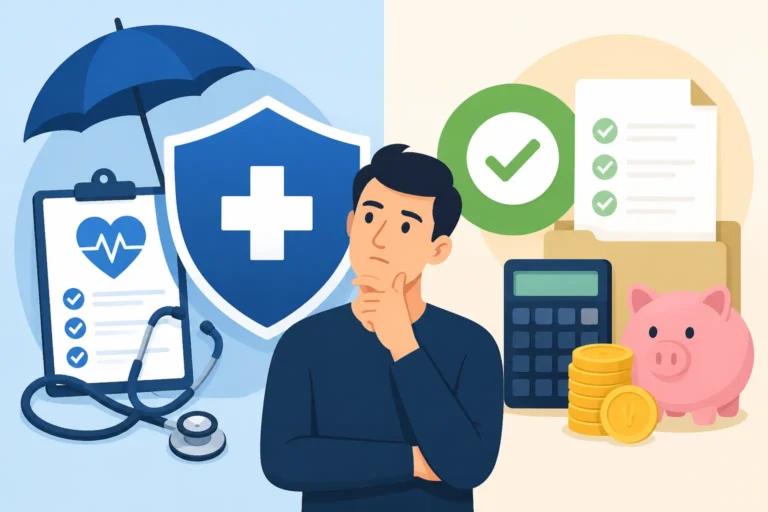
Most foreigners arriving on a work visa assume their employment contract covers everything from day one, but the administrative lag between landing and your first ZUS contribution can leave you dangerously exposed. This guide clarifies exactly when you are covered by the state, where the gaps lie, and whether investing in private insurance is a necessity or a luxury for your stay.
The Reality of Mandatory Health Insurance for Workers
When you arrive in Poland on a work visa, the legal framework is quite clear: if you are employed on a standard employment contract (Umowa o Pracę), your employer is legally obligated to register you with the Social Insurance Institution (ZUS). This registration automatically grants you access to the National Health Fund (NFZ), which is the public healthcare system. However, there is a massive difference between what the law says on paper and how the bureaucracy functions during your first few weeks in the country.
I remember my own arrival in Krakow years ago. I thought that because I had a signed contract, I could walk into any clinic and get treated. The reality is that your employer has seven days to register you, and even then, the system might not show you as "active" immediately. If you fall ill during this transition period, you might find yourself in a stressful situation where the clinic cannot verify your insurance status. This is why Understanding ZUS Health Contributions (Składka Zdrowotna) in Poland is crucial for every new arrival. You aren't just paying a tax; you are buying into a system that, while comprehensive, requires a "green light" in a digital database called eWUŚ before you can see a doctor for free.
Furthermore, if you are working on a mandate contract (Umowa Zlecenie), the rules change slightly. While most mandate contracts still include health insurance, some specific setups or multiple contracts might complicate your coverage. It is vital to confirm with your HR department exactly when your contributions start. Until that first ZUS payment is processed, you are essentially in a "grey zone." During this gap, having a flexible plan like SafetyWing can be a lifesaver, providing a safety net while the Polish administrative wheels slowly turn.
Why the Public System Often Isn't Enough for Expats
Once you are fully registered and the system recognizes you, you technically have the right to free healthcare. You can see a GP, visit specialists, and even undergo complex surgeries without paying out of pocket. However, any veteran expat will tell you that the public system, while medically competent, is plagued by long waiting times and a significant language barrier. If you need a routine check-up or want to see a dermatologist for a minor issue, the wait in the NFZ system can stretch into months.
This is where the debate about Public vs Private Healthcare in Poland: Which Should Expats Choose? becomes very relevant. In the public system, you will likely encounter doctors who speak excellent English, but the administrative staff at the front desk of a local przychodnia (clinic) often do not. Trying to navigate a Polish-only registration desk when you have a high fever is an experience most of us only want to have once. This frustration is a primary reason why even those with mandatory NFZ coverage choose to pay for private medical subscriptions.
Private providers like Medicover or LUX MED operate more like high-end clinics than traditional insurance companies. They offer app-based booking, English-speaking staff, and appointments within days rather than months. However, these are "subscriptions," not full insurance. They generally do not cover emergency hospitalizations or major surgeries. Therefore, a work visa holder often finds themselves juggling three layers: the mandatory NFZ for emergencies, a private subscription for daily convenience, and perhaps a global travel policy like SafetyWing for the initial move or frequent travel outside Poland.
The Critical Gap: From Landing to Residency
The period between arriving on your work visa and receiving your temporary residence permit (Karta Pobytu) is the most vulnerable time for any foreigner. Your work visa allows you to enter and work, but it doesn't always guarantee immediate, seamless healthcare access if your employment hasn't officially started or if there is a delay in paperwork. Many expats don't realize that How to Access Healthcare on a Work Visa in Poland involves more than just showing your passport; it often requires a PESEL number to make things run smoothly.
Without a PESEL, many digital systems in Poland simply won't "see" you. While you can get treated without one in an emergency, it adds a layer of stress and paperwork that you don't need when you're unwell. I’ve seen newcomers spend hours trying to explain their visa status to a confused receptionist because they didn't have their PESEL Number and Why It Matters for Healthcare sorted yet. During these first 90 days, a private insurance policy or a nomadic insurance plan is not just a recommendation; it is a practical necessity.
If you are a digital nomad or someone transitioning between a remote role and a local Polish contract, your coverage is even more precarious. If you aren't yet paying ZUS, you have no public coverage at all. SafetyWing is particularly popular in this niche because it allows you to start and stop coverage as your situation changes, which is perfect for the unpredictable nature of international relocation and visa processing.
Comparing Your Healthcare Options in Poland
To help you decide whether you need to supplement your mandatory coverage, I’ve put together a comparison of the different systems you’ll encounter. Most successful expats end up using a hybrid approach.
| Feature | NFZ (Public System) | Private Subscriptions (e.g., Medicover) | Global Travel/Expat Insurance |
|---|---|---|---|
| Cost | Percentage of salary (Mandatory) | 60 – 300 PLN / month | Varies (e.g., SafetyWing affordable) |
| Wait Times | Can be very long (weeks to months) | Short (usually 1-5 days) | Short (Private clinics) |
| English Speaking | Not guaranteed at reception | Usually guaranteed | High availability |
| Hospitalization | Fully covered (Emergency & Planned) | Not covered (Outpatient only) | Covered (Emergency) |
| Ease of Booking | Telephone or in-person (often Polish) | Mobile App / Online | Direct with provider |
| Medication | Subsidized prescriptions | Full price (unless dual-covered) | Reimbursement options |
As you can see, the NFZ is your "heavy lifting" insurance for things like appendicitis or a car accident, while private options handle the "day-to-day" health management. Many employers actually provide a basic private subscription as a benefit, so before you buy your own, check your job offer. If your employer doesn't offer it, you might want to look into Understanding Private Medical Subscriptions (Medicover, LUX MED) in Poland to see if the monthly cost is worth the time you'll save.
Navigating Specialists and the Referral System
One of the most confusing aspects for work visa holders is the "Skierowanie" or referral system. In the public NFZ system, you cannot simply go to a cardiologist because your heart is racing. You must first visit your Lekarz Rodzinny (Family Doctor) to get an e-referral. This adds another layer of appointments and waiting. If you are struggling to find a primary physician, our guide on How to Choose and Register with a GP (Lekarz POZ) in Poland can help you navigate the local clinic system.
In contrast, most private subscriptions allow you to book several types of specialists directly. This is a game-changer for people with chronic conditions or those who just want an annual check-up without the "gatekeeper" hurdle. However, even in the private system, certain expensive tests like MRIs still require a doctor's order. If you're using the public route, you'll need to understand How e-Skierowanie (E-Referrals) Work for Specialists in Poland to ensure your digital documents are properly attached to your PESEL.
For those who are just moving and haven't mastered the Polish language yet, the e-prescription system is actually quite a relief. Once a doctor prescribes something, you get a four-digit code. You take this code and your PESEL to any Apteka (pharmacy), and they pull up your prescription. It’s one of the few parts of the system that is truly world-class. You can read more about Understanding the e-Recepta (E-Prescription) System in Poland to see how simple this process has become.
What Happens in a Real Emergency?
If you find yourself in a life-threatening situation, the rules of "private vs public" largely fall away. In Poland, the emergency services (Ratownictwo Medyczne) are integrated. If you call 112, an ambulance will take you to the nearest State Hospital (Szpitalny Oddział Ratunkowy – SOR). At this point, having your ZUS registration is vital because hospital stays can be incredibly expensive for the uninsured.
However, if you are still in your first month and your ZUS hasn't kicked in, or if you are a tourist waiting for a work permit, this is where you could face a bill in the thousands of złoty. This is exactly why I tell every new expat to keep a policy like SafetyWing active until they have their first salary slip in hand. It covers the "unthinkable" during the period when you are legally in the country but administratively "invisible" to the public health system.
For those who want to be extra prepared, it's worth knowing What Every Expat Needs to Know About Emergency Medical Care before an incident occurs. Knowing which hospitals in your city (like Warsaw, Krakow, or Wroclaw) have the best reputations can save you a lot of anxiety during a crisis.
Can I Use Public Healthcare on a Work Visa?
The short answer is yes, you can and must use it once you are employed. It is not a choice; the contributions are deducted from your gross salary automatically. However, the question of "do I need private insurance" is really a question of "do I want to wait six months for a specialist?" For 90% of expats in Poland, the answer is a resounding yes.
Whether you choose a local subscription or a flexible global plan like SafetyWing, having an alternative to the NFZ is the only way to ensure you can get medical attention in English, on your schedule, and without the bureaucratic headaches that often define the Polish public sector. If you are currently preparing your move, make sure you know What Documents You Need to Get a PESEL in Poland as this is the "master key" that unlocks both the public and private medical databases.
Health Insurance for Your Family Members
If you are moving to Poland on a work visa and bringing a spouse or children, you need to be aware of how to "pull" them into your coverage. In Poland, you can register family members under your ZUS contribution at no extra cost. This is a fantastic benefit, but it is not automatic. You must explicitly tell your employer's HR department to add them.
Until that paperwork is processed, your family has zero coverage. I have seen families arrive, assuming the "work visa" covered everyone, only for a child to get an ear infection in the first week. Without that registration, a simple clinic visit becomes an out-of-pocket expense. To avoid this, many families use a bridge insurance policy for the first month. You can find a step-by-step walkthrough on How to Register Family Members for Health Insurance in Poland to make sure your loved ones are protected from day one.
Disclaimer
The information provided in this guide is for informational purposes only and does not constitute legal or professional medical advice. Healthcare regulations and immigration laws in Poland are subject to frequent changes. Always consult with your employer's HR department, the National Health Fund (NFZ), or a qualified legal professional to confirm your specific insurance obligations and coverage status. The author is an expat sharing personal experiences and research, not an official representative of the Polish government.