How Do I Get a Sick Note (L4) Approved in Poland?
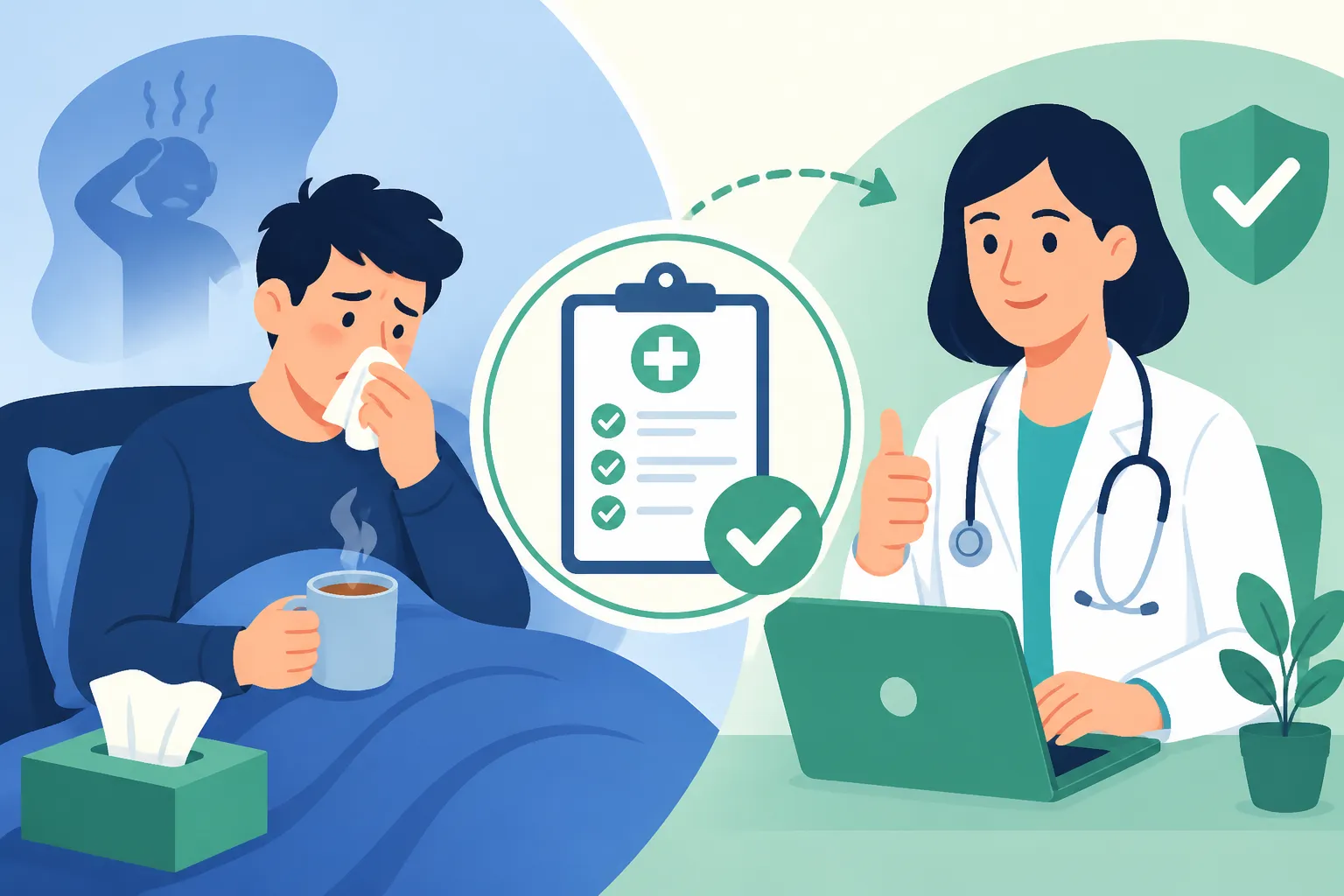
Waking up with a fever is stressful enough, but when you are an expat in Poland, the anxiety of navigating the "L4" sick note system can make you feel even worse. You worry about losing pay, frustrating your boss, or missing a bureaucratic deadline. This guide explains exactly how to get a medical certificate for work, ensure your employer receives it, and secure your sick pay without the usual headache.
Understanding the L4 System in Poland
If you have lived in Poland for more than a few months, you have undoubtedly heard the term "L4." This is the colloquial name for the official medical certificate of temporary inability to work. In the old days, these were green paper slips that you had to physically deliver to your employer within seven days. Thankfully, the system has moved into the 21st century. Today, Poland uses the "e-Zwolnienie," an electronic system that links your doctor directly to the Social Insurance Institution (ZUS) and your employer.
The L4 is more than just a note; it is a legal document that protects your job while you are unwell. Under Understanding Polish Employment Contracts and Worker Rights (2027), an employer cannot terminate your contract while you are on a valid, documented sick leave, provided you follow the rules. This protection is a cornerstone of the Polish labor market, but it only applies if you are legally employed under a contract that includes health insurance contributions.
There are different types of sick notes. Most common is the one for your own illness, but you can also receive an L4 to care for a sick child or a family member. It is also important to understand Understanding Sick Leave (Zwolnienie Lekarskie L4) in Poland because the system distinguishes between being allowed to move (Code 2) and being required to stay in bed (Code 1). If you are caught walking in a park while your L4 has a "must stay in bed" instruction, ZUS has the right to revoke your benefits.
Step-by-Step Guide to Getting Your Sick Note Approved
Getting your L4 is a relatively straightforward process once you know which doctor to call. You do not necessarily need to see a specialist; any doctor with the authority to issue certificates can do this, including your primary care physician (GP) at a public clinic (Przychodnia) or a doctor at a private medical center.
Choosing Between Public and Private Doctors
The first hurdle is deciding where to go. If you are registered with the National Health Fund, you can visit a public doctor for free. However, wait times can be an issue. Many expats prefer private medical subscriptions like Medicover or Lux Med because they often offer English-speaking doctors and faster appointments. When deciding, consider Public vs Private Healthcare in Poland: Which Should Expats Choose? to see which fits your budget and urgency.
For those in between jobs or waiting for their NFZ registration to process, private visits can be expensive. Using a service like SafetyWing can provide a safety net for unexpected medical needs while you are transitioning into the Polish system. Once you are in front of the doctor—whether in person or via a video call—you must provide your PESEL number. Without this, the doctor cannot find you in the ZUS system to issue the electronic note.
The Power of Telemedicine for L4s
Poland has embraced telemedicine, which is a lifesaver when you are too ill to commute to a clinic. Most private providers and even some public ones offer "Teleporada" (tele-consultation). During the call, the doctor will ask about your symptoms and determine if you are fit for work. If they decide you need rest, they will issue the e-L4 immediately.
The beauty of this digital shift is that you do not need to do anything once the doctor clicks "send." The note appears in the ZUS system and is automatically visible to your employer’s HR department. However, as a veteran expat, I always recommend checking your own records. You can see all your issued certificates by learning How to Set Up an Internetowe Konto Pacjenta (IKP) Patient Account. This portal is your central hub for prescriptions, referrals, and sick notes. While a digital nomad might rely on SafetyWing for global health coverage, the IKP is essential for anyone living and working long-term in Poland.
Legal Requirements and Deadlines for Employees
Even though the system is electronic, your responsibilities as an employee do not vanish. There are specific rules you must follow to ensure your absence is treated as a legitimate sick leave and not an unexcused absence, which could lead to disciplinary action.
Informing Your Employer
While the HR department will eventually see the e-Zwolnienie in their system, you are legally required to inform your employer of your absence as soon as possible. Most internal company policies require notification within the first few hours of your shift on the first day of illness. You don't need to provide the medical reason—that is private—but you must state that you are on sick leave and provide the expected duration.
Failure to communicate can lead to friction. Even if the ZUS system is slow to update, a quick email or Slack message saying, "I am unwell and have been granted an L4 until Friday," keeps you in the clear. This is especially vital if you are working under an Umowa o Pracę, where your rights are the strongest.
Understanding Sick Pay vs. Sickness Benefit
In Poland, who pays for your time off depends on how long you are sick. For the first 33 days of illness in a calendar year (or 14 days if you are over 50), your employer pays your "wynagrodzenie chorobowe" (sick pay). This is typically 80% of your average salary, though some companies offer 100% as a benefit. From the 34th day onwards, ZUS takes over, and you receive "zasiłek chorobowy" (sickness benefit).
| Contract Type | Who Pays? | Typical Coverage Rate | Requirements |
|---|---|---|---|
| Umowa o Pracę | Employer (first 33 days), then ZUS | 80% (100% for pregnancy/accidents) | Mandatory contributions |
| Umowa Zlecenie | ZUS | 80% | Optional voluntary contribution |
| B2B (JDG) | ZUS | Variable based on contribution base | 90-day waiting period usually applies |
For freelancers, the situation is trickier. If you are self-employed, you must ensure you have opted into the voluntary sickness insurance. You can read more about this in Understanding Health Coverage for the Self-Employed (JDG) in Poland. Without these specific Understanding ZUS Health Contributions (Składka Zdrowotna) in Poland, you might be entitled to medical care, but you won't receive a penny in sick pay while you are recovering.
The Role of the Internetowe Konto Pacjenta (IKP)
If you haven't set up your IKP (Internet Patient Account) yet, stop reading and do it now. It is the single most important digital tool for an expat in Poland. When a doctor issues you an L4, it generates an Understanding the e-Recepta (E-Prescription) System in Poland if you need medication. You can see the exact dates of your sick leave and the code the doctor assigned to you in the IKP.
The IKP also helps you verify if your PESEL is correctly linked to your insurance. I have seen many cases where an expat thought they were insured, but a typo in their PESEL at the HR office meant the doctor couldn't issue the e-L4. Checking your IKP regularly ensures that when you actually get sick, the administrative pipes are clear. If you are a traveler or recently arrived, you might still be using SafetyWing for your primary health needs, but once you start a job, the IKP becomes your daily reality.
Navigating Sick Leave on Different Contract Types
The ease of getting an L4 approved often depends on the fine print of your contract. Not all contracts are created equal in the eyes of the Polish labor law.
Sick Leave on Umowa Zlecenie
Many expats start their journey in Poland on an Umowa Zlecenie (Mandate Contract). Unlike the Umowa o Pracę, sick pay is not automatic here. You have to explicitly ask your employer to deduct the voluntary sickness contribution (składka chorobowa) from your paycheck. If you haven't done this for at least 90 consecutive days, you can get an L4 for the doctor to justify your absence, but you will not receive any payment for those days.
Sick Leave for B2B and JDG Holders
For those running their own business, getting an L4 approved is a different beast. You are your own boss, so you don't need to "justify" the absence to a manager, but you do need the L4 to claim benefits from ZUS. The amount you receive is often quite low unless you have been paying higher voluntary contributions. Most entrepreneurs in Poland find that the paperwork involved in claiming a 3-day sick leave from ZUS is more effort than it's worth, so they only use the L4 for long-term illnesses or hospitalizations.
What to Do If Your Sick Note Is Rejected or Questioned
While rare, it is possible for an employer or ZUS to challenge an L4. This usually happens if there is a suspicion that the employee is not actually sick—for example, if you post photos of yourself at a beach in Spain while on sick leave in Warsaw.
ZUS Inspections
ZUS has the right to send an inspector to the address listed on your L4 to check if you are following the doctor's orders. If your L4 has "Code 1" (must stay in bed) and you are not home, you must have a very good reason (like being at the pharmacy or the doctor). If you are caught violating the terms, you will lose your sick pay for the entire duration of that note.
Correcting Errors on Your L4
Sometimes doctors make mistakes, such as getting the dates wrong or misspelling your name. If you notice an error, you must contact the issuing doctor immediately. They have the power to "cancel" the incorrect note and issue a corrected one. This is why knowing How to Get a Medical Certificate for Work in Poland is so important; you need to be proactive. If the error is not caught, ZUS might reject the note, and your employer will be forced to treat your absence as unpaid.
For expats who move frequently, ensure your address in the ZUS system matches where you are actually staying. If your L4 lists your old apartment in Krakow but you are recovering at your new place in Warsaw, a ZUS inspection could result in a "not found at home" report. Always update your address in the IKP and with your employer.
Final Advice for Expats Facing Illness
The most important thing to remember is that the Polish system is designed to be automated, but it relies on you having your documentation in order. Make sure your PESEL is active, your IKP is set up, and you know whether your contract actually pays for sick time. If you are just starting out and don't have NFZ yet, don't panic. Private clinics can still issue L4s that your employer must honor, even if you are paying for the visit yourself or through an expat-friendly plan like SafetyWing.
Being sick in a foreign country is isolating, but the L4 system is one of the more robust social safety nets in Europe. Use it correctly, communicate with your boss, and focus on getting better rather than worrying about the paperwork.
Disclaimer
The information provided in this guide is for informational purposes only and does not constitute legal or professional medical advice. While we strive to keep information up to date, Polish labor laws and ZUS regulations are subject to frequent changes. Always consult with a qualified legal professional or your local HR department regarding your specific employment situation.