What Is the Difference Between a Przychodnia and a Szpital in Poland?
Imagine waking up in Warsaw or Krakow with a persistent, stabbing pain in your abdomen or a fever that simply won't break. Your first instinct is to seek medical help, but as you look at Google Maps, you see a confusing mix of places labeled "Przychodnia," "Centrum Medyczne," and "Szpital." Choosing the wrong one can lead to hours of unnecessary waiting in a cold corridor or, worse, a massive bill if you aren't properly insured. This guide clarifies the fundamental differences between a Polish clinic and a hospital so you can navigate the healthcare system like a local and get the treatment you need without the administrative headache.
Understanding the Przychodnia: Your First Line of Defense
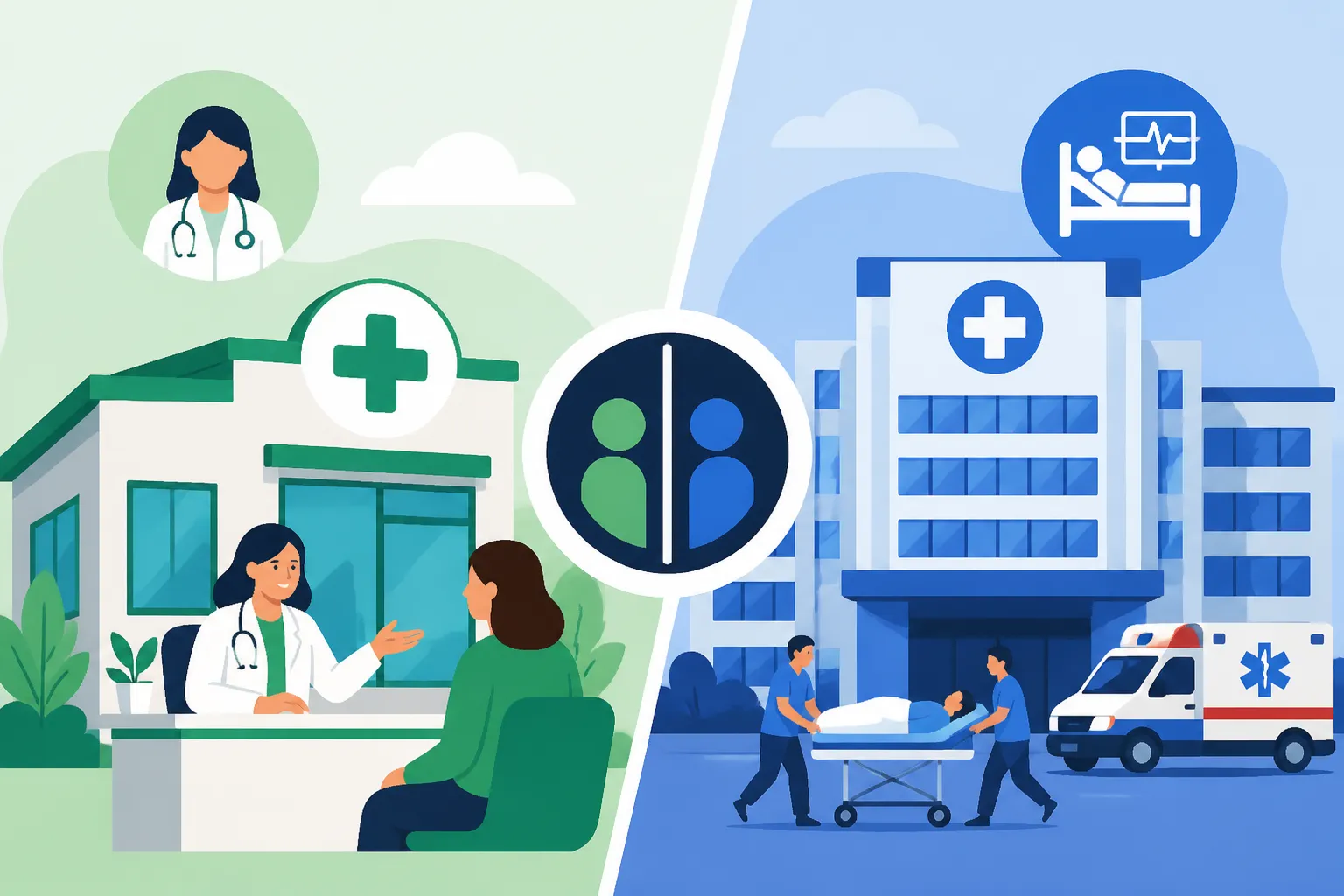
In the Polish healthcare hierarchy, the przychodnia (pronounced pshih-hod-nya) is your primary point of contact. If you are coming from the UK, think of it as your GP surgery; if you are from the US, consider it your primary care physician's office. This is where the vast majority of your medical interactions will happen. A przychodnia is designed for non-life-threatening issues, routine check-ups, and long-term management of chronic conditions.
When you first move to Poland, one of your most important tasks is finding a local clinic. Many foreigners mistakenly wait until they are actually sick to look for one, only to realize that the registration process involves paperwork that is hard to manage when you have a 40-degree fever. At a przychodnia, you will find family doctors (lekarz rodzinny) and pediatricians. These doctors are the gatekeepers of the entire system.
Most public clinics are part of the POZ (Podstawowa Opieka Zdrowotna) system. When you register there, you sign a declaration choosing a specific doctor. From that point on, that doctor is responsible for your basic care and, crucially, for issuing referrals. In Poland, you generally cannot see a specialist—like a cardiologist or a neurologist—within the public system without a referral from your primary doctor at the przychodnia. This is a common point of frustration for expats who are used to more direct access, but understanding this "gatekeeper" role is essential for Navigating the Polish Healthcare System: An Expat's Roadmap (2027).
Furthermore, many people choose to use private medical providers like Medicover or LUX MED. While these are often branded as "Medical Centers," they function essentially as private versions of a przychodnia. They offer shorter wait times and more English-speaking staff, but the core concept remains the same: it is an outpatient facility where you go for an appointment and leave shortly after. If you are a digital nomad or still waiting for your residency paperwork to clear, having a policy from a provider like SafetyWing can be a lifesaver here, as it can help cover the costs of these private visits while you are in between different national systems.
The Role of the Specialist within the Clinic
It is important to note that some larger facilities are called Przychodnia Specjalistyczna. These are outpatient clinics where specialists see patients who have already obtained a referral. You might go here for a consultation with a dermatologist or for a routine ultrasound. Even though specialists work here, it is still not a hospital. There are no beds for overnight stays, and the facility usually closes in the evening.
When you visit a specialist at a przychodnia, the process is highly digitized. You will likely receive an e-skierowanie, which is a digital referral tied to your PESEL number. Understanding How e-Skierowanie (E-Referrals) Work for Specialists in Poland will save you from carrying around stacks of paper. The specialist will examine you, perhaps order more tests, and then send you back to your primary doctor or schedule a follow-up.
Appointments and the Infamous Queue
One thing every expat learns quickly is that "appointment times" in a public przychodnia can sometimes be more of a suggestion than a hard rule. While the system is improving, you should still prepare for the possibility of waiting. In smaller towns, the culture of the "social queue" still exists, where patients ask "Kto jest ostatni?" (Who is last?) to establish their place in line.
In larger cities and private centers, the system is much more modern. You will often get a text message reminder and a specific room number. Regardless of the setting, the przychodnia is where you go for your Prescription Medications and Pharmacies in Poland: The Complete Guide. Your doctor will issue an e-recepta, a four-digit code that you take to any pharmacy along with your PESEL to collect your medicine.
Decoding the Szpital: High-Level Care and Emergencies
A szpital (hospital) in Poland is an entirely different beast. While a przychodnia is for "walking" patients, a szpital is for "lying" patients. If you require surgery, specialized diagnostic imaging that takes hours (like certain complex MRIs), or if you are in a state where your life is at risk, the hospital is where you belong.
Polish hospitals are generally divided into specific wards (oddziały), such as internal medicine, surgery, or maternity. Unlike the friendly, often brightly decorated private clinics, public Polish hospitals can feel a bit daunting. They are often housed in older, austere buildings, and the atmosphere is very functional. However, do not let the aesthetics fool you; Poland has some of the most highly trained medical professionals in Europe, and the level of care in specialized state hospitals is often world-class.
The SOR: The Emergency Room Experience
For most expats, their first encounter with a Polish hospital is through the SOR (Szpitalny Oddział Ratunkowy), which is the Emergency Room. This is the only part of the hospital that is open 24/7 for walk-ins. However, a major mistake many foreigners make is going to the SOR for minor issues like a sore throat or a small cut because they don't know where else to go on a Saturday night.
The SOR uses a triaging system, often color-coded. Red and orange cases (heart attacks, major trauma) are seen immediately. Blue and green cases (minor fractures, high fevers) can involve waiting for six, eight, or even twelve hours. If you are not in a life-threatening condition, the staff will prioritize others, and the experience can be quite grueling. For those who travel frequently or are new to the country, having a global travel medical insurance like SafetyWing is vital because it provides a safety net if you end up in an emergency situation before your local NFZ coverage is fully active.
Planned Hospitalization and the Referral System
Unless it is an emergency, you cannot just show up at a szpital and ask for a procedure. You need a referral for hospitalization from a doctor at a przychodnia. Once you have this referral, you typically have to go to the hospital's reception or a specific ward to "sign up" for a date.
For non-urgent surgeries, the wait times in the public system can be lengthy. This is why many expats choose to look into Public vs Private Healthcare in Poland: Which Should Expats Choose?. During a planned stay, you should be aware that Polish hospitals often expect patients to bring their own basic necessities. This includes towels, pajamas, and sometimes even your own cutlery or bottled water. It is a cultural quirk that often catches foreigners off guard, but the medical treatment itself, including the cost of surgeries and medications administered in the ward, is fully covered if you have Health Insurance in Poland: Mandatory, Private and Subscription Options Explained.
Key Differences: A Side-by-Side Comparison
To help you decide where to go, here is a breakdown of how the two types of facilities compare across several categories.
| Feature | Przychodnia (Clinic) | Szpital (Hospital) |
|---|---|---|
| Primary Purpose | Consultations, prescriptions, minor diagnostics. | Surgery, intensive care, overnight stays. |
| Access | Appointment-based (usually daytime). | Referral-based or Emergency (SOR) 24/7. |
| Staff | GPs, nurses, some specialists. | Surgeons, specialists, 24-hour nursing staff. |
| Wait Times | Same day or a few days for a GP. | Minutes for life-threatening; months for planned surgery. |
| Cost (NFZ) | Free with insurance. | Free with insurance. |
| Referral Needed? | No (for GP); Yes (for specialists). | Yes (except for life-threatening emergencies). |
| Facilities | Consultation rooms, small labs. | Operating theaters, wards, advanced imaging. |
The Gray Area: Night and Holiday Healthcare (NiŚOZ)
One of the most confusing aspects for expats is what to do when the przychodnia is closed (after 6:00 PM on weekdays or during weekends) but the situation isn't a "call an ambulance" emergency. This is where Nocna i Świąteczna Opieka Zdrowotna (Night and Holiday Healthcare) comes in.
These centers are often located within hospital buildings but are legally and functionally separate from the SOR. If you have a sudden high fever, a bad earache, or a minor burn on a Sunday, you go here. You don't need an appointment, and it is covered by your NFZ insurance. It essentially acts as a "Night Przychodnia." Using this service instead of the SOR for minor issues is highly recommended; you will be seen much faster, and you won't be taking up resources intended for trauma victims.
If you are unsure of where the nearest night clinic is, you can check the Emergency Medical Care in Poland: What Every Expat Needs to Know guide or use the IKP (Internetowe Konto Pacjenta) portal, which lists all nearby facilities. For those traveling across Poland, SafetyWing can be useful here as well, providing coordination and coverage if you find yourself in a city where you don't yet know the local public health layout.
Insurance Considerations and Access for Foreigners
Whether you go to a przychodnia or a szpital, the first thing the receptionist will ask for is your PESEL number. In the Polish system, your PESEL is linked to the e-WUŚ system, which instantly checks if you have valid health insurance through your employer or as a self-employed person.
If the system shows a "red light" (meaning you aren't registered as insured), you can still be treated, but you may be asked to sign a declaration stating you have the right to insurance or face a bill later. This is a common hurdle for new arrivals whose employers haven't yet finished the Registering with the NFZ in Poland: The Complete Expat Guide (2027) process.
Private vs. Public Facilities
Many expats prefer to use Understanding Private Medical Subscriptions (Medicover, LUX MED) in Poland. These private centers feel much more like the medical offices you might be used to in Western Europe or North America. They are excellent for przychodnia-style care: fast appointments, English-speaking doctors, and sleek apps for booking.
However, even if you have a private subscription, you may still end up in a public szpital for major emergencies. Private hospitals do exist in Poland (especially for orthopedics and maternity), but the public system handles the vast majority of complex emergency trauma and oncology. This is why it is vital to be registered with the NFZ even if you primarily use private clinics for your day-to-day needs.
For those who are not yet covered by the state system—perhaps you are on a search-for-work visa or are a digital nomad—SafetyWing offers a flexible solution. It can cover the gap between your arrival and your formal employment, ensuring that a trip to the szpital doesn't result in financial ruin.
Practical Scenarios: Where Should You Go?
To make this even clearer, let's look at a few hypothetical scenarios that expats frequently face.
Scenario A: You have a nagging cough and a mild fever for three days.
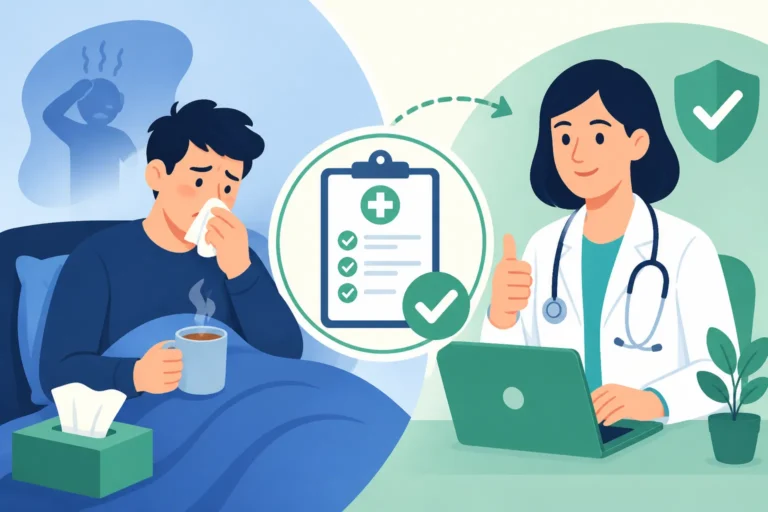
Go to: Przychodnia. Call your local clinic in the morning and ask for a "teleporada" (phone consultation) or an in-person visit with your family doctor. Do not go to the hospital.
Scenario B: You think you may have broken your ankle while hiking in the Tatra mountains.
Go to: Szpital (SOR). A suspected fracture requires X-rays and potentially a cast, which a standard przychodnia is usually not equipped to handle. If you have SafetyWing, they can often help coordinate the claims for the specialized diagnostic imaging required.
Scenario C: It is 11:00 PM on a Saturday and your child has a 39.5-degree fever that won't go down with ibuprofen.
Go to: Night and Holiday Healthcare (NiŚOZ). This is exactly what this service is for. They can examine the child and provide a prescription if necessary.
Scenario D: You are experiencing chest pain and shortness of breath.
Go to: Szpital (SOR) or call 999 / 112 immediately. This is a life-threatening emergency. In this case, the ambulance will take you to the nearest hospital with an available bed in the cardiac ward.
Navigating the Bureaucracy and Terminology
When you enter these facilities, knowing a few key words can significantly lower your stress levels. In a przychodnia, the most important place is the Rejestracja (Registration). In a szpital, you will look for the Izba Przyjęć (Admissions) or the SOR.
Always carry your passport and your PESEL number. If you are an EU citizen, your EHIC (or EKUZ in Polish) card is vital for temporary stays. For those here long-term, ensure your employer has correctly handled Understanding ZUS Health Contributions (Składka Zdrowotna) in Poland. If the administrative side of things feels overwhelming, remember that almost everything is now tracked through the Internetowe Konto Pacjenta (IKP). Setting this up should be your second priority after getting your PESEL; it allows you to see all your referrals, prescriptions, and hospital discharge summaries in one place, often with English translations available for certain sections.
Finally, don't be afraid to ask for help. While some older staff members in public facilities may not speak English, the younger generation of doctors almost certainly does. Being polite, patient, and having your documents ready goes a long way in the Polish medical system. Whether you are visiting a small local clinic or a massive regional hospital, understanding the purpose of each will ensure you receive the most efficient care possible.
Disclaimer
This guide is for informational purposes only and does not constitute professional medical or legal advice. Healthcare regulations in Poland can change, and you should always verify current procedures with the National Health Fund (NFZ) or a qualified legal advisor. In the event of a medical emergency, always dial 112 or 999 immediately.