How Do I Submit Biometrics for My Polish Residence Card?
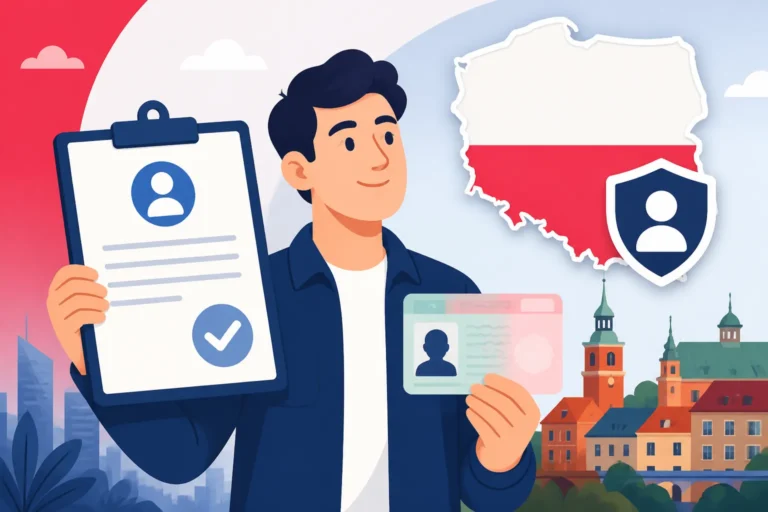
Navigating the Polish immigration system can feel like an endless series of hoops to jump through, and just when you think you're done with your residence permit application, another official letter arrives, often instructing you to submit your biometrics. This crucial step can be confusing, but don't worry – this guide will walk you through exactly how to submit your biometrics for your Polish Residence Card (Karta Pobytu), making the process as clear and stress-free as possible.
Understanding the Biometrics Requirement for Your Karta Pobytu
Let’s be honest, for many of us, the Polish bureaucracy feels like a never-ending maze, and the mention of "biometrics" might just add another layer of apprehension. But understanding why this step is necessary can help demystify it and alleviate some of that stress. It's not just Poland being difficult; it's a standard procedure across much of Europe.
Why Biometrics Are Essential
Biometrics, in the context of your Karta Pobytu, primarily refer to your fingerprints and a digital photograph. Their purpose is quite simple, yet incredibly important for security and identity verification. Think of it as Poland, and indeed the entire Schengen Area, ensuring that the person holding the residence card is unequivocally the same person it was issued to. This helps prevent identity fraud and contributes to border security across the EU.
While it might feel like just another administrative burden, especially after all the documents you’ve already gathered, this step is a non-negotiable part of getting your physical Karta Pobytu. Without your biometrics, the card simply cannot be produced, as it forms a critical part of the data stored on the chip within your card. It’s part of a broader effort to standardize secure travel and residency documents. So, as frustrating as it might seem, it's a necessary evil to keep things secure and compliant with international standards.
When and Where to Submit Biometrics
This is where many expats get confused. Unlike some countries where you might submit biometrics at the very beginning of your visa application, in Poland, for the Karta Pobytu, it almost always happens after your initial application has been formally accepted and processed to a certain point. You won't just waltz into an office and demand to submit them.
The crucial trigger for this step is an official letter, known as a wezwanie, from the Urząd Wojewódzki (Voivodeship Office). This letter will explicitly invite you to come in for your biometric data collection. It’s absolutely vital to wait for this letter. The Urząd Wojewódzki in your specific region (e.g., Mazowiecki Urząd Wojewódzki in Warsaw, Małopolski Urząd Wojewódzki in Krakow) is the primary location for this. In larger cities, they might have specific departments or even satellite offices handling immigration matters, but the wezwanie will clearly state the address. Don't go before you receive this invitation, as you'll likely be turned away. This waiting game can be tedious, especially when you're eager to finalize your status, but patience is truly a virtue here.
The Step-by-Step Biometric Submission Process
Alright, you’ve applied for your Karta Pobytu, you’ve provided what feels like your entire life story on paper, and now you're wondering what’s next. The biometric submission is one of the final hurdles, and it’s important to tackle it correctly. Here’s a detailed breakdown of what to expect and how to prepare.
Receiving Your Official Invitation Wezwanie
This is the golden ticket, so to speak. After you've submitted your initial Karta Pobytu application – and believe me, that in itself is a journey, as covered in our guide on How to Apply for a Temporary Residence Permit (Karta Pobytu) in Poland – the Urząd Wojewódzki will review it. If everything looks generally okay and they're ready to proceed with your physical card, they will send you a wezwanie.
This wezwanie is a formal, official letter, usually delivered to your registered address via traditional post, though in rare cases, some offices might send an email notification as well. It will contain all the critical information you need: the precise date and time of your appointment, the specific address of the Urząd Wojewódzki department you need to visit, and a list of documents you absolutely must bring with you. Pay very close attention to this list! Missing this appointment or showing up unprepared can lead to significant delays, pushing your Karta Pobytu issuance back by weeks or even months. If, for some unavoidable reason, you cannot make the appointment, you must contact the Urząd immediately to request a new date, providing a valid reason. Ignoring it is simply not an option.
Preparing for Your Biometrics Appointment
Preparation is key to avoiding unnecessary stress and another trip to the Urząd. The wezwanie letter will be your definitive checklist, but there are some common items and considerations to keep in mind.
First and foremost, your passport or valid travel document is a must. This is your primary identification, and they will need to verify it. If you're renewing your Karta Pobytu, bring your current Karta Pobytu card as well, along with the previous decyzja (the official decision granting your prior permit). Having the original wezwanie letter itself is also important, as it serves as your official appointment confirmation.
Next up, passport photos. The Urząd Wojewódzki is notoriously strict about these. Even though they will take a digital photo of you during the appointment, they often still require you to submit physical copies with your application – and sometimes, even at the biometrics stage if your initial application photos were deemed unsuitable or too old. The general requirements are usually:
- Size: 35×45 mm (standard passport photo size).
- Background: Plain white.
- Age: Not older than 6 months.
- Expression: Neutral, mouth closed, looking straight at the camera.
- Headwear: Only for religious reasons, and it must not obscure your facial features.
- Glasses: Usually acceptable if they don't obscure your eyes or cause glare, but if you can avoid them, do so.
It's always best to get these done professionally at a photo studio (many are available in shopping malls or near Urząd locations) and clearly state they are for a Polish residence card application. They know the exact specifications.
Finally, think about any documents that might have been requested in your original Karta Pobytu application that might need to be re-verified or confirmed. While the biometrics appointment itself is usually focused on identity, sometimes a clerk might quickly check other essential documents. For example, proof of valid health insurance is a constant requirement for a residence permit. If you're relying on private coverage, make sure your documents, perhaps from a provider like Cigna Global, are easily accessible and up-to-date, just in case.
Here’s a quick summary of what you’ll likely need:
| Document Type | Details | Notes |
|---|---|---|
| Passport/Travel Document | Original, valid document used in your application. | Ensure it's not expired. |
| Current Karta Pobytu | (If renewing) Original card. | Don't forget this if you already have one! |
| Wezwanie Letter | The official invitation from the Urząd Wojewódzki with your appointment details. | Absolutely essential for entry and reference. |
| Passport Photos | Typically 35×45 mm, white background, neutral expression, not older than 6 months. Usually 4-6 copies required for the overall application, might need some at biometrics. | Get them professionally done. |
| Other Documents | Any specific documents explicitly requested in your wezwanie or those that might be pertinent to your overall application (e.g., proof of health insurance, if your permit is work-based, your work permit details). | Always err on the side of caution and bring anything you think might be relevant, especially if you have an ongoing application. |
You might also want to review our comprehensive guide on What Documents Do I Need for a Polish Residence Permit? to double-check anything you might be unsure of.
What to Expect at the Urząd Wojewódzki
Alright, the day has arrived. You've got your documents, you've triple-checked everything, and you're mentally prepared for the Urząd. Here’s a realistic picture of what to expect.
The first thing you’ll likely encounter is the infamous waiting game. Despite having an appointment time, don't expect to be seen exactly then. Queues can be long, and waiting rooms can be crowded, especially in major cities like Warsaw, Krakow, or Wrocław. Bring a book, fully charge your phone, and pack some snacks and water. It's not uncommon to spend a couple of hours waiting, even with a scheduled slot. This is simply the reality of dealing with a busy public administrative office in Poland.
Once your number is called (or your name is announced, if that's how your specific Urząd operates), you'll go to the indicated window or office. The process itself is usually quick and straightforward. You'll hand over your documents, and the official will verify your identity. Then, they’ll proceed with the biometrics:
- Fingerprint Scanning: You’ll be asked to place your fingers, one by one, and then usually all four fingers simultaneously, onto a digital scanner. They'll likely scan all ten of your fingers. It’s a clean, painless process, similar to unlocking a smartphone or going through airport security. If there are any issues (e.g., very dry hands), they might ask you to rub your hands together or apply a bit of hand cream.
- Digital Photo Capture: Even though you submitted physical passport photos, they will also take a new digital photo of you on the spot. This will be the photo that actually appears on your Karta Pobytu. Just try to look as natural as possible, with a neutral expression. They’ll likely check that your eyes are clearly visible and there's no glare from glasses.
One of the biggest challenges for many expats is the language barrier. While some officials, especially in larger cities, might speak English, it’s certainly not guaranteed. If you’re not confident in your Polish, consider bringing a Polish-speaking friend or colleague with you. Alternatively, have a translation app ready on your phone to quickly communicate if needed. Don’t be afraid to ask for clarification if you don’t understand something; it’s better to ask than to make a mistake.
The actual biometric capture process is typically completed within a few minutes once you’re finally at the counter. The longest part of the day will be the waiting. But once it's done, you're usually on the home stretch!
For further details on booking appointments, you might find our guide How Do I Book an Urząd Wojewódzki Appointment for My Karta Pobytu? helpful, though often the biometrics appointment is scheduled for you.
Post-Biometrics and Awaiting Your Karta Pobytu
You’ve done it! You’ve survived the Urząd queues, the forms, and now the biometrics. While it feels like the end, there’s usually one more period of anticipation before your shiny new Karta Pobytu is in your hands.
What Happens After Biometrics?
Submitting your biometrics is usually one of the very last substantive steps in the Karta Pobytu application process. It signifies that the Urząd has (hopefully!) reviewed all your submitted documents, found them in order, and is now ready to authorize the physical production of your residence card.
After your biometrics appointment, you essentially enter another waiting phase. The collected data is sent for processing, and then your Karta Pobytu is manufactured. The waiting time here can vary significantly depending on the specific Urząd Wojewódzki, the volume of applications they are handling, and the current political climate. It can range from a few weeks to several months. While some Urzędy offer an online portal where you can track the status of your application, many still rely on the old-fashioned method of waiting for an official letter. Our detailed guide on How Long Does It Take to Get a Karta Pobytu in Poland? delves deeper into these timelines.
During this waiting period, your existing legal status in Poland remains valid (if you're extending a permit, for instance), typically indicated by a stamp in your passport. This stamp allows you to continue residing in Poland legally, but generally, it doesn't permit international travel outside the Schengen Area. If you have international travel plans, it's always best to consult with the Urząd or legal counsel to understand your specific situation.
Collecting Your Karta Pobytu
Finally, the moment you’ve been waiting for! Once your Karta Pobytu has been produced and is ready for collection, the Urząd Wojewódzki will send you another official wezwanie (or sometimes a text message or email notification, if you were lucky enough to provide one that actually works for this purpose). This letter will inform you that your card is ready and instruct you on when and where to pick it up.
The collection process is usually much quicker than the biometrics submission. You'll typically need to bring your passport or valid travel document for identification, and often the wezwanie for collection. You'll go to the designated pick-up point at the Urząd, show your documents, and sign to receive your Karta Pobytu.
Crucial tip: As soon as you receive your Karta Pobytu, check all the details on it carefully and immediately! Verify your name, date of birth, place of birth, validity dates, and photo. If you spot any errors, point them out to the official there and then. Rectifying errors later can be another lengthy bureaucratic ordeal. It’s far easier to get it fixed on the spot if possible.
With your Karta Pobytu in hand, you officially have your physical proof of residence in Poland. This card is essential for everything from opening a bank account, signing contracts, getting a PESEL number, to simply proving your legal status. It truly is a key document for any expat making a life here. Now that you're truly settled, perhaps you're thinking about making your move even more permanent, bringing over more of your belongings? Services like Sirelo can be incredibly helpful for managing international moves, ensuring your possessions arrive safely in your new Polish home. Congratulations, you've conquered a significant administrative milestone!
Disclaimer
The information provided in this guide is intended for general informational purposes only and does not constitute legal advice. While we strive to provide accurate and up-to-date information, immigration laws and procedures in Poland can change frequently. It is always recommended to consult with the official Urząd Wojewódzki or a qualified immigration lawyer for advice specific to your individual situation. We do not accept responsibility for any loss or inconvenience caused by reliance on this information.